
Provost's residence
Building, structure
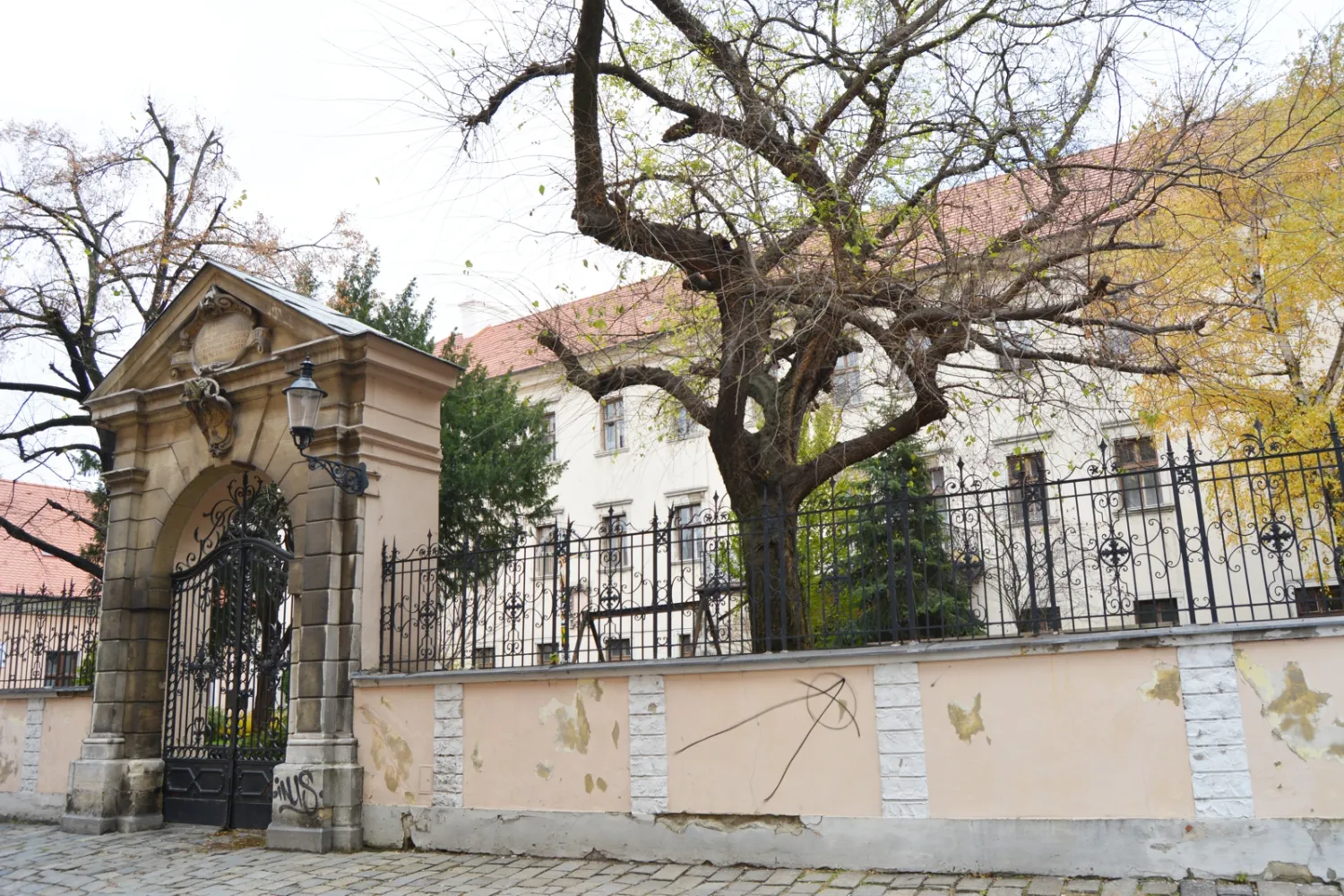
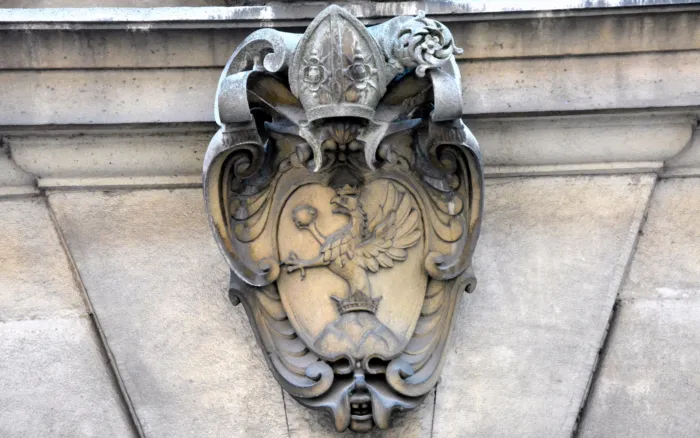
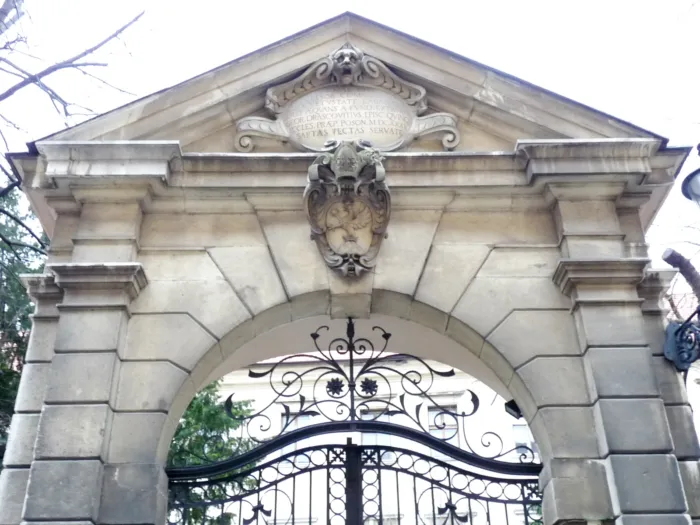
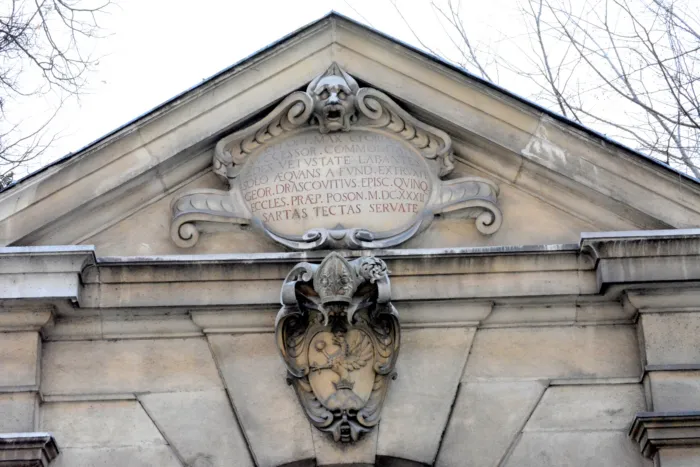
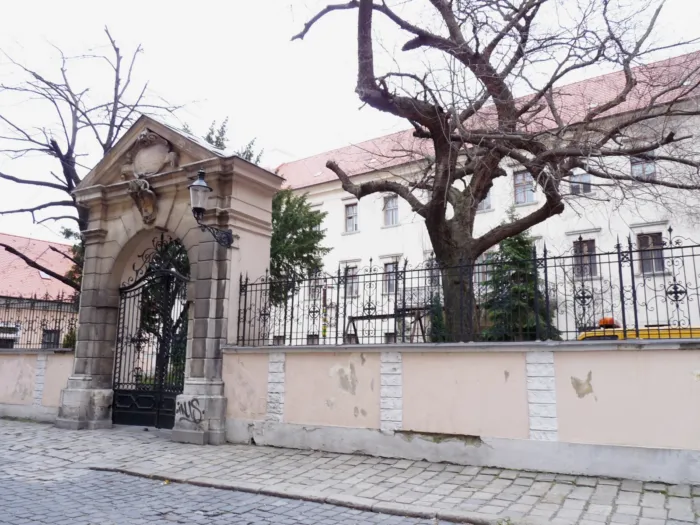
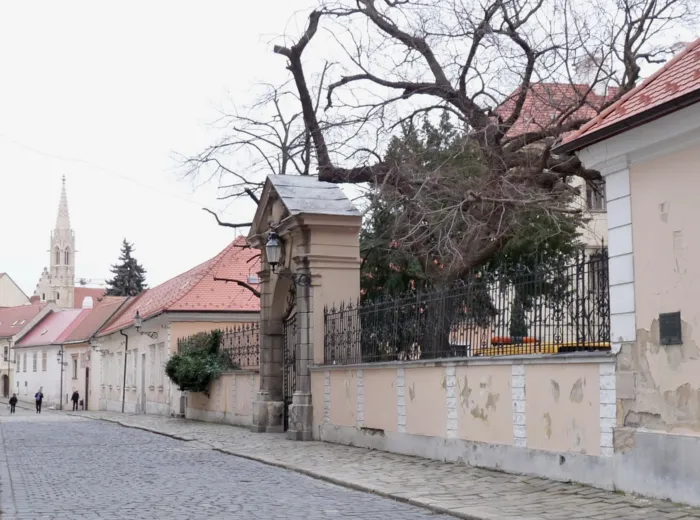
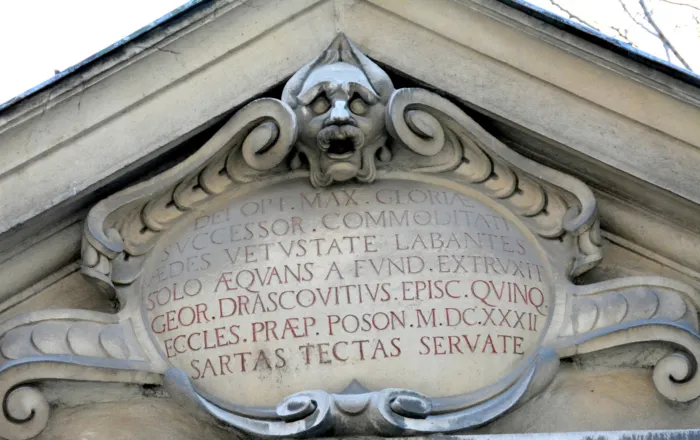
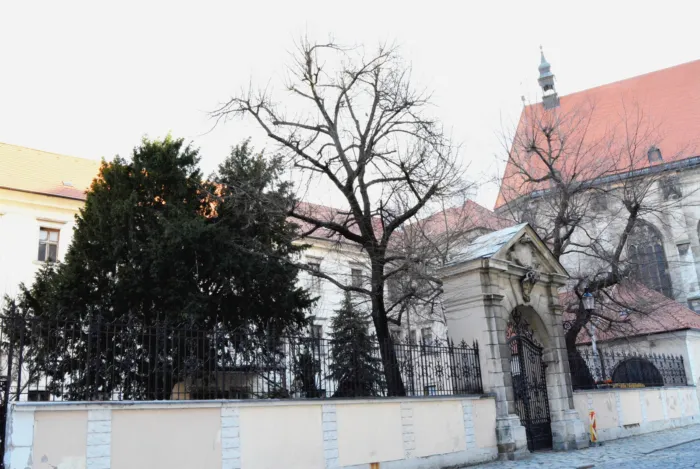
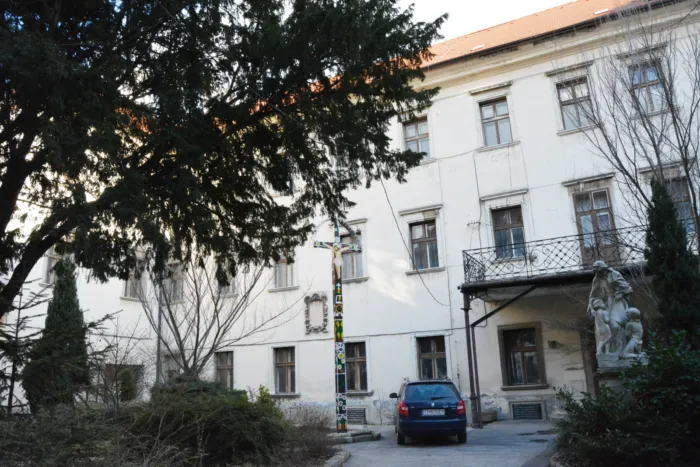
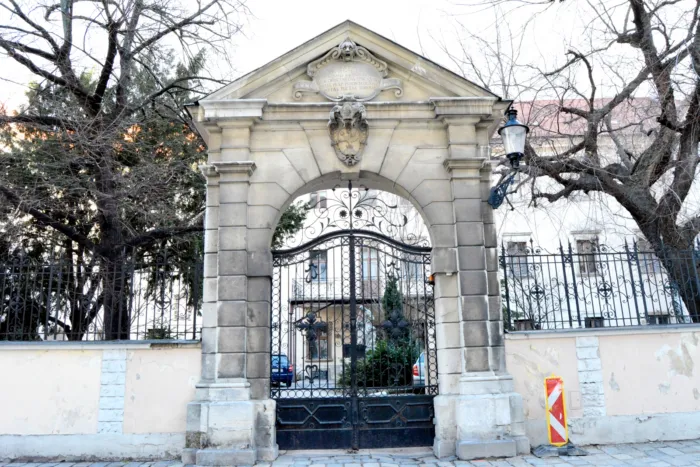
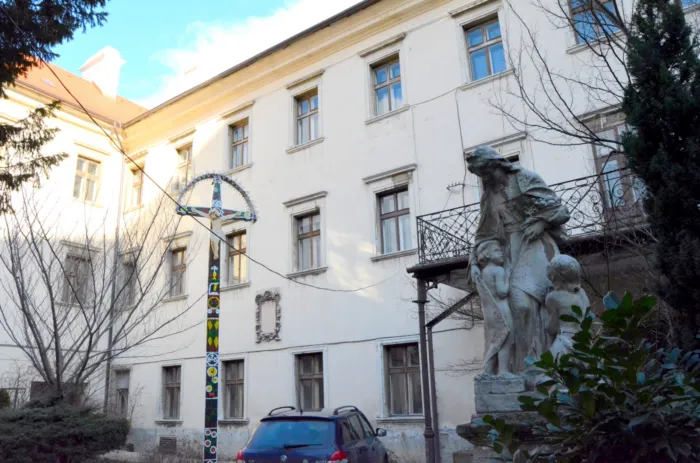
“Another notable house on Káptalan Street is the Provost’s House. It was first mentioned in 1311. At that time, city judge Herkl concluded an exchange agreement with the provost’s office. The provost gave the city a plot of land belonging to the provost’s office for the construction of the city wall, but the city gave the provost a plot of land as a courtyard for his apartment. Later, Provost Jeromos Balbi made the provost’s house more comfortable. King Matthias and Queen Beatrix allowed the provost to establish a garden at his house, and for this purpose some houses were demolished. King Ferdinand I had lunch with Maximilian and Mary in the provost’s house. In 1632, György Draskovich demolished the dilapidated building and had a new one built from the ground up, as the inscription on the gate proclaims (Dei Opt. Max. Gloriae Successor. Commoditati Aedes vetustate labantes Solo aeqvans a fund. Exstruxit Georg. Drascovitius. Episc. Quinq. Eccles. Praep. Poson. M.DC.XX XII Sartas tectas servate). The provost's residence was renovated as early as 1776, when it was still connected to the Jesuit headquarters opposite by a large gate. More recently, provost Jáczint Rónay beautified it, among other things, he partially demolished the bleak wall on the street and put an iron grate on it and had iron doors and gates installed at the entrances. The stables of the provost's residence were transformed into pretty and comfortable rental apartments under b. Ferenc Horeczky. He had the red marble memorial plaque placed in the wall of the building, the inscription of which announces that Queen Elisabeth and her daughters Archduchesses Gizella and Valéria visited provost Jáczint Rónay in this building on April 27, 1886. ; The provostship - as far as its history is concerned - was established at a time when when the closed chapters had not yet developed. Its foundation predates the conquest. It was founded by a Moravian prince. Mojmír, Ratiszlav, Svatopluk were zealous Christians and preachers of the faith. The foundation of the provostship can be traced back to one of these. However, it is first mentioned in documents only at the beginning of the 12th century. In the law of King Kálmán it is listed as a larger provostship, in which the tests with hot iron and hot water could be held from now on. The provost's headquarters and church were originally on the castle hill, but King Imre's appeal to the Pope allowed the provostship to be moved from the castle to the city, lll. Pope Innocent III allowed the transfer in 1210. King Imre justified his appeal by saying that the security of the castle could easily be endangered by the faithful's visit to the castle church. Later, the provost of Bratislava also applied for a transfer, because it often happens that the canons are not allowed into the castle at the specified hours and thus cannot observe the prescribed divine service. III. Pope Honorius therefore also allowed the transfer of the provostship in 1221. The provostship was actually moved from the castle to the city after 1221. ; The chapter as a closed body only joined the provostship later, not as a separate foundation, but as a further development of the provostship institution. Originally it consisted of 14 members. Its income came from forests, arable land, houses, wine, grain and livestock tithes, ferry tithes, fish income, mill tax and foundations. According to the document of Ladislaus IV in 1277, the assets of the provostship and chapter were partly kir. They were collected from donations, partly from the gifts of the faithful or partly from purchases and other acquisitions. Béla IV gave Sámod, Vőlkő and Kürt to the provost and chapter. László IV gave Flenzendorf (Chapter Meadow), Ssilincs. Csandol (Torony) to the chapter. Uzur, Akali, Csörle, Simperg. Csukárd, Deáki etc. came to him from donations from private individuals. Egyházfalva has belonged to the provost since 1507. The provost had serfs in Papfalva. In addition, the provost had fishing grounds and fisher-servants, all kinds of vineyards and houses. The provost garden in Kecske-utca (today's Kisfaludy-utca) was only parceled out and built up in more recent times. However, as a result of carelessness, violence and robberies, it was already in the 14th century that it was mentioned There is a story about the poverty of the chapter, and this was complained about even more in the 16th century. On 15 June 1515, King Władysław II, who was staying in Bratislava, exempted the provost of Bratislava Balbi and the chapter from all taxes for 6 years, because they had suffered great damage from the fire. From this there is no doubt that the Chapter Street was completely burned down at that time. The rights of the chapter made it an illustrious body. The chapter had the right of ordeal, free will, refuge and palony. As an authentic place, it was qualified to issue documents and this right only ceased in the 19th century with the establishment of the notary institution. Until 1405, it also exercised the right to judge over its own people. Unfortunately, patents and exemptions made the chapter privileged, which are of course now obsolete. ; The authority of the provost was initially very great, through its rights and privileges. Originally, it exercised a kind of episcopal jurisdiction until the 13th century. Apart from the jurisdiction based on ordination, many of its jurisdictional powers were actually equal to those of the bishop from the 13th century until the end of the 14th century. It granted canonries and emoluments, granted prerogatives for vacant canonries, collected sees and death quarters from the parishes and chapels subordinate to it. It exercised jurisdiction over holy places, judged, punished, freely appointed and freely removed general vicars and case listeners, confirmed the city parish priest, pronounced ecclesiastical prohibitions and excommunications, and it could exercise all this not by delegation, but by virtue of its own ordinary jurisdiction, so that the archdiocesan district of Bratislava is even designated as a dioecesis in royal documents, and the provost himself is designated as an ordinarius in documents. Later, due to certain abuses, his powers were restricted by council resolutions. Today, his rights consist only of the archdeacon's rights covering the Bratislava archdeaconry, some episcopal exercise of rights (privilegium pontificalium), a larger income and possible ecclesiastical titles. In terms of rank, he comes immediately after the provost of the Esztergom chapter. ; Possessing rights, estates and privileges, the provosts of Bratislava once played a notable role in both ecclesiastical and political life. Some of them distinguished themselves through their science, literary activity, diplomatic role, international peace mediation and instrumentality. Several rose from the provost's chair in Bratislava to the highest hierarchical degrees: episcopal, archbishopric and patriarchal dignities. One or two of them stand out as nuncios of the apostolic see or confidential men of the royal chancellery. Our provosts of today are already in quiet retirement live, their public role has also diminished along with their public status and rights.