
Premontre Monastery
Building, structure
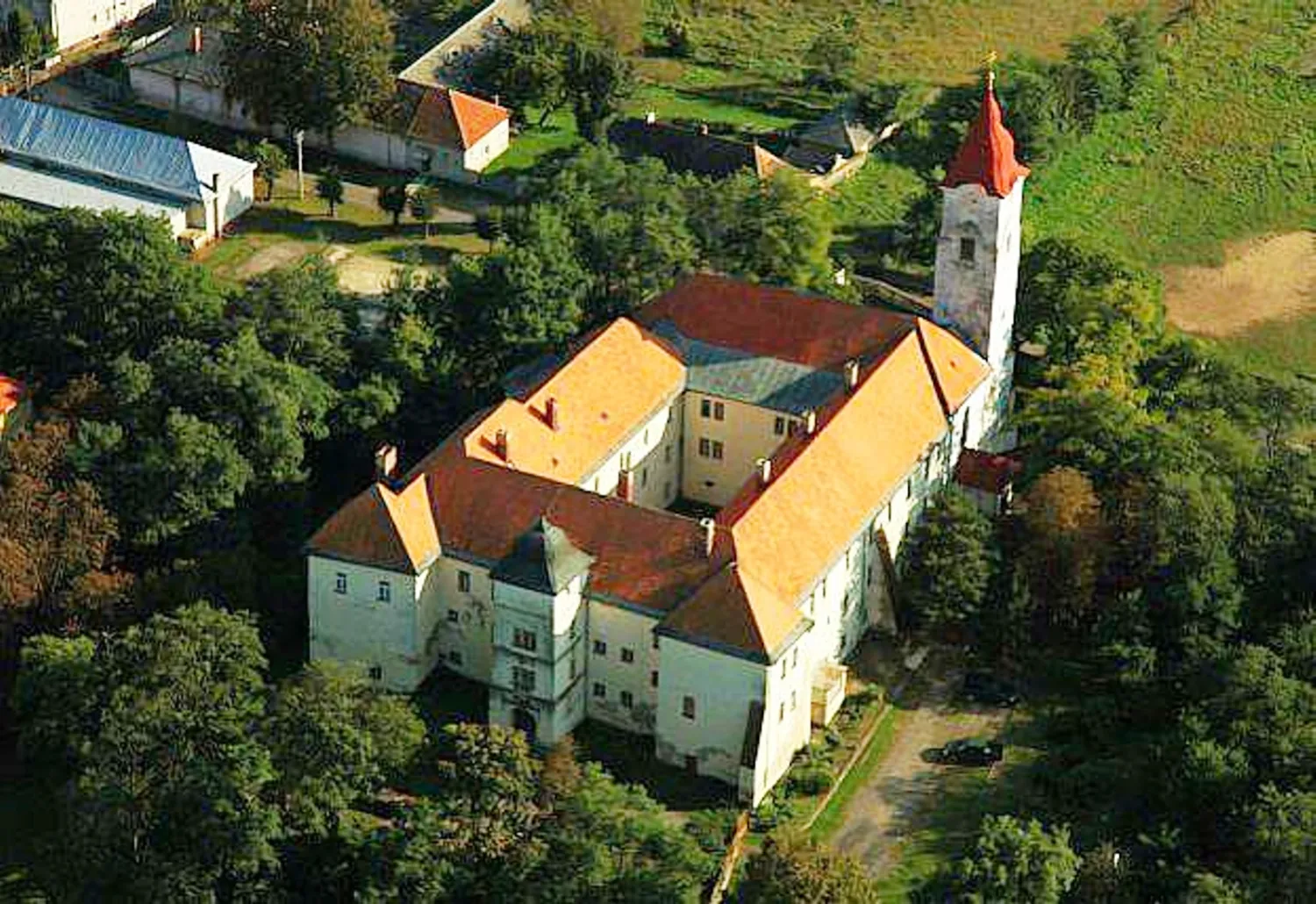
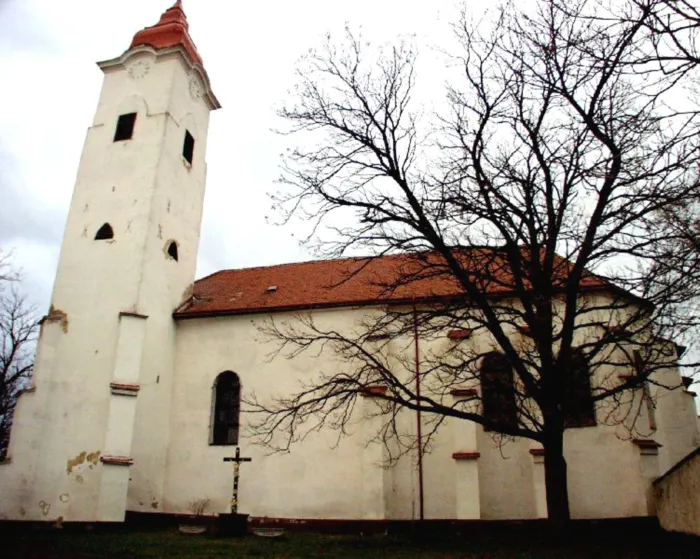
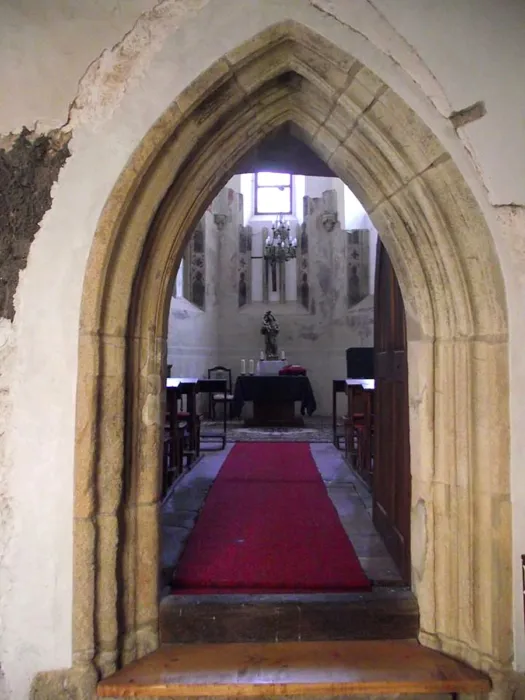
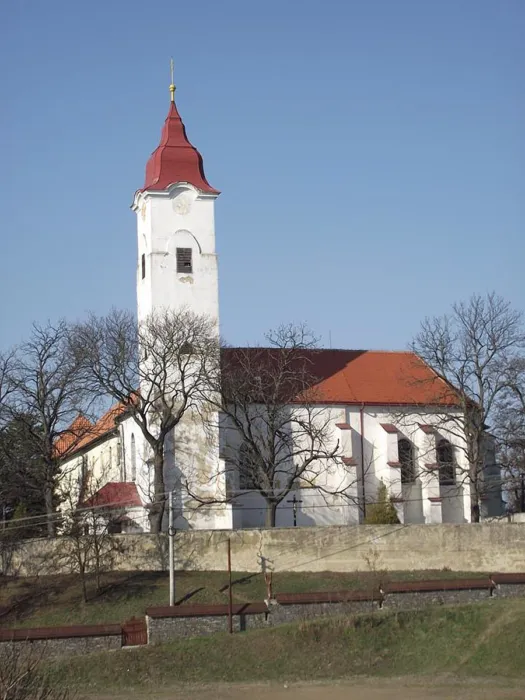
The Lelesz Monastery, as a center of faith and culture, had a significant impact on the region and influenced the development of the area. Throughout history, the monastic order and the monastery building were subjected to many trials. Landlords and local nobles constantly tried to occupy the building, which also served as a place of authority and an archive. The competition for wealth and land affected the population living here. All areas that belonged to the Lelesz Premontre Abbey. Boleszló, bishop of Vác, came from the Becse-Gergely clan. King Béla II (born around 1108−1110, + February 13, 1141) gave the Lelesz Plain to Boleszló as a godfather's gift. At that time, Lelesz still belonged to Zemplén County. Later, Bolesław (Boleslaus, Bogyiszló, Boleslav), as bishop of Vác, settles the “canons who serve in God’s white robes” – the Premontres. In the 12th century, there is certainly a rudimentary building in Lelesz, which serves as a residence for the monks. King Béla III confirms the rights and ownership of the Premontres based on the original charter.
However, the end of the 12th century and the 13th century are noisy with conflicts and disputes. A dispute over the throne takes place between Imre and Andrew. In 1199, Imre destroys the entire building and confiscates his estates. He does this because Bishop Bolesław is on Andrew’s side in the dispute over the throne. During this turbulent period, Béla III’s confirmation document disappears. III. Pope Innocent also mentions the dispute between Imre and Prince Andrew in his documents, and tries to mediate between the parties in this matter. After Andrew II ascended the throne, he had the monastery of Lelesz repaired and his estates strengthened, which he also records in his deed. He compensates Bishop Boleszló. Thus, the letter issued by King Andrew II in 1214 can be considered one of the most significant documents from the point of view of the village of Lelesz. It lists its privileges and arranges its financial background. The founding letter is an important linguistic monument. We can also encounter many place names, settlement names, river names and other names for the first time in this document. Andrew II, in addition to the compensation mentioned above, may have been motivated by something else, that he carried the fate of Lelesz on his heart. He rested in this place during his campaign to the east. Here he learned of the murder of his wife, Queen Gertrude of Merania.
However, the end of the 12th century and the 13th century are noisy with conflicts and disputes. A dispute over the throne takes place between Imre and Andrew. In 1199, Imre destroys the entire building and confiscates his estates. He does this because Bishop Bolesław is on Andrew’s side in the dispute over the throne. During this turbulent period, Béla III’s confirmation document disappears. III. Pope Innocent also mentions the dispute between Imre and Prince Andrew in his documents, and tries to mediate between the parties in this matter. After Andrew II ascended the throne, he had the monastery of Lelesz repaired and his estates strengthened, which he also records in his deed. He compensates Bishop Boleszló. Thus, the letter issued by King Andrew II in 1214 can be considered one of the most significant documents from the point of view of the village of Lelesz. It lists its privileges and arranges its financial background. The founding letter is an important linguistic monument. We can also encounter many place names, settlement names, river names and other names for the first time in this document. Andrew II, in addition to the compensation mentioned above, may have been motivated by something else, that he carried the fate of Lelesz on his heart. He rested in this place during his campaign to the east. Here he learned of the murder of his wife, Queen Gertrude of Merania.