

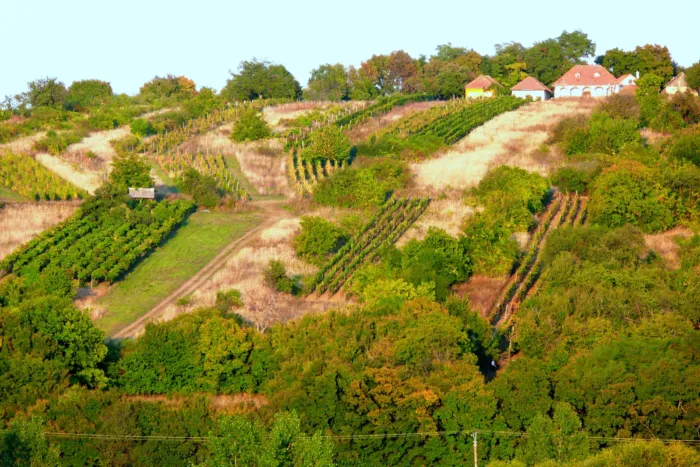
Pográny vineyards and cellar rows
Building, structure
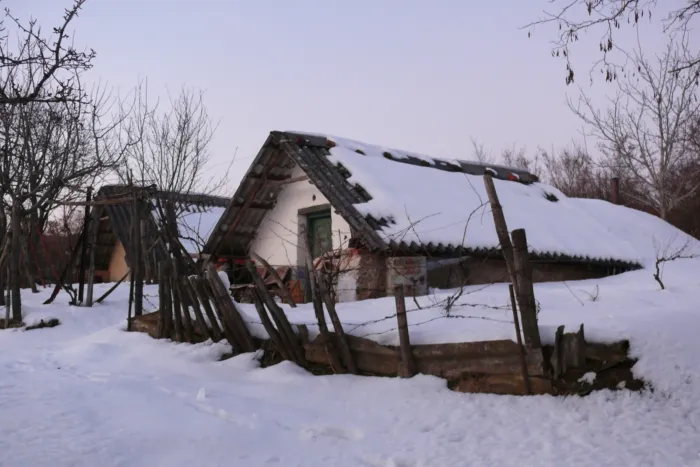
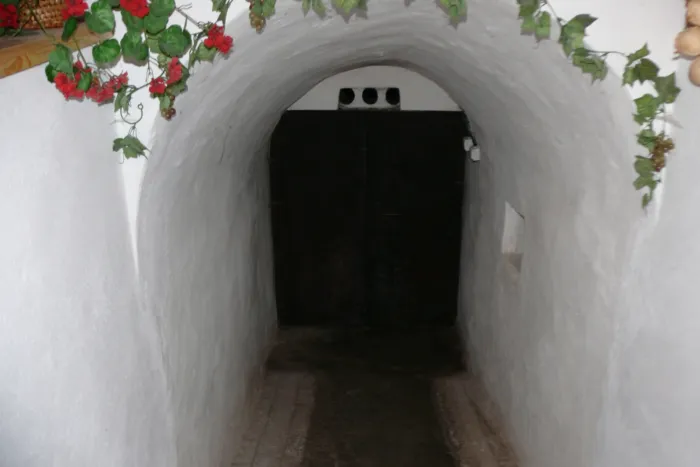
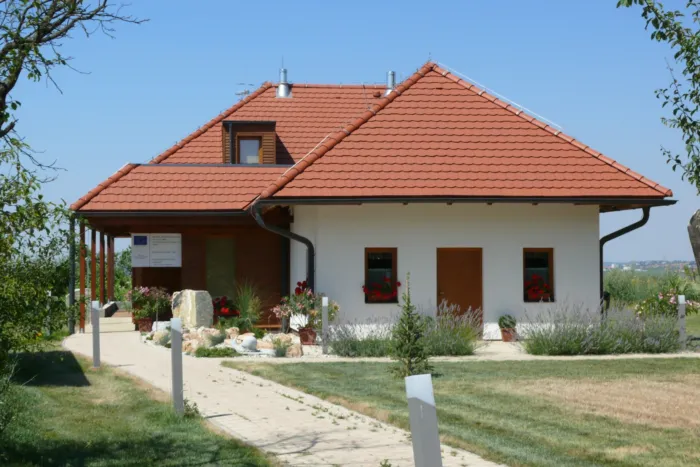
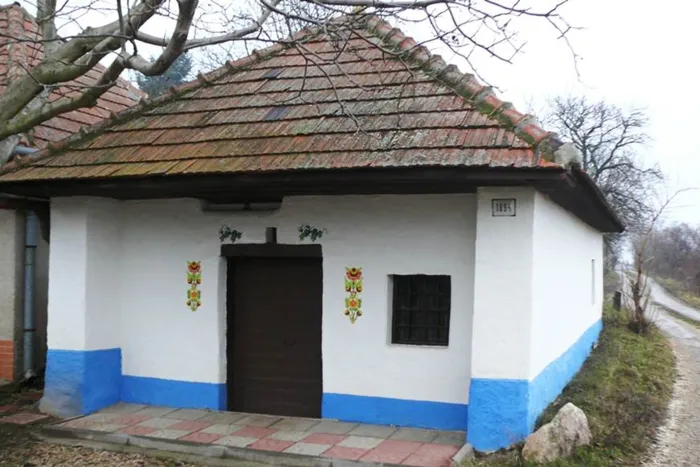
The first mention of viticulture in Pográny was in 1075, when Géza I saw the Garamszentbenedek Abbey with estates (the same document also mentions the vineyards of Garamszőlős in Bars). This is the first known written mention of viticulture in the entire territory of Slovakia. There could be several reasons for such an early appearance of grapes, among others the proximity to Nitra (liturgical and commercial purposes) or the presence of the Benedictines who cultivated grapes. In 1113, the vineyards of Pográny were among the estates of the Benedictine monastery in Zobor, in 1218 Andrew II donated the vineyards here to the Archbishopric of Esztergom, and from 1232 we already know the names of the vine growers (Halalus, Zentus, Zumul, etc.). In 1251, someone was killed here for a vine, in 1287 there were already seven (!) vineyards in the village. In the 14th century, the Forgách family's land records also mention the vineyards here. Later, we also hear about the cultivation of grapes in Pográn, for example during the Turkish period, in the letters of complaint of the Kuruckor, in some urbariums and censuses (e.g. in 1626, 1694, 1715, 1720, 1752, etc.). The wines of the village are praised by the scholar Mátyás Bél (1742), but they are also mentioned by the geographer Elek Fényes (1851). According to archival data, after the phylloxera outbreak, József Pindes and his associates organized the distribution of resistant grafts and passed them on to other farmers. At the end of the 20th century, some people still remembered old varieties that no longer exist, such as Borosbival and Böklöcs. Today, there are two vineyards in the village, Cserhát and Poronna. Several old wine press houses have also survived, some scattered, others arranged in rows of cellars, awaiting their owners and visitors. There is a statue of Saint Orbán on both vineyards, the one in Cserhát from 1841, the one in Poronna from the beginning of the 21st century. The vineyard owners are united by an organization called Vinum de Pográny. A wine exhibition is organized annually. On the feast of Saint Orbán, a procession (“procession”) goes to the statue of Saint Orbán (one year to Cserhát, the other year to Poronna), where church services are performed. The first organized tourist enterprises appeared on the vineyards, but the vineyards have preserved their traditional character. Its development potential is great.