
Benedek Pogrányi, the life of the Turkish beater
Cultural heritage
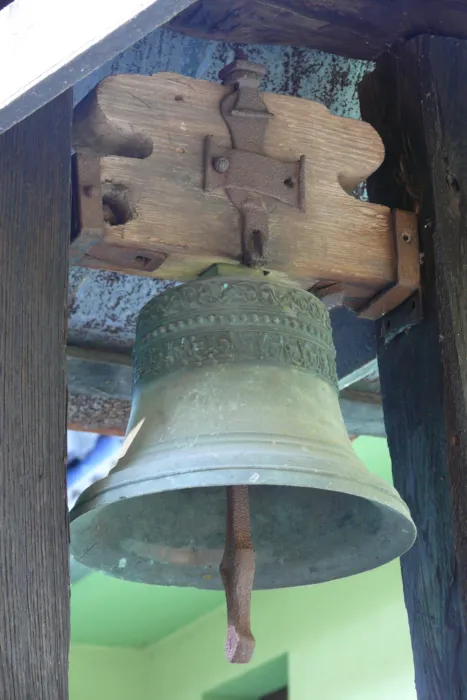
The first known person to use the surname Pográny from the village of Pográny was Baroness Anna Pogrányi (1299), but some only indicate Balázs Pogrányi (1471) as the proven ancestor. The family, which gave many famous personalities to the Hungarians, later split into two branches (Derfel and Nemeskürthi, the relationship between them is still not sufficiently clarified). The latter branch appears in Nemeskürt in the second half of the 16th century, but they only completely left their Pográny estates much later (the Pogrányis lived in Pográny even in the 17th century). We do not know exactly where the Turkish beater Benedek Pogrányi (*1580 – Ɨ May 29, 1614) from the Nemeskürthi branch was born. He defended the mining towns, first as captain in Bakabánya (1580) and then in Korpona (1593-1594/1597). In the latter place, he successfully cut off the Turkish path to the mining towns, and did not give up the castle even in the face of the threat of Numet Bey (1593). Numet Bey's letter and Benedek Pogrányi's response to it were also published in print under the name "Zwo wahrahaffte neue Zeittunge". Literary history considers this reproduced document to be the first newspaper (so-called newspaper letter) published in the Uplands. In 1598-1602, he was the captain-in-chief of Nógrád (according to other sources, he also served as captain in Nyitra at that time), he was also the captain-in-chief of Dunáninnen, and then his successes led to his promotion to national captain-in-chief. He continued his military career in the key fortification of Érsekújvár, where Ferenc Nádasdy was his vice-captain (1603). Some say he ended his military career here, but it is clear from the letters he wrote to György Thurzo that he served in the military at least until 1609, for example as a lieutenant general in the Transdanubian region. In 1604 he defended Lipótvár, in 1605 he participated in the Vienna peace negotiations. In 1608 Rudolf II raised him to the rank of baron and donated the castles of Hrussó and Véges to him. He died in the latter castle in 1614. His noble coat of arms shows a rampant lion, holding a curved sword above its head in the right hand. The so-called Pográni song, which dates from the 17th century and the reading of its verses together gives the name POGRANIONIA, may also be related to him. Among his children, János was a captain in Korpona, and György was a vice-captain in Érsekújvár. His grandson Ferenc became the captain of the Drégelypalánk and this branch became extinct through him. The Pogrányi branch of Derfel continued to exist, and even in the 20th century they maintained personal ties with Pográny. Today, only a bell commemorates them in Egerpuszta, which once belonged to Pográny.