
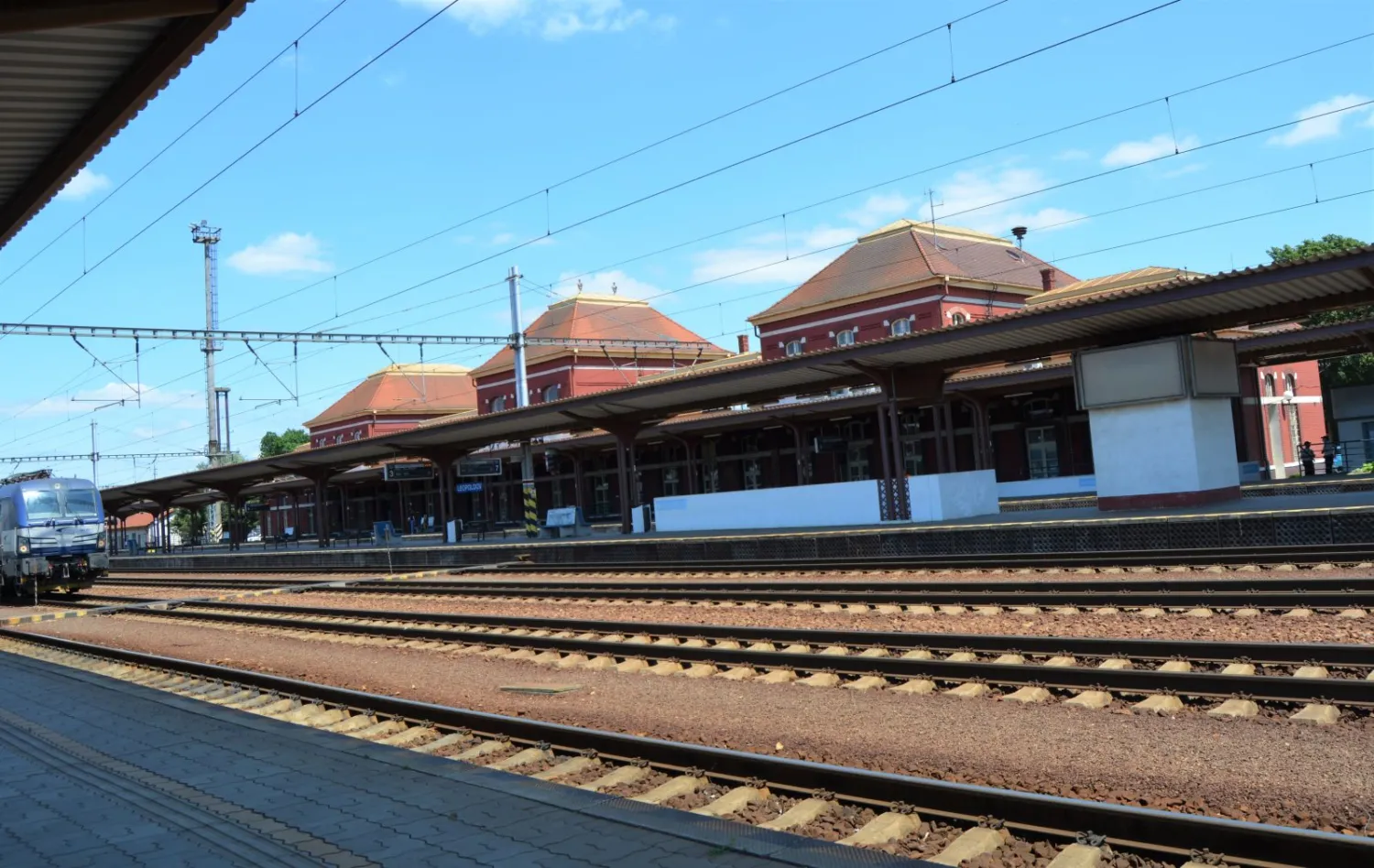
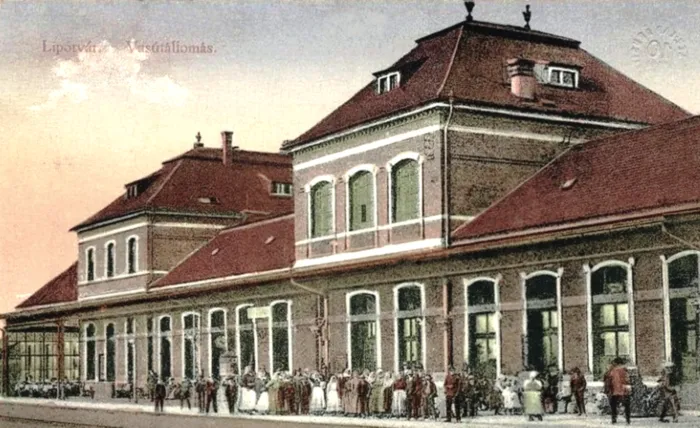
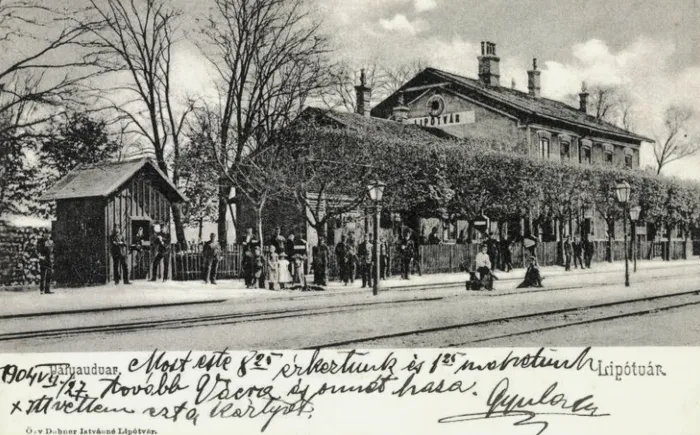
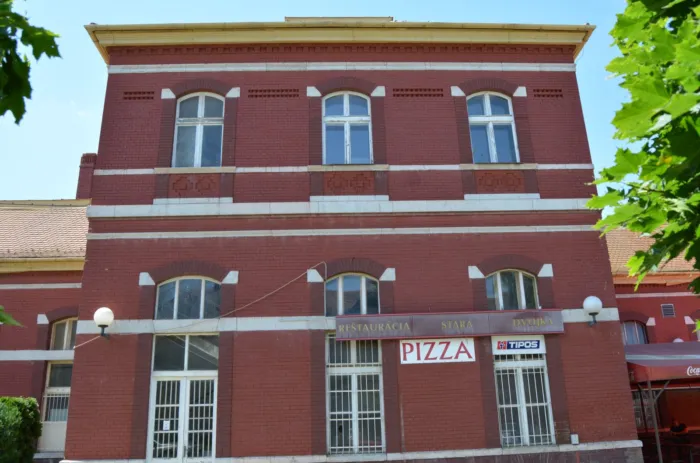
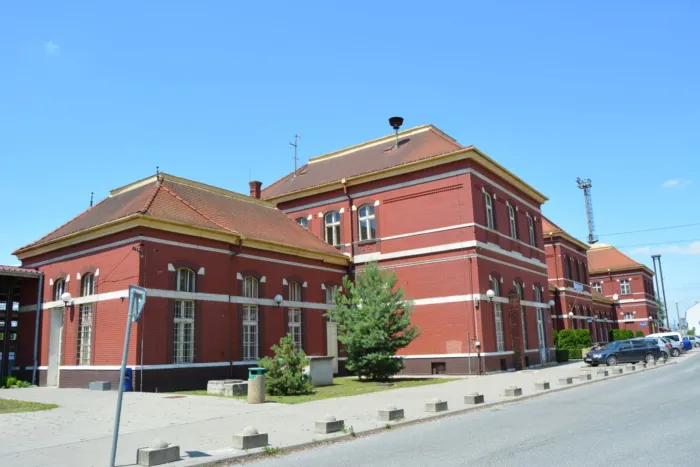
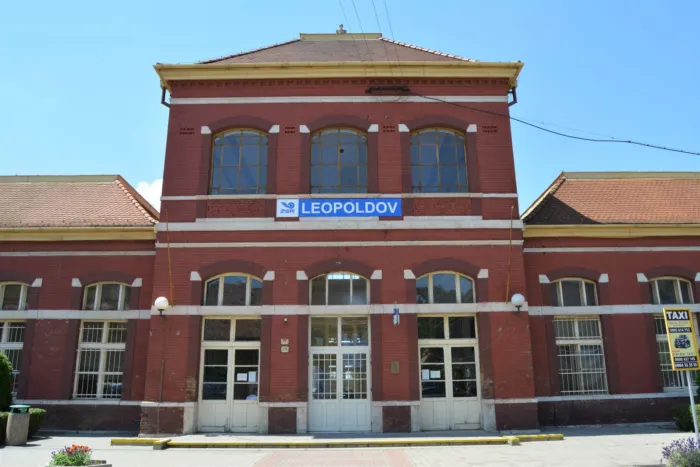
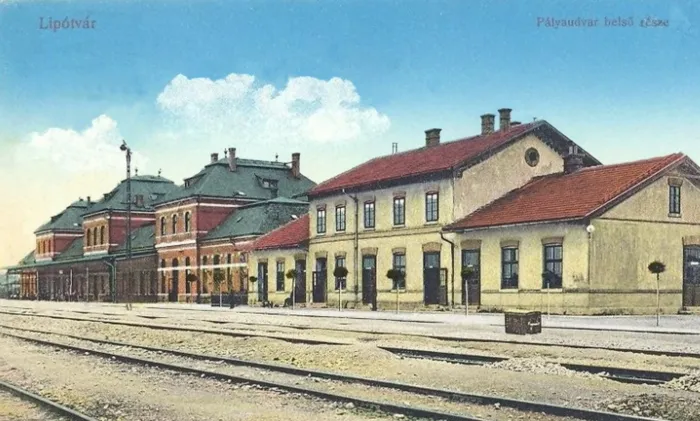
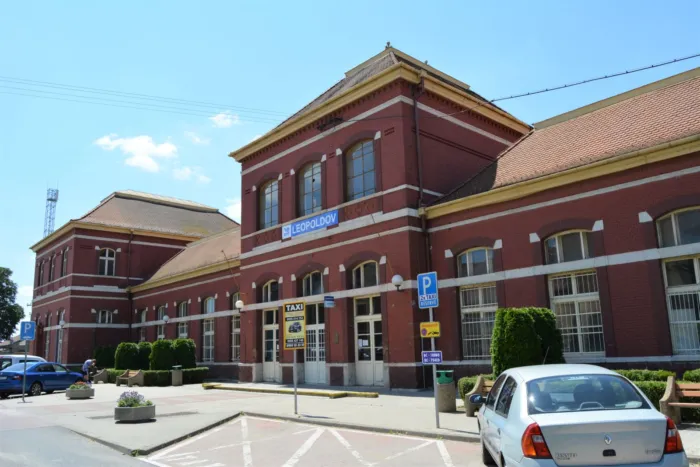
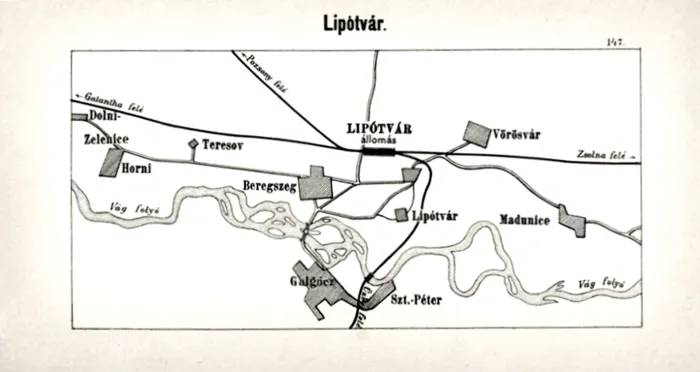
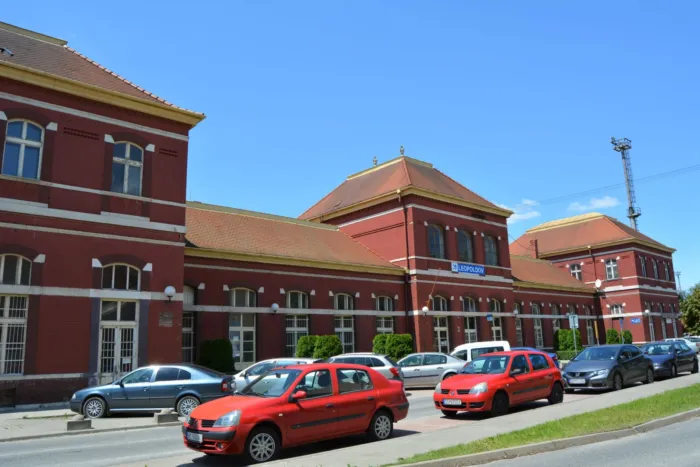
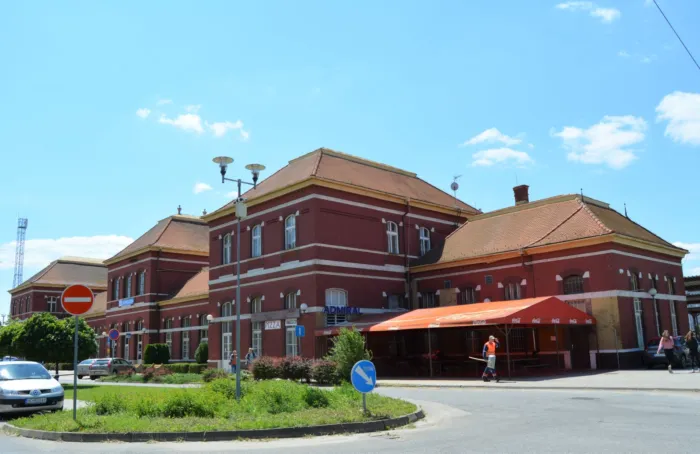
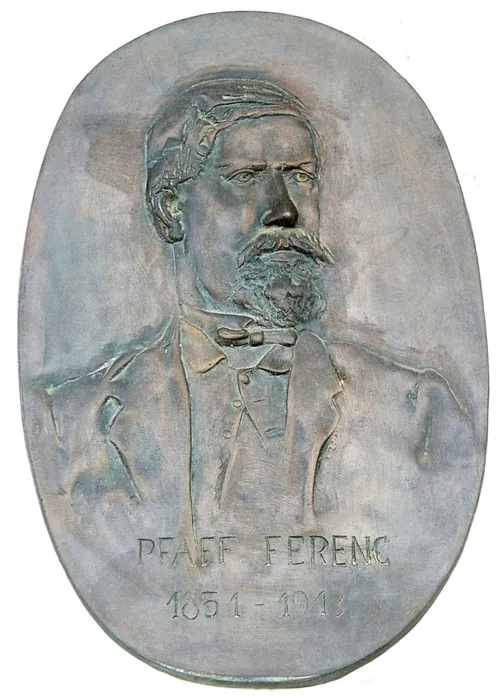
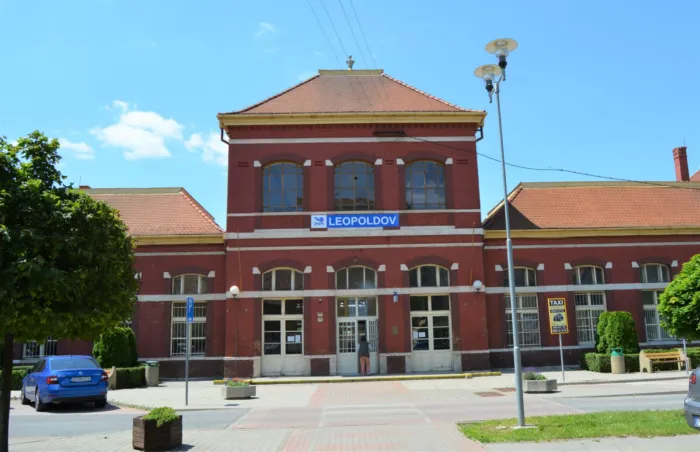
The main building of Lipótvár railway station, designed by Ferenc Pfaff
Building, structure
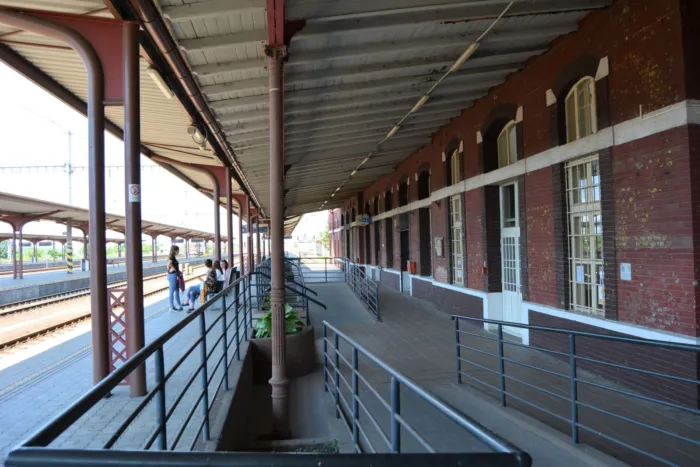
The 19th century, especially the second half, was a triumph of railway construction throughout Europe. At that time, the partly state-owned and partly private railway network, which was the lifeblood of the dualist Monarchy, was also built. The railway stations and other railway facilities built at that time (both the huge hall buildings in the big cities and the smaller facilities) are world-class architectural achievements, some of which we can still admire today, although often in a dilapidated form. The main building of the Lipótvár railway station built in 1906 is one such example. ; In 1914, the railway network was 22,869 km long, and the railway density of 7.1 km/100 km2 approached that of developed European countries and surpassed that of states located on the periphery of the continent. The fortunately preserved station buildings still perfectly show how far the former Austro-Hungarian Monarchy, and within it the Hungarian State Railways, extended. Although the railway station buildings had to meet extremely strict industrial conditions, the architectural taste of the time could still leave its mark on their appearance. ; The first railway stations of historical significance in our country were built on the site of the railway station buildings, formerly called indóház. ; The first railway stations of the Hungarian Royal State Railways (between 1870 and 1884) were built based on standard plans: these distinguished between mainline and branchline (secondary line) building types. The basic type was a minimum one-story, hipped-roof, log-shaped building, with railway service rooms on the ground floor and railway flats on the upper floor. The warehouses were primarily timber-framed plank buildings. The exciting encounters of technology and architecture, the locomotive livery of the larger junctions – especially their turning discs – helped the servicing of the “steel horses”. The switch towers, which provided perfect visibility, became characteristic structures of the railway stations. ; The situation changed with the entry of the chief architect of MÁV, Ferenc Pfaff (1851-1913), born in Mohács. The architect, who graduated from the József Nádor Technical University in Budapest as a student of Imre Steindl, designed and built 20 large stations and countless smaller stations with his colleagues between 1887 and 1907. His dignified, proportionate buildings represented a neo-Renaissance style conceived in the spirit of historicism. He also rebuilt the railway stations in Győr, Košice and Miskolc in a similar way. From 1890, the railway station buildings built according to his designs became the most beautiful buildings of this type in the architecture of the Monarchy. The characteristic feature of Pfaff's station buildings is the mass composition giving a triple emphasis: the prominent central block was joined by long, ground-floor side wings, so that the ends of the building were closed by more prominent pavilions. The larger spaces opened from the corridor connecting the building parts: central hall, waiting halls, restaurant, etc. The facade facing the city of the buildings, which were adjusted to the length of 8-10 railway cars pulled by a steam locomotive, was the most ornate (the Pécs station building, for example, was richly decorated with Zsolnay reliefs). The spectacular part of the side facing the tracks was undoubtedly the veranda attached to the building, which facilitated passenger traffic. With luck, we can still see such things at the railway stations of our rural towns today. ; In addition to the glass halls of iron and steel structures integrated with ornate walls of the metropolitan railway station wonders, these smaller buildings could become the central buildings of the cities with their closedness, their roof structures divided by geometric shapes, their plastered or unplastered brick facades and more or less decoration. Plastic decorations, including artistically shaped statues, reliefs and other metal elements, could enrich the facades. The interiors of the architecturally emphasized central part - most often a passage hall, a ticket office - received the most decoration in the form of gilded stucco, frescoes, chandeliers, colored and sandblasted glass windows. The more modest, smaller railway stations cheered up the excited traveler with their human-scale spaces. ; Pfaff's first works are the buildings in Rijeka and Zagreb, which are preserved in excellent condition by the Croatian Railways. The station buildings in Temesvár (a suburban one was also built here), Debrecen, and Pécs are outstandingly beautiful. Undoubtedly his most mature creation is Kaposvár, where the harmonious architectural composition is the result of nearly a decade of design practice. This is repeated as a standard design in the central buildings of the Versec and Szatmár railway stations. The Cegléd building, with its raw brick facade built in 1903 and later slightly rebuilt, is one of his last works. The already mentioned Szolnok railway station, which differs from the previous ones in its architectural design, opened in 1907 as one of his last works. Most of his buildings still stand today in better or worse condition, but perhaps only the Szeged one has managed to achieve a renewal worthy of Pfaff's buildings in recent years. Here, in parallel with the complete renovation, a modern building was born with technical transformations that meet today's needs, but faithfully reflect its era. ; The most beautiful buildings of Ferenc Pfaff are located in Arad, Bátaszék, Cegléd, Celldömölk, Debrecen (old station building), Fiume (his name is preserved by a commemorative plaque), Füzesabony (his name is preserved by a commemorative plaque), Gyimesbükk, Győr (reconstruction), Kaposvár, Košice (reconstruction), Kolozsvár, Lipótvár, Miskolc-Gömöri railway station, Miskolc-Tiszai railway station (reconstruction), Nagykároly, Nyíregyháza (old station building), Pécs (his name is preserved by a commemorative plaque), Bratislava, Szatmárnémeti (his name is preserved by a commemorative column), Szeged (renovated in 2006 according to Pfaff's original plans), Szolnok (old station building), Versec, Zagreb and Zsombolya. ; The grave of the architect, who died in Budapest in 1913, is located in the Farkasréti cemetery.