
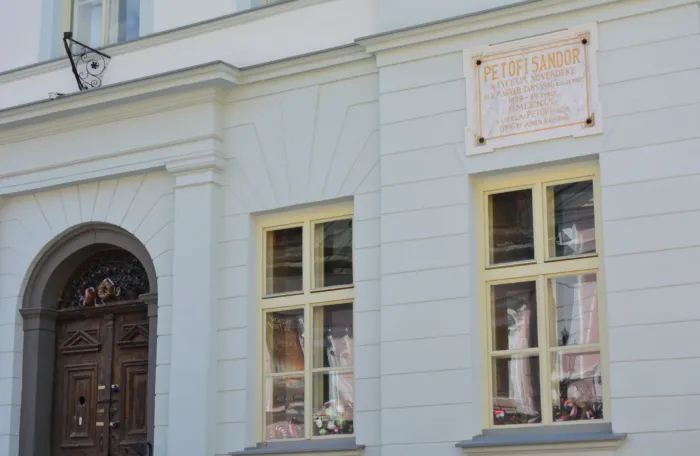

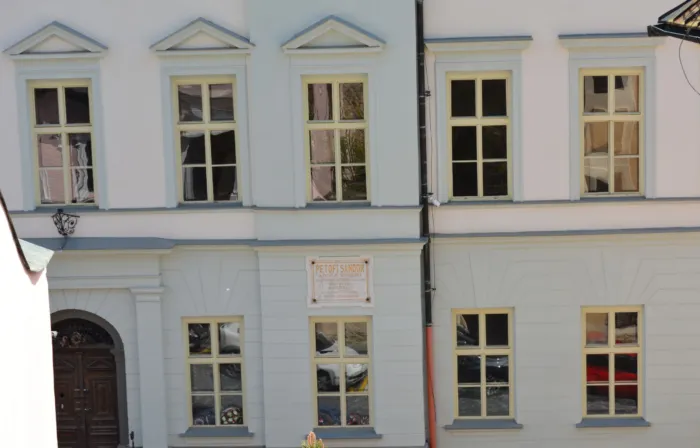
Sándor Petőfi memorial plaque in Selmecbánya
Statue, monument, memorial plaque
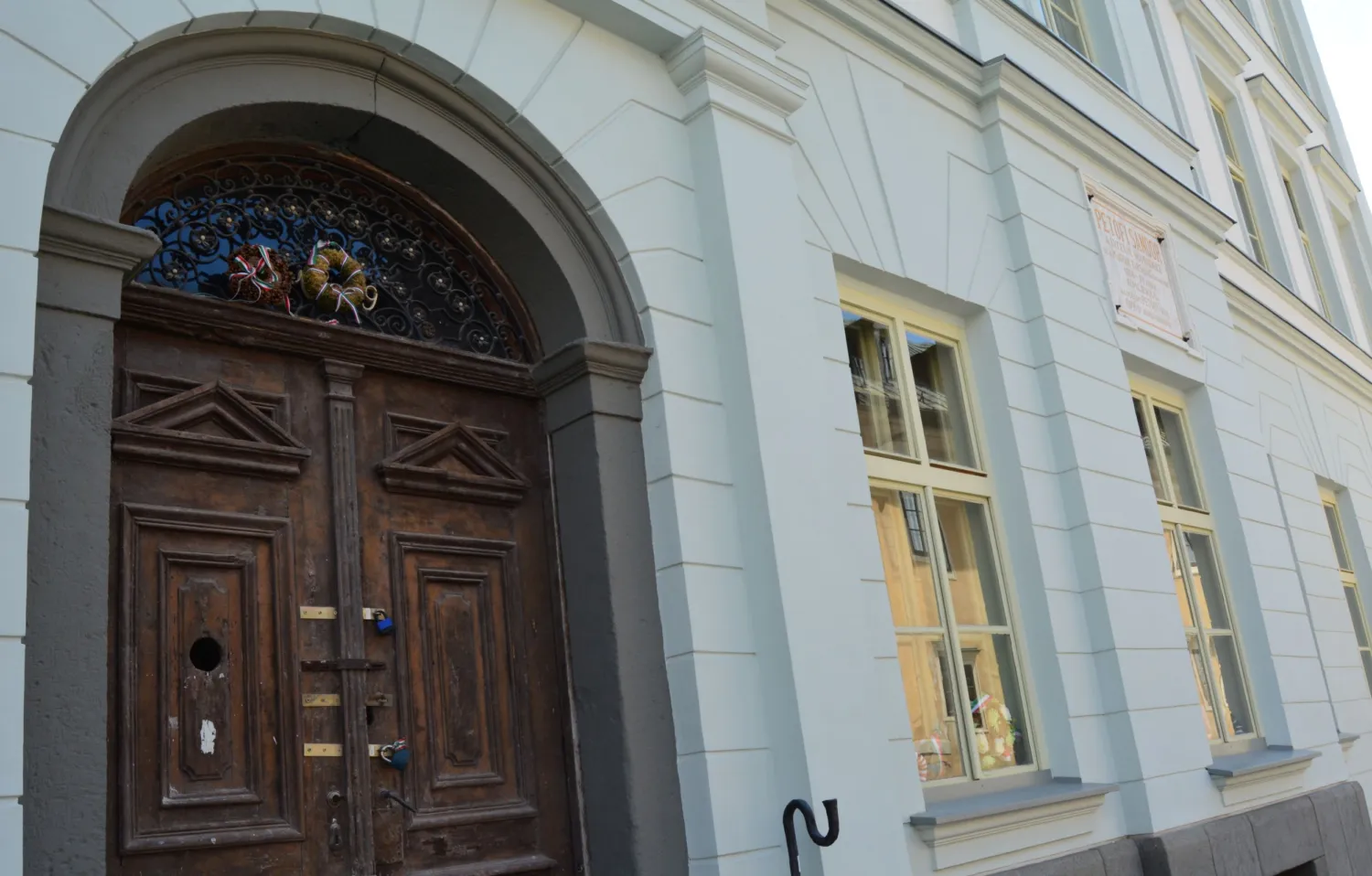
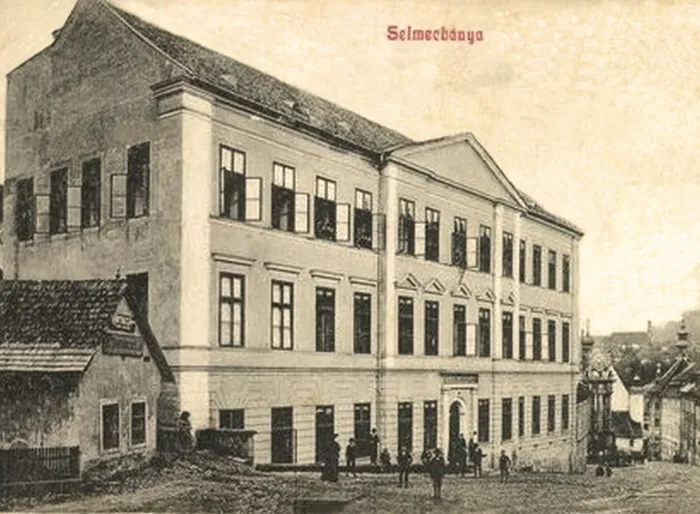
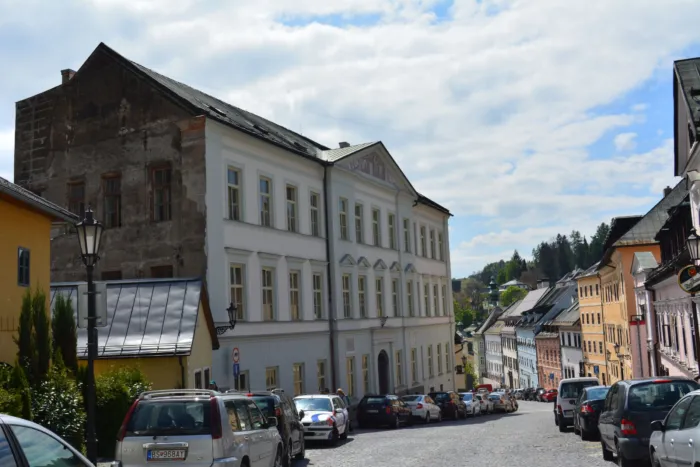
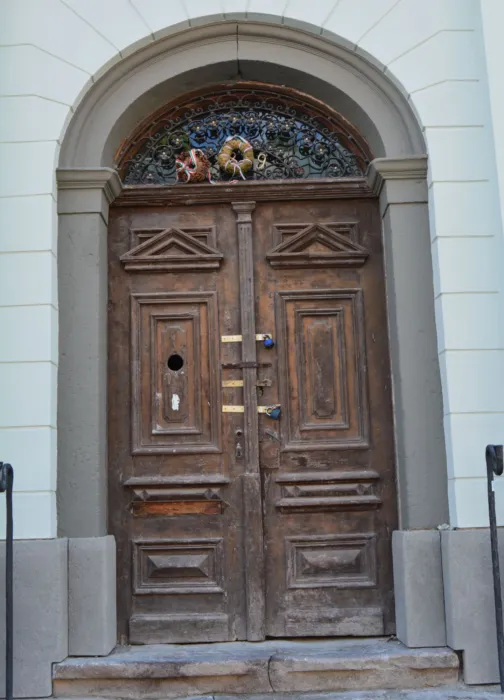
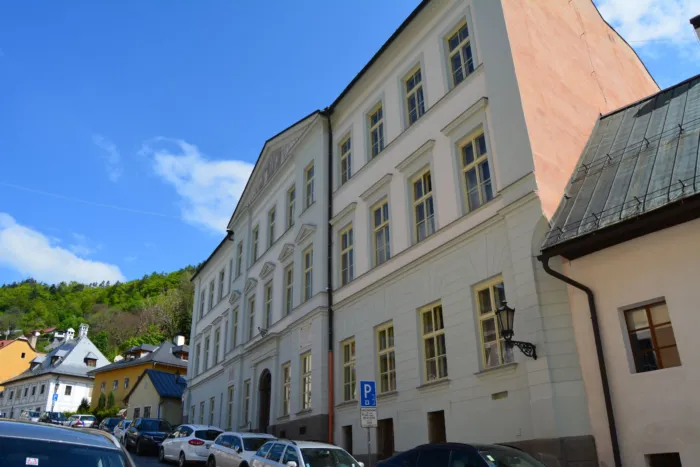
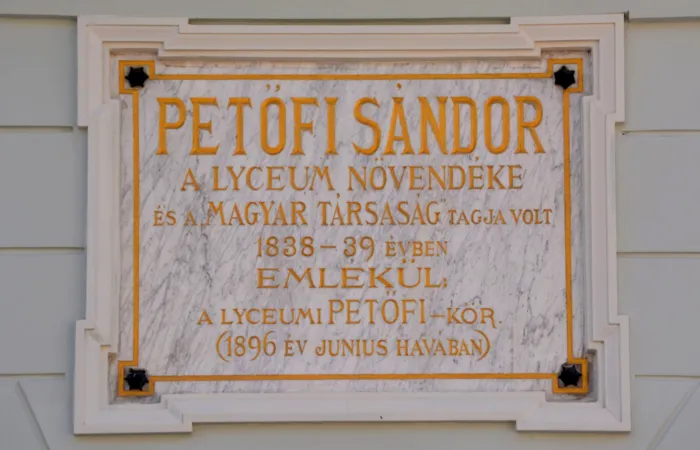
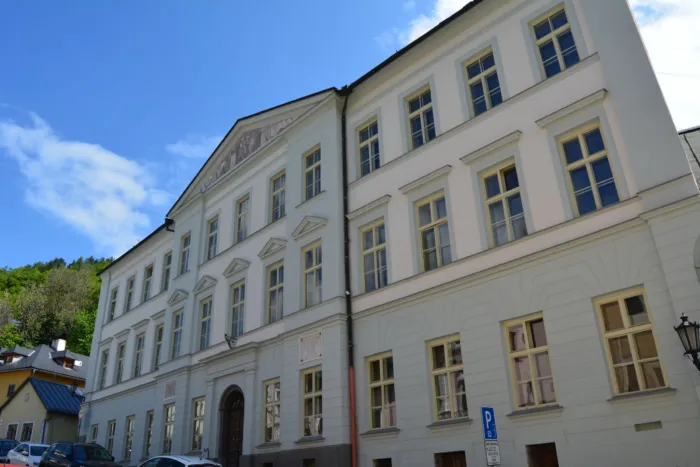
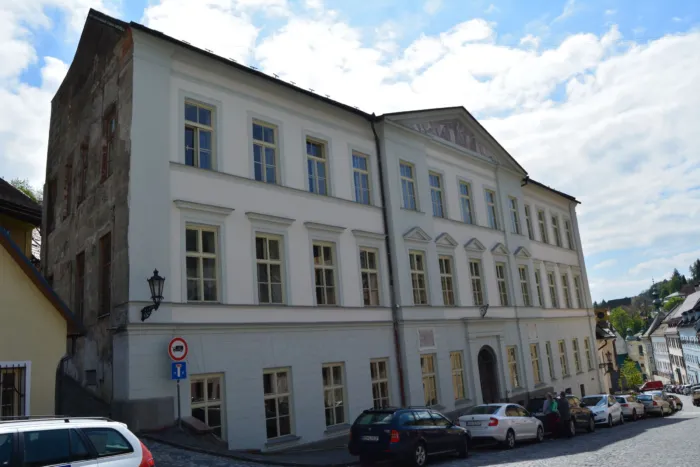
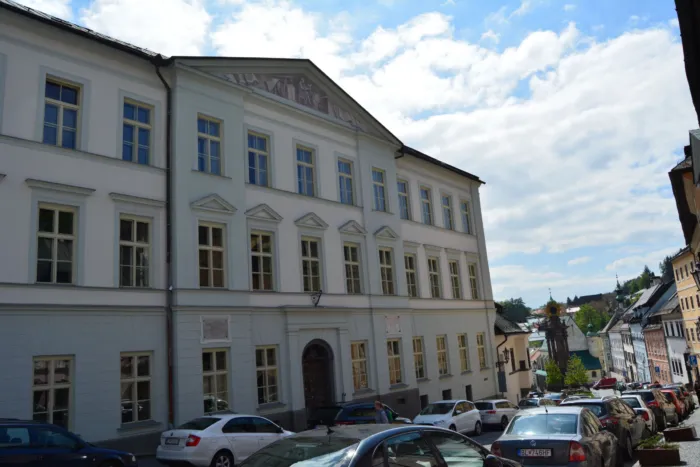
The Lutheran Lyceum, located on the right side of Szentháromság Square, dates back to the Reformation. Its new home, to which the building donated by the Kachelmann family was added in 1864, was purchased by the religious community itself in 1686. At the beginning of the 19th century, the building proved to be too small, so at the end of 1826 it was decided to demolish it and build a new one in its place. When the second floor was completed the following year, the church decided to “raise the building to 2 floors”. The modern building in the classicist style, which met the educational requirements of the time, was inaugurated on 25 June 1830. In the 1838/39 academic year, Sándor Petőfi also continued his studies in the new Lyceum building, who was admitted among the first-year rhetoricians. Their class “was the first on the right when entering the Lyceum gate”. He soon began to decline in his studies. He brought with him a certificate with excellent grades from Aszód, but he appeared to be a negligent student in his new school. One of his teachers discouraged him from studying. This teacher did not know Hungarian, hated Hungarians, founded the Tót literary circle against the Hungarian youth self-education association, nurtured a sense of Slavic solidarity, and sowed the seeds of nationalist agitation among the mostly Tót and German student youth. Petőfire resented him all the more because he saw him as a Slav who denied his race. In the Hungarian self-education circle, the poet enthusiastically recited, criticized, wrote poems, participated in literary debates, read a lot, mainly from the works of József Gvadányi, Mihály Csokonai Vitéz and Mihály Vörösmarty, and his interest in acting also flared up. He eagerly attended the performances of German actors who were in town, missed home in the evenings and, in order to buy his ticket, he turned his belongings into money. His landlord, a retired chamberlain, looked down on his absence, accused him to his teachers, informed his father, his teachers reprimanded him, and his father expressed his displeasure in a threatening letter. His educational career ended badly. His Panszláv teacher failed him in Hungarian history during the semester examinations held at the beginning of February 1839, and he also passed the exams with poor results in other subjects. His father now left him to his fate, refusing him any support. His wandering life began. He dropped out of school and set off towards Pest in the freezing winter weather, where he arrived in March 1839. ; The memorial plaque on the wall of the building was erected on June 8, 1896, by the Petőfi Circle of the Lyceum. There is also a memorial plaque erected in honor of the Slovak poet Andrej Sládkovič. Unfortunately, Mikszáth did not “get” a place here, although he also completed the last two grades of high school in the “yellow-whitewashed” lyceum. He often quoted the spirit of his great predecessor, for example, in his work entitled The Petőfi Legend in Selmecen, he wrote: “When evening descended on the peculiar city, when darkness swallowed the giant stones and filled the terrible ravines, when the hunched, hunched earth became a black roan, rustling shadows swayed, the leaves of the trees began to fly, and the night was filled with an imaginary buzz: then I often thought I saw the poet gliding by in a cloak, carrying his lute under his arm.”