
Petőfi House (Huszth House)
Building, structure
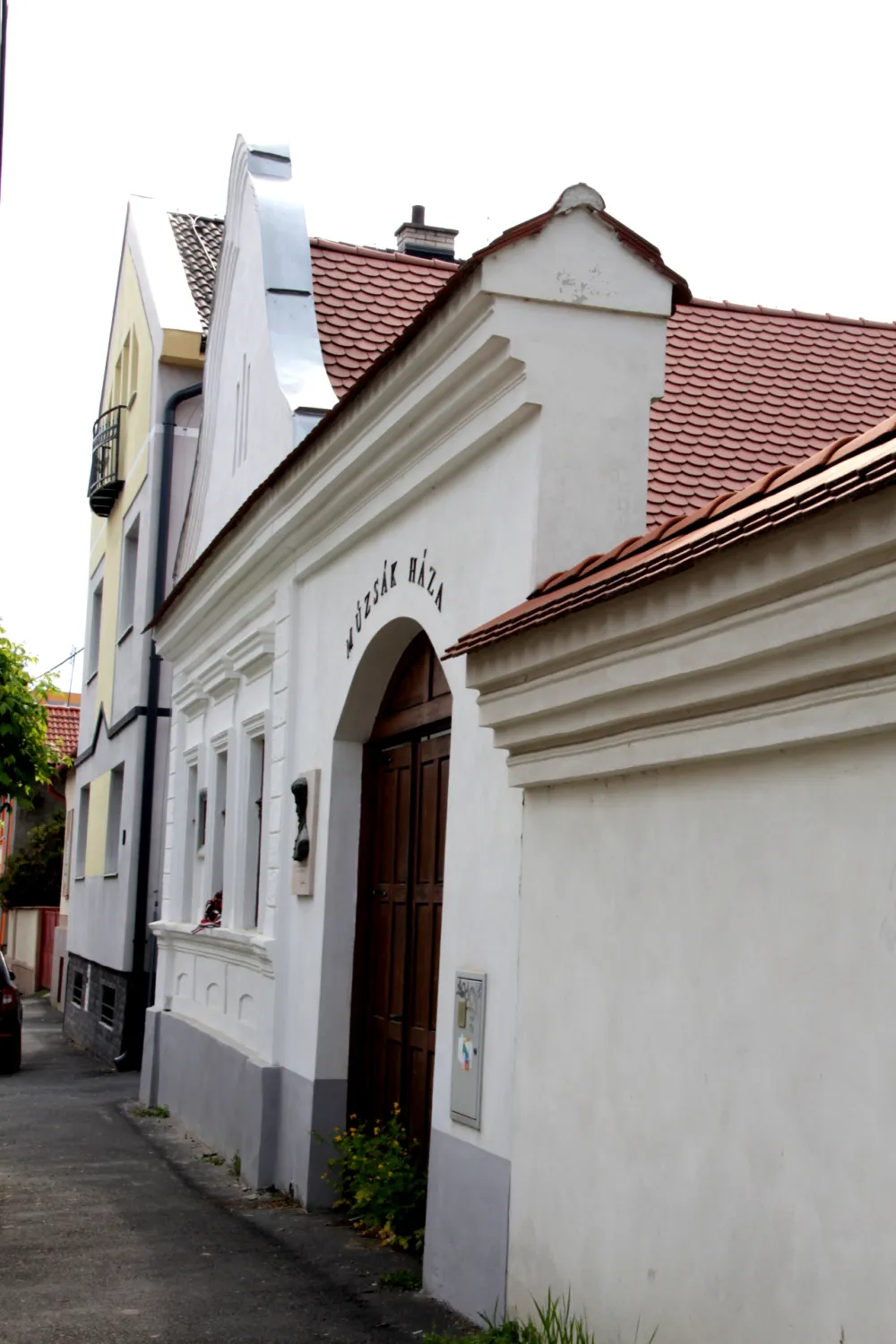
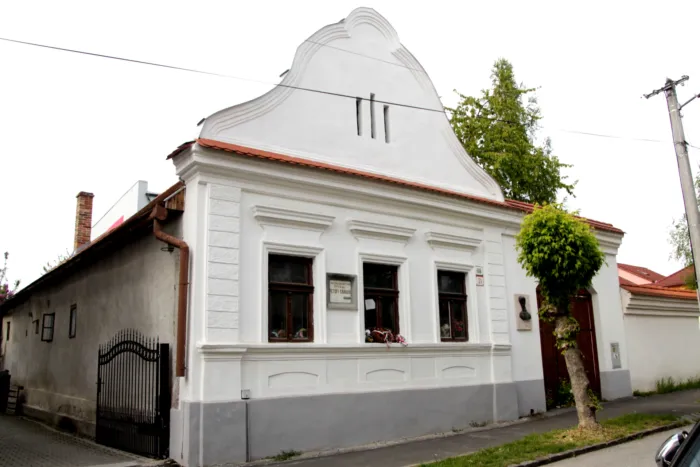
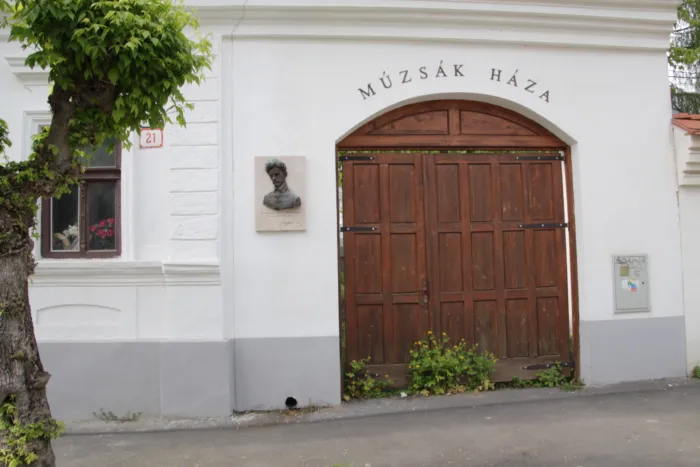
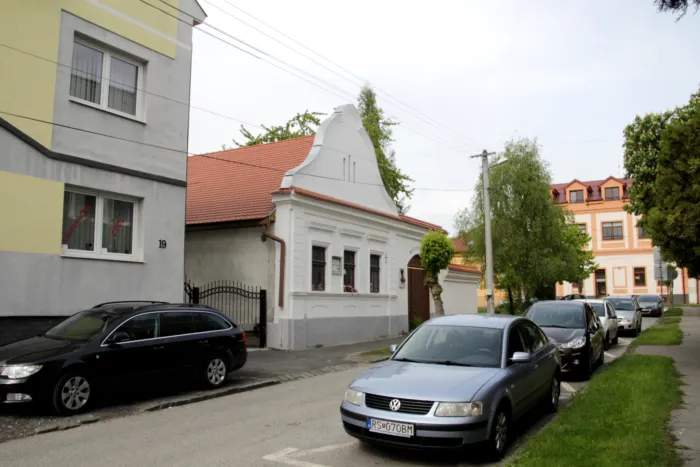
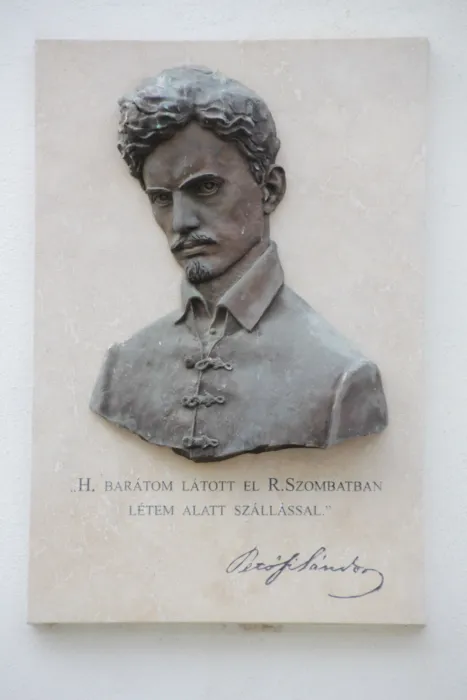
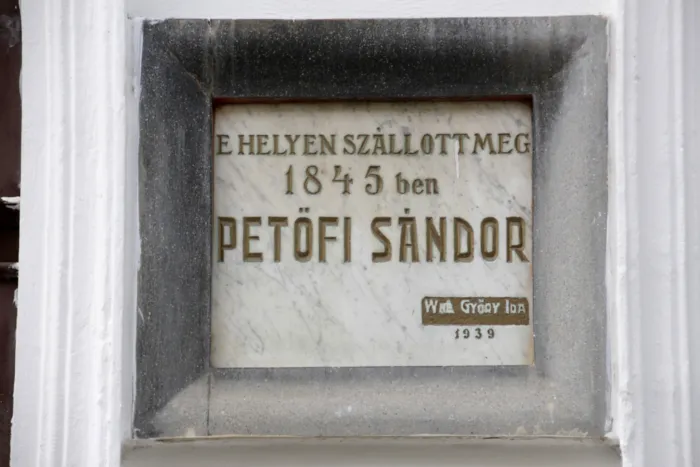
In Rimaszombat, on the former Oskola Street, which was named after the famous goldsmith József Szentpétery at the end of the 19th century and then after World War II, named after the Slovak national awakening leader Samo Tomášik, stands a modest cottage. It is called the Huszth House after its former owner, but the locals only refer to it as the Petőfi House. The spirit of the place makes it great: in March 1845, Sándor Petőfi, who was elected as the envoy in Rimaszombat by the enthusiastic population, spent a few nights here during his travels in the highlands. ; János Huszth was the chief prosecutor of Rimaszombat, and he gave Petőfi accommodation, as the hotels were full to capacity during the period of official renovation. ; In memory of Sándor Petőfi's notable stay in Rimaszombat, the mother of writer Dezső Győry, Ida Győry, marked the house with a memorial plaque in 1939, which can still be seen there today. ; The house was renovated in 2006 with part of the donations collected for the Petőfi statue and with the support of the Ministry of National Cultural Heritage. There is a permanent exhibition in the house. In addition to nurturing the Petőfi cult, a place was created for those distinguished creators, writers, poets, artists, scientists, actors, chosen ones of the muses, through whom the city became known, and who actively contributed to shaping the intellectual life of Rimaszombat. ; A permanent exhibition can be seen in five rooms of the house. One, in the small pitar, where Petőfi once slept, presents this cult. In the street room, representatives of the arts were given a place, from István Ferenczy to József Szentpétery to Gyula Rudnay, Ede Putra, and Sándor A. Tóth. In other words, the most distinguished. One by one, their works, their biographies, and their portraits can be seen here. In another room, a part of the literary traditions is revived, among others, the memory of Kálmán Mikszáth, Lajos Pósa, Dezső Győry, Viktor Szombathy was immortalized. ; The atrium of the attached part of the house housed two of our distinguished actresses, Lujza Blaha and Lujza Szatmári Ratkóczi, while the backmost room, which is a community room, once again serves the Petőfi cult, focusing on a forgotten cousin from Rimaszombat, Károly Berecz, who was a contemporary of Petőfi and a colleague of József Eötvös, a writer and newspaper editor. ; The house also deserves attention as a monument, as it is today the oldest standing building in Rimaszombat. The oldest part dates from the early 18th century and the late 17th century. It was constantly rebuilt, expanded and improved until the middle of the 20th century. Its facade is in peasant baroque style, built at the beginning of the 19th century at the latest.