
Church of St. John the Baptist in Pered
Building, structure
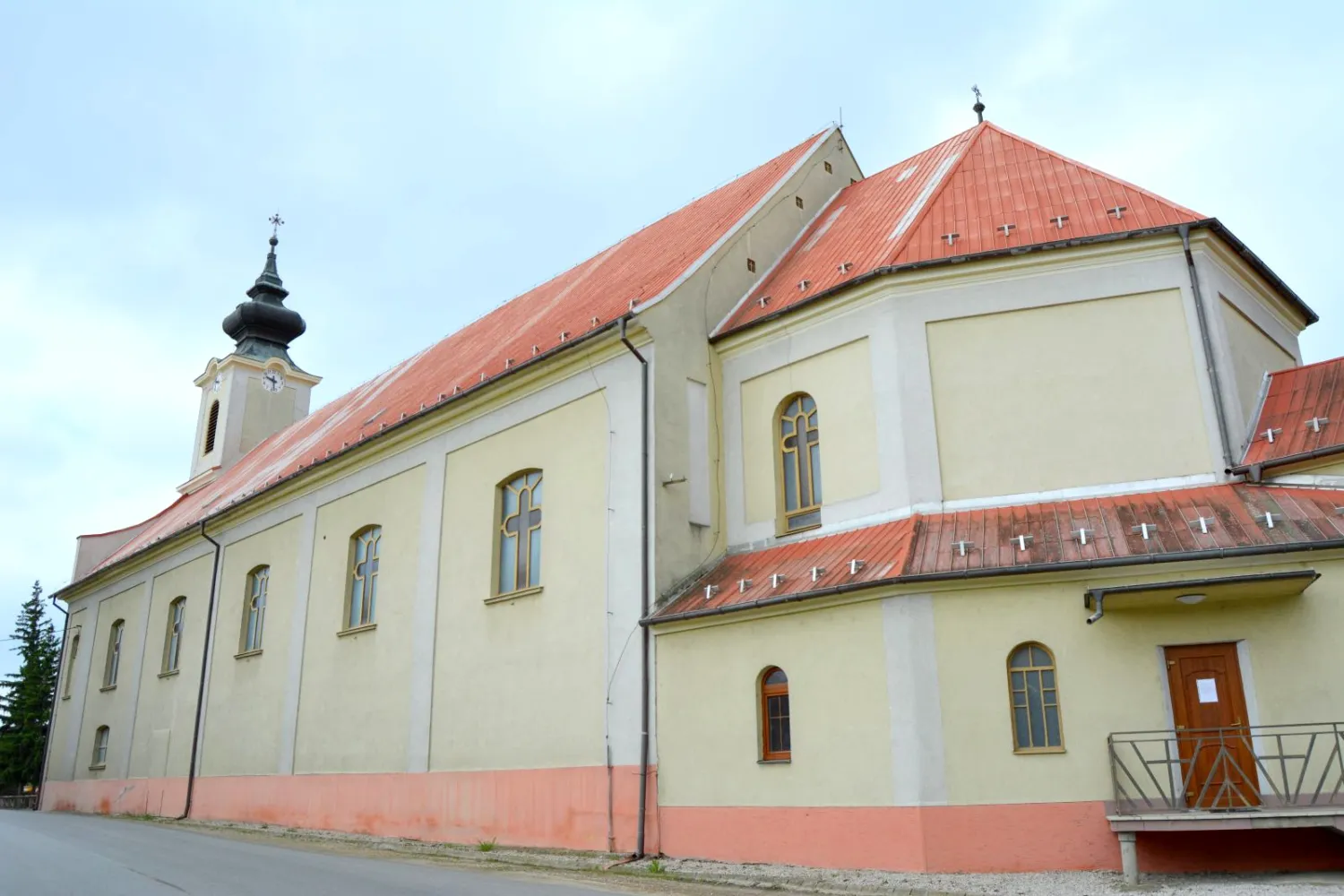
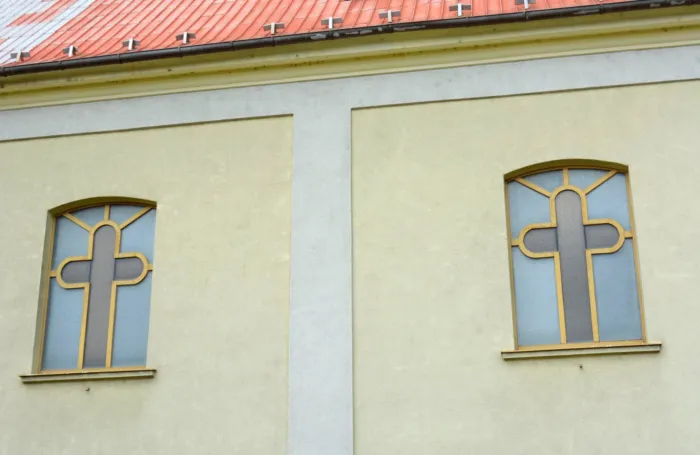
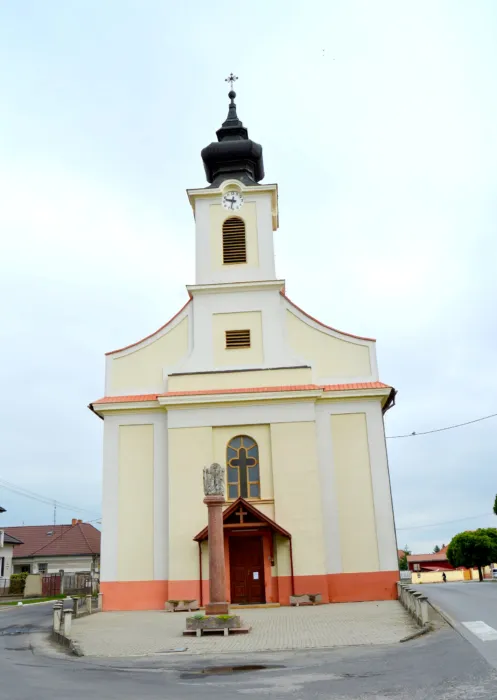
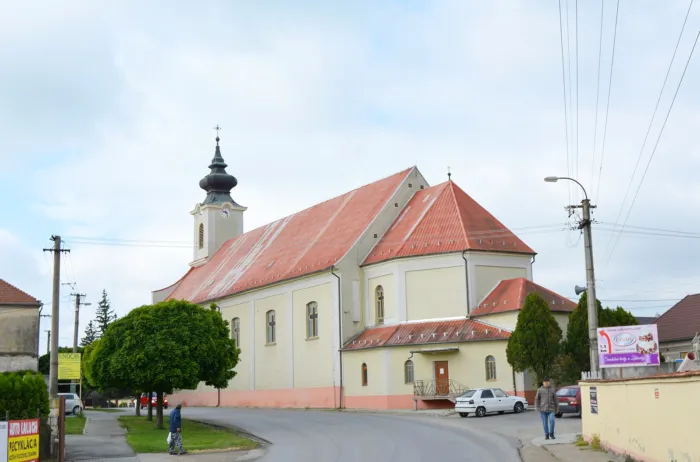
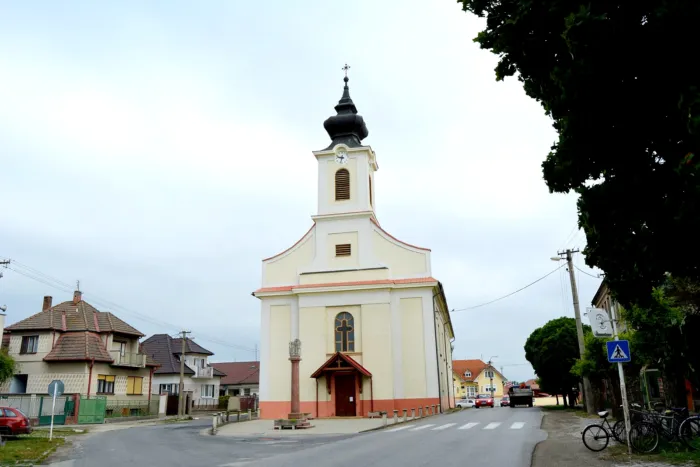
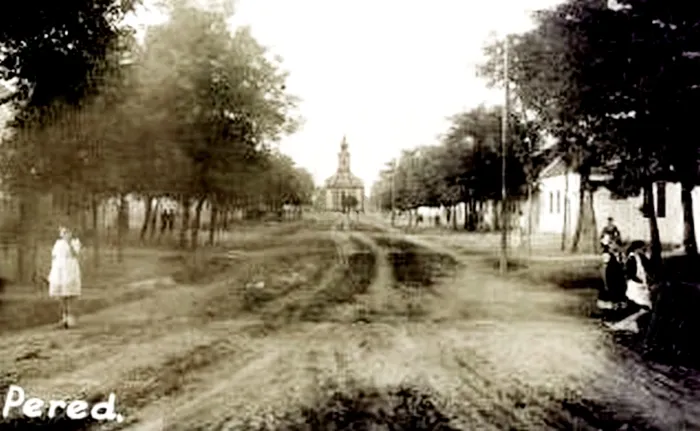
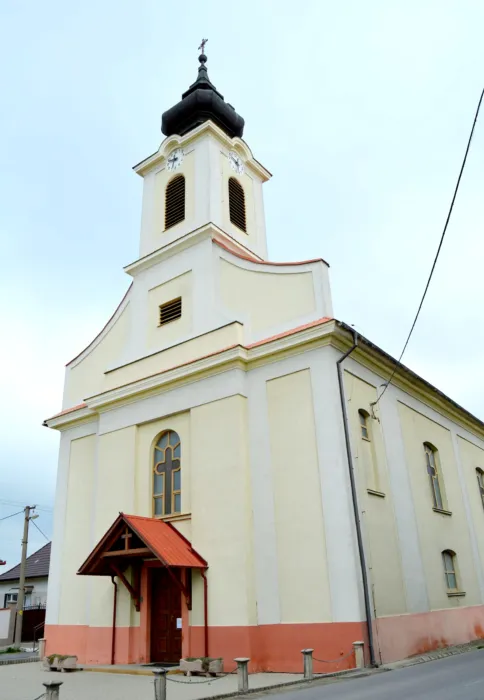
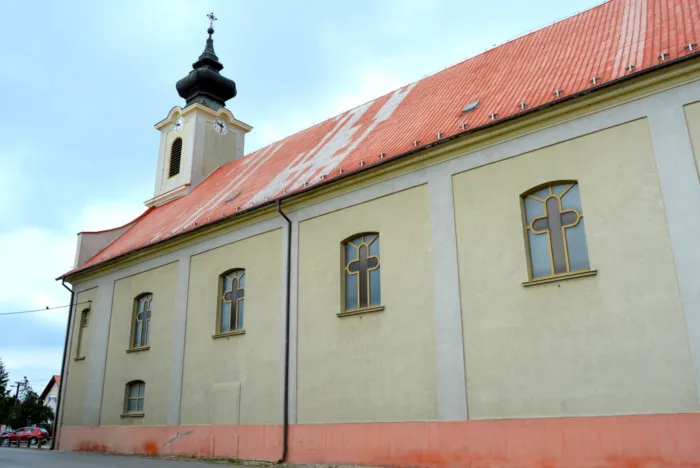
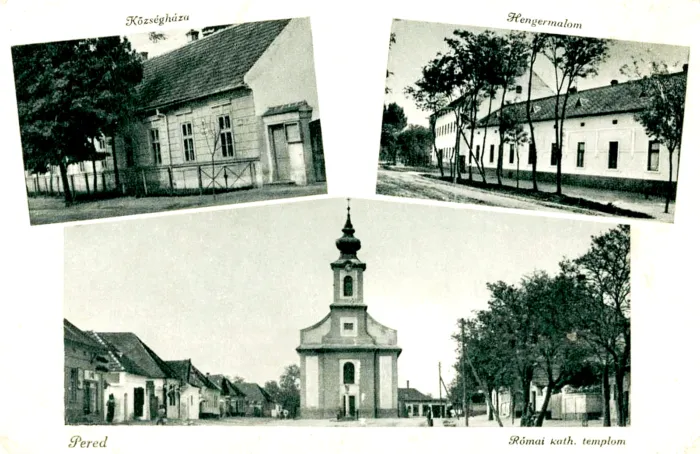
The first church in Pered was built in 1717 with the support of the Jesuit order of Nagyszombat. The church was dedicated to Saint Francis Xavier. It was built of brick, and its wooden tower had two small bells. Until the 16th century, the village was probably a daughter church of Deáki, then Sellye, in 1642 again of Deáki, and from 1728 of Zsigárd. ; Pered separated from the mother church of Zsigárd in 1803 and established its own church. Its first parish priest was János Grigely. The first church proved to be too small at the beginning of the 19th century, so on May 26, 1816, construction began on a new church, which was consecrated on October 11, 1820 in the presence of the archdeacon of Sered, Mihály Fekete. ; The church was built by György Schwartz, who was also responsible for the construction and reconstruction of several buildings of the Sellye manor. The church wall has cannonballs from the 1848-1849 War of Independence and the Battle of Pered on the outside. The current church was built in the classicist style. It is a single-nave, polygonal-closed building with an attached sacristy and a built-in tower. The sanctuary has a double arch. The sanctuary was rebuilt in the second half of the last century. The facades of the church are divided by wall frames and semicircular windows. The tower is located in the central axis of the pointed facade and forms a moderate projection. It is covered with a gabled roof. ; The current altarpiece is the work of an Austrian painter, depicting Saint John the Baptist, and was added in the second half of the 19th century to replace the altarpiece that was brought to the church from the Pauline Order of Elephants during the construction of the church. The sanctuary and the font were made by the sculptor Bertalan Minius from Nitra. Some of the paintings in the church are the work of the painter Gáspár Schneider from Nagyszombat. ; The first organ of the Pered church was made in 1824, the work of the Buda master Mátyás Vonberger, and was renovated after World War I. The side altar of the Seven Sorrows is from the 19th century, and below it the Holy Sepulchre with the body of the dead Christ can be seen. The side altar of the Heart of Jesus is a late Gothic work, with angels on the sides. It was originally in the monastery chapel in Pered. The side altar of the Virgin Mary of Lourdes was built at the turn of the 19th and 20th centuries. The side altar of the Virgin Mary with the Rosary is in the late Gothic style. The gallery - the grand choir - was built in 1926. The organ is also located here. The vault is decorated with frescoes by Vilmos Takáts created in 1952. There are numerous wall sculptures in the nave, e.g. of Saint Teresa, Saint Anthony. Several famous sculptures can also be seen here, e.g. of Saint Francis, Saint Bernadette, Saint Joseph, Saint Elizabeth and Saint Margaret. A large statue depicts Saint John and Saint Andrew. ; The pulpit, which is made of wood, is a classicist work from the time the church was built, is square, and its parapet is decorated with multi-colored wood carvings. Next to the baptismal font is the image of the Virgin Mary with the Rosary - a copy of the original painting from the second half of the 19th century. The 14 Stations of the Cross of Christ are placed on the inner sides of the nave. On the left side of the church entrance, a 180 cm high picture hangs on the wall. It depicts the Virgin Mary with the baby Jesus. This picture was made in memory of the victims of the cholera epidemic of 1866. To the right of the entrance is a memorial plaque for the victims of World War II. Above it is a relief by the sculptor Gyula Berecz from Komárom, depicting the dead Christ and the weeping Mary Magdalene. This is a cast based on one of the Stations of the Cross in the St. Andrew's Church in Komárom. The wooden relief depicting St. Rita is from Wilovsky. On the right side of the sacristy, as you enter the church, there is a classicist bell attached to the wall, probably from the time the church was built. The chalices were made in 1820 and 1865. According to oral tradition, the first sacristy was stolen and thrown into a well. A new sacristy was then made, which is still in use today. The bells are in the church tower. The original bells were used for military purposes during World War I, and new bells were then put in their place. The largest, the old bell, was made in 1921, the middle, the family bell was also made in 1921, the original small bell is from the same time, which - after it cracked - was recast in 1960.