
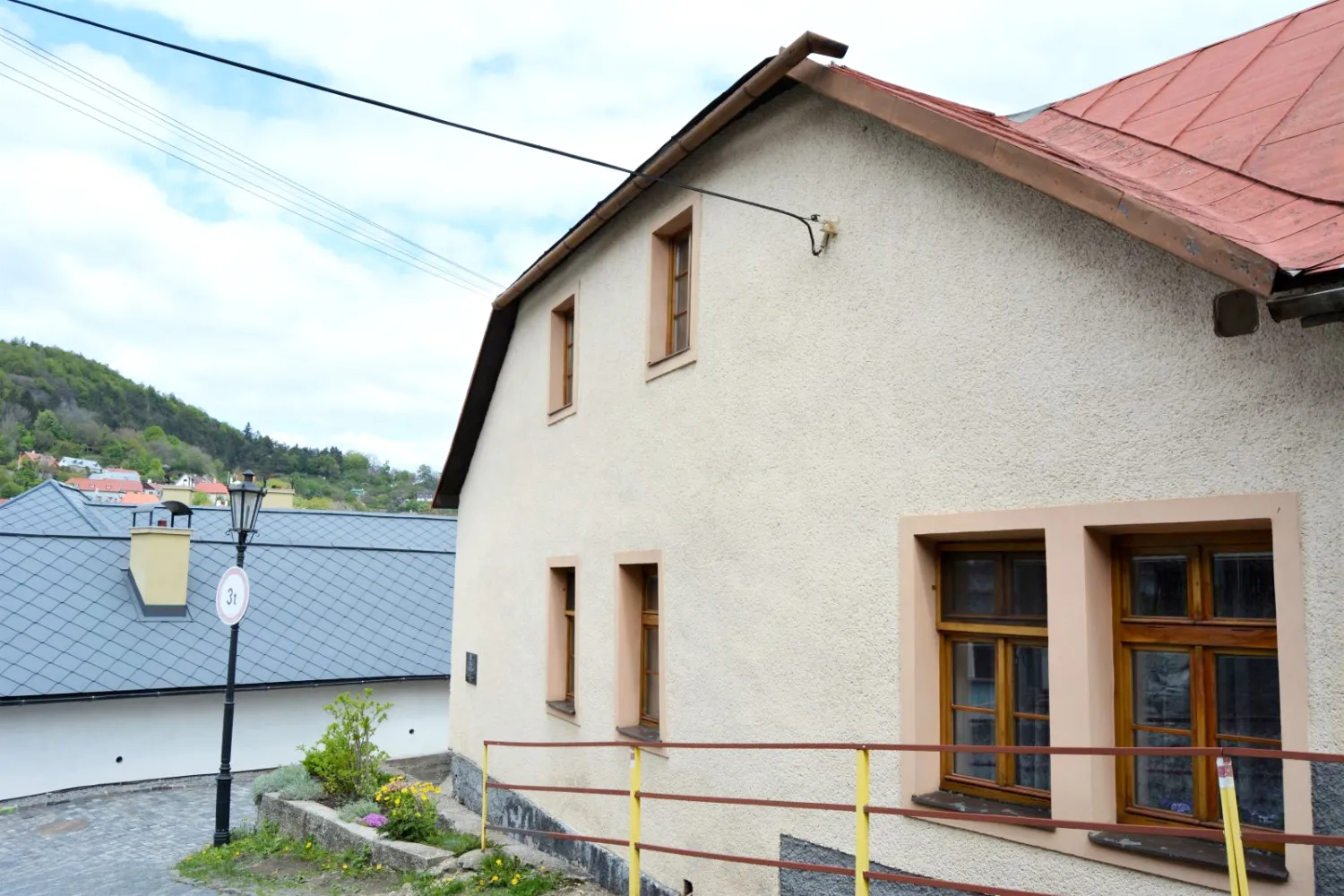
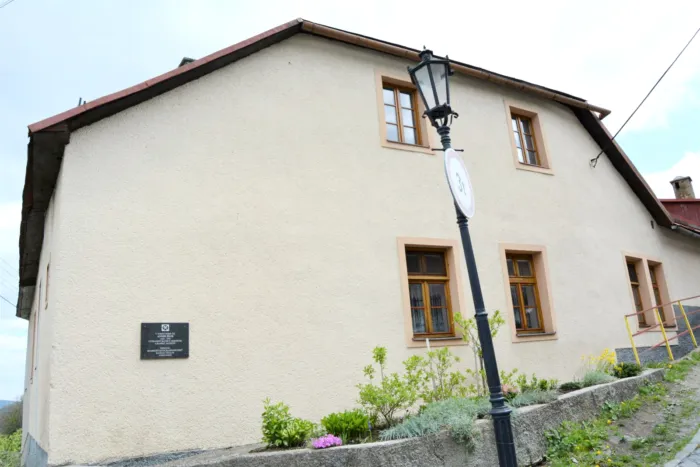
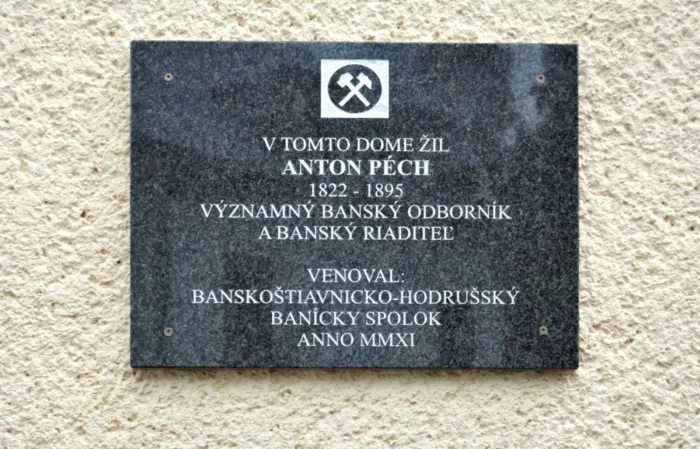
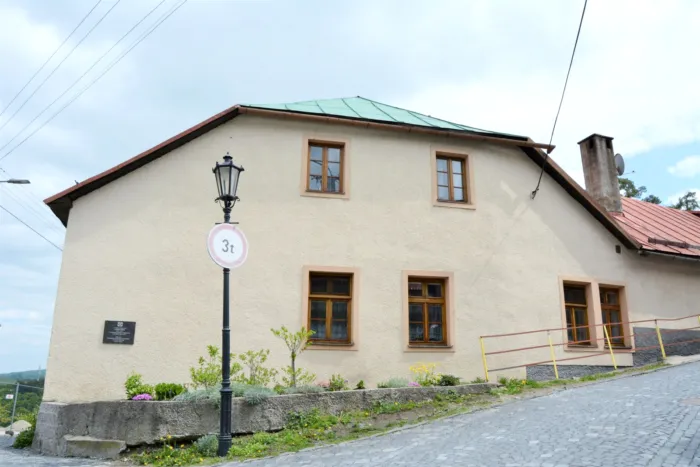
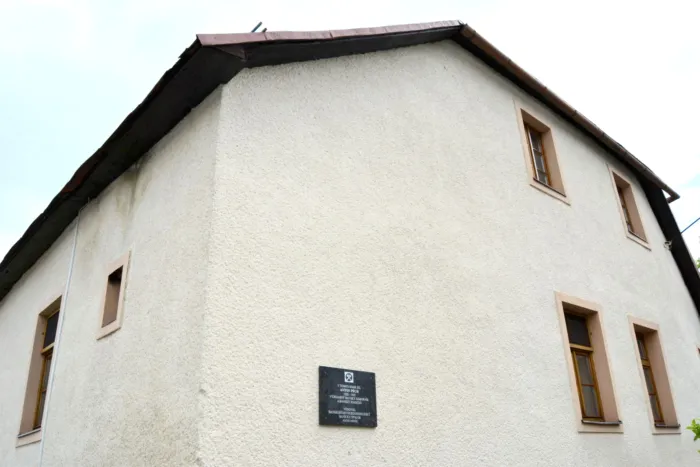
Antal Péch's house in Bánya Selmec
Building, structure
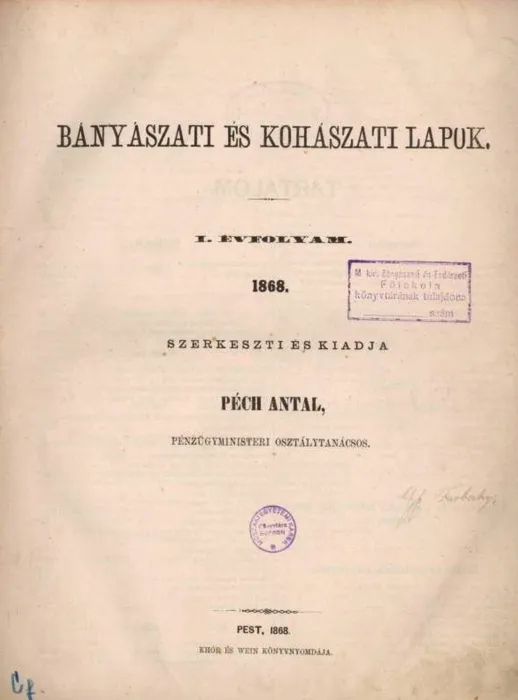
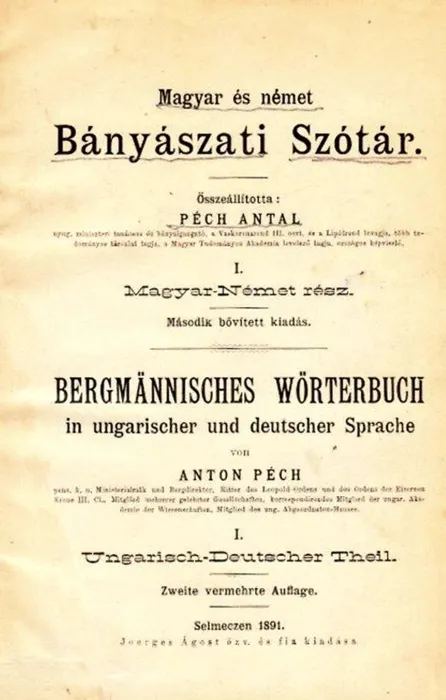
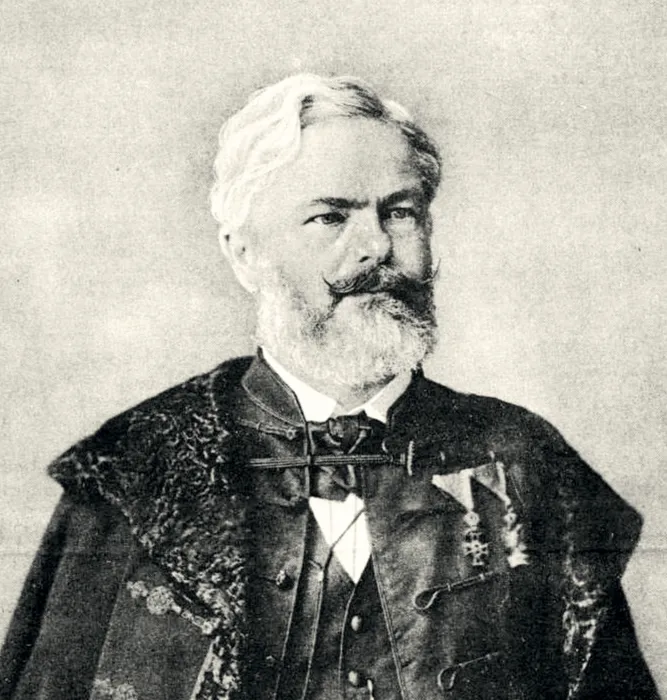
ANTAL PÉCH (Nagyváradolaszi, June 14, 1822 – Selmecbánya, September 18, 1895): mining engineer, professional writer, the most significant Hungarian mining engineer of the second half of the 19th century. ; His father, Antal Péch and his mother, Walter Francziska, lived their bourgeois lives in Nagyvárad. He initially attended school in Latin in Nagyvárad, later in Timisoara, in German. He completed his liberal arts degree in Nagyvárad in 1838. That same year, he arrived at the Mining Academy in Selmecbánya, where he graduated from the mining major with a scholarship after diligent study and with an excellent final certificate in 1842. ; After graduating from the Academy, he entered the treasury service. He was appointed as an apprentice in the Imperial-Royal Chamber of Mines on June 28, 1842. He took the oath of office on October 6 and was employed in crushing plants. In 1844, he was entrusted with the management of the Cristina mine and the Gedeon deposit in Bánya Selmec. In the same year, his management was extended to the Hoffer deposit. In 1846, he was transferred to Joachimsthal (today: Jahimov) in the Saxon Ore Mountains, where he supervised the construction of new crushing plants. In 1847, he was appointed as a mining officer by the Royal Chamber and transferred to Bánya Körmöcs. In 1848, he was assigned to the Ministry of Finance as a draftsman for the mining department. In 1849, on the orders of the Hungarian government (as a sign of his patriotic loyalty), he risked his life to have the machines, equipment and supplies of the mint in Krömöcbánya transported to Debrecen. ; After the surrender in Világos, he was not sentenced to prison, but he lost his job, which caused him great financial losses. He was only able to find a job in mid-1850, when he was invited to become the director of a private mine near Töplicz. In 1851, he took over the management of the coal mines owned by the Klein brothers in Ostrau (now Ostrava) in Moravia. In 1853, homesickness brought him back to Hungary, but he did not get a job suitable for his profession, so he took a job as a daily wage engineer at the Tisza regulation, where his younger brother, József, was employed as an engineer. In 1855 he returned to Bohemia, where he applied for and was awarded the position of director of the Schatzal coal mines. In January 1858 he was invited to be the director of the Bochum coal mines in the Ruhr region in Germany, where he held the position until 1862. In that year he became the director of the Mátra Mining Association in Recsken. In 1865 he leased the coal mine owned by Count György Károlyi in the village of Nemti, Nógrád County. ; In 1867 he was appointed secretary to the Ministry of Finance, and then in 1873 he was appointed ministerial councilor there. He participated in the establishment of the Vajdahunyad ironworks and the development of the Zsilvölgy coal mining. He was entrusted with accelerating the completion of the József II. József mine in Selmecbánya. He made contributions to the centralization of metallurgy in Selmec. With his work, he was able to prevent the closure of the mining industry in Úrvölgy. After his retirement, in 1883 he was elected as the parliamentary representative of the free royal city of Selmec and Bélabánya. He was the editor and writer of the mining section of the Pallas Encyclopedia. ; In 1867, relying on his own financial strength, he founded the journal Bányászati és Kohászati Lapok and was its publisher for three years in Pest. With this, he created the first regularly published scientific mining publication. In this paper, which was initially published biweekly, later monthly, space was given to the studies of domestic theoretical experts as well as the experiences of practical experts. The paper published current news about domestic and foreign events related to mining and metallurgy, and introduced domestic and foreign inventions, new processes and advertisements. The publication of the paper was taken over by the Royal Hungarian Academy of Mining and Forestry in Selmec in 1871. For his work in creating scientific literature and his individual scientific research, which was aimed at observing the movements of the earth's crust (geomechanics), he was elected a corresponding member of the Hungarian Academy of Sciences in 1879. He was a founding and honorary member of the National Hungarian Mining and Metallurgical Association. In 1894, the greeting "Good luck in mining and metallurgy" was introduced at his suggestion. ; His grave is located in the Upper Evangelical Cemetery (Úritemető) in Selmecbánya. His house in Selmec was marked only with a Slovak-language sign, with his name Slovakized according to the latest fashion. ; ; Honors: ; In 1870, the Order of the Iron Crown. ; In 1878, he was an honorary citizen of Selmecbánya. ; In 1879, he was awarded the Knight's Cross of Lipótrend. ; In 1857, he was awarded the Grand Prize of the Hungarian Academy of Sciences. ; In 1863, he was awarded the Grand Prize of the Hungarian Academy of Sciences. ; ; Outstanding literary works: ; Theory of ore preparation. Selmec. 1869. ; Report on the condition of the state mines and smelters of the Selmec and Diósgyőr districts. Budapest. 1873 ; Compilation of mine maps. Budapest. 1878 ; Hungarian-German and German-Hungarian Mining Dictionary. Budapest. 1879, 1890 ; Hungarian and German mining dictionary. Selmec. 1879 (MEK) ; The influence of the progress of science on mining in the Selmec region. Budapest. 1881 (REAL-EOD) ; History of mining in Lower Hungary. Selmecbánya-Budapest. 1884-1887 (MEK) ; The past, present and future of mining in Selmec. Budapest. 1884, 1887 ; Hungarian and German mining dictionary.. Selmecz. 1891 (REAL-EOD)