
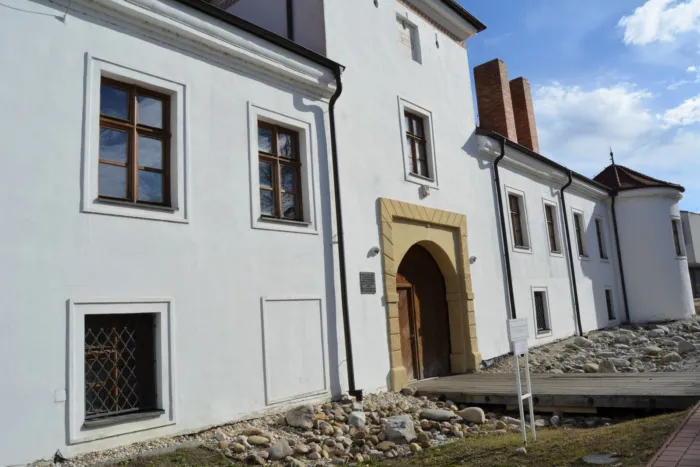
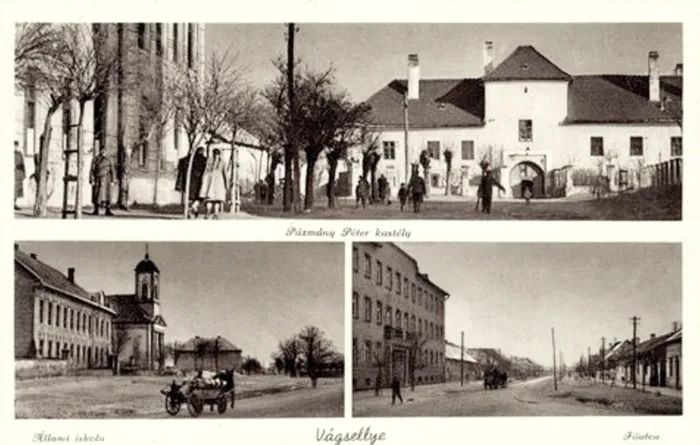
Pázmány Castle in Vágsellye
Building, structure
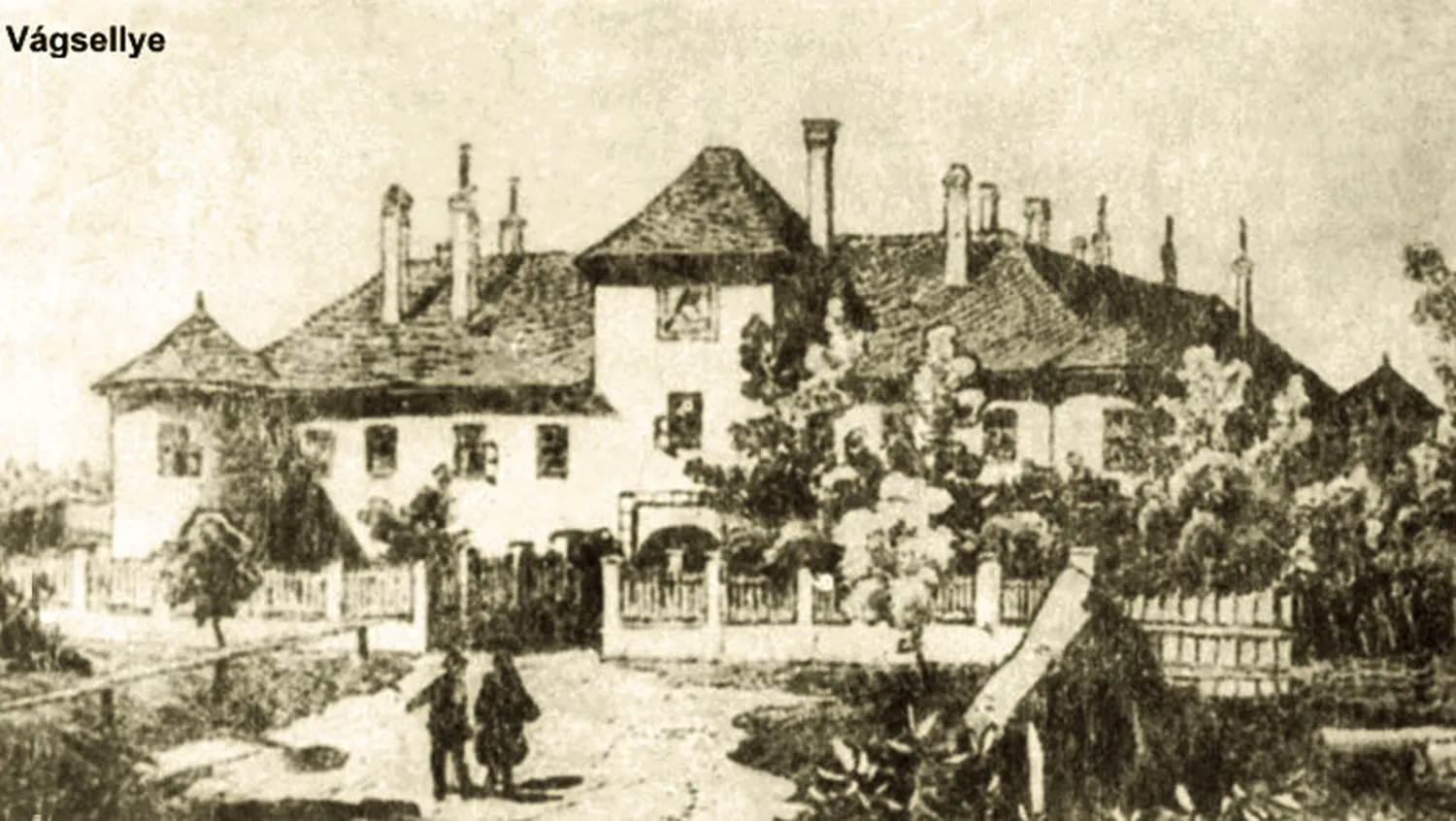
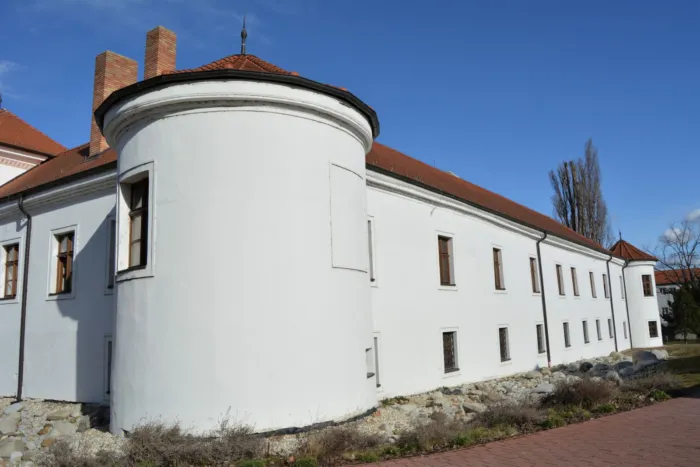
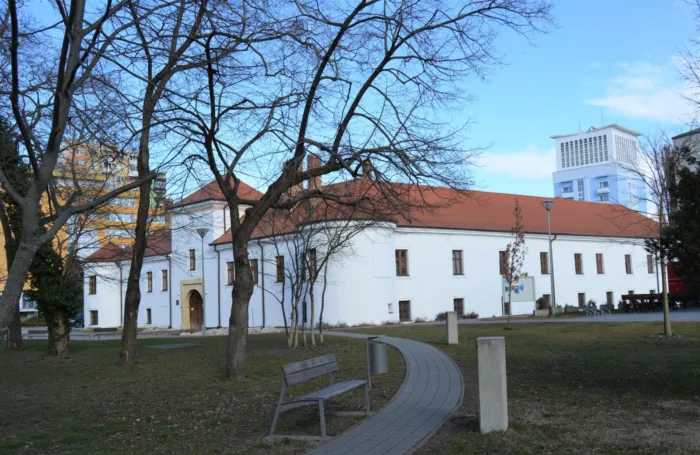
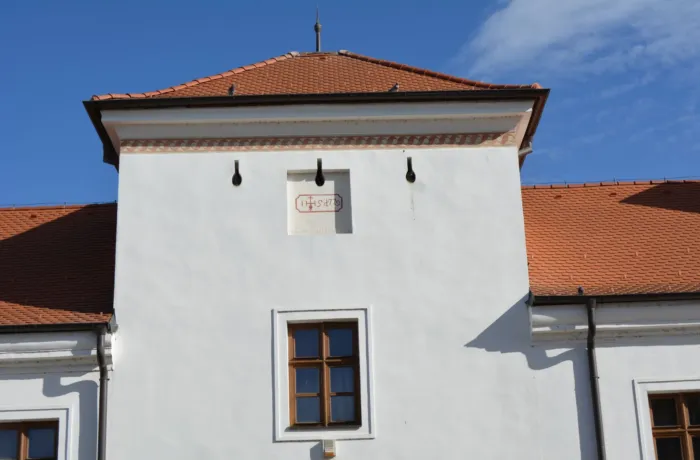
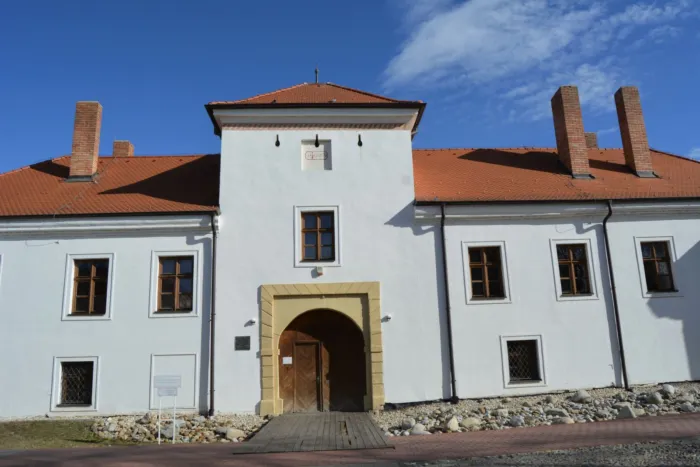
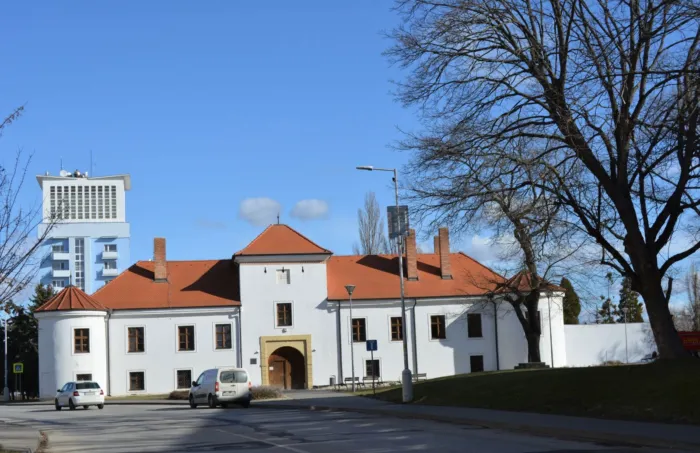
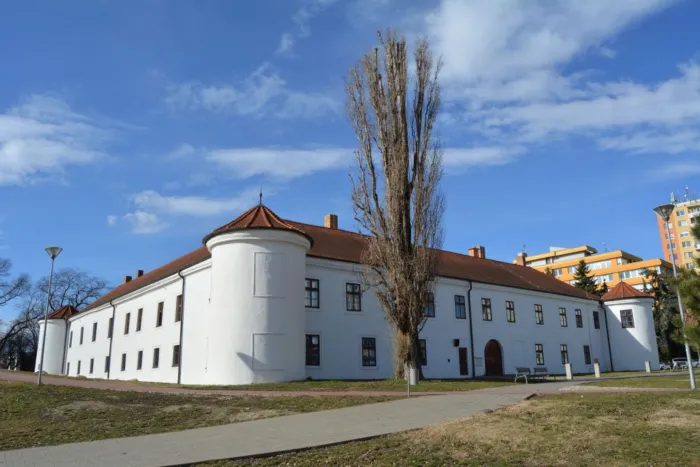
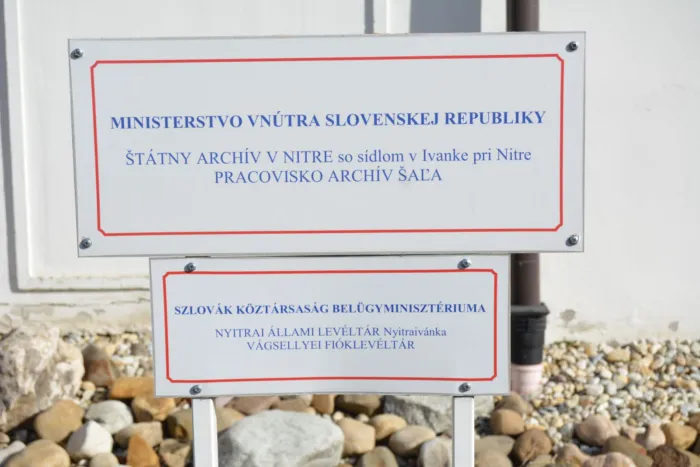
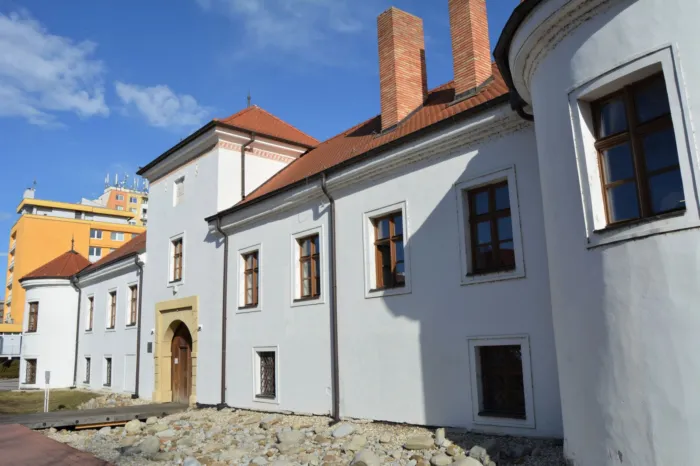
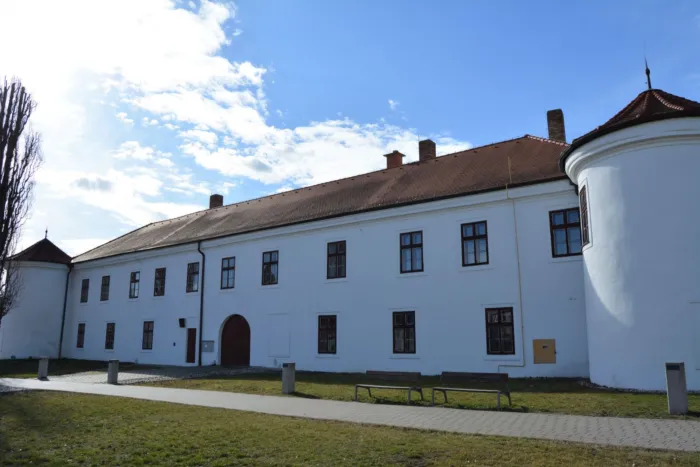
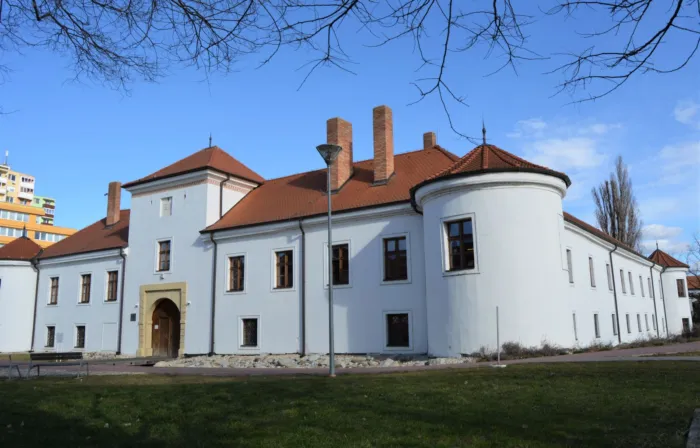
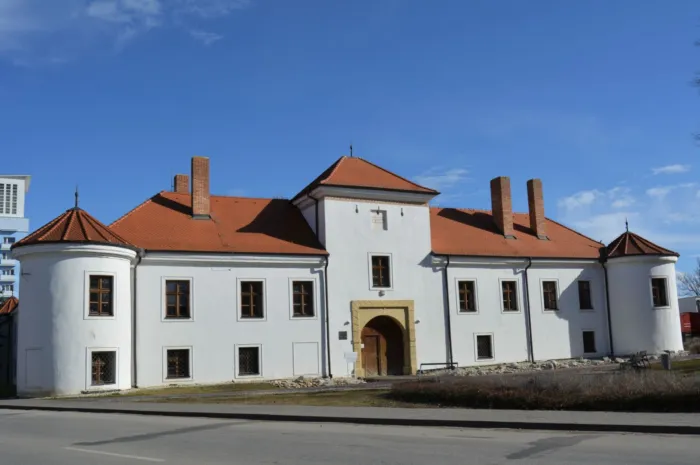
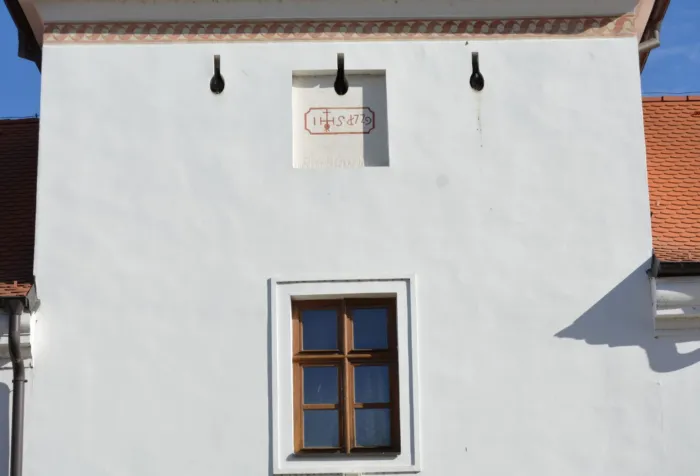
In the Middle Ages, the Bohemian road (Via Bohemica) led here. Béla IV donated Vágsellyé and its surroundings to the Premontre monastery of Turóc. In 1522, the settlement received privileges from the provost of Turóc, Uriel Majthényi. In 1536, Ferdinand I raised it to the rank of a market town. In 1586, the town came under the control of the Jesuits, who moved their college here from Znióváralj in 1598. ; A moated castle once stood in Vágsellyé. In the 16th century, a Renaissance castle was built on its site, based on the plans of Kilián Syroth of Milan, and modeled on the castle of the Thurzó family in Nagybicces. Its importance increased after the fall of Esztergom, when it became part of the border castle system in the area. The Jesuits opened two classes in the first year, and the following year, all teaching continued here. The Jesuits' correspondence reveals interesting information. We learn that one reason for the relocation was that Vágsellye was close to Vienna, and another was that the town and its surroundings were Hungarian, and they hoped that Hungarian nobles would more easily send their children to the college. The numbers prove that they were not mistaken: in 1600, there were already 400 students in the Vágsellye college. It soon became a favorite resting place for Péter Pázmány, Archbishop of Esztergom. He exchanged the bustling life of Nagyszombat for the relaxation of Vágsellye in the summer. The Pázmány Castle was then a four-winged building. The Jesuit college operated in the city until 1604, when it was closed down by the Bocskai Uprising. ; in 1663, after the fall of Érsekújvár, the castle also fell into Turkish hands until 1686. After the Turkish destruction of 1661 and 1663, only 30 of the 300 houses in the town remained. In 1692, the settlement received the right to hold a fair. The current form of the castle is dominated by the Baroque style. ; It was declared a monument in 1963. The renovation of the castle began in 1972. The exterior renovation of the building was completed in 1999. Currently, the building houses the branch archive of the Bratislava State Archives of the Slovak Ministry of the Interior.