
Palugyay Palace
Building, structure
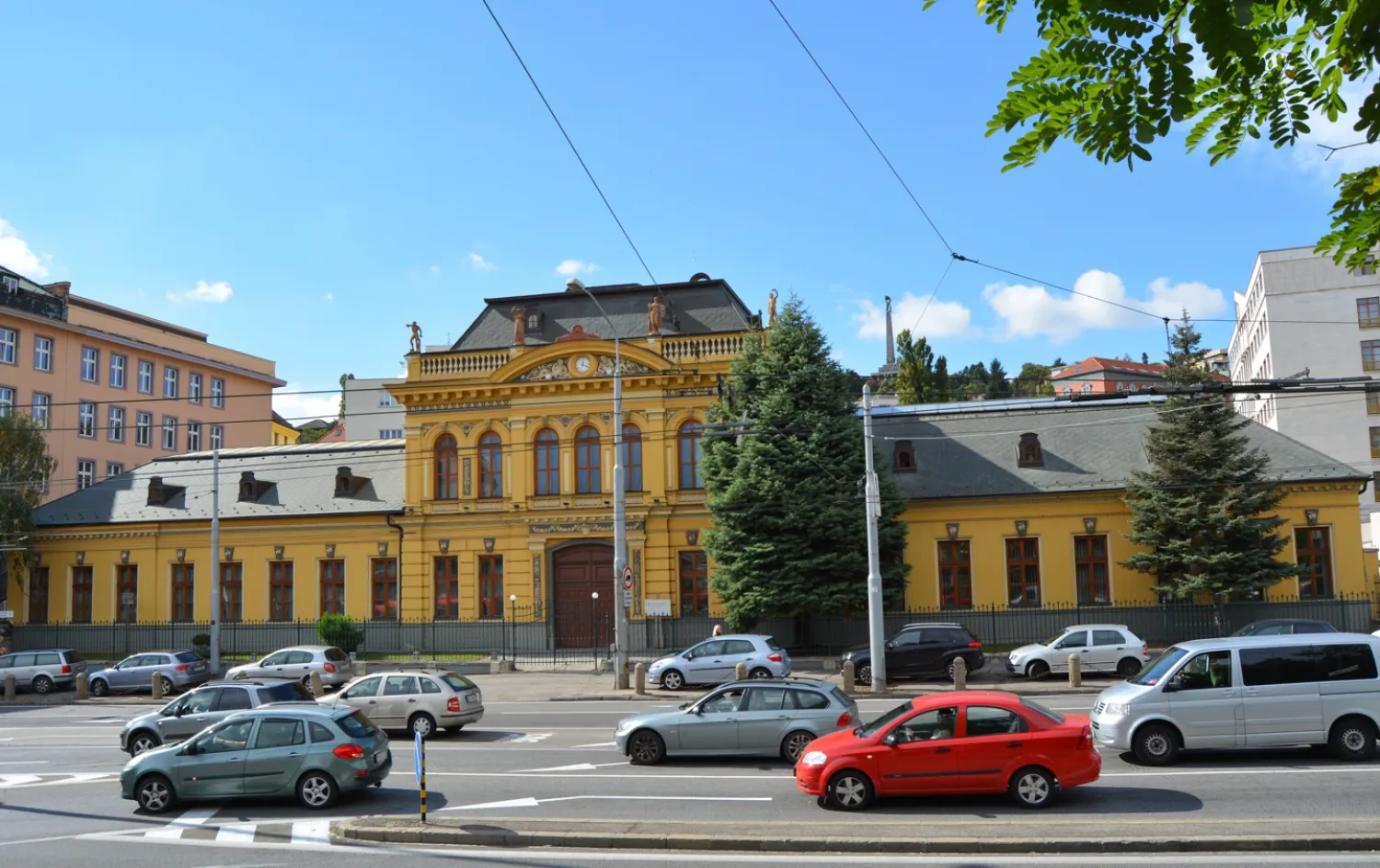
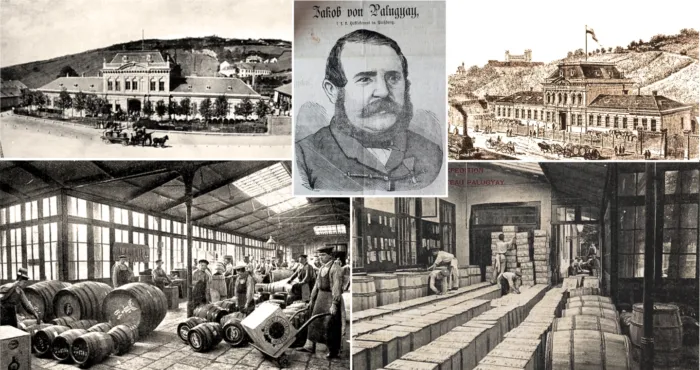
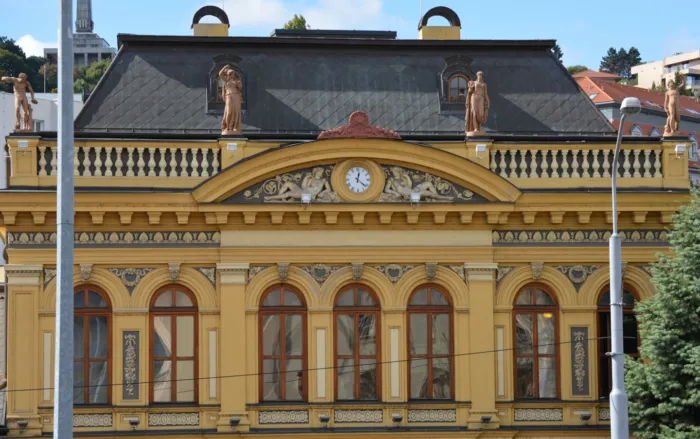
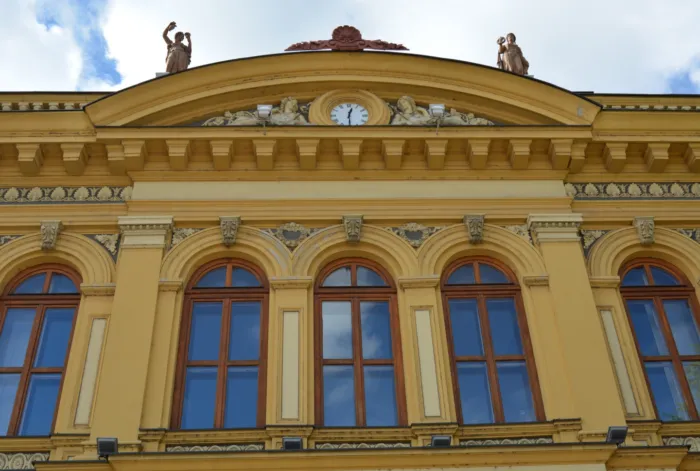
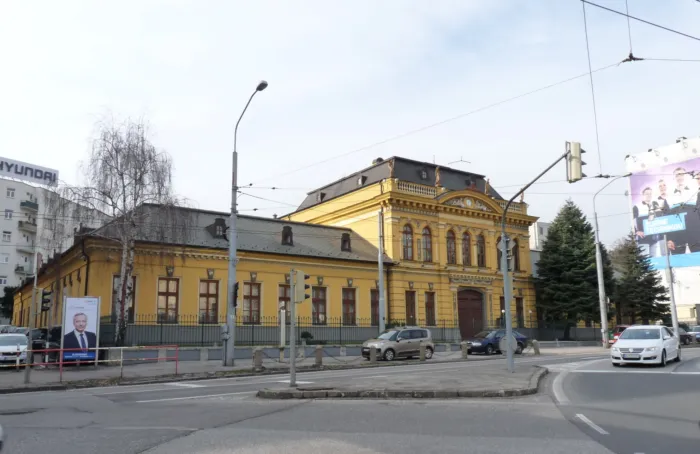
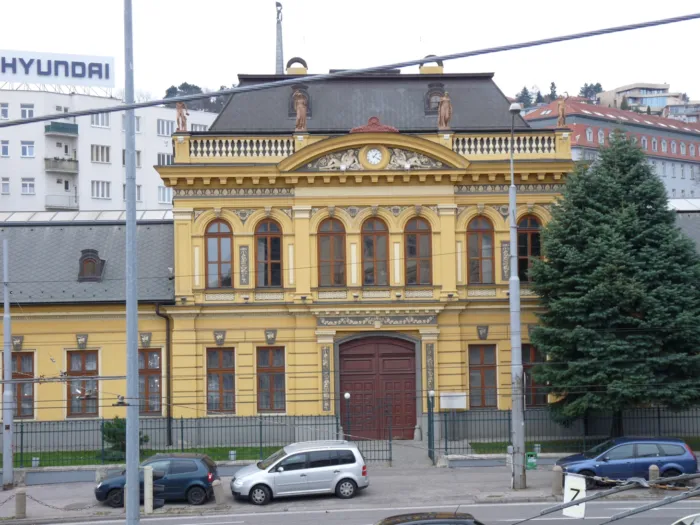
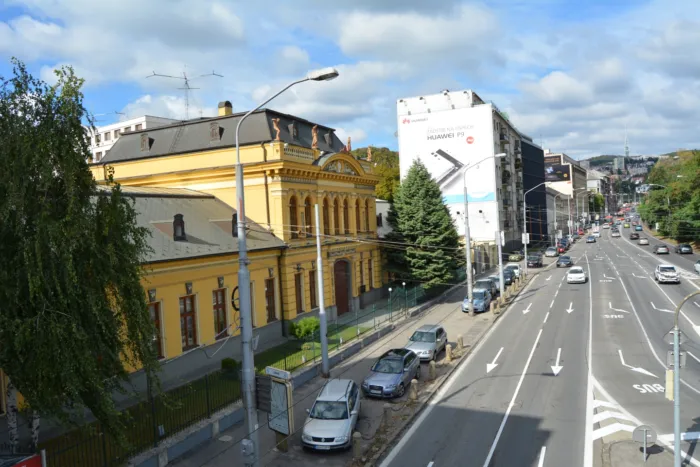
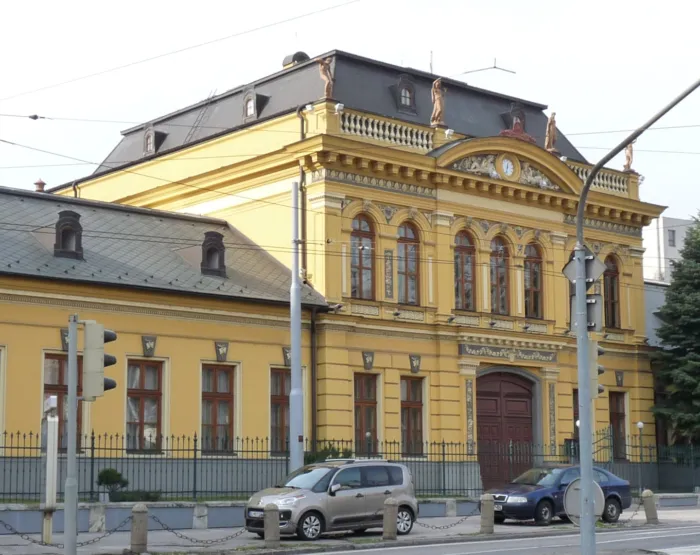
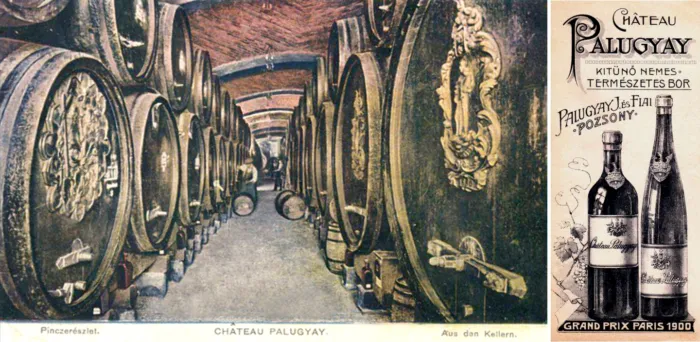
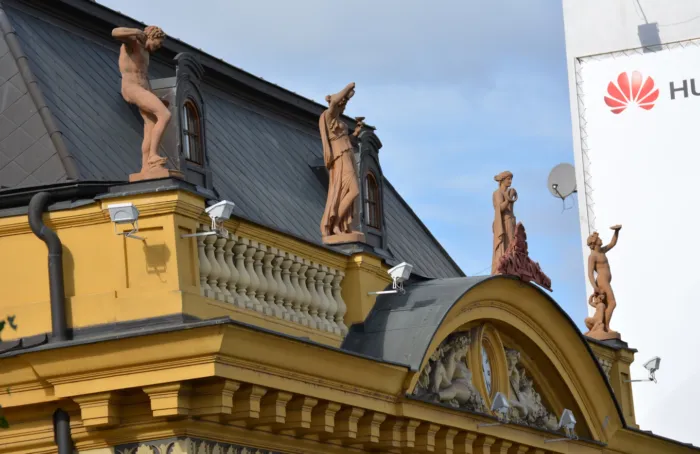
Chateau Palugyay, or Palugyay Palace, was built in the Palladian style according to the plans of the architect Ignác Feigler Jr. It served as both a residence and a winery, with an extensive cellar system. At the end of the 19th century, it was connected to the nearby railway station by an underground wine pipeline. The building at 1 Lamacsi Street (Prágai Street) has survived in its entirety and has been used by the Ministry of Foreign Affairs since the change of regime, mainly for representational purposes. It was last renovated in 2002. ; ; "The Lamacsi-út (Blumenauerstrasse). This large road, belonging to the area of the New Town, but already outside the customs barrier, is the continuation of the Stephania-út towards Lamacsi. Along this road lie the large wine merchant houses and cellars of the Palugyay, Schmidt and Eisvogel types, of which the Palugyay ones in particular are a sight to behold in Bratislava. These cellars and the Chateau-Palugyay above them were built in 1872 and were ceremonially inaugurated in 1873. Foreigners view this magnificent underground wine warehouse as a sight to behold, and in 1879 Mór Jókai also visited it, which he commemorated in a separate article in a capital newspaper. The business founded by Jakab Palugyay is now headed by his son József Palugyay, who in 1859 joined Chevet in Paris at the Hotel Mirabeau, but returning in 1861 He entered his father's business and, together with his brother Ferenc, raised it to a high level, so that it enjoys a great reputation as a global company."