
Pálffy Palace
Building, structure
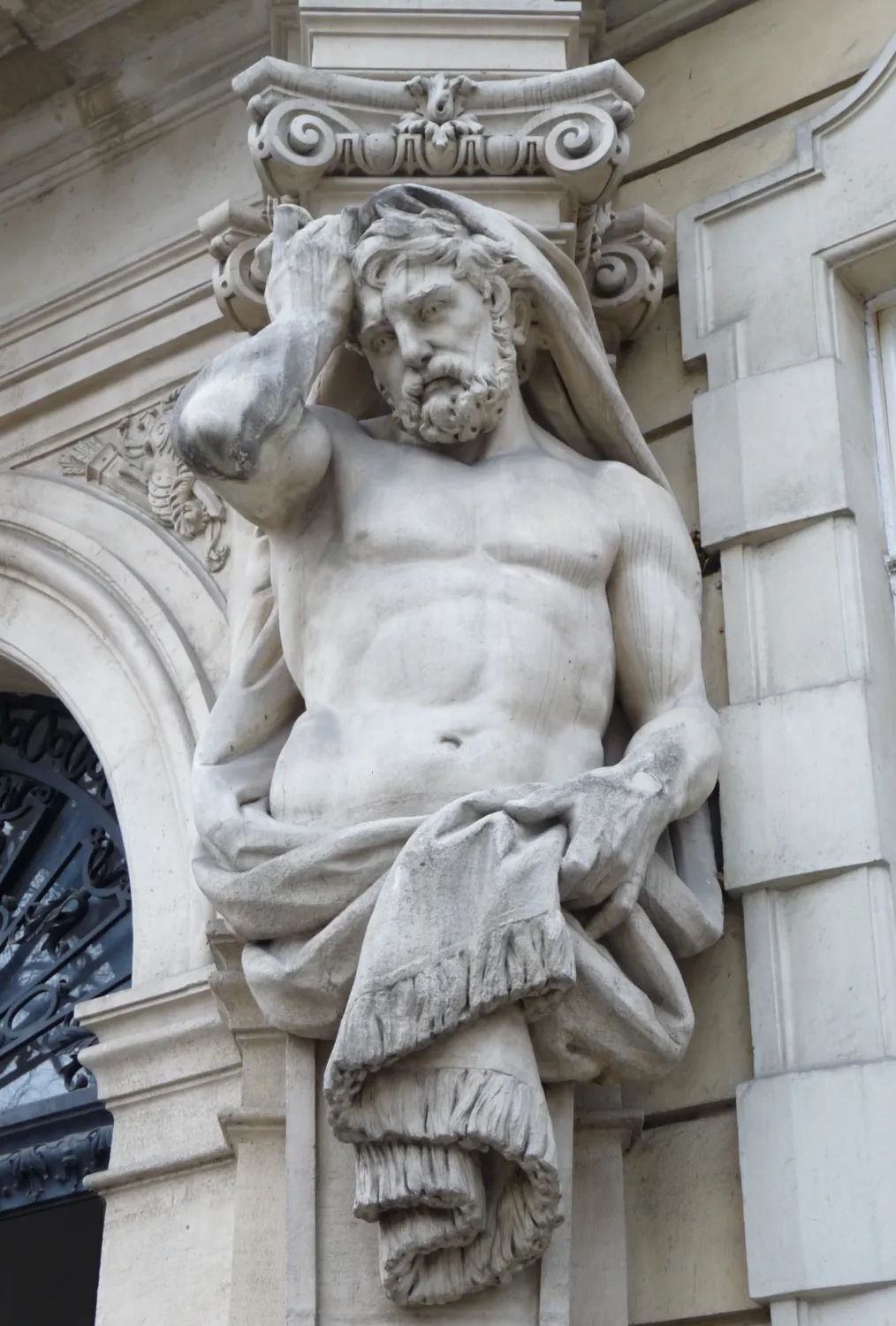
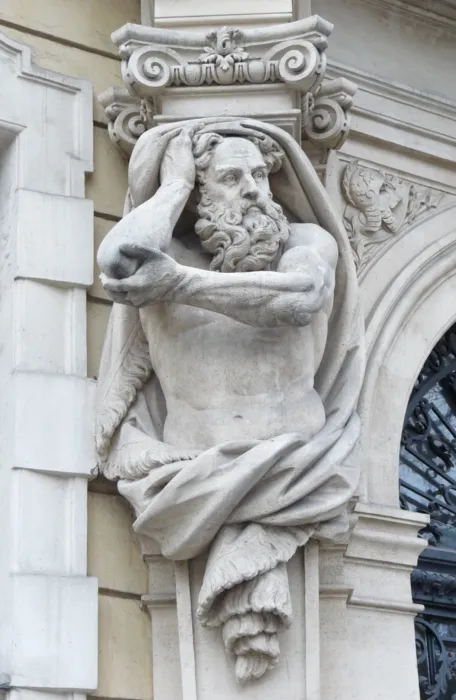
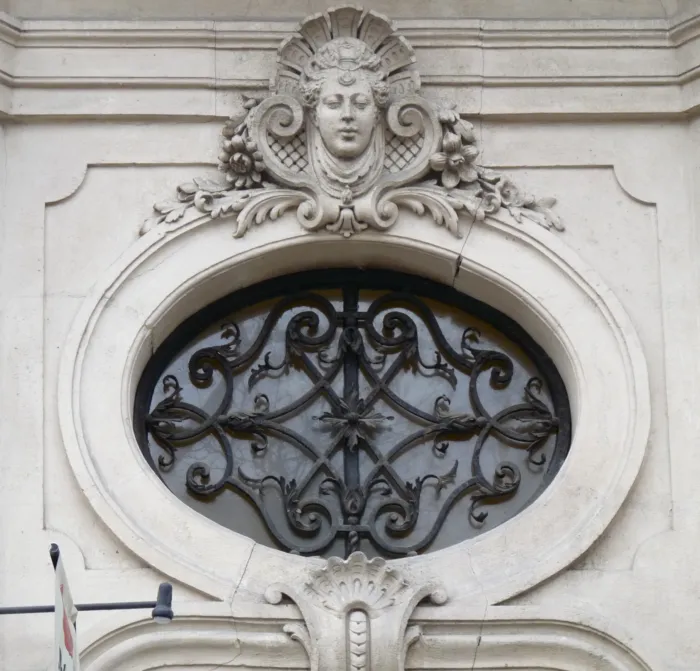
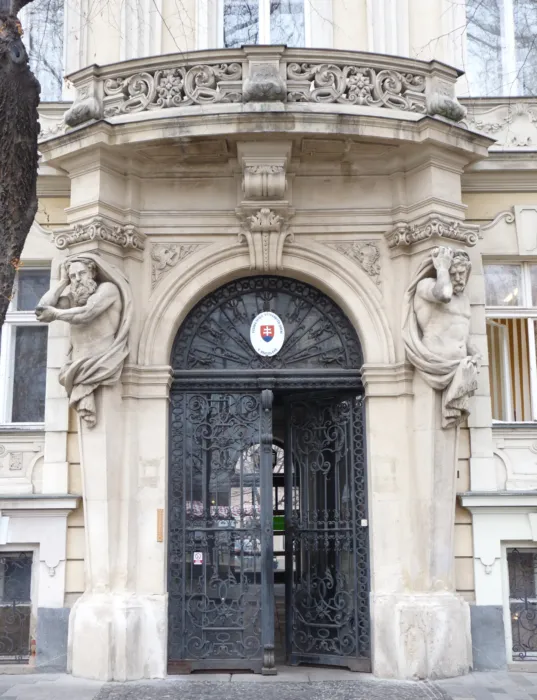
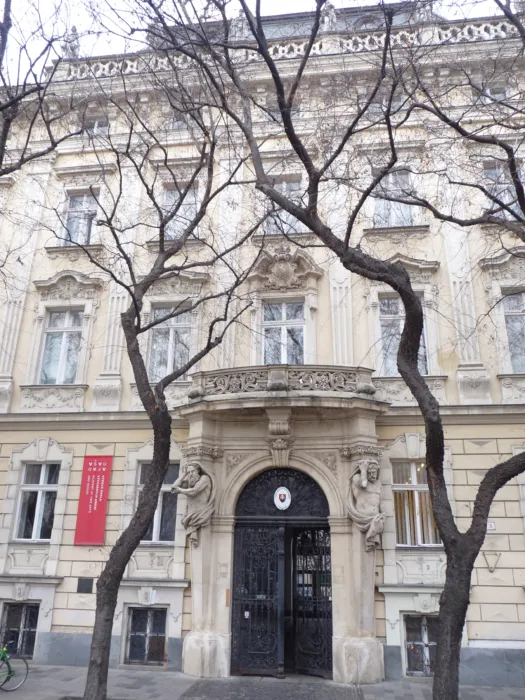
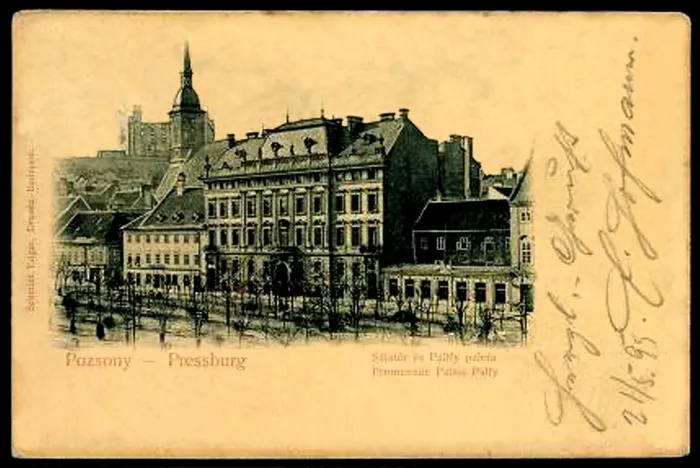
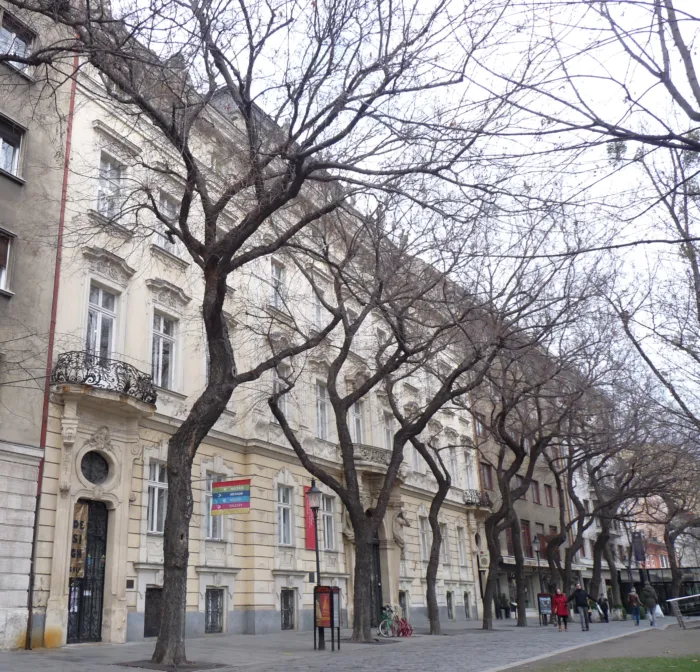
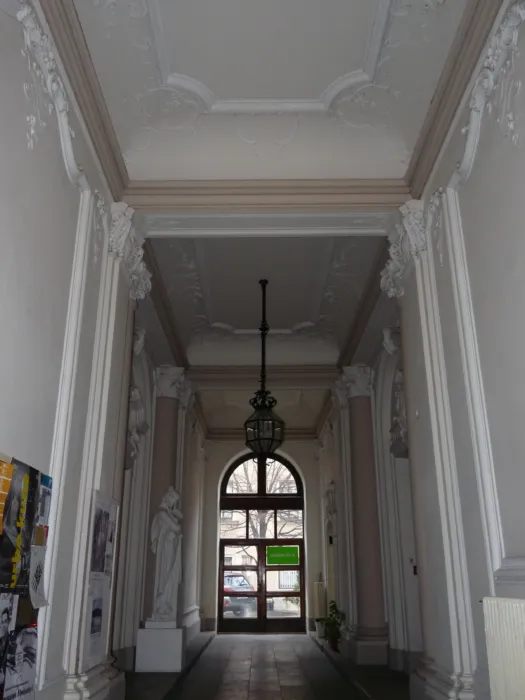
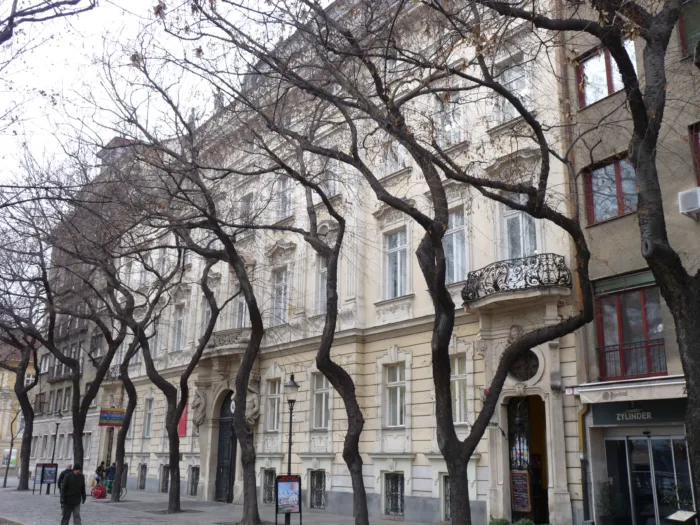
Built on the western border of the Kingdom of Hungary, Bratislava, with a long history, was inhabited in the Middle Ages by mostly German and to a lesser extent Hungarian citizens. The previously not particularly prominent city gained national importance when the Turks occupied the former center of the country in the mid-16th century. At that time, the main government organs were moved to Bratislava, which was safer and closer to Vienna, the real seat of the Hungarian kings of the Habsburg dynasty, where the parliament functioned and the kings were crowned. This made the city one of the country's important economic, cultural, religious and educational centers. In the walled old town, especially with the advent of peace, in the 18th century, numerous pro-Habsburg Hungarian nobles and church dignitaries had spectacular, multi-story, Baroque or Classicist palaces built as status symbols - the richest even had several. ; One of these is the Pálffy Palace, built in 1884-85 on the Promenade Square in Bratislava, which was formed in the second half of the 19th century. There are several palaces associated with this family in the city center, including one on Úri Street at numbers 19-21. János Pálffy (1829-1908) had his neo-baroque palace built on the plot from the back, but with its main facade facing Kossuth Square, according to the plans of Viktor Rumpelmayer. ; János Pálffy, as one of the richest men in Hungary at the time, was a famous art collector. He supported the artists of his time and had a great art collection himself. ; The main facade of the four-story building, built in a closed row and facing the street, has a symmetrical design. It opens onto the street with three gates. The most ornate of them is the main gate in the middle, above which the protruding first-floor balcony is supported by an atlas (faun) on both sides of the gate. The facade is richly decorated with cornices and stucco, especially on the surface around the windows. Its ground floor is rusticated, while the upper-floor facade is divided by huge pilasters. On the openwork attic wall rising above the central projection, there is a row of larger-than-life statues of gods. ; Today, the building houses a college of fine arts.