
Pálffy Castle
Building, structure
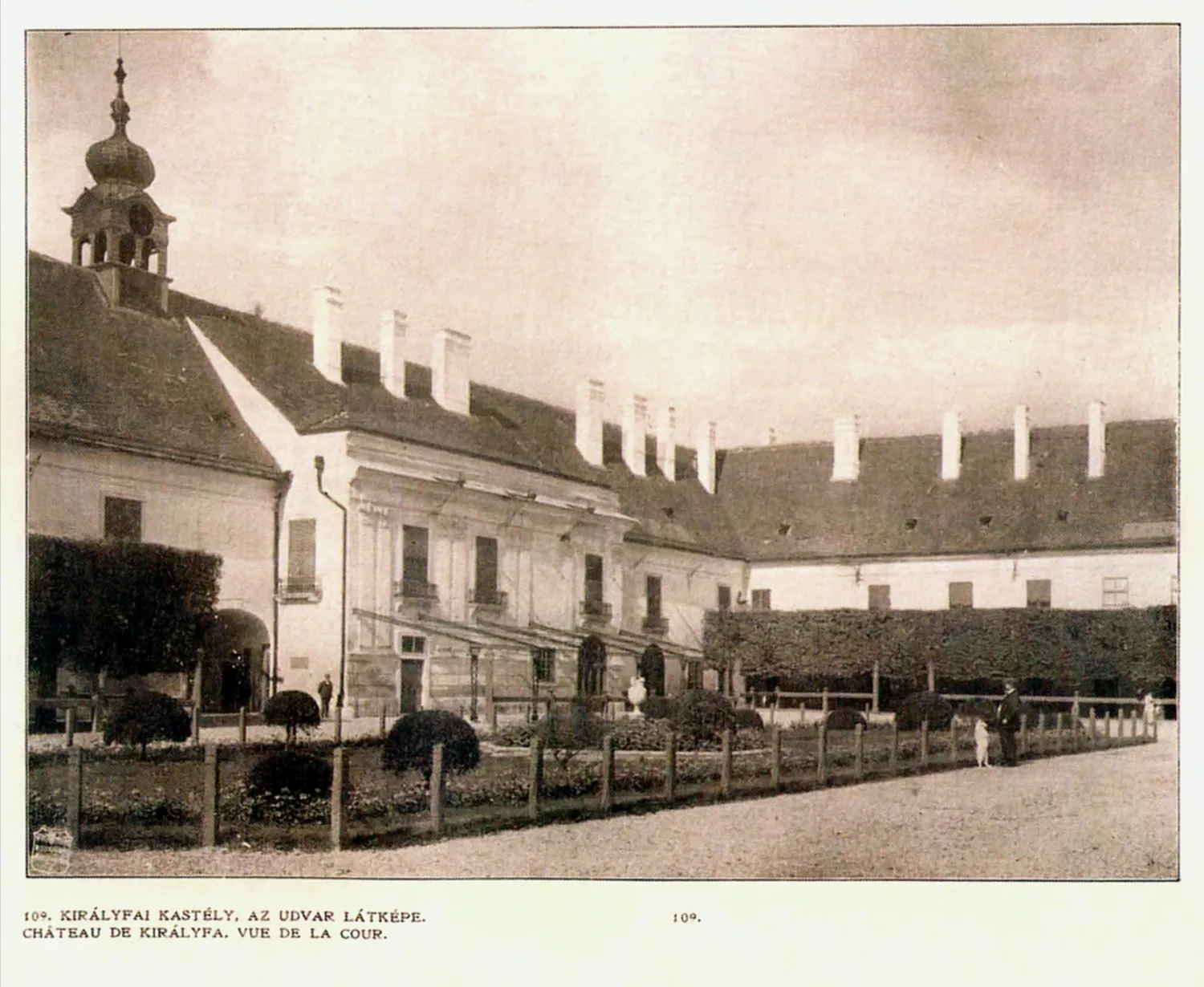
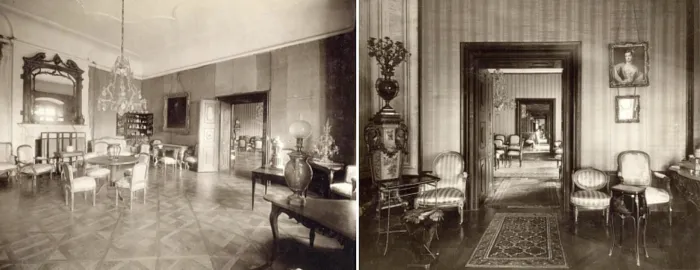
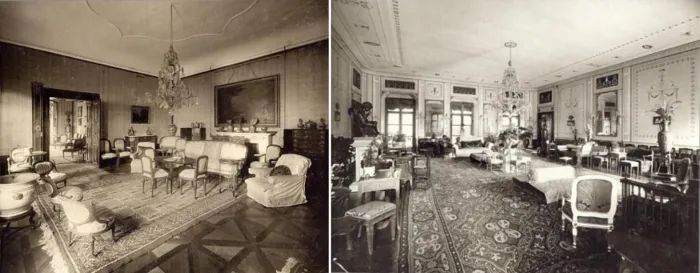
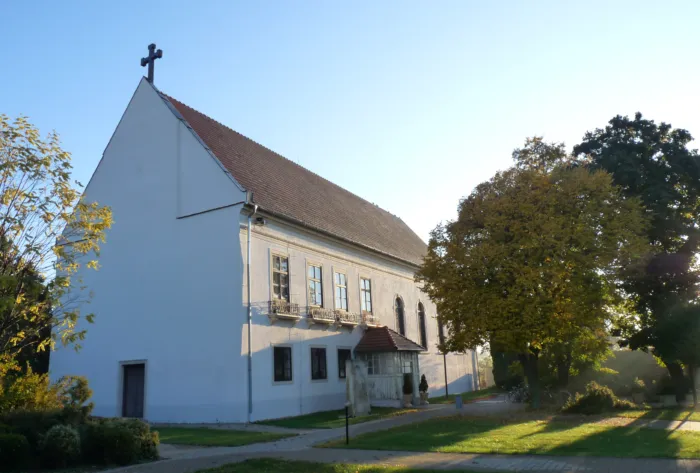
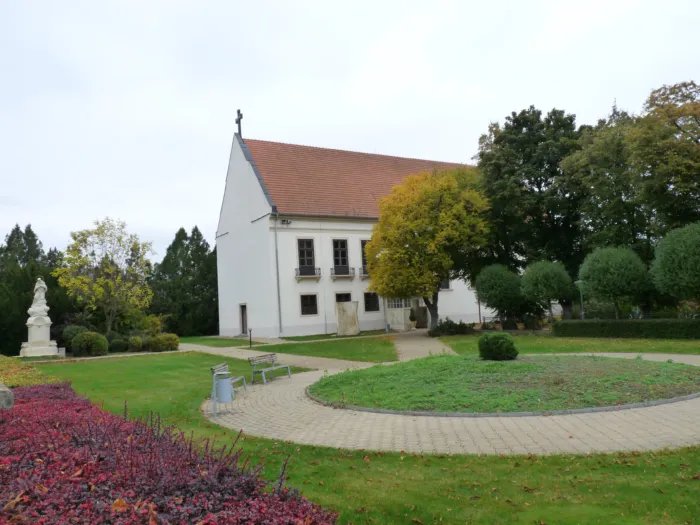
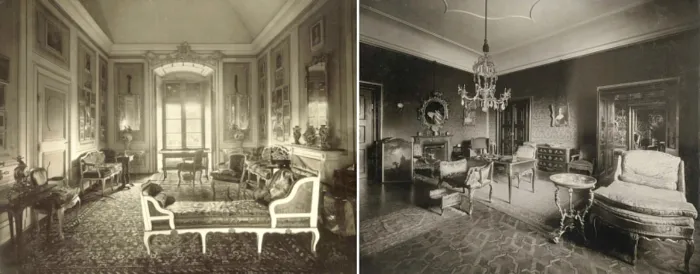
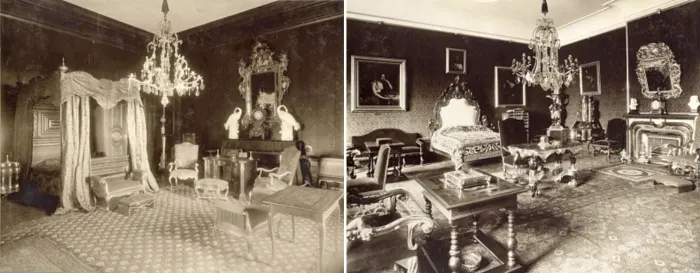
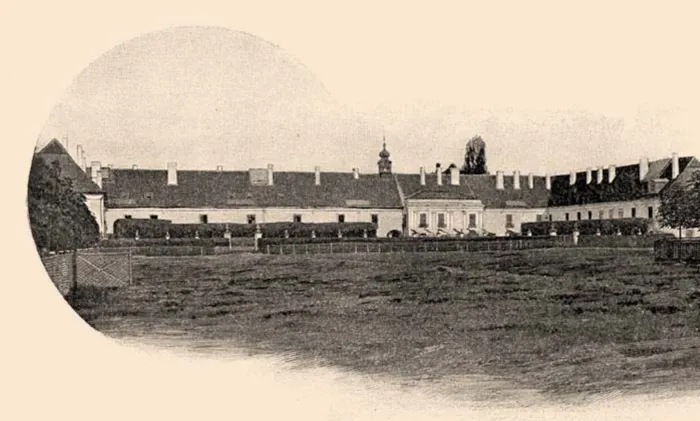
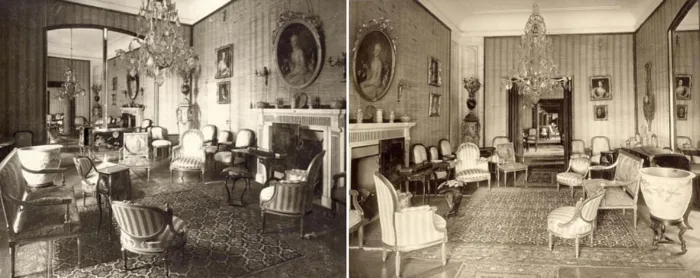
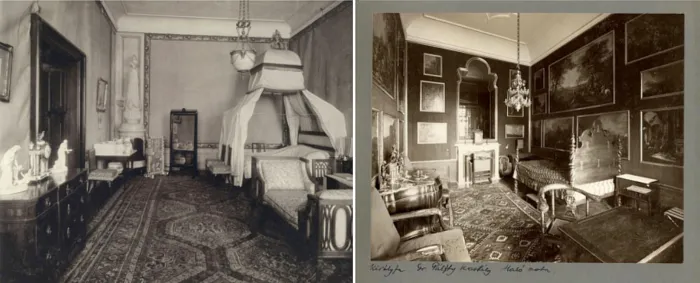
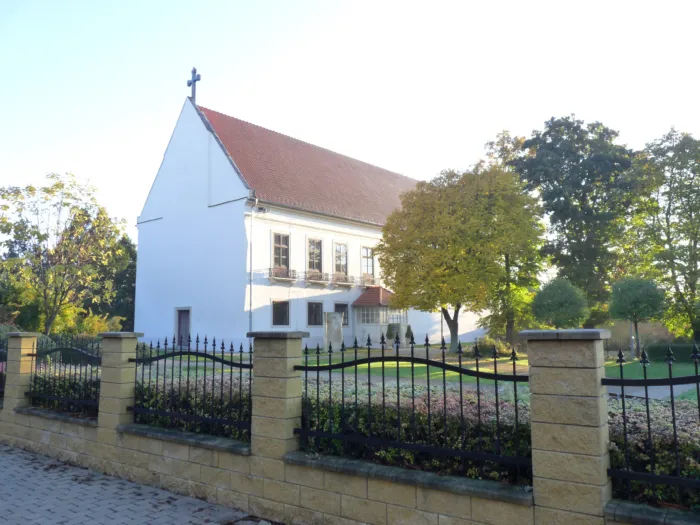
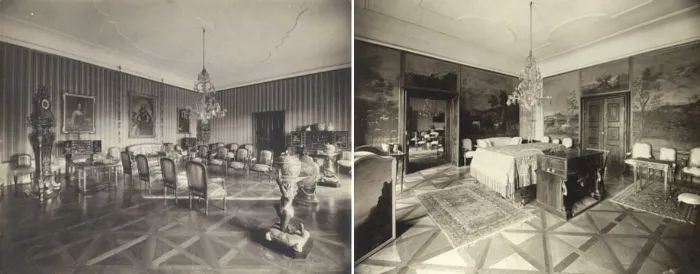
Királyfa was once a royal estate and was named Villa Regia, and contemporary documents also mention the beautiful summer palace of King Sigismund's wife, Mária. In 1397, we find it as Királyfalu, which proves that it was once a Hungarian village. At that time, its lords were nobles named Mátyás and András, from whom King Sigismund took it away, donating other estates to them. In the 1553 census, the seven portas of Serédy Gáspár are taxed here. ; In 1647, the village was already the estate of the Pálffys and at that time it is listed under the names Königseiden and Königsdorf. At the beginning of the last century, Count Ferencz Pálffy had a famous farm, dairy farm, cheese factory and pheasant garden here. Today, Count János Pálffy, the elder, still has a larger estate and a princely castle here, which was built by Palatine János Pálffy in 1712. This castle is full of with treasures selected with extraordinary artistic taste and expertise. Already in the main staircase, there are precious works of art and paintings. A Carrara marble vase, old Japanese dishes and inlaid marble tables, exquisite tapestries, a Turkish flag, a Turkish ponytail and oil portraits of the Polish king Szaniszló Lesczinszky and Charles VI. In the corridor, oil portraits of 28 members of the Pálffy family hang, and among many other oil paintings, there is an original portrait of Kupeczky. There are also exquisite cabinets here, with Japanese and other valuable dishes, as well as old precious clocks. The tapestries of the so-called Pompeii room are hand-painted in an ancient style and the room is furnished with stylish old furniture. Inside are two artistically designed, life-size, reclining female statues, carved from Carrara marble by the Italian sculptor Tantardini. Here is Emperor Joseph marble statue and two life-size Greek vases made of beaten silver. The count's bedroom and toilet room contain 84 old, original paintings and numerous old bronze statues. In the large bedroom there is a magnificent Roccoco-style giant bed from the Napoleon I era, as well as a magnificent jewelry cabinet inlaid with tortoiseshell and mother-of-pearl. The marble fireplace in this room is plated with silver and decorated. There is also a magnificent, beautiful old reading stand and two armchairs, which Maria Theresa gave to Palatine Miklós Pálffy. Finally, there are eight old, original, valuable paintings. The piano in the so-called music room is covered with an old, exquisitely made Japanese silk tablecloth. The walls of this room are full of original old paintings and the Empire-style wall clock gifted by Napoleon I is also placed here. In the so-called blue salon there is an extremely valuable table on which 11 antique cameos It is set in 219 brilliant-cut diamonds. This room has beautiful furniture and paintings by old masters hang on the walls. The so-called Mirror Room contains rare and valuable vases, furniture, clocks and paintings. The summer dining room is decorated with Venetian mirror chandeliers and furnished with red velvet furniture. In the so-called Yellow Salon, valuable Japanese cabinets and Venetian chandeliers attract the attention of experts, while in the so-called Maria Theresa Room, Japanese cabinets and stands and two valuable grandfather clocks are displayed. In the so-called Green Salon, beautiful old Roccoco furniture can be seen and old valuable paintings hang on the walls. Guest room number 10 is furnished with red brocade and the same furniture. Guest room number 11 has a blue tapestry and here 83 old original There are steel engravings on the walls, and the cupboards contain valuable Meissen dishes. In the bedroom belonging to this room, 41 old engravings hang. The walls of guest room number 12 are covered with old, pressed leather carpets. The windows of guest room number 13 are decorated with genuine Brussels lace curtains, as is that of room number 14, where a valuable Venetian mirror also attracts attention. There are numerous engravings and paintings on the small staircase. In the study room, there is a magnificent clock with porcelain flowers and an old, valuable cabinet. In the chapel corridor, several rare and valuable old cabinets, furniture and valuable paintings by old masters stand out. The walls of the oratory are covered with red silk tapestries and here too, there are valuable old holy images. The The walls of the so-called long corridor are filled with paintings by famous old masters, including Rubens, Van Dyk, Wouwermann, Guidó Reni, etc. The corridor is decorated with exquisite furniture, Japanese clocks and family pictures. The walls of the large winter dining room on the ground floor are inlaid with majolica. Here too, there are life-size, exquisite marble statues on movable pedestals, as well as enormous Japanese cloisonné vases, the largest ever brought to Europe. The so-called silver chamber houses the noble count's numerous and valuable goldsmith's works, which he acquired with great artistic taste during his travels around the world. The castle has its own ornate chapel. "; János Ferenc Pálffy art collector (1829-1908) was one of the richest men in Europe and the Pálffy family. He dedicated the collection part of his immeasurable wealth to the public in his will, but the heirs could hardly have thought this an appropriate step, because, challenging the will, they turned everything they could to their own benefit. The situation was saved by the fact that the testator donated nearly two hundred world-class works to the Hungarian public collection during his lifetime. 178 paintings to the Museum of Fine Arts, mainly works by Rembrandt, Tiziano, Troyon, Gustave Courbet, Gustave Courbet, Meindert Hobbema, Giovanni Antonio Boltraffio, Andrea del Sarto, Francesco Francia. Karl von Piloty's painting Nero Contemplating Burning Rome to the Hungarian National Museum. ; After the Second World War, the material of the dilapidated building (with the exception of the chapel forming the western wing of the castle, which today serves as the village church) was scattered by local and surrounding residents for their own purposes.