
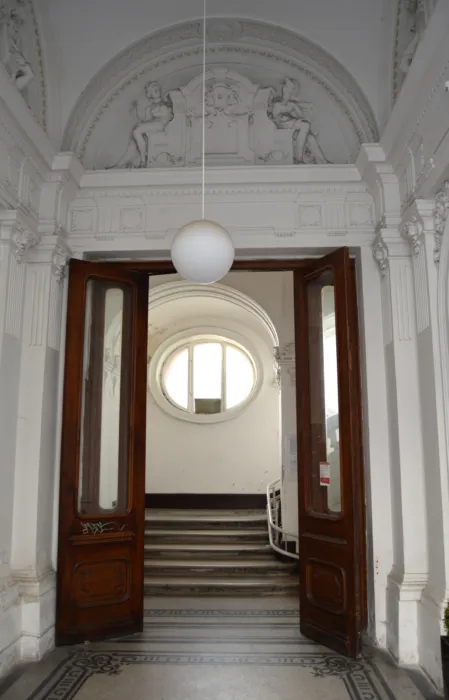
Austro-Hungarian Bank
Building, structure
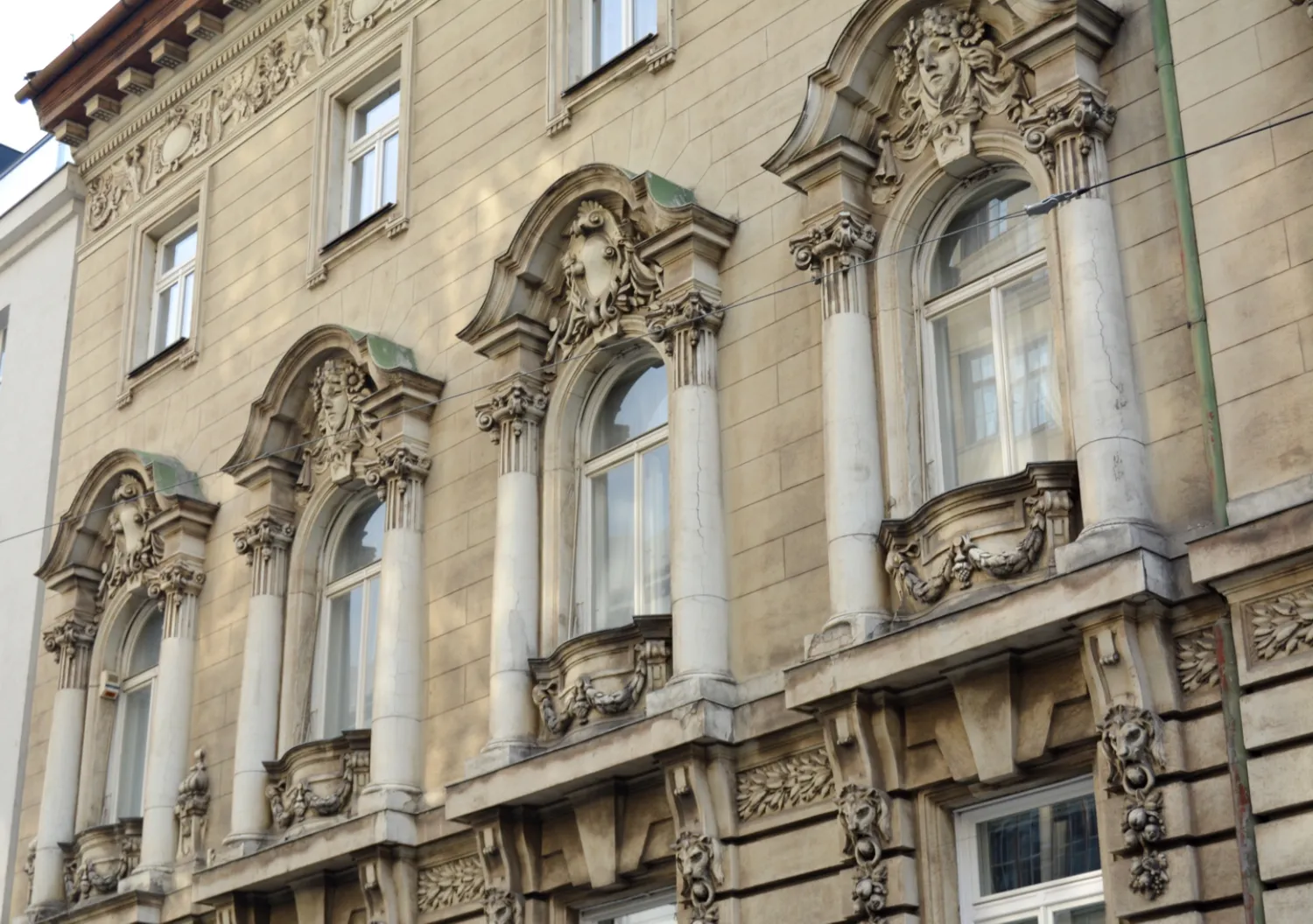
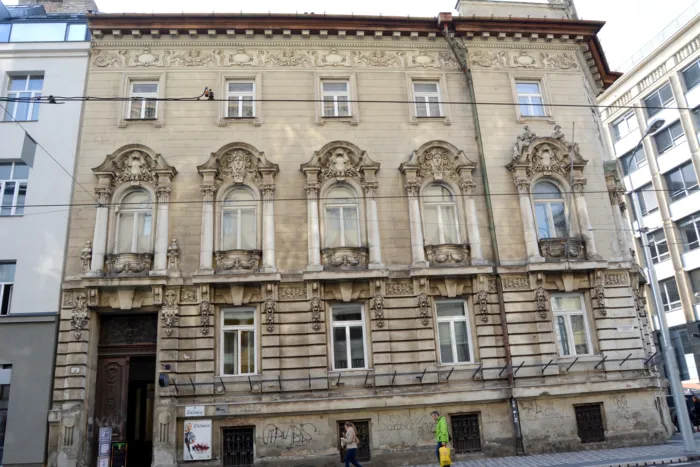
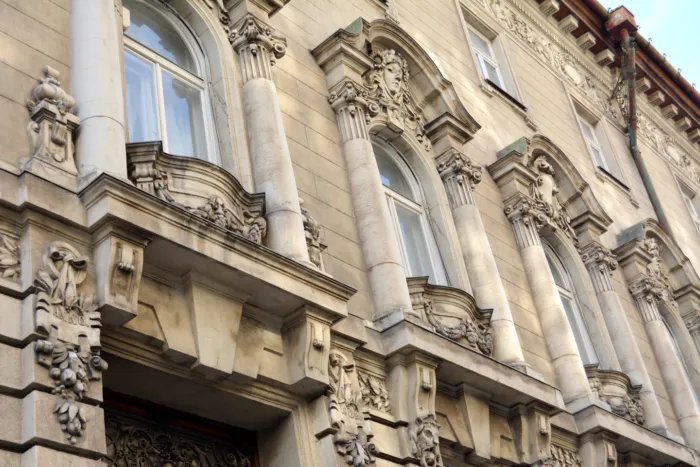
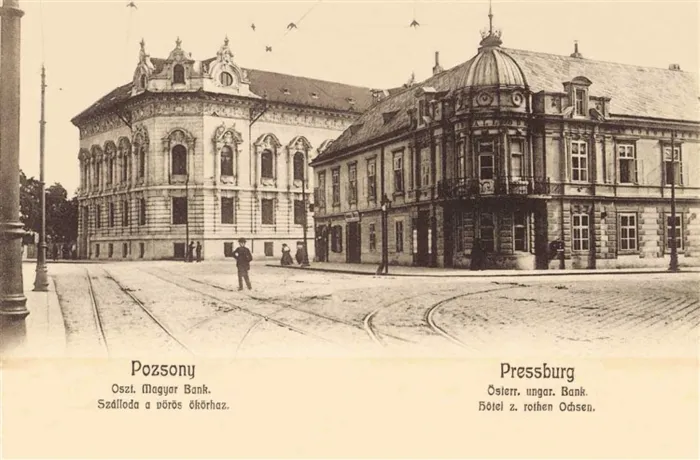
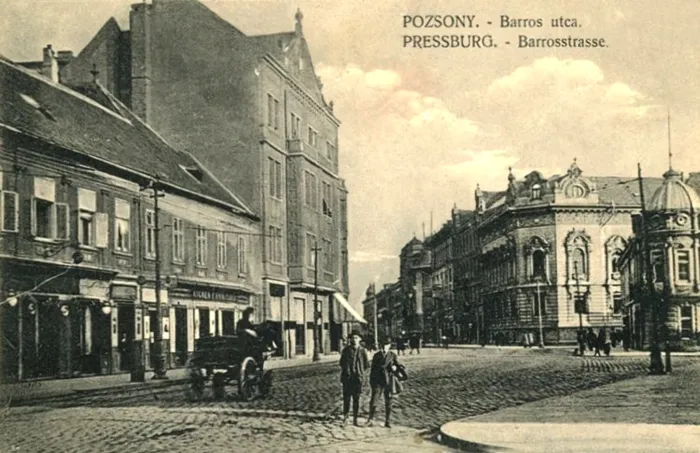
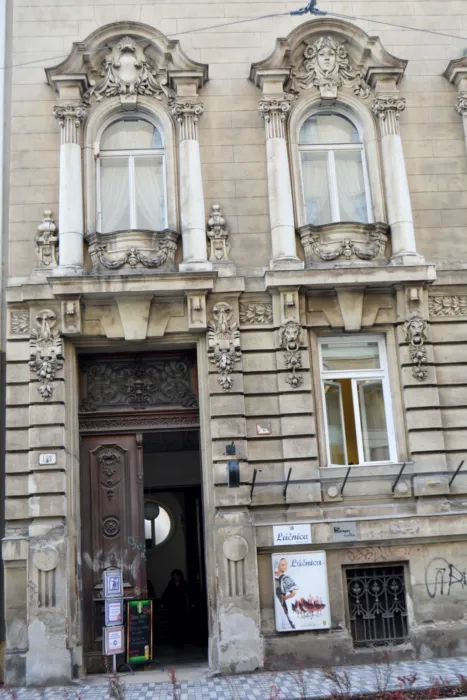
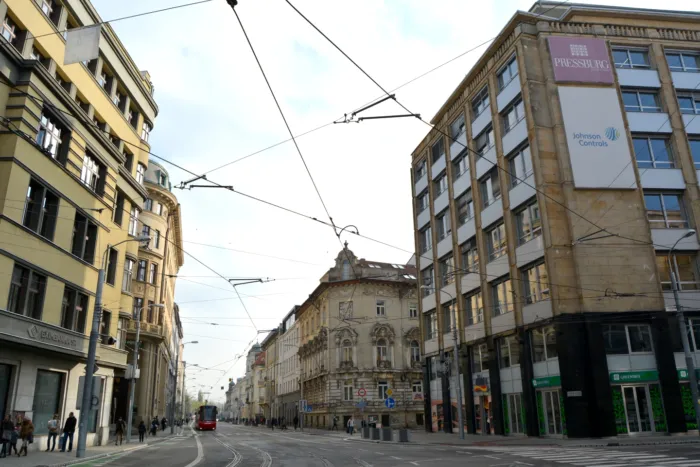
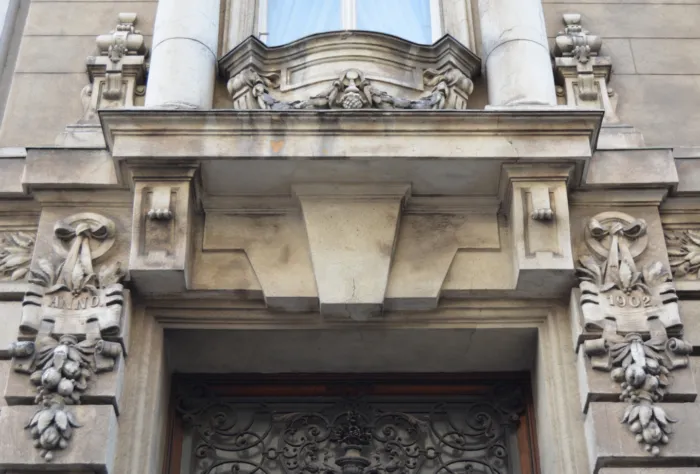
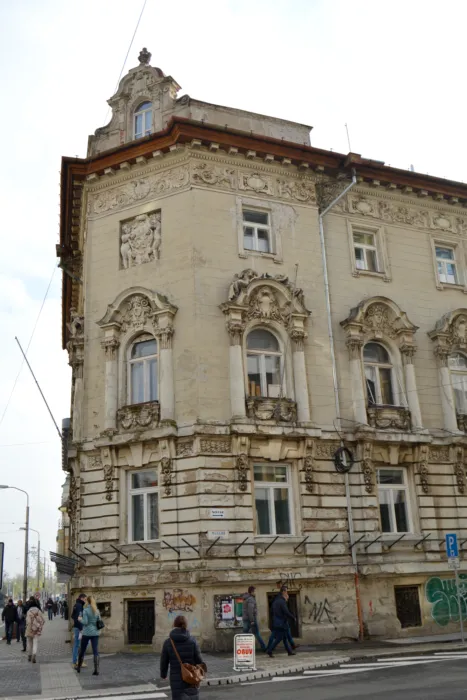
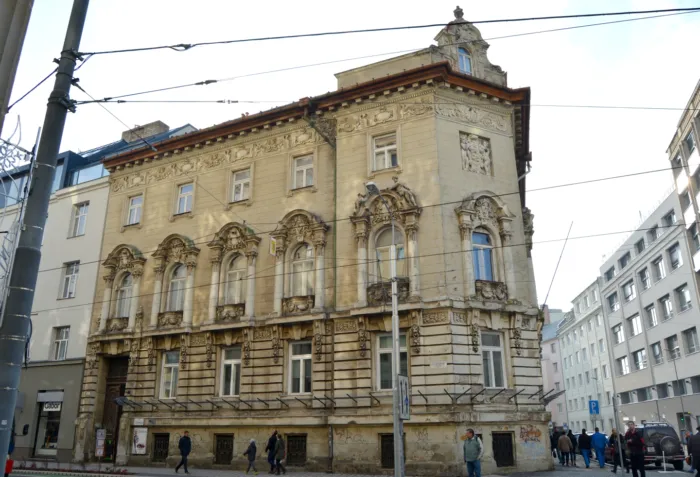
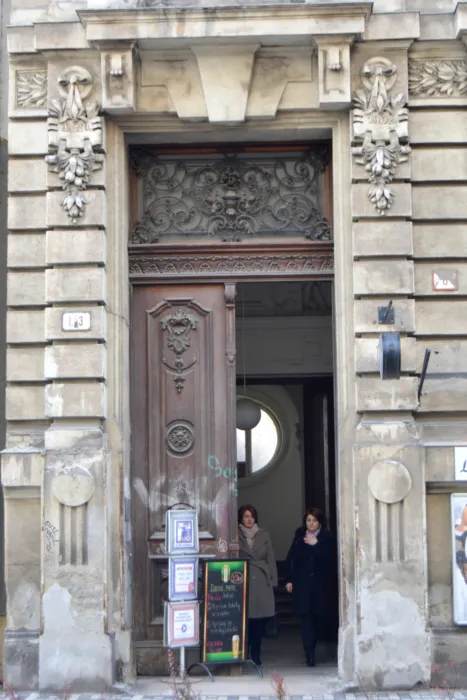
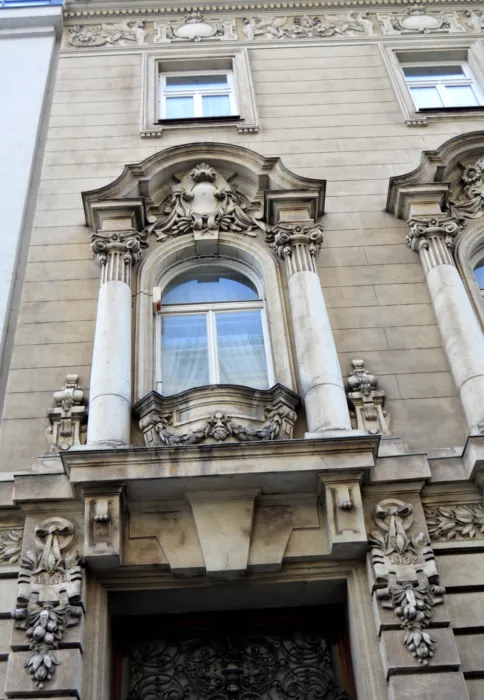
On Baross Gábor Street, "at one time, the Ludwig-style apartment building housed the headquarters of the V. Army Corps, as well as the very beautiful building of the Bratislava branch of the Austro-Hungarian Bank, built in 1902 in the Baroque style by the architect Hubert and representing a book value of 193,630 crowns. The scope of operation of this bank branch extends to the counties of Bratislava, Nyitra, Trenčín and Turóc. The amount of its financial operations exceeds 22 million crowns and its annual net profit can be estimated at around 106 thousand crowns". ; The plans for the building were drawn up by the architect Hubert József (Bratislava, 1846 - Budapest, 1916. He received his diploma from the Zurich University of Technology), who, as the architect of the Austro-Hungarian Bank, designed 32 bank branches throughout the country (e.g. in Nagykanizsa, Kaposvár, Nyíregyháza, Košice, Žilina), and - among others - a widow. The apartment building of Mrs. Andrásné Pálházy and Mr. József Pálházy in Budapest, and he participated in the tender for the design of the Budapest city center savings bank, and the castle in Bajmóc was rebuilt to its current form based on his plans. ; The Austrian-Hungarian Bank (OMB) was established in 1878 to serve as the central bank for one of the largest states in Europe at the time. From 1892, it was granted the monopoly of issuing new, gold-based crown banknotes, and from 1900, these became the sole legal tender of Austria-Hungary, a common currency that was one of the keys to the economic unity of the empire. ; The Bank came under great pressure during World War I to start printing banknotes to finance the costs of the war, and although it was a private company, the issuing monopoly, which had to be renewed every ten years, was a suitable tool in the hands of the government to blackmail the bank, so that by 1918 the amount of money in circulation had more than doubled compared to the last peace year. ; In the last months of 1918, Austria-Hungary fell to pieces. The bank's management immediately began negotiations with the governments of the new countries about maintaining the common currency and the monopoly on issuing banknotes. However, most of the new successor states also considered the OMB a remnant of the empire that supposedly oppressed them, and they did not want to hear about the repayment of the bonds issued by the bank to finance the war, so in January 1919 the new Kingdom of Serbs, Croats and Slovenes began overstamping the crown banknotes and no longer accepted unstamped money. This provoked an immediate reaction from the other successor states, as the volume of inflationary banknotes would have poured down on them, and everyone started overstamping. The occupiers also obliged Austria and Hungary to accept unstamped buck notes, and the Romanian occupying authorities even forced the money they had overstamped themselves to circulate in the territories of Hungary they occupied, i.e. they practically covered up the robbery by paying with such worthless, already looted money. ; The OMB first labeled the overstamps and then its own issues as counterfeit money and tried to refuse to accept them, but the governments of the new countries ignored them, and the victors soon took control of the bank, which by the end of 1919 had itself limited its activities to the territory of the new Austrian Republic. The 1919 St. Germain-en-Laye and 1920 Trianon peace treaties ordered the bank to be placed under Allied control and liquidated, forbade both Hungary and Austria from issuing common money, and obliged them to overstamp and then exchange the entire amount of money for their own banknotes.