
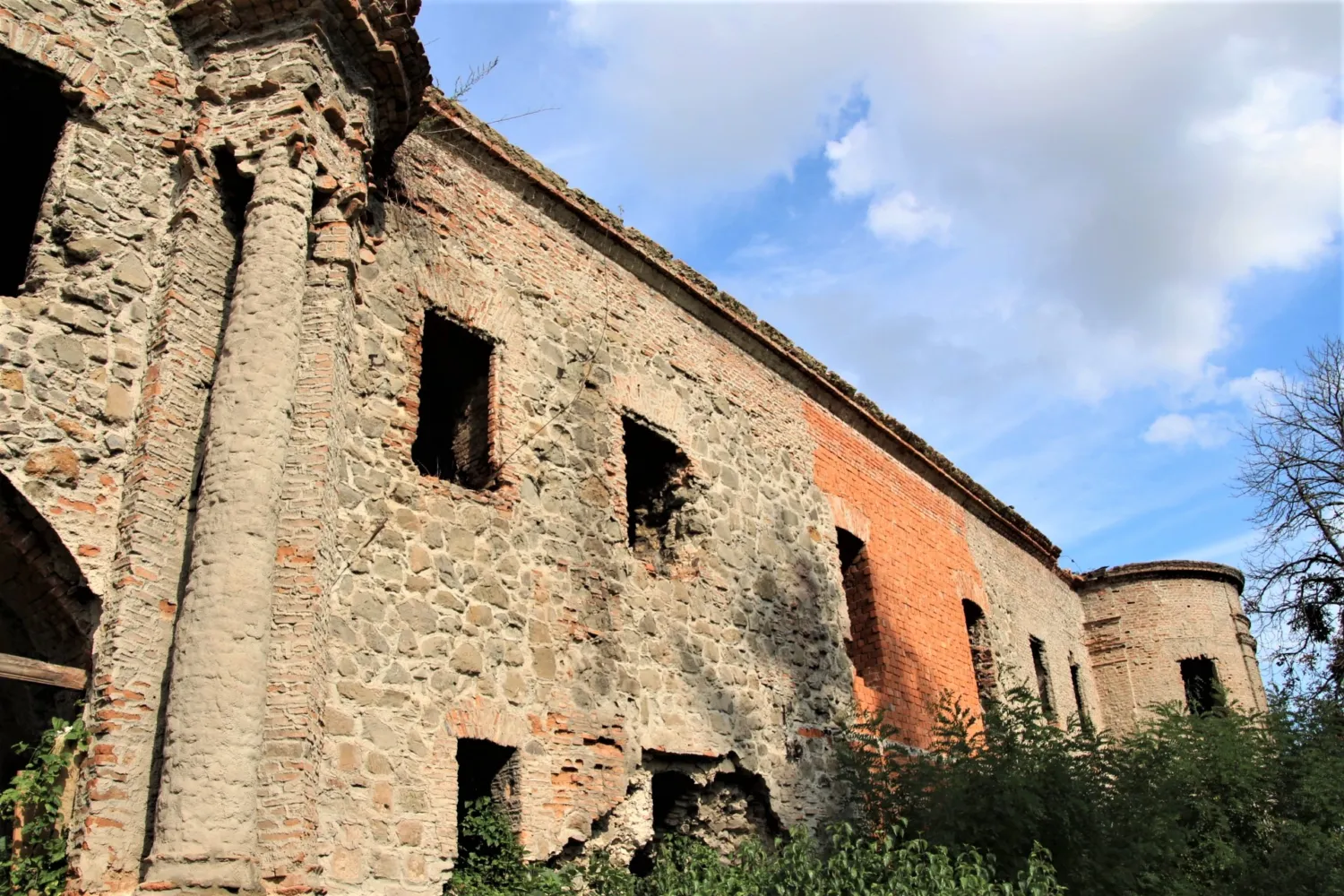
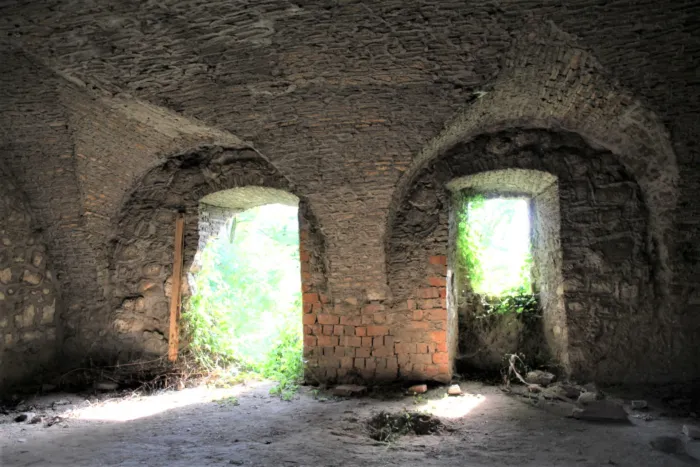
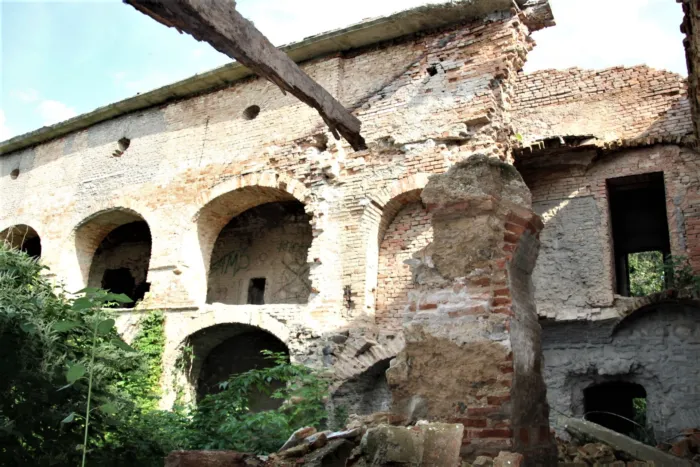
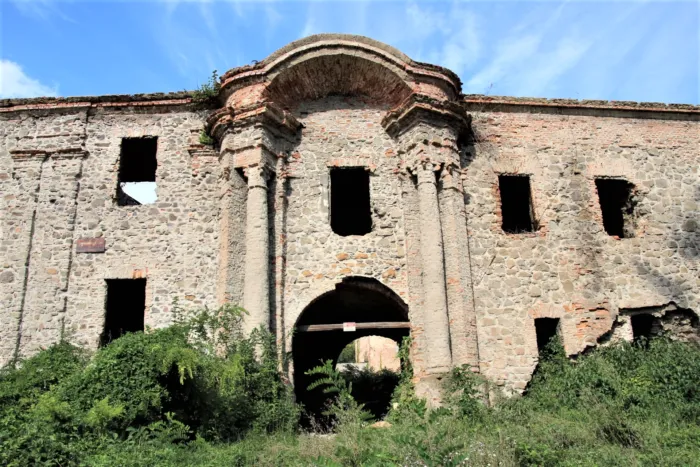
Osgyán Castle
Building, structure
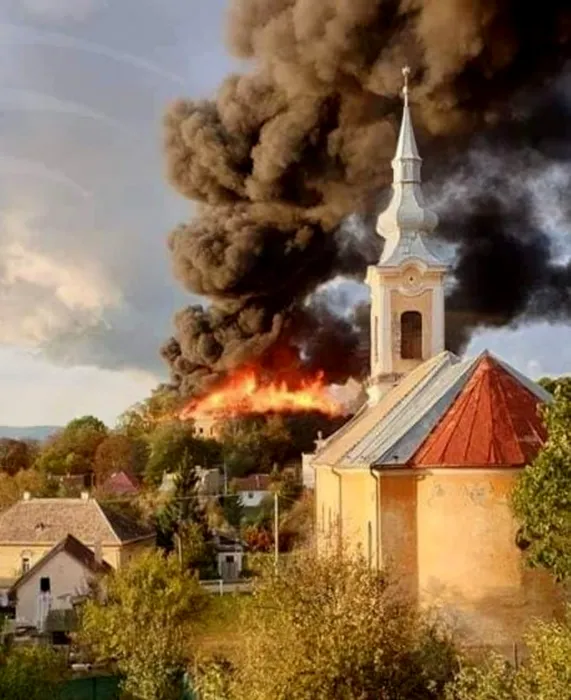
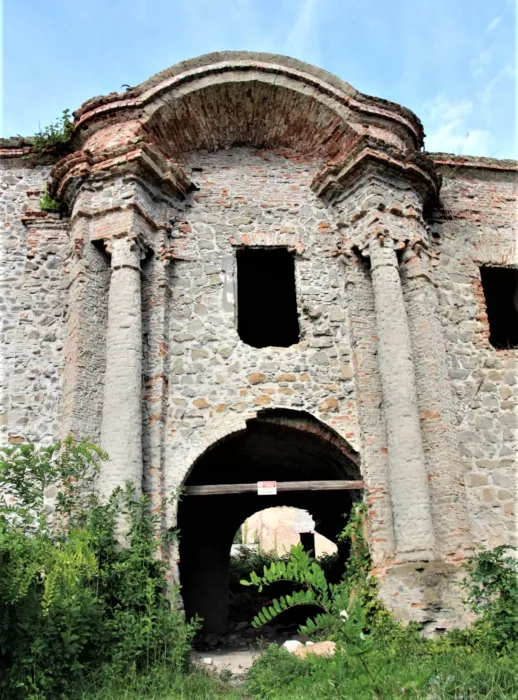
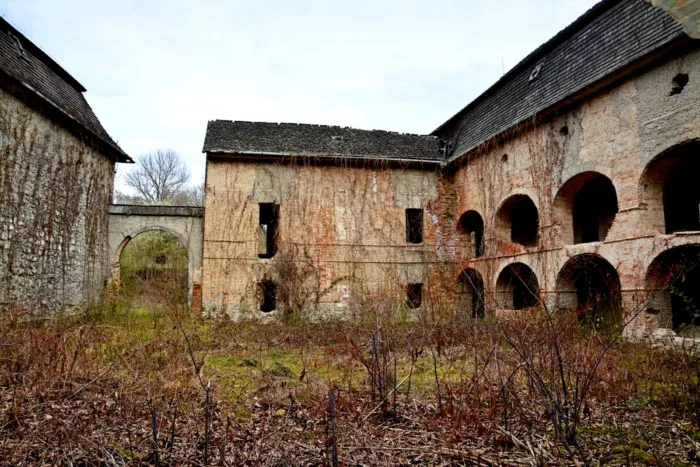
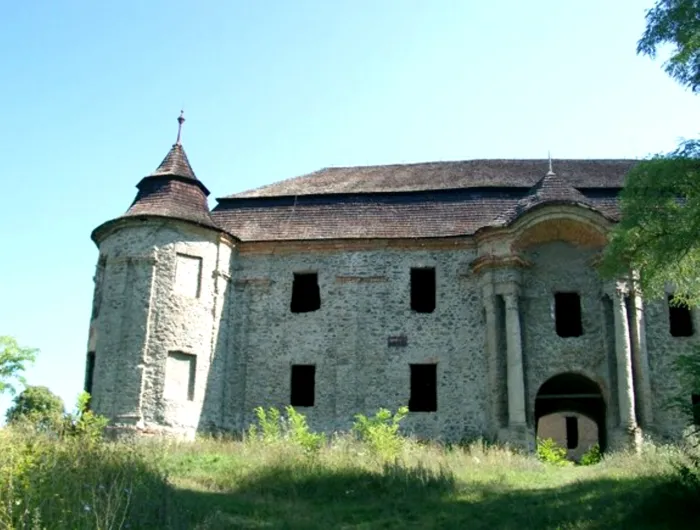
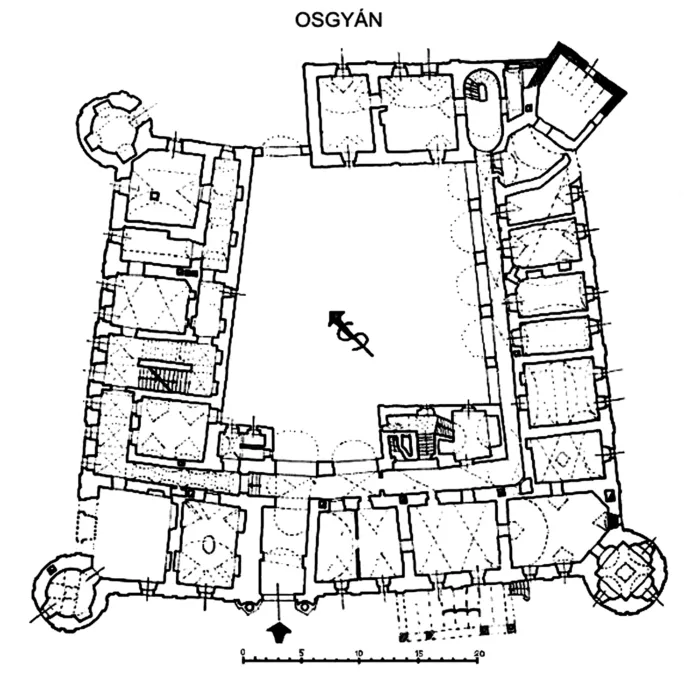
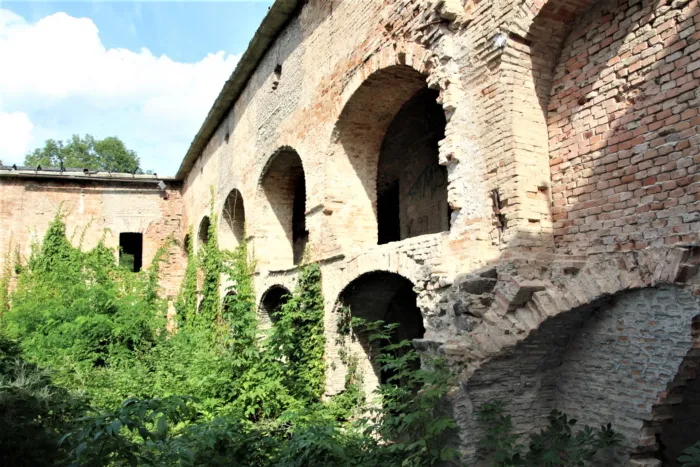
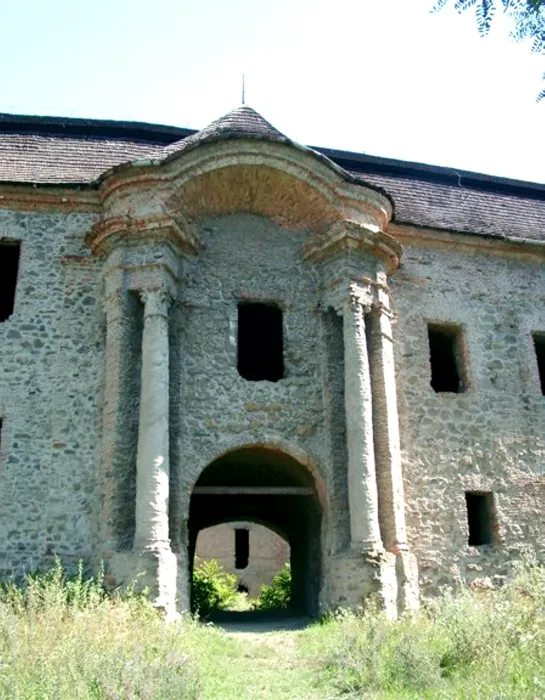
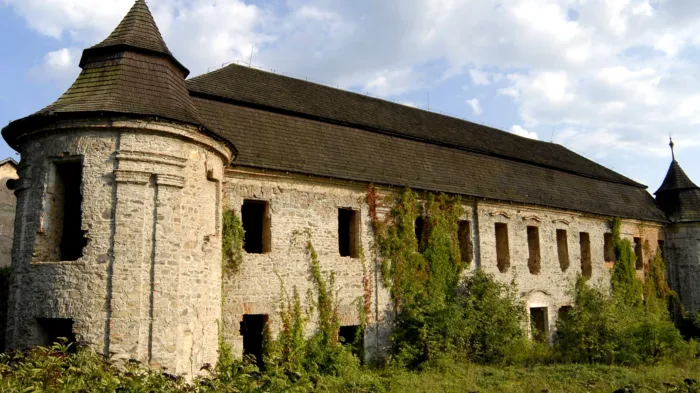
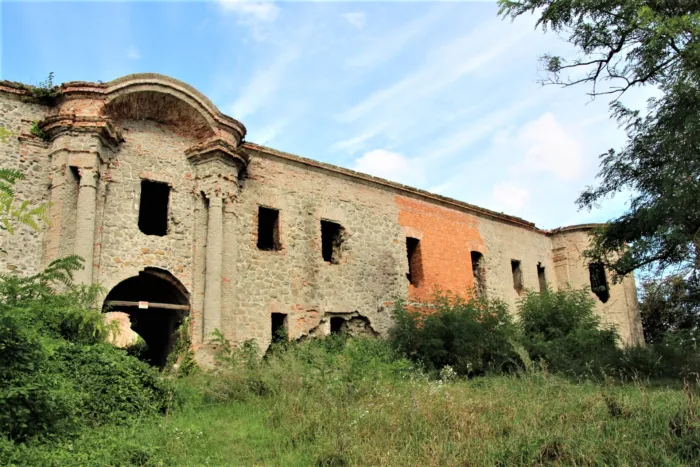
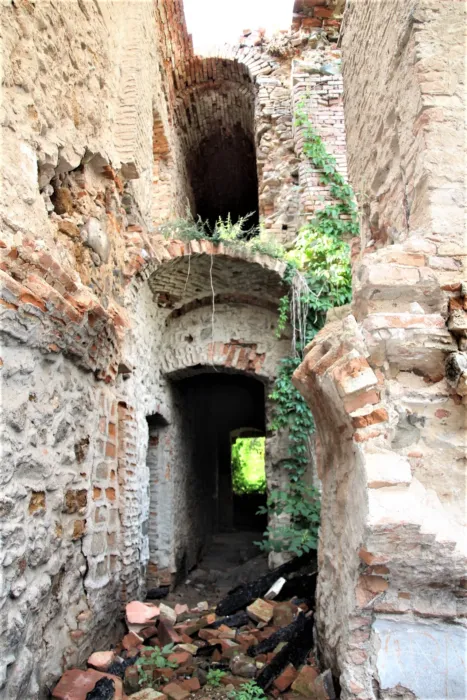
Beginning of the 14th century – The serf village of Osgyán was first mentioned in the list of tithe collectors sent by the Roman Pope. – At an unknown date, the Orlay noble family, who controlled the village, built the fortified building, which later served them as a feudal estate center. After 1440 – the army of the Czech Hussite mercenary leader Jan Giskra, who was called to the country by the Dowager Queen Elizabeth to protect her newborn son, occupied vast areas in the central and eastern parts of the Highlands. – At this time, the Czech armed men may have also occupied the Osgyán fortress. Between 1459–1462 – At an unknown date, the army of King Matthias Hunyadi recaptured the county of Gömör, including Osgyán, from the Czechs. Around 1462 – The castle estate was returned to its rightful owner, the Orlay family. Around 1550 – According to contemporary data, nobleman Miklós Orlay lived in the fortress, which, being close to the Turk-occupied Fülek castle, was in constant danger from enemy raids. – According to another source, the Orlay (Orlle) family only moved to Osgyán at the end of the 16th century. – There is no news that Osgyán was besieged or occupied by the Turks. 1590 – According to contemporary documents, János Bakos obtained the right of the sword for the Osgyán castle estate in this year, meaning that he could even pronounce a death sentence on his serf who lived on his land and was convicted in a capital case. Nov. 1604 17. – General Basta, who was attacking from the east from Bratislava to crush the Transylvanian nobleman István Bocskai, who had risen up against the tyrannical rule of the Habsburg imperial and royal house, arrived at Osgyán with his well-equipped mercenaries, numbering around 15–20 thousand. Here, the hajdú captain Balázs Németi took up a defensive position, commanding 4 thousand hajdú and also 4 thousand serf rebels. The hajdú dug ramparts on the surrounding heights, but most of them defended themselves in the serf village surrounded by a palisade wall and in the Osgyán castle. General Basta sent his entire army to attack, and the battle-hardened mercenaries soon pushed the rebels back into the castle. Balázs Németi made several raids with his 500 men, but they were always pushed back. After the besiegers blew up the tower of the fortified building, the trapped defenders – about 400 people – announced their surrender. Although General Basta promised them a pardon, most of the retreating soldiers were slaughtered by the bloodthirsty foreign mercenaries. The commander-in-chief took the survivors under strict guard. Among them was the hajdú captain Balázs Németi, who was wounded in the left arm and taken prisoner. On Basta’s orders, he was hanged by the feet in order to extract a confession from him about the whereabouts of the Bocskai armies. The torture was ineffective, so the imperial troops continued to march east. – Balázs Németi was executed on the last day of November. The hajdú captain also showed his unwavering courage here, because when he was led out of the camp to be taken to the place of execution, he grabbed the sword from the executioner with his hand tied in front and, slashing wildly, killed several mercenaries. Finally, he collapsed under the blows of the imperial soldiers who surrounded him from all sides and died. Nov. 1607 – General Basta’s mercenaries triumphed over the hajdú again in the battle of Edelény-Besenyő, but since they could not capture the city of Kassa, which was the main base of Bocskai, they were forced to retreat to Prešov for winter quarters. 1631 – After the death of the previous chieftain, Baron István Orlay (Orlle) Karvai held the most important royal office in Gömör County until his death in 1641. During this period, the Orlay family could already claim the settlements of Osgyán, Szabadka, Csehbrézó, Karva and Lehota as their own. -- The noble families of Bakos, Korponay, Szakál, Vajna and Baron Luzsénszky could also claim the manor as their own in the centuries of the Middle Ages. – The medieval fortress was most likely rebuilt in the first half of the 17th century in the style of the Highland Renaissance castles that had become dominant among the wealthier noble families at that time. Dec. 1645 – After the conclusion of the Peace of Linz, which ended the war between the Transylvanian prince George I Rákóczi and the Habsburg emperor and king, the landlord of Osgyán, Gábor Bakos, also swore allegiance to Ferdinand III. 1647 – According to the decree of the Diet, the border fortress was strengthened to ward off sudden attacks by Turkish raiders. 1666 Oct. 17 – After Gábor Bakos of Osgyán died on this day without leaving a male heir, his estates spanning several counties, including the castle estates of Osgyán and Cset, were returned to the management of the Chamber. – However, it was soon acquired by the Géczy family of the Leányág branch. 1678 Sep. 27 – On this day, rebels against the Habsburg imperial house attacked the fortified noble residence. No information has survived about the outcome of the attack, but during the month of October, the Kurucs were forced to withdraw from the entire Gömör county. 1681 – In order to prevent the repeated Kuruc attacks, the parliament ordered the reinforcement of Osgyán and Putnok. – II. During the War of Independence of Ferenc Rákóczi, the landlord was Zsigmond Géczy, whose daughter was the later “famous” Levoča white woman, or Julia Géczy, who married the Kuruc captain János Korponay. Thus, the Osgyán estate also enriched the latter family. 18th century – After the failure of the Kuruc Rákóczi War of Independence, the building escaped the order to blow up Hungarian fortresses issued by the Habsburg Emperor. On the orders of the landlord family living here, the external defensive works {stone walls and ditches} were abolished, and the inner core was also transformed into a comfortable, Baroque-style residential palace. 1900 – During this period, the members of the Polish-born baron Luzsénszky family lived in the large building, where they also kept a valuable archive and picture gallery. ; The castle was inhabited by Orsorian nuns between the two world wars. During World War II It suffered serious damage during World War II, its interior was destroyed, and it became uninhabited from the 1950s. The restoration of the castle began in the 1970s, but was soon interrupted. ; On October 3, 2019, the entire roof structure of the 40 x 40 meter castle burned down. According to local reports, the fire broke out in several places at once, so it is not ruled out that it was arson. Various plans were made for its renovation and use, but none of them were implemented. The turbulent fate of the monument is clearly demonstrated by the fact that it changed hands several times and was even under construction. It is possible that this fire permanently sealed its future. ; The castle garden, located next to the decaying castle and also enjoying protection, also shows similar neglected conditions. ; ; Description: ; In the inner area of the village of Osgyán, on a small hill towering above the streets, stands the fortified noble building, the external appearance of which has changed significantly over the past centuries. While in the 15th century, during the time of the Orlay noble family, the Czech Hussites, and the Turkish occupation, it served its landlords more as a castle, after the war it became a comfortable palace with spacious, well-heated rooms and bright windows for the nobles living here. Most likely, in the first half of the 17th century, the medieval castle that had previously stood here was used (reformed or demolished?) to build the dominant highland Renaissance castle, which bore its characteristics. Thus, its external appearance was determined by sgraffito plaster, spacious windows, and ornate battlements, while on the inside, comfortable, well-heated rooms served the members of the landlord family. Of course, due to the poor public security of the era – Turkish raids, riotous mercenaries – the external defensive works (a stone wall with loopholes and a dry moat) were also built, but these became unnecessary after the war, so they were demolished. After that, only the square, multi-storey inner residential block, heavily rebuilt in the Baroque style, could be seen, while the external defensive works mentioned in the historical chronicles could only be brought to light by an archaeological excavation.