
Lion Hostel
Building, structure
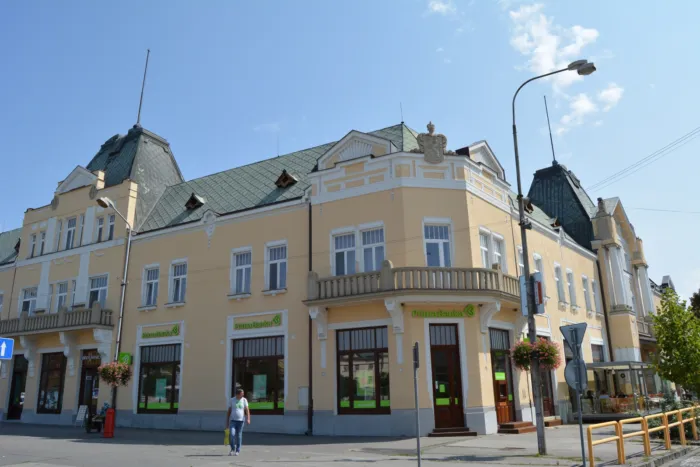
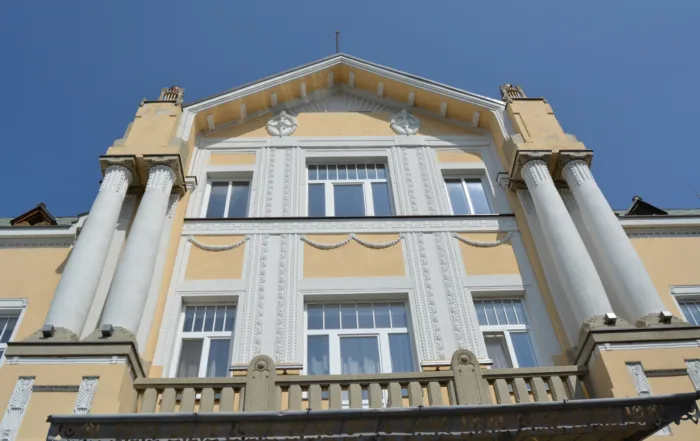
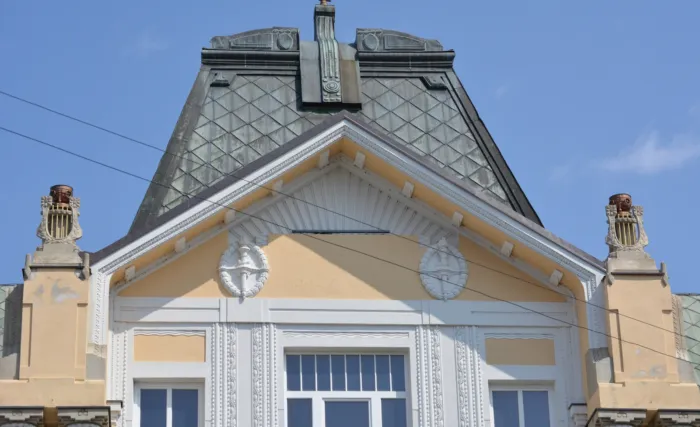
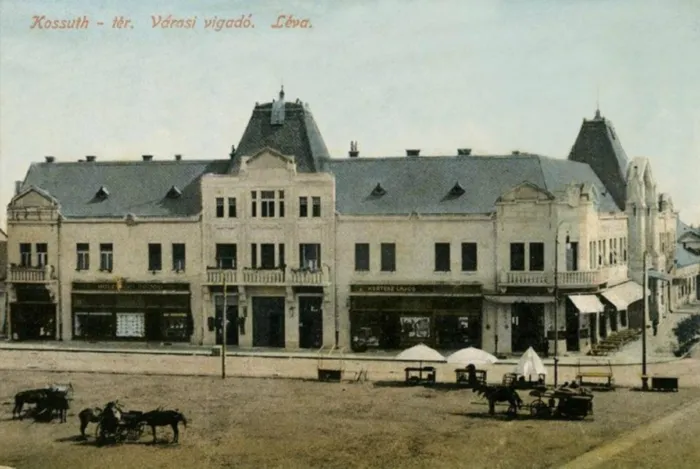
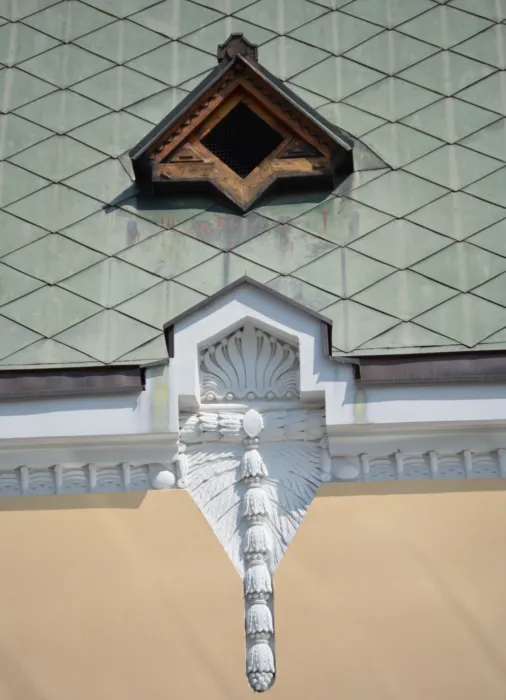
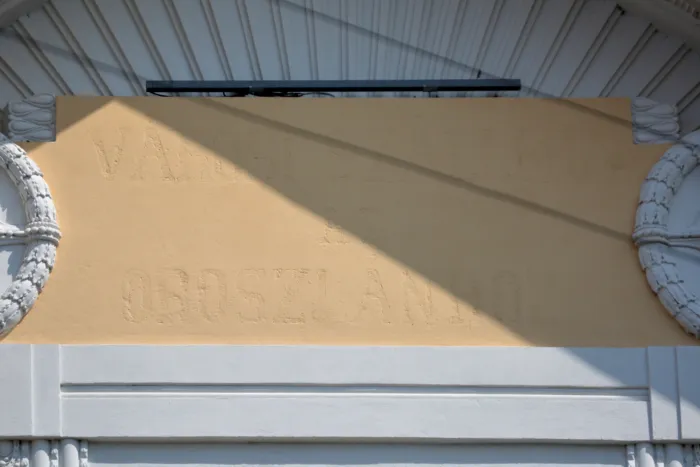
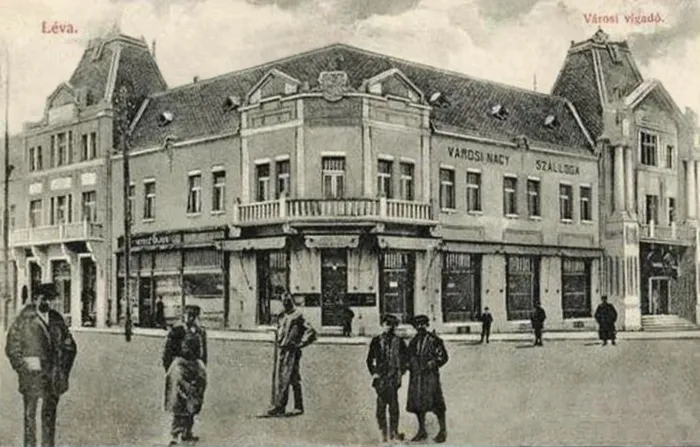
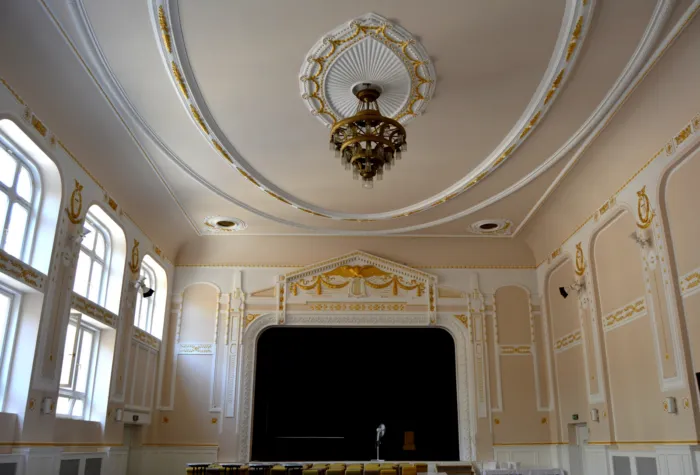
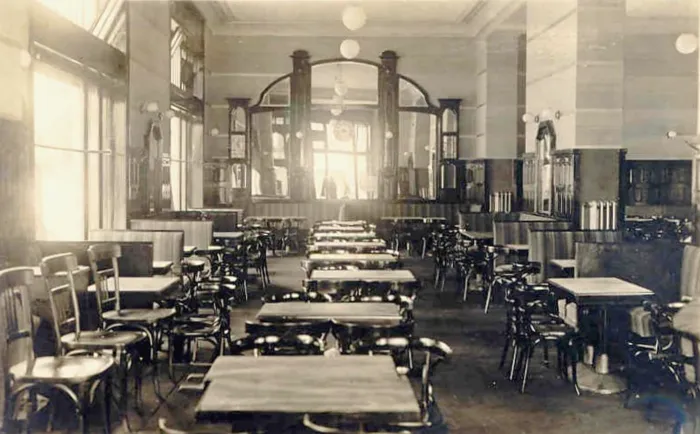
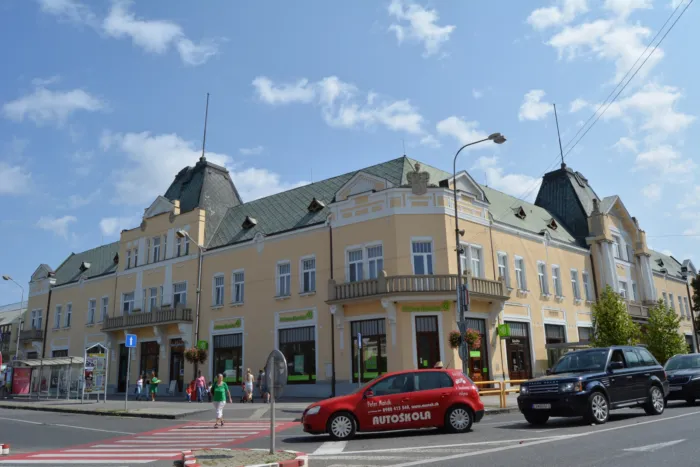
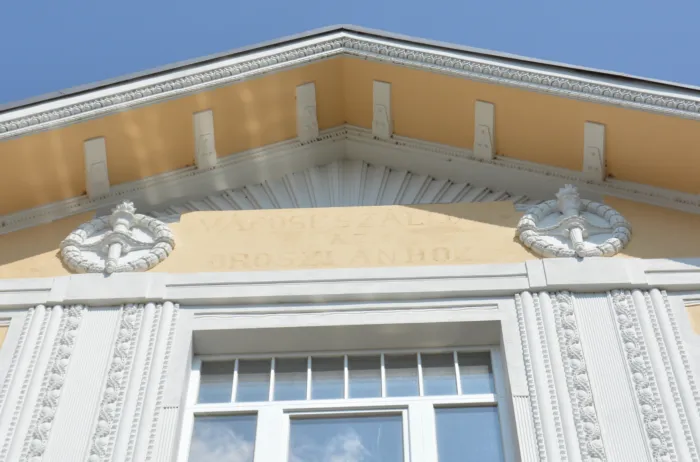
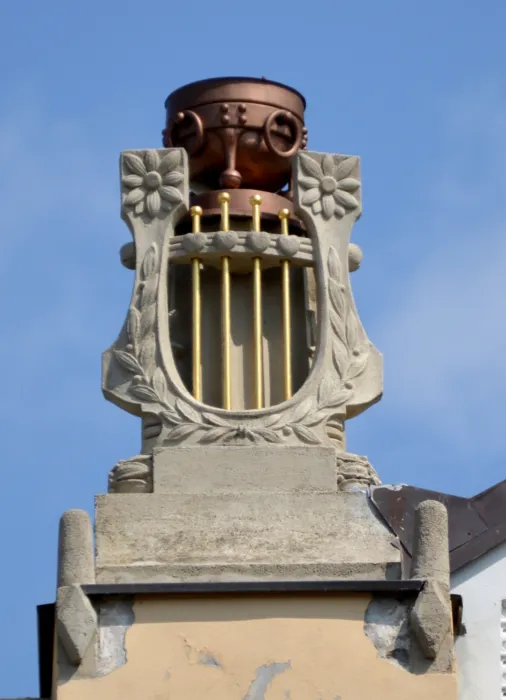
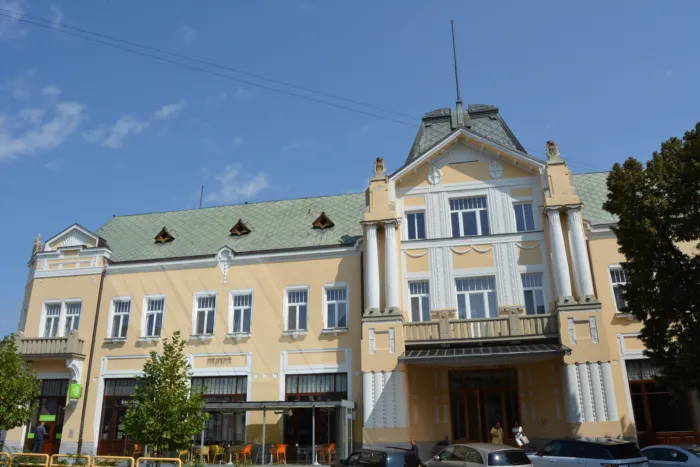
The Oroszlán Hotel is a stately building on the corner of the main square and Vörös Hadsereg Street (formerly Teleky Street). It was built on the site of the old Oroszlán Restaurant and Grand Inn, which burned down on October 8, 1879. For a while, the idea was to renovate the building, so it stood without a roof for a long time. This was the only stage in Léva. After the fire, a protected podium was set up in the courtyard, but if it rained, the audience watched the performance from under umbrellas. In 1907, the city magistrate finally decided to demolish the fire-damaged hotel and build a new one in its place. The plans were drawn up by Budapest architects Nándor Morbitzer and József Vas. It was built in 1909-1910 in the spirit of Art Nouveau. József Fertikó rented the hotel between 1910 and 1922. He purchased carefully selected furnishings for each room. The hotel had 22 rooms, three apartments, a 600-seat theater, a restaurant, a café, and rooms reserved for staff. On the ground floor, business premises could be rented. The first motion picture theater, the Apollo Cinema, was also opened here in 1912. Films were regularly shown in the theater, every day except Monday, and there were four performances on Sunday. Silent films were accompanied by piano playing. Later, mainly Czech and Hungarian, and less frequently French and English-language films were shown. The cinema's program was regularly published by Léva's weekly newspaper, BARS. Believe me, there was plenty to choose from! King Vidor (1894-1982), a significant figure in American cinematography, also began his career here under the name Vidor King. He was a student at the Léva Gymnasium and worked as a projectionist and ticket collector in the cinema. In 1915, he moved to Hollywood and made more than 40 films (1928: Ecce Homo, 1929: Hallelujah, 1938: Citadel, 1944: American Romance, 1956: War and Peace, 1959: The Queen of Sheba). In 1914, the first sound film was shown here, and in 1915, a “color” film. The hotel had its own carriage house, later a garage, and guests arriving by train were transported by horse-drawn carriage to the hotel in the city center. The theater hall hosted many evenings with shows, plays, and entertainment, as well as balls. Hungarian farewells, chauffeurs’ balls, citizens’ balls, police balls, masquerade balls, club balls, soirées, and tea parties were also held. Not only local amateurs held theater evenings, but also professional Budapest artists who settled in the city for 4-6 weeks and performed every evening. It was considered one of the most elegant places in the city. Baron Gusztáv Schoeller, the city's highly esteemed and beloved patron and entrepreneur, also visited it. In the winter, it was mainly a meeting place for wealthy merchants, lawyers, and industrialists, who enjoyed chatting about politics, playing cards, and watching the girls and ladies walking along the promenade through the window with greedy eyes. The café was open until two after midnight. One of the black-and-white recordings reveals that everything in the café was indeed in place, and order and cleanliness were its main trademarks. Hungarian gypsy music was played in the hotel's cellar and good wine was offered. It maintained its high standards later on, when János Denk rented it in 1922 until 1941. During this period, the hotel was simply called Denk. The horse-drawn carriage was replaced by a bus, and later more and more people arrived in their own cars, perhaps also to show off their new acquisition. At such times, they parked in front of the hotel. Old-timers from Levain still say, "I'm going to Denk." Since then, it has been renovated several times (despite this, the original inscription "TOWN HOTEL FOR THE LION" is still faintly visible above the main entrance), expanded, and its new owners tried to preserve its original appearance, with varying degrees of success.