
Bronze plaque of László Ocskay
Statue, monument, memorial plaque
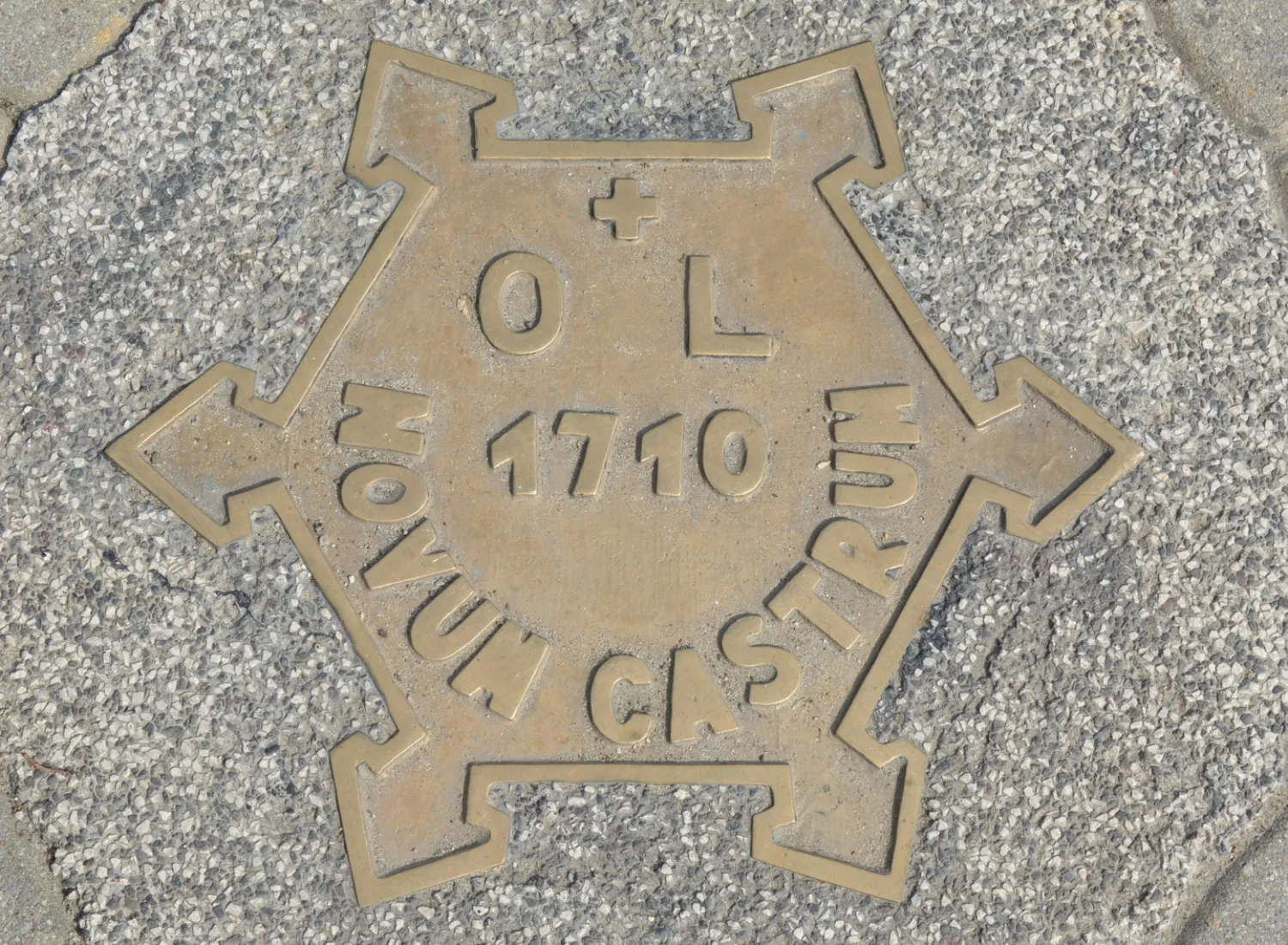
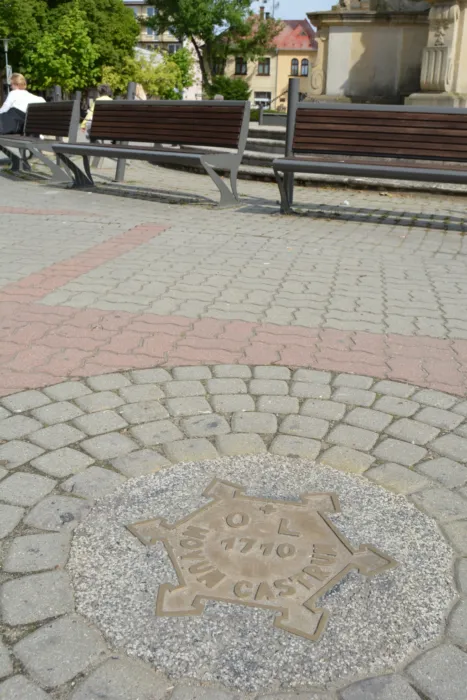
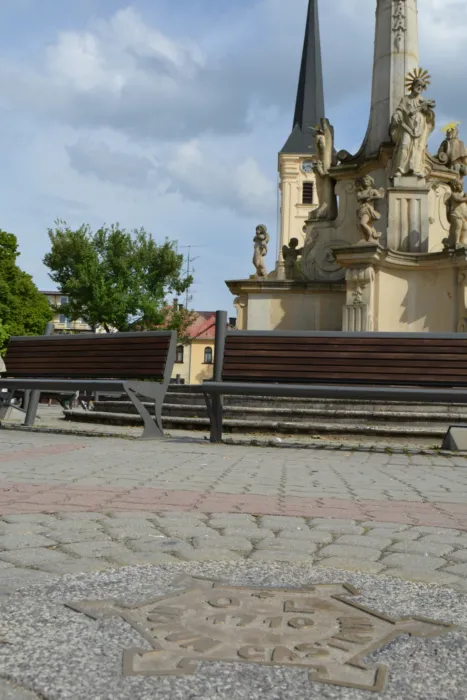
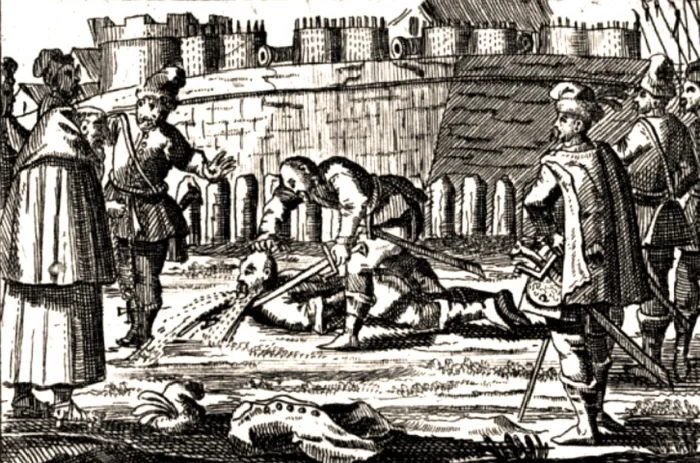
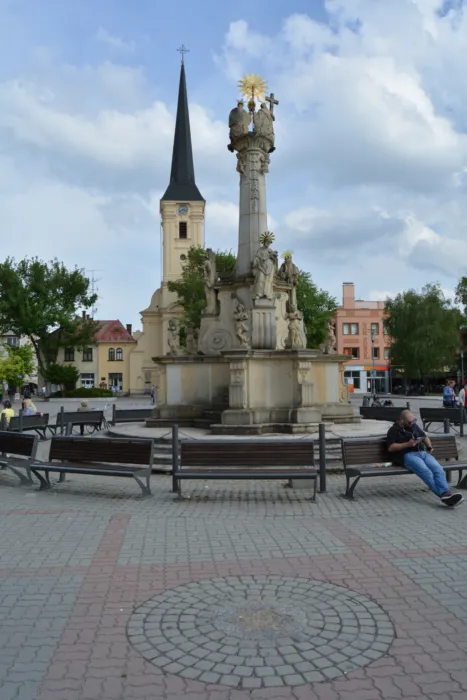
In 1704, the Kurucs captured the castle without a fight. In 1706, Ferenc II Rákóczi stayed in the castle for a longer period of time, signing the armistice here on May 20. In 1708, Hannibal Heister attacked the Érsekújvár castle, but was unable to take it. Kuruc brigadier László Ocskay switched sides after the unsuccessful storming of the city. Lieutenant Ádám Jávorka of Érsekújvár decided to capture the traitor. However, when he arrived with his Kurucs in front of Ocskó (on December 31, 1709), he learned that Ocskay was already living in Verbó, in the Révay castle. On January 1, 1710, dressed as a beggar, he sneaked into the castle and spied out when Ocskay would return to Ocskó. Towards evening, he and his warriors lay in wait on the highway, and after slaughtering most of his companions, he captured Ocskay alive, then took him to Érsekújvár. Here, the military court, presided over by Brigadier János Csajághy, sentenced Ocskay first to be impaled, and finally - with the intervention of Sándor Ocskay - to be executed by the sword as a mercy. In vain did Joseph I refuse, promising to return to Rákóczi, and on January 3, 1710, he was beheaded in the main square of Újvár, and his head was impaled on a stake on the castle bastion. His execution was horrific, the executioner was perhaps embarrassed by the famous convict, and at first he aimed the stake at his shoulder and spine, he had to strike him several times until the brigadier died. ; A bronze memorial plaque stands at this place today, made in 1975. The original plaque was erected in 1929, but was later removed for political reasons. The plaque reads the name of Érsekújvár in Latin, above it the monogram of László Ocskay and the year of his death, all of which are included in the city's coat of arms. The bronze plaque is located a few steps from the Holy Trinity statue. ; The figure of Ocskay was immortalized in literature by Mór Jókai's novel, Szeretve mind a vérpadig, and by Ferenc Herczeg's most successful play, The Ocskay Brigade. Tibor Takács wrote a novel about the Ocskay–Jávorka duel under the title Ezüstkard, and András Dienes wrote a novel under the title Farkasles.