
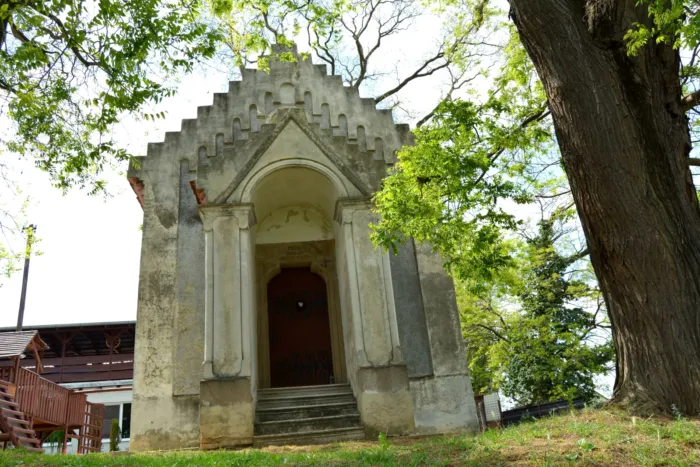
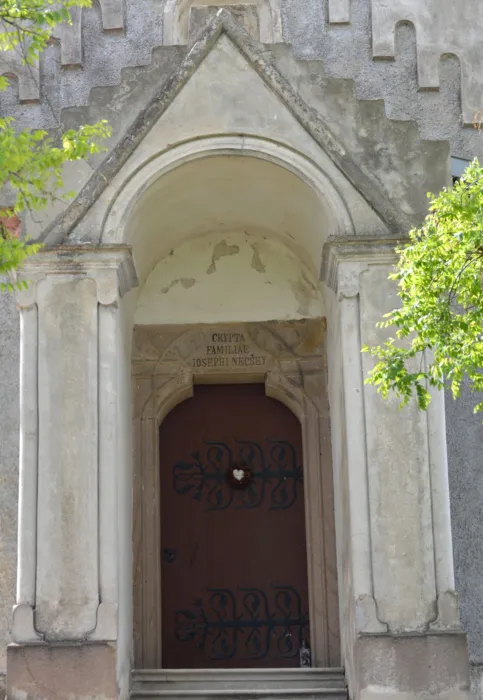
The resting place of the painter István Nécsey
Cemeteries, tombstones, grave sites
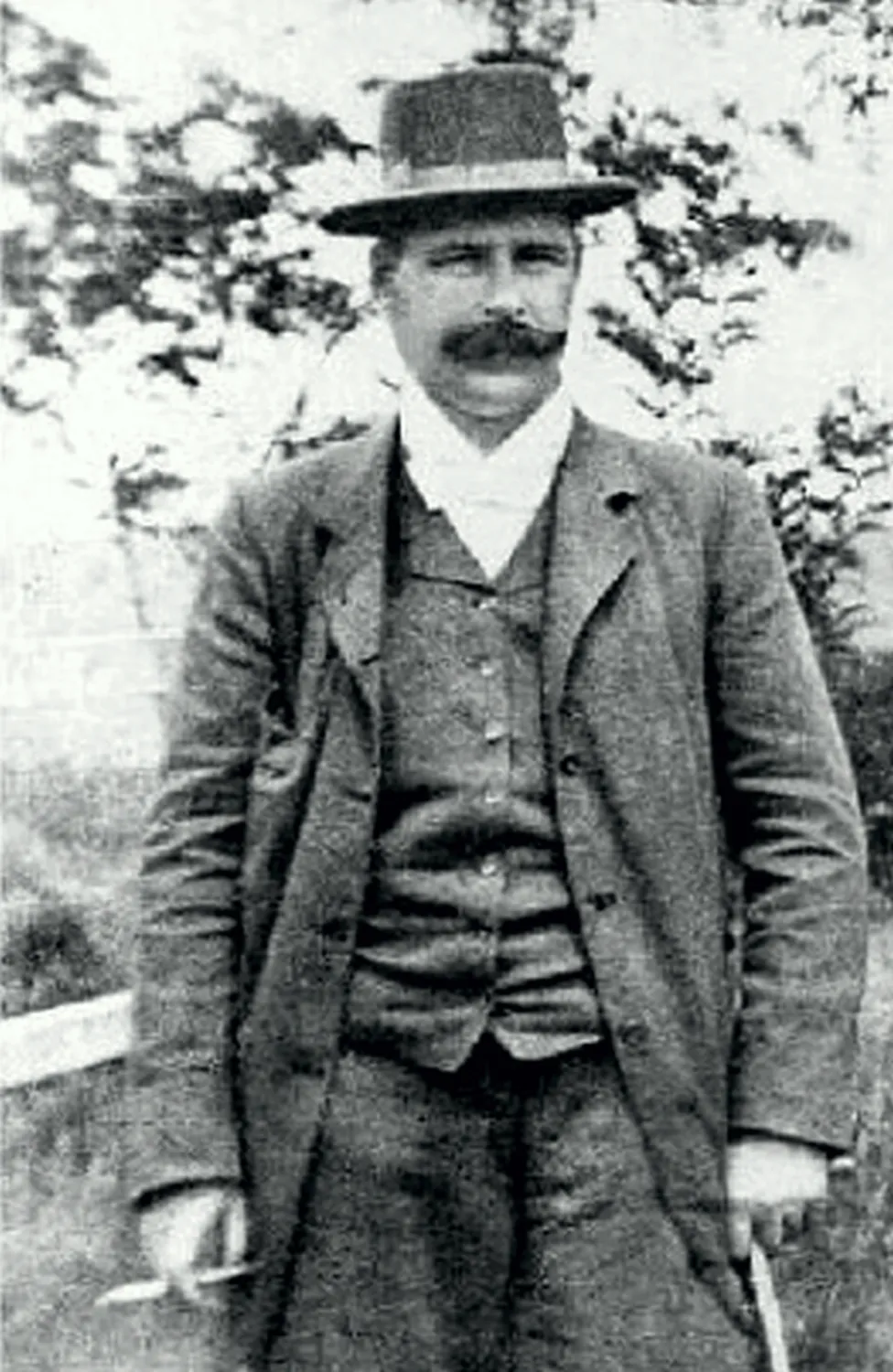
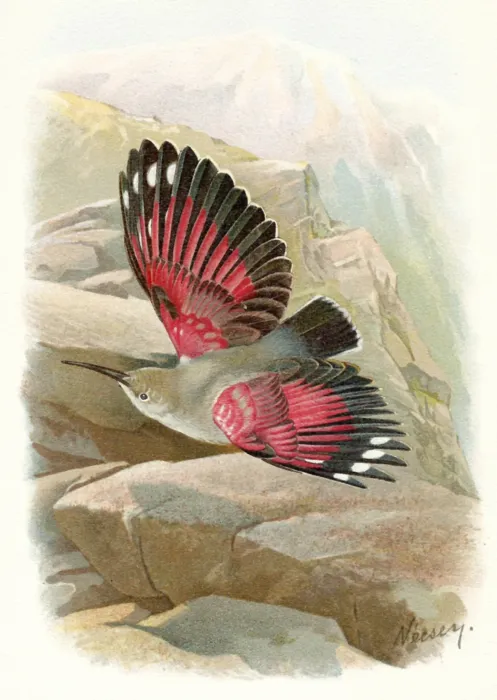
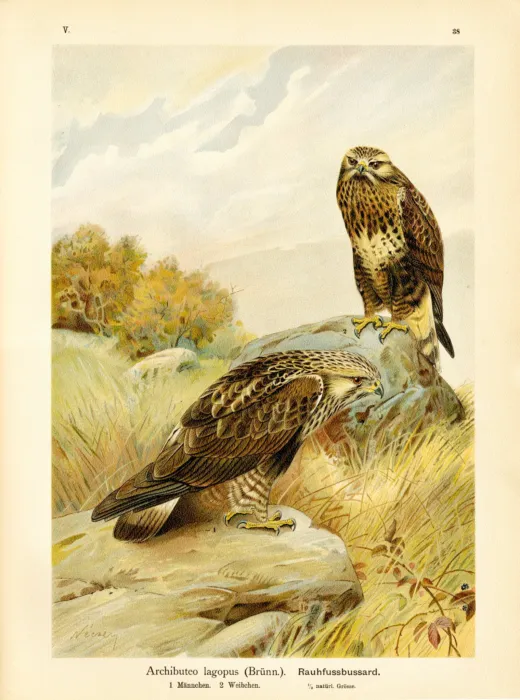
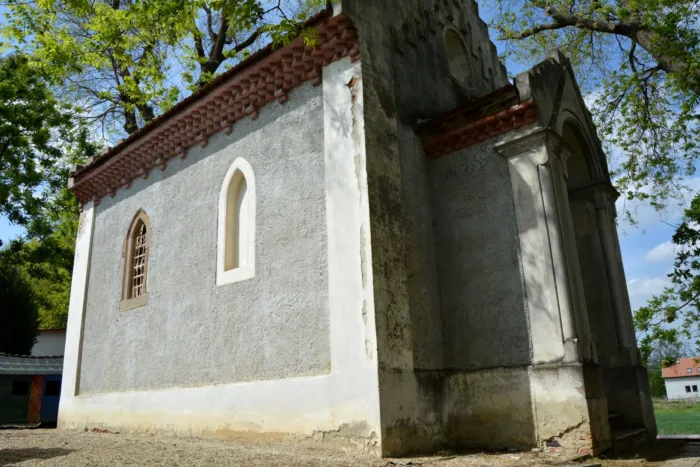
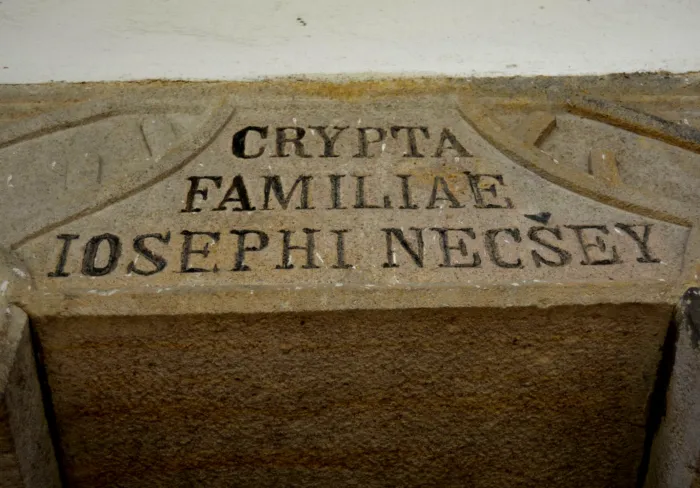
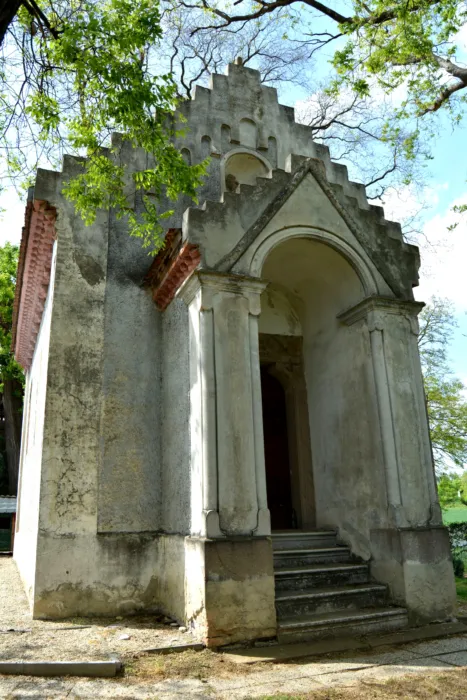
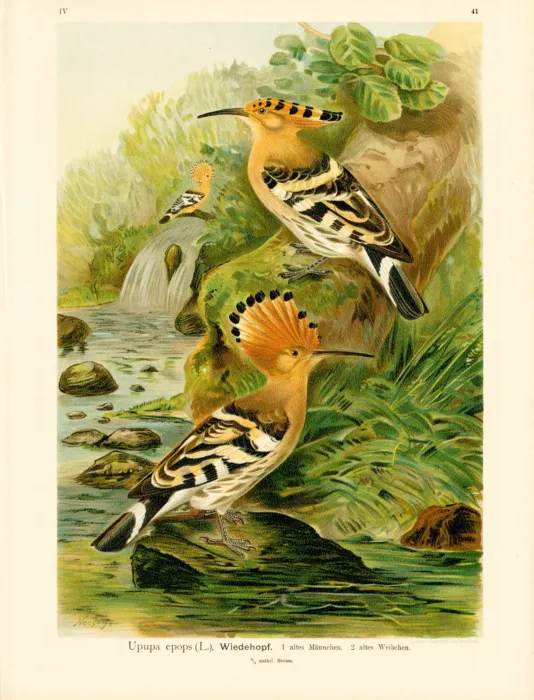
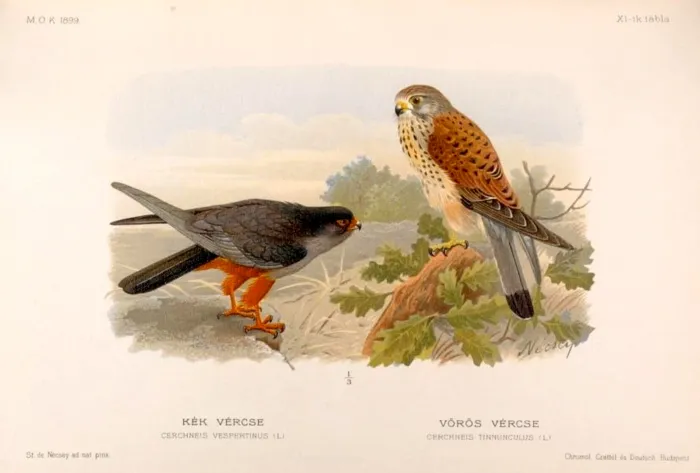
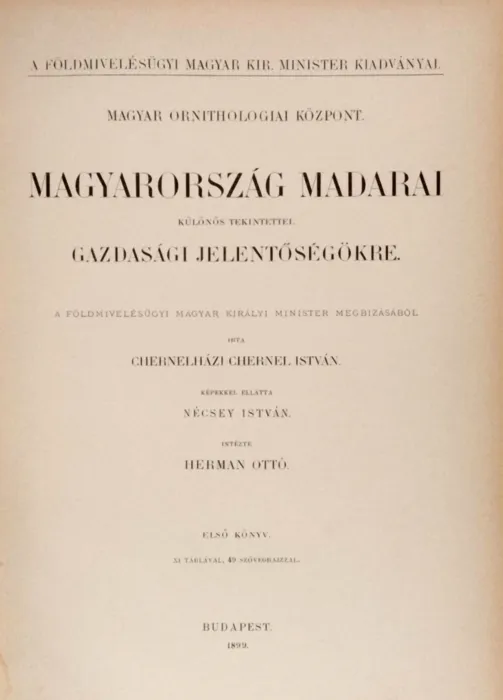
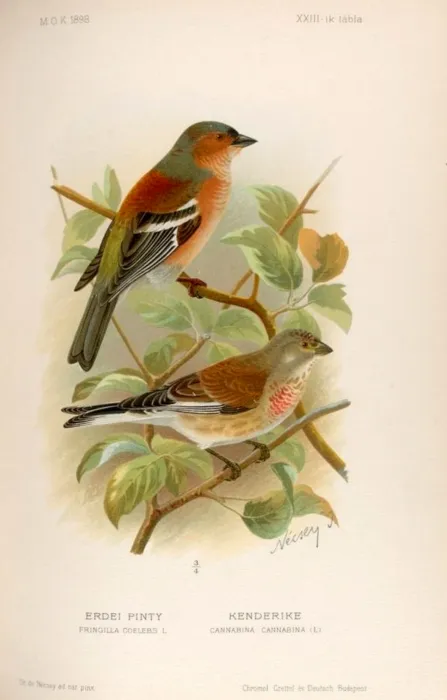
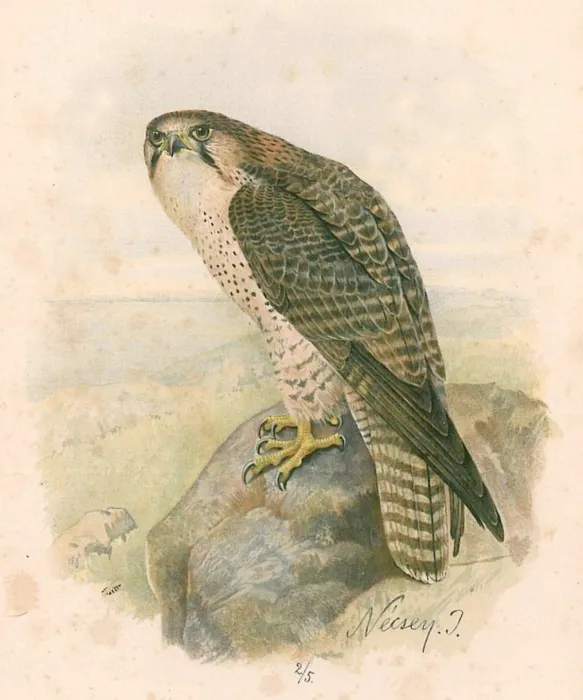
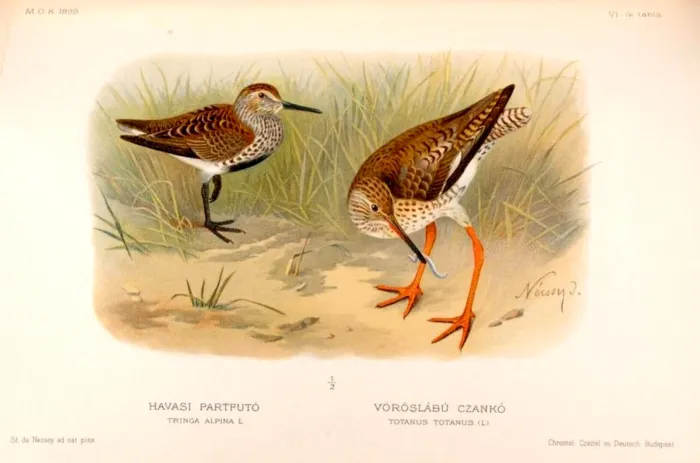
István Bálint Nécsey was a painter, born on February 12, 1870 in Verebély (Barsm.), and attended high school in Nyitra, Bratislava and Léva, where one of his teachers encouraged him to collect insects and paint. In 1887, he passed the high school entrance exam and declared to his parents that he wanted to be a painter, and went to Munich, where he studied at Simon Hollósy's painting school. In the meantime (in the fall of 1888) he enrolled in the painting academy there, but only spent a semester there. In the summer of 1889, he went to Paris and at the beginning of 1890, he enrolled in the Académie Julian. In 1891, he returned to Verebély, where he mostly worked from nature, painting butterflies and birds. In 1892–1893 he served his volunteer year in Esztergom, where he also painted and collected butterflies. As a reserve lieutenant, he returned home and painted butterflies again, sending some sheets to the Academy of Fine Arts with the offer to write a butterfly book and paint illustrations for it, but the Academy only encouraged him to continue his work. He was not lucky with his other paintings either, because the ones he sent for exhibition at the Budapest Art Gallery were rejected. At that time he turned to Ottó Herman (born in Breznobánya) for patronage, who presented his butterfly paintings to the natural science society, heaping praise on his talent, thus making the young painter's name known and inviting him to Budapest, giving him work and getting him a job. In 1895 they traveled together to Hortobágy, where Nécsey made ethnographic drawings, some of which were exhibited at the 1896 exhibition and published in Ottó Herman's work Ancient Occupations in 1898. The Minister of Agriculture commissioned him to prepare the illustrations and color plates for István Chernel's work Birds of Hungary. They were published in two thick volumes of the work in 1899 on 40 color plates and text drawings. At that time he seriously engaged in the study of birds and one or two of his bird pictures also made an impression abroad. He also liked ethnography and published the results of his research, and in addition, he illustrated the first volume of Count Jenő Zichy's third Asian journey published in 1899, then drew Lajos Biró's ethnographic objects in New Guinea and made the drawings for János Jankó's ethnographic studies of Lake Balaton. In the spring of 1901, he followed the invitation of Béla Posta to Kolozsvár, who won him over to illustrate the archaeological part of Zichy's travel work that he was to write. Nécsey was also scientifically interested in lepidopterism, he planned to paint and describe all the Palaearctic butterflies, he did start the work and the general part of this and a fragment of the special part are among his manuscripts. In December 1901, allegedly at the request of a lady in whom he was very interested, he traveled to Munich, where he spent two months working on his painting "Great Babylon". On March 4, 1902, he drank morphine and died in the hospital in Munich on March 26 of the resulting illness. ; His remains rest in the family crypt in Verebély. ; ; Czikkei in Rovartani Lapok, in Ethnographia (1900. The woolen ball and its spindle, Upper Hungarian dipping vessel, Linen smoothing glass, The shirt button, 1901. A pet bird, The končjár). ; His work: Conclusion to the debate "The Origin of Hungarian Fishing". Budapest, 1901. (together with János Jankó).