
Wedding Palace in Nagybiccse
Building, structure
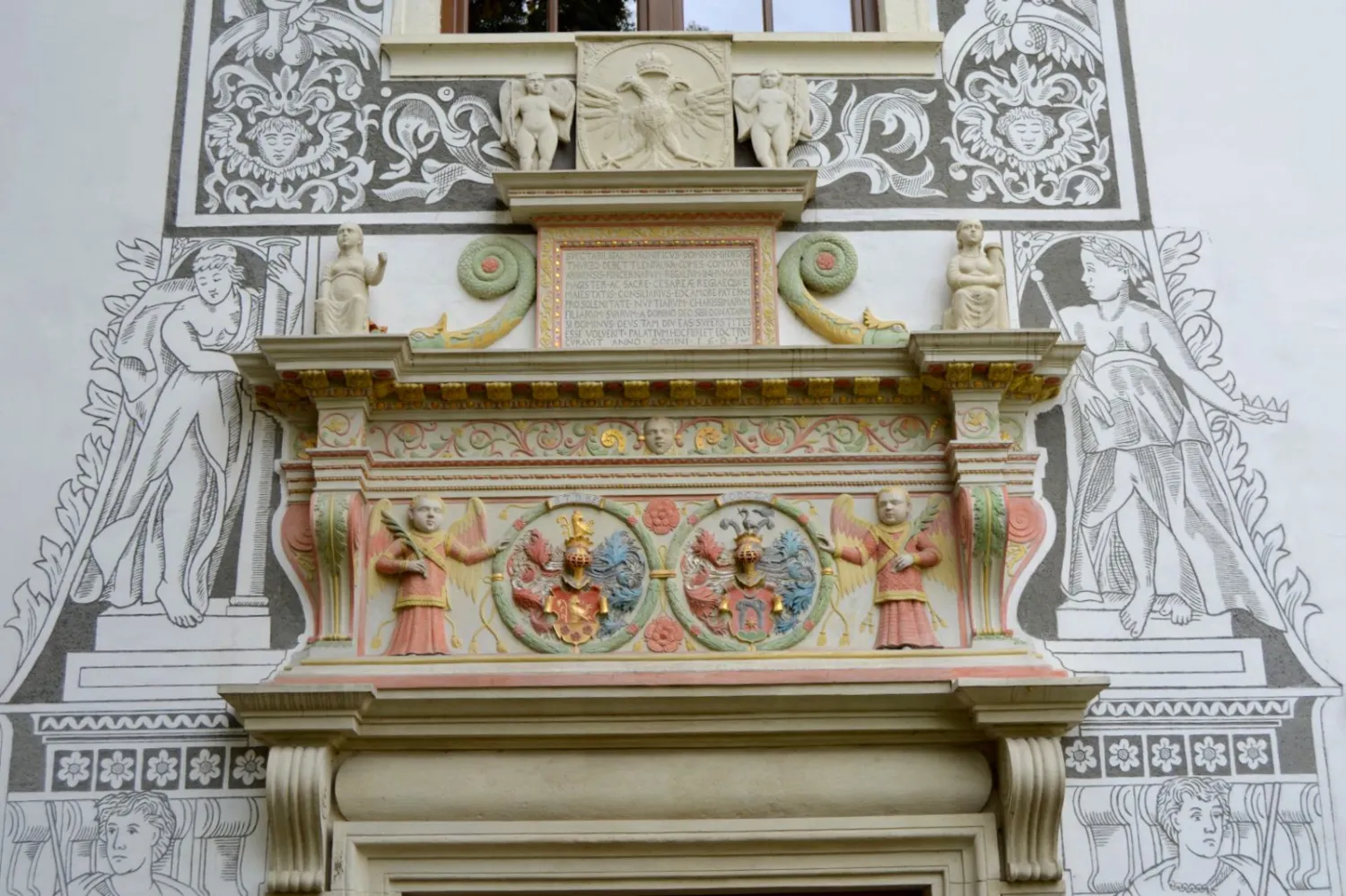
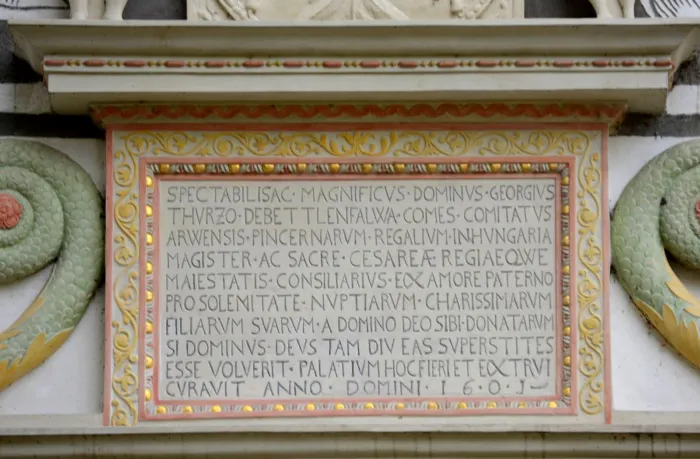
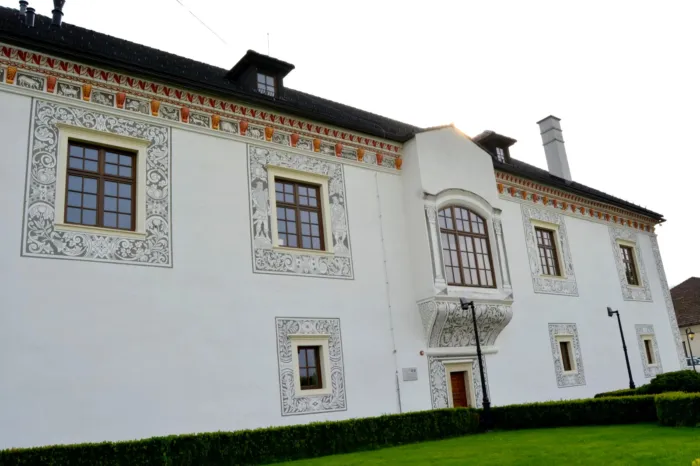
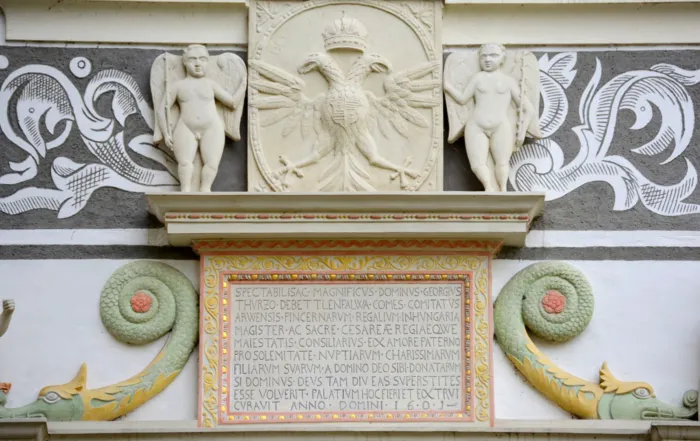
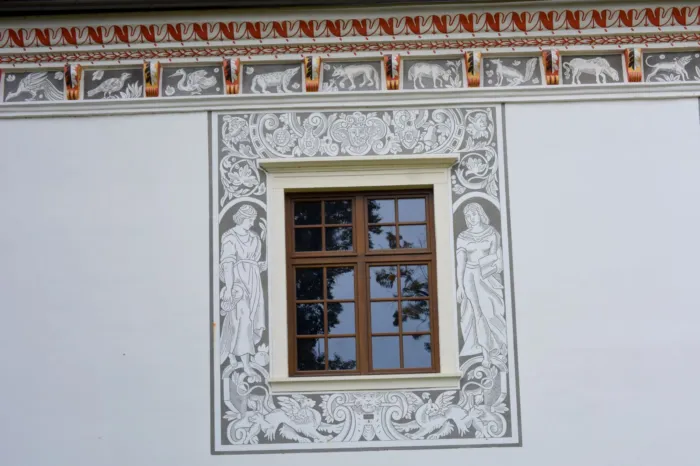
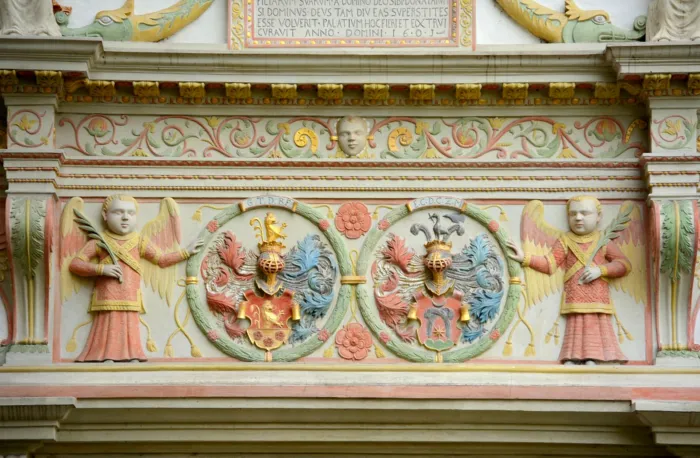
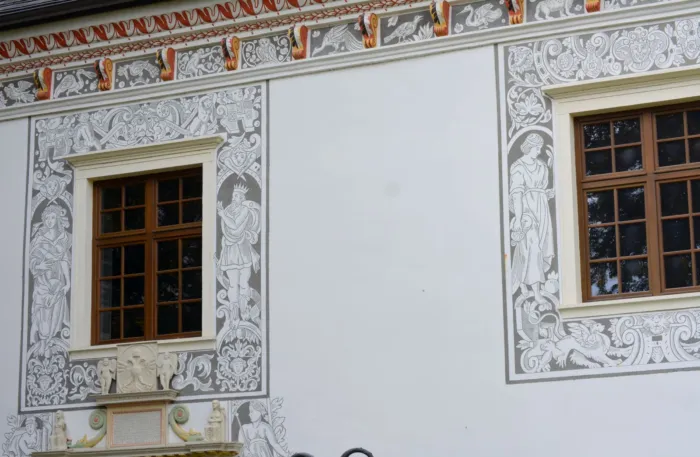
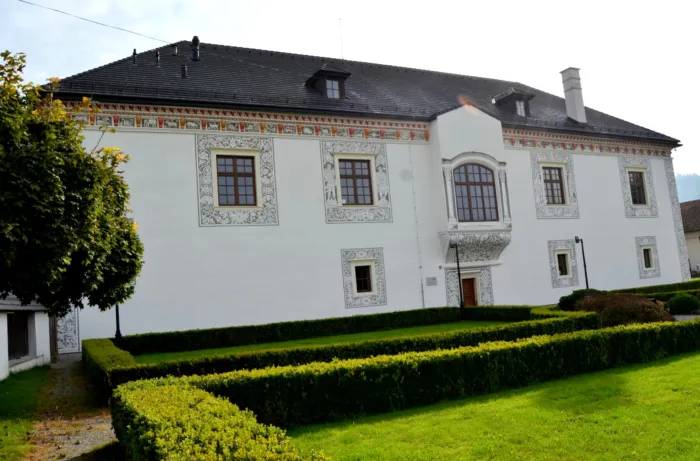
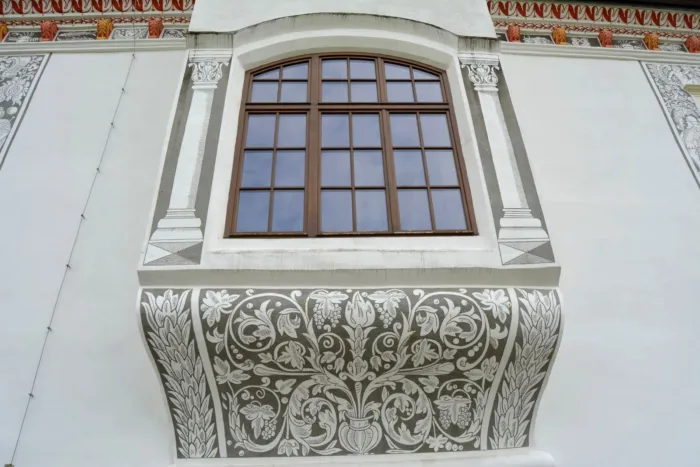
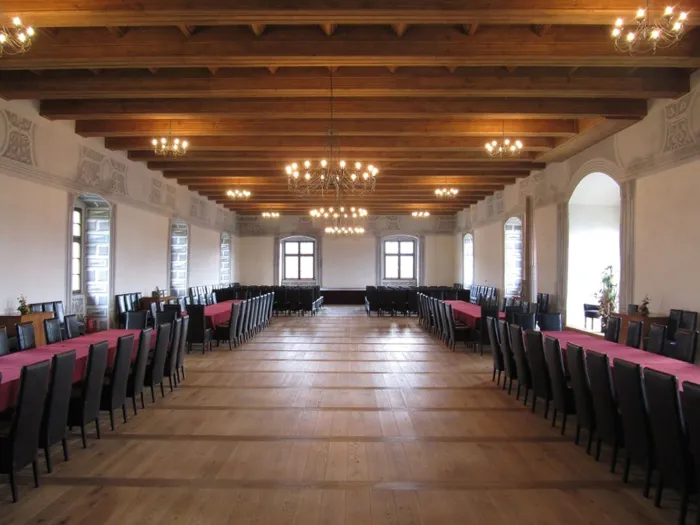
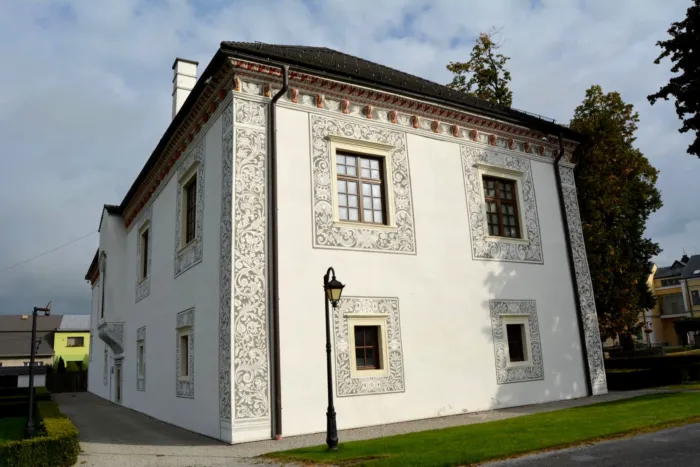
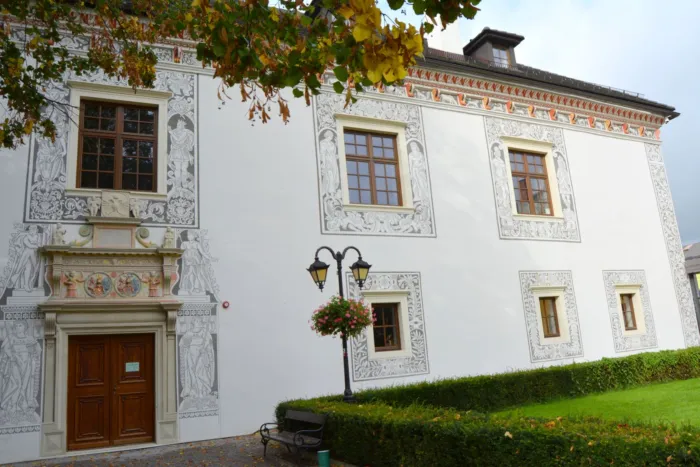
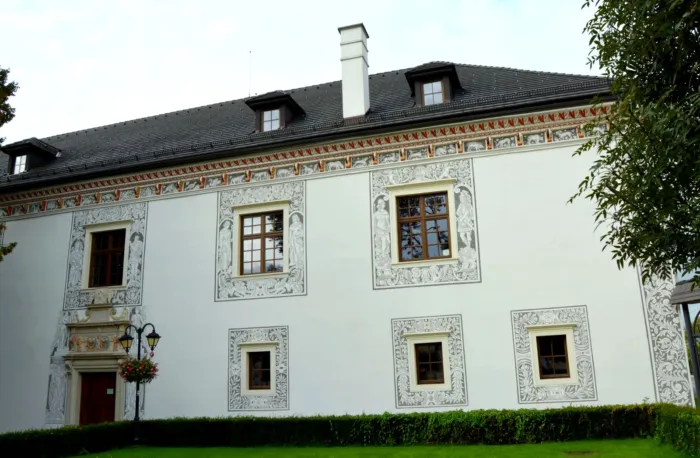
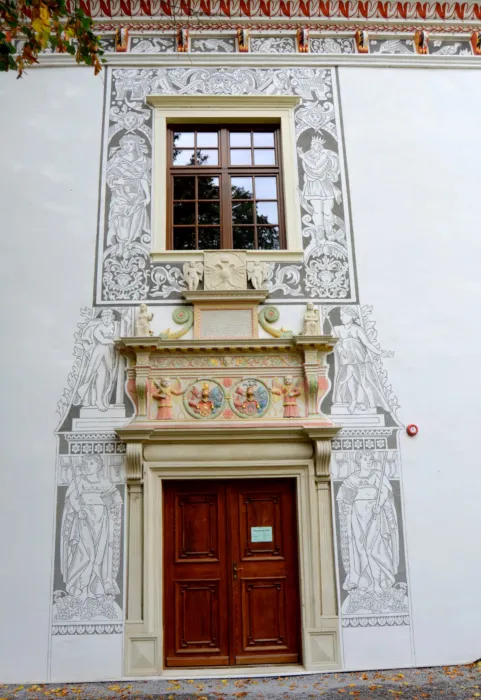
Next to the castle, on the site of the medieval castellum, György Thurzó had the so-called Wedding Palace built in 1601 for the wedding of his daughters, its facade is adorned with rich stucco and sgraffito decoration. On the ground floor there were four vaulted rooms, including the kitchen, and on the first floor there was a single huge (34.5 × 12.5 m) large hall, covered by a coffered wooden ceiling with a painted frieze running around it. Similar wall paintings decorate the window niches, and on one side of the hall there was a wooden gallery for musicians. ; György Thurzó's daughters did indeed get married soon after. Fortunately, writings about the magnificent events have survived, so we can recall the details. ; In 1603, it was the turn of Zsuzsanna Thurzó's wedding. The peasants of the surrounding estate had to hand over the following: 33 roe deer, 185 rabbits, 526 imperial birds, all of which were needed only for the game meat dishes. ; In 1607, Judit Thurzó married Antal Jakusith, a landowner from Oroszlánkő. The revelry for the seven countries took place in the "wedding house" in Bicce. ; In 1612, Borbála Thurzó followed, who was married to Kristóf Erdődy. According to the surviving order of the official, the Bicce and Hricsó manors were obliged to deliver the following foodstuffs: 1,500 forints in cash for the kitchen and spices, 40 fattened oxen, 19 bulls and cows, 140 calves, 350 lambs, 200 pigs and piglets, 16 whole bacon, "and as many deer and wild boars as God gives..." At the same time, the serfs of the Thurzók Orva manor delivered the following to the kitchen steward: 30 bison, 200 rabbits, 600 imperial birds and prisoners, 400 geese, 1,000 hens, 6,000 eggs, 1,000 galocha fish, 2,500 trout, 400 rainbow trout, 1,000 white fish, 15 loads of potyka, 60 larger and 120 smaller pike, 400 bushels of oats, 75 carts of hay. The oats and hay were to be used to feed the horses of the visiting lords arriving at the Nagybicces castle. ; In 1614, the youngest Thurzó lady, Ilonka, was sold. To feed the wedding party, the following domestic and wild animals had to be delivered to the Nagybicces kitchen: 6 wild boars, 7 deer, 55 roe deer, 200 rabbits, 600 prisoners and imperial birds. ; The weeks of joyous days were replaced by mourning in the magnificent manor house in 1616. Count György Thurzó, Palatine of Hungary, Lord of Pest-Pilis-Solt and Árva counties, had passed away. The ceremonial funeral also took place here. However, the body, which was laid to rest in the local Reformed church, was taken to the castle of Árva a few years later, where his tomb was decorated with a marble statue that can still be seen today in the chapel. Naturally, the widow had to keep the illustrious people invited to the funeral well. The list of the food consumed has survived: 10 oxen, 43 calves, 144 lambs, 341 geese, 691 hens, 12 turkeys, 103 imperial birds, 2 grouse, 2 deer, 1 roe deer, 27 rabbits, 18 suckling pigs, 55 pike, 169 carp, 100 trout, 750 bream, 150 eels, 100 flounder, 600 herring, 40 crucian carp, 1600 eggs, 400 kg. cheese, 100 kg. salt, 100 bushels of flour, 108 bushels of second-milled flour, 7 and a half bushels of cake flour, 2 bushels of cake flour, 8 flank bacon, 54 half-pounds of lard bacon, 29 pounds of butter, 28 half-pounds of honey, 12 forints worth of tallow candles, 103 pounds of olive oil, 6 and a half akós of wine vinegar. ; The wedding of the only son of the deceased Palatine, Imre, in 1618, was reminiscent of the splendid weddings of the old days. The young magnate married Krisztina Nyáry at that time. The widowed Palatine, Erzsébet Czobor, spent more than 27 thousand forints on her son's wedding. The marriage was concluded in Királyhelmec, while the 52-day celebration took place in its usual place, in the "wedding house" in Bicce. ; After barely three years of happy marriage, Imre Thurzó died at the age of 23. With him, the wealthy family was divided into male descendants. Three years later, the widow Krisztina Nyáry married the judge Miklós Esterházy, who preferred to stay in his residences closer to the Vienna Court. With this, the heyday of Nagybiccse ended, and the buildings were neglected, although they were still inhabited.