
Nagyvezekényi Esterházy Monument (Vezekényi Lion)
Statue, monument, memorial plaque
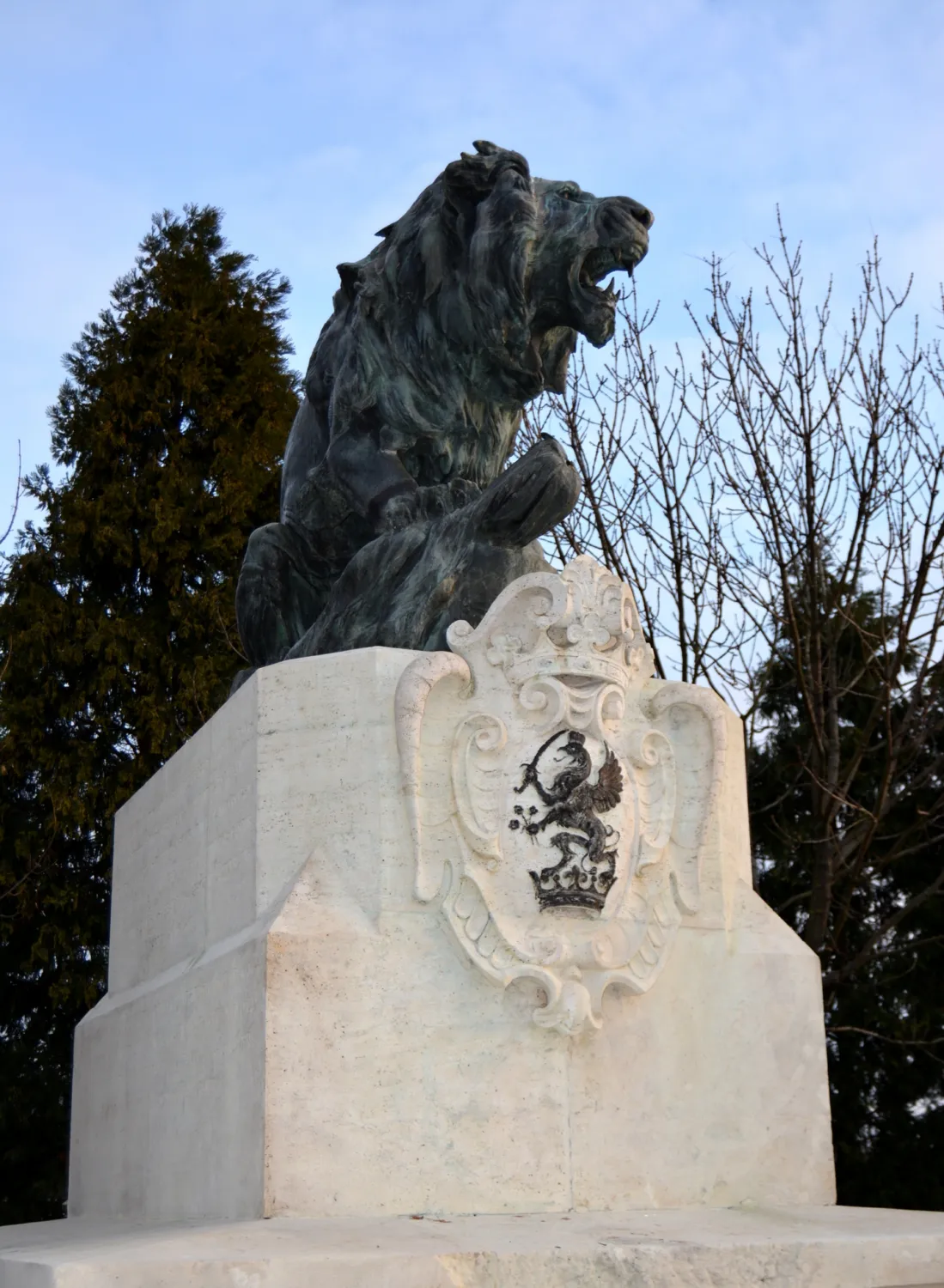
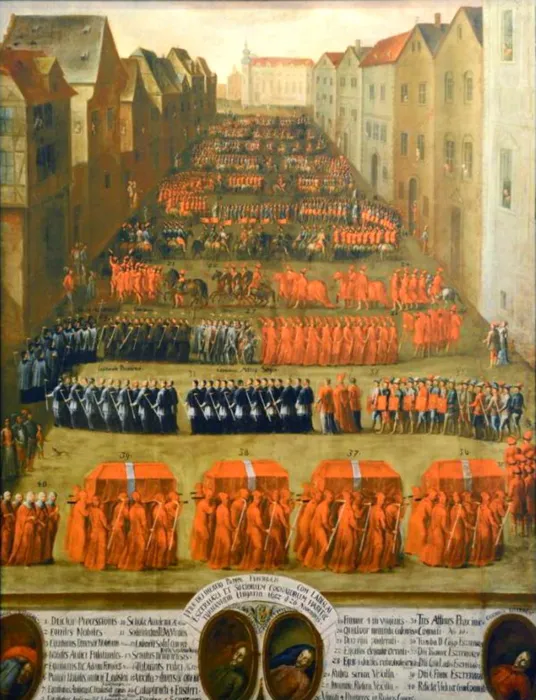
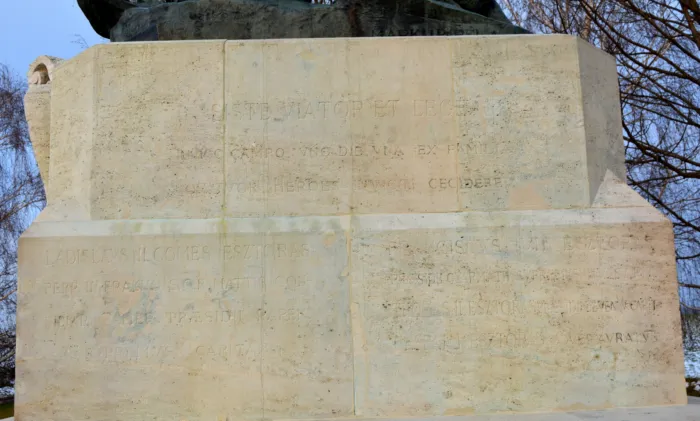
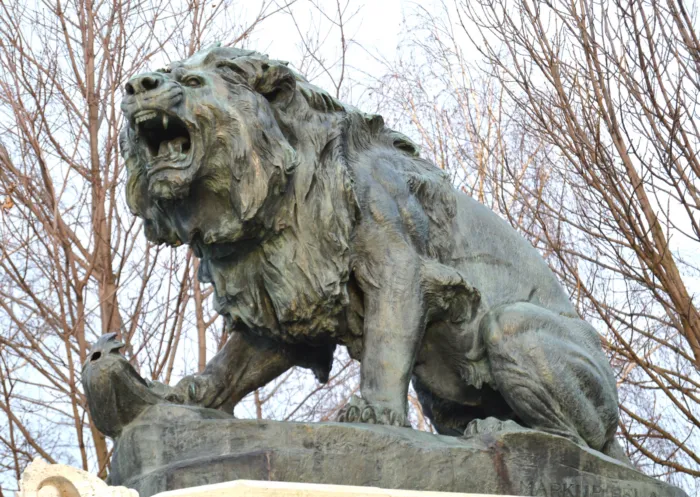
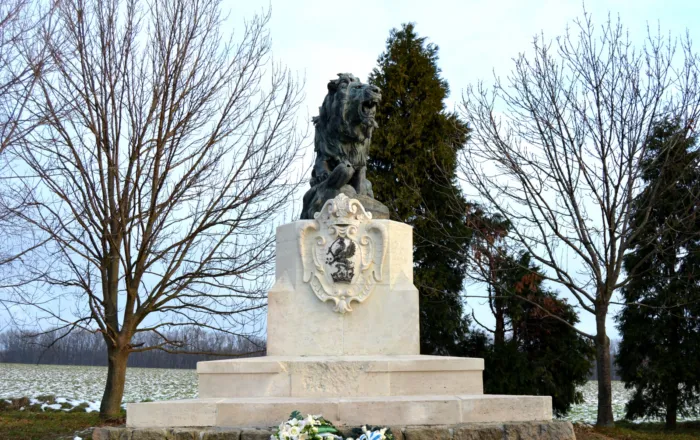
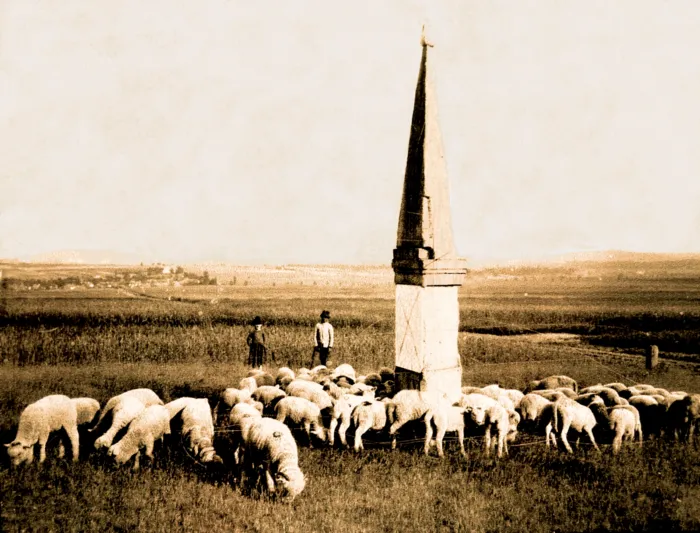
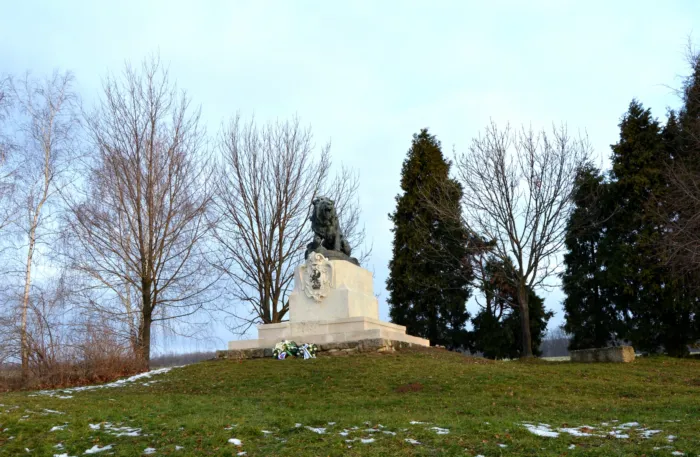
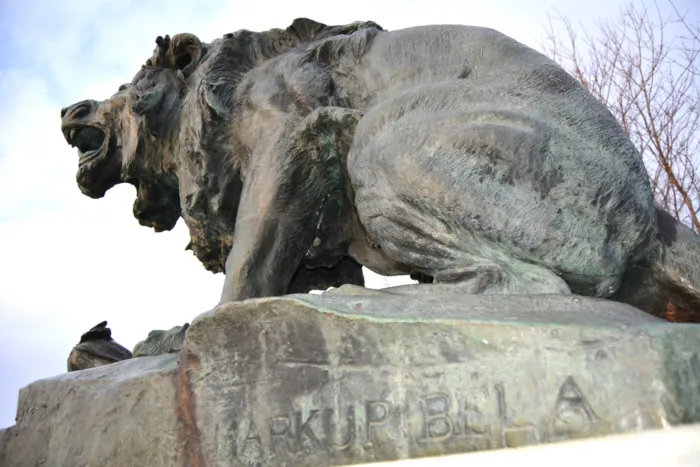
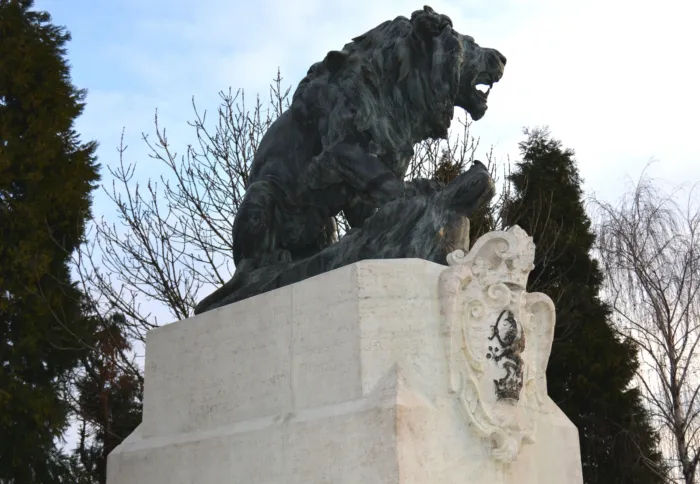
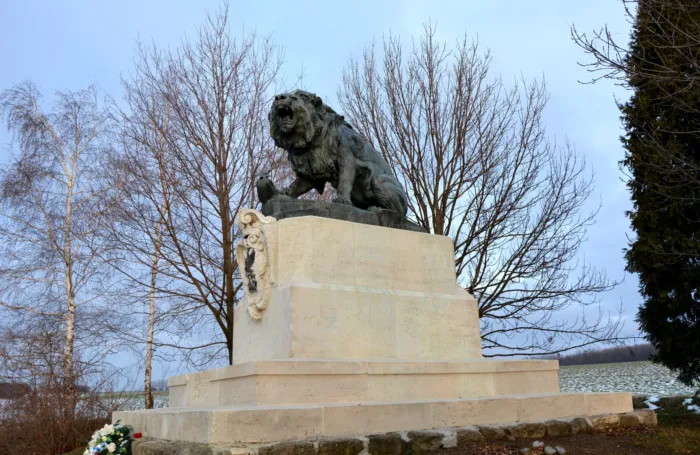
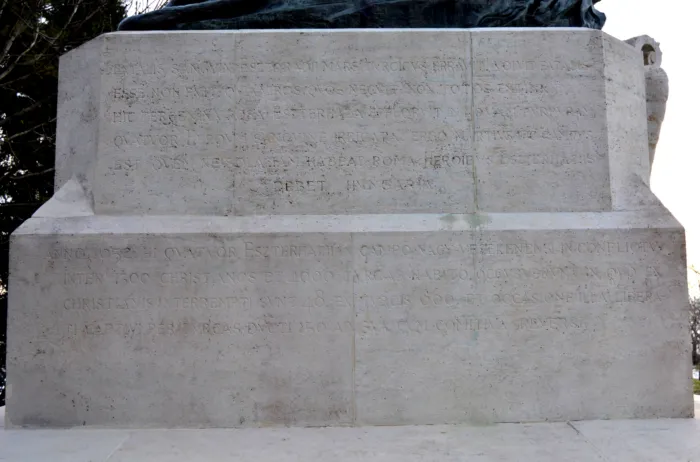
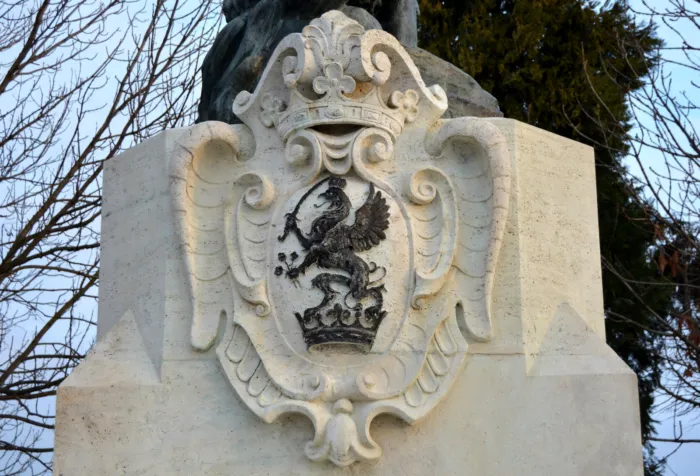
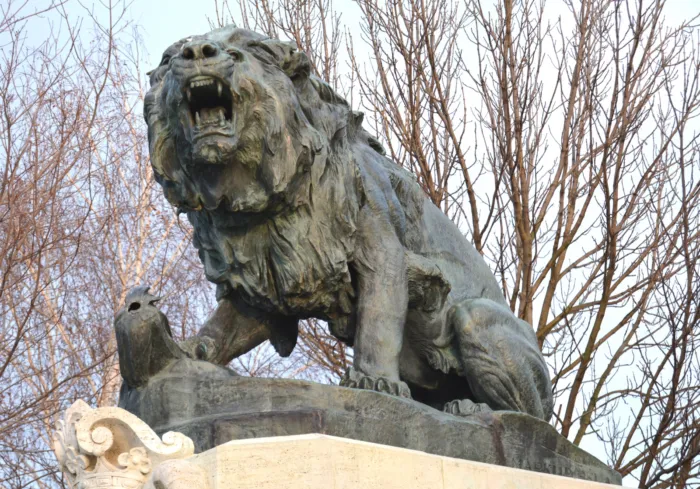
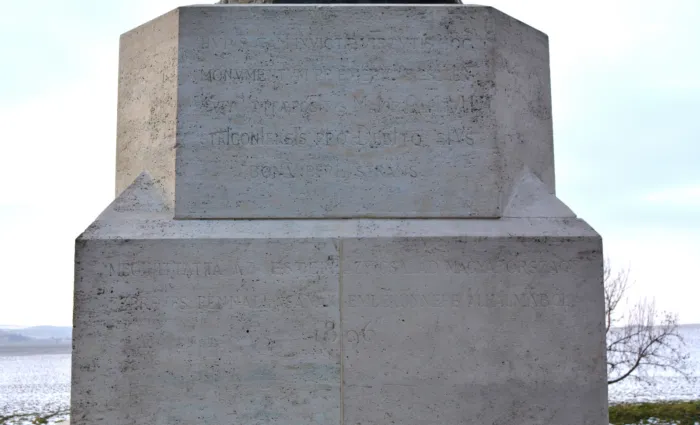
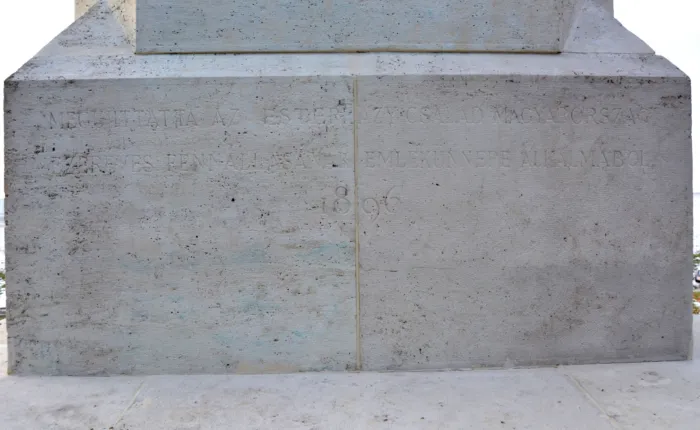
In 1734, 82 years after the Battle of Vezekény, the Grand Provost of Esztergom, Imre Esterházy (bishop of Nitra between 1740 and 1763), had a three-sided, pyramid-shaped sandstone monument erected on the site of the current monument, which was 3.792 meters high. The pyramid had Latin text engraved on all three sides. However, over the years, the monument fell into disrepair, despite several attempts to renovate it. ; In the year of the millennium, on August 24, 1896, the stepped statue base of the monument was inaugurated. The Latin text on the base announces the events of the battle, and in Hungarian we can read about the family's intention to erect a memorial. The facade of the base is decorated with the characteristic Eszterházy coat of arms, a crowned griffin standing on a crown, holding a curved sword in its raised right hand and three roses in its left. ; The lion statue was commissioned to be made by the young (barely twenty-three years old) sculptor Béla Markup (1873 - 1945), whose best-known decorative sculpture is the two lions guarding the main entrance to the Parliament. The bronze lion statue, commissioned by the Esterházy family, breaking the Turkish flag and its battle decorations, was unveiled in a ceremonial setting on May 12, 1897. ; The statue was cast in the Schlick-félé Rt. factory in Budapest. ; The monumental work was knocked off its pedestal by vandals in September 2013. They tried to saw it apart and sell its material, but since they were unsuccessful, they left it there. The statue has since been renovated in the studio of sculptor-restorer Ladislav Sabo from Galanta and was returned to its original place in January 2016. This is the only monument in the Highlands that has survived from the time of the anti-Turkish wars. ; On August 25, 1652, a little-mentioned Turkish-Hungarian clash took place near Vezekény. The battle itself is not significant, since the size of the participating armies was modest, and the outcome of the battle did not change anything about the Turkish occupation. However, one thing makes it special: four members of the Esterházy family also fell here, and there are not many examples of this in Hungarian history. ; The battle itself took place according to the usual schedule of the time. Although Vezekény fell outside the territory of conquest, Turkish troops of various sizes and qualities often invaded the remaining Kingdom of Hungary on a raid, plundering and burning the villages in the area. In this case, similar events also took place. ; There is only somewhat contradictory information about the course of the battle. It is certain that the resistance was organized by the Rajka-born Captain-General Ádám Forgách of Érsekújvár, and that he did not want to risk an attack in the face of significant superior forces. Instead, he planned to cut off the path of the retreating Turks. Moreover, Forgách received a report that the Turks were holding a few hundred Christians in their camp near Teszér, which obviously encouraged him even more to take action. He therefore ordered the formation of a wagon camp to stop the expected Turkish attacks. The number of those involved in the enterprise is uncertain. If we are to believe the notes of Simon Reninger, the later imperial envoy to Istanbul, in addition to approximately 600 Hungarian soldiers, 150 German cavalry, the same number of infantry, and the same number of hajdú set out. The number of Turkish raiders could not have been more than 3-4,000. According to reports, a rather bloody battle unfolded. After an unsuccessful initial Hungarian cavalry charge, Forgách's soldiers defended heroically for a long time, until finally the attack of the cuirassiers (armored cavalry soldiers) broke the Turks. Commander Mustafa suffered very heavy losses in a few hours. According to Reninger, several high-ranking Turks were killed, including the Hatvan Bey and several aghas. ; As for the Esterházys, László Esterházy, Ferenc Esterházy, Tamás Esterházy and Gáspár Esterházy were killed. What we can know from the descriptions is that László, bleeding from several wounds, eventually died of a head injury, while Ferenc was beheaded by a Turk. Of the four young men who fell, László was undoubtedly the "biggest name". The boy, who was only twenty-six years old, was already an imperial chamberlain, a Hungarian royal privy councilor and a papal captain-general, so he had a great future ahead of him. According to some records, the death of the four nobles caused such confusion that the Hungarians did not even finish the battle, and the Turks, who had suffered a tactical defeat, were able to continue plundering the area. ; The Esterházys who fell in the battle were buried with great pomp in Nagyszombat on November 25, 1652. The funeral of the four Esterházy boys provided an opportunity for family representation, highlighting the fact that no noble family had made such a great sacrifice in the fight against the pagan Turks. The best and brightest of the Hungarian nobility gathered in Nagyszombat for the splendid funeral, which took place three months after the battle. The coffins arrived in carriages "covered to the ground with red cloth", which, according to the diary of Pál Esterházy, were accompanied by about 5,000 mounted warriors. They were followed by mourners with torches, singing in a plaintive voice. The coffins were laid to rest in the Jesuit church in Nagyszombat, built by Miklós Esterházy. In front of the altar stood a magnificent castrum doloris (literally: castle of pain), a stage-like structure made of wood and papier-mâché, with a canopy resting on columns, an indispensable accessory of noble funerals. The bishop of Csanád praised the heroic self-sacrifice of the Esterházy boys in Latin, and the bishop of Pécs in Hungarian, and then, to the humming sound of funeral music, the four tin coffins were lowered one by one into the family crypt.