
Nagykövesd Castle
Building, structure
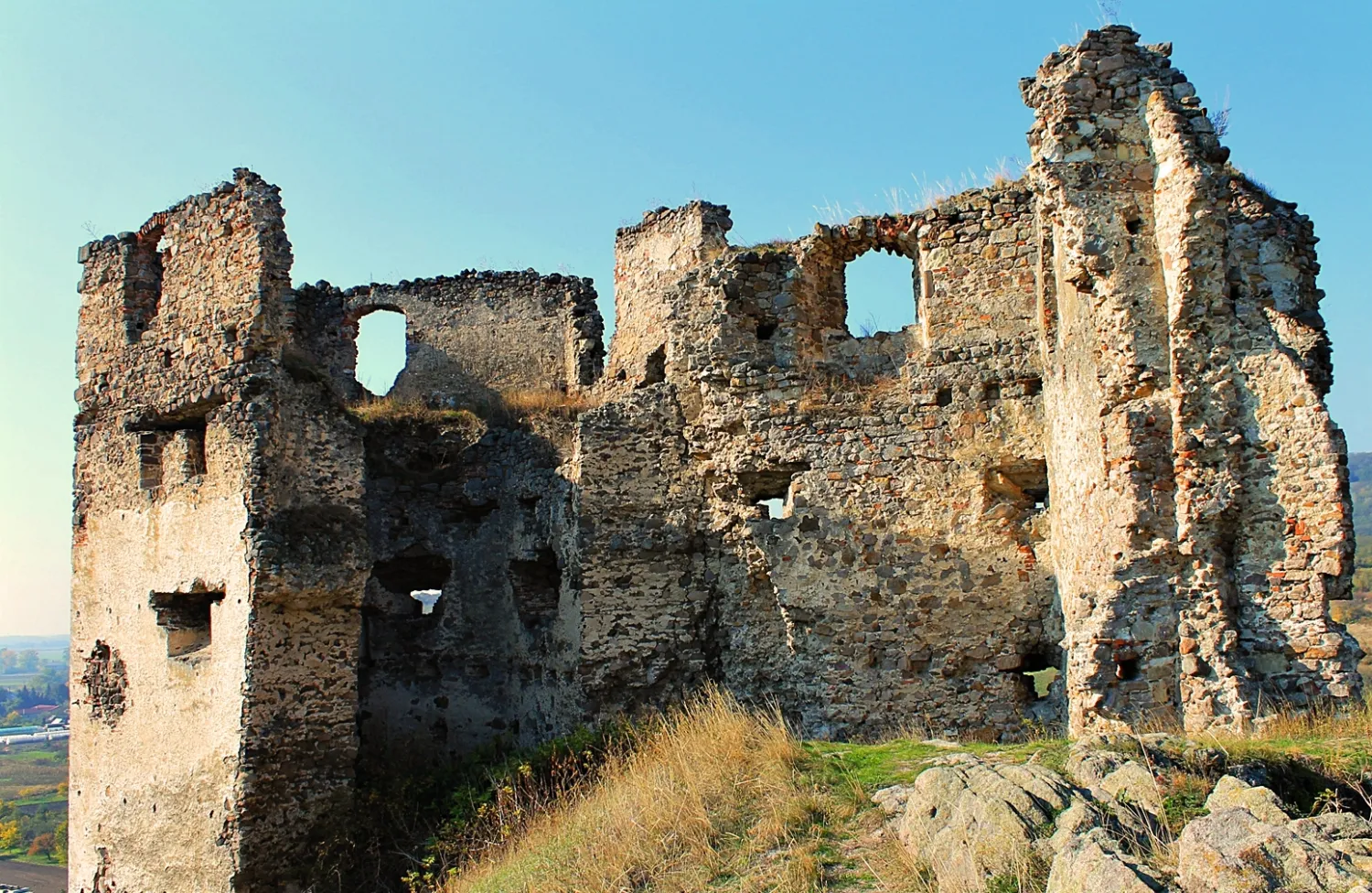
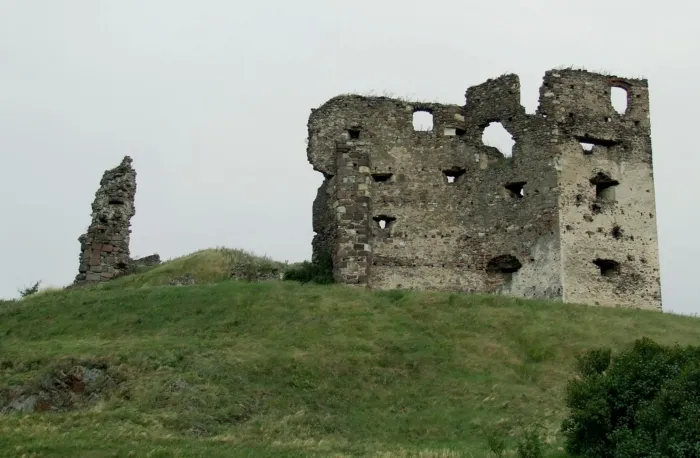
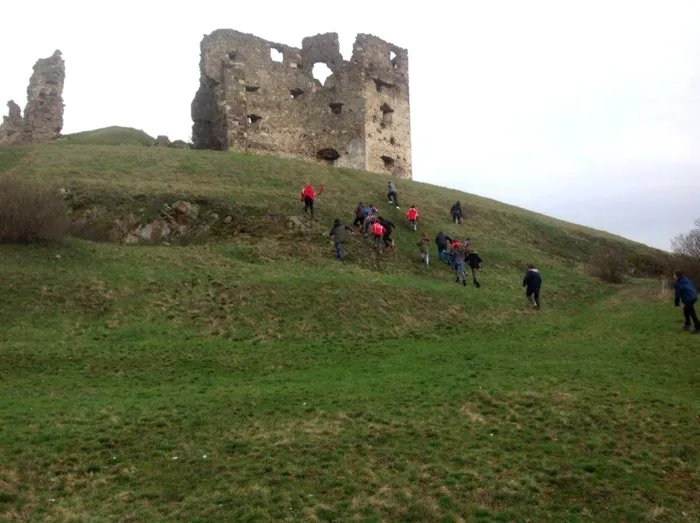
There are different opinions about the origin of the castle. According to one, it already existed around 1040. According to others, it was built by Lorán in 1247, whose sons exchanged the estate belonging to the castle with the sons of Ban Micz in 1280. According to another version, the castle already belonged to the Lelesz provostship in 1247. Some writers dispute that it was built in 1283 and was built by Lorán from the Rathold clan, the ancestor of the Lorántffys, who, rebelling against King Ladislaus IV, sent Ban Micz and Palatine Finta against him. Lorán himself is said to have fallen in the battle and the castle was given to Ban Micz. Finally, another source names Simon's son György as the owner of the castle in 1280. At that time it is mentioned as Kuezd, Kuuesdi, Csud, Kuestd, Kuuestd. In the XIVth century, the castle was named after the king of Hungary. In the 13th century (1323), it was ruled by the Soós and Szerdahelyi families, who came from the Micz ban clan, who fought each other with weapons for a century and a half over the right to the castle. In 1358, the Szerdahelyi family was the only one in it, but a century later, in 1446, the Soós were again in possession, from whom the Szerdahelians took it again, but in 1450 the Soós brothers, György and Miklós, got it back from János Hunyadi. For a while, the Czech troops of Giskra also camped in the castle, with whom János Hunyadi concluded an agreement here. According to others, they took the castle in 1451 and were only expelled from there by King Matthias in 1459. In 1505, the Szerdahelyi family was again in possession, but the following year the castle belonged to Tokaj and was ruled by Literáti. In 1526, László Szerdahelyi transferred the castle and the manor to his wife, Margit Werebélyi. In 1556, Ferencz Némethy, a supporter of Szapolyai, took it for Queen Isabella, but two years later, the imperial leader Imre Telekessy reconquered it for King Ferdinand. In 1560, Benedek Serédy was registered in its possession, but later it reverted to the Micz ban descendants, reviving the litigation of the related families. In 1572, Gergely Bocskay briefly interrupted the rivalry of the other Micz ban descendants by occupying the castle for himself, but three years later he was forced to hand it over to his relatives, the Soós, who sued him for it. In 1575, a document mentions Gáspárt Serédy as the owner of the castle, and in 1609, Baron Miklós Bocskay. More than half a century passes with the incessant litigation of the descendants of Ban Micz, until György Soós finally wins the estate, but in 1672, being involved in the Wesselényi conspiracy, he is forced to flee and the estate is taken over by the state treasury. The following year, the imperialists blew up the castle, which has been an unreconstructed ruin ever since. ; In 1690, Éva Barkóczy, the widow of György Soós, received the estate back by way of clemency, after which it passed to the Klobusiczky family through her daughter, Ferenczné Klobusiczky. In the last century, apart from this family, in 1803, we see Baron Fischer on the estate. In 1882, Duke Windischgraetz was the landlord, but Baron Jósika and Gedeon Aladár also owned part of it. There are three castles in the village. Two of its churches are barely a hundred years old. Nagykövesd is the seat of the district notary, with a post and telegraph station, and its railway station is Szomotor."