
Great Seminary
Building, structure
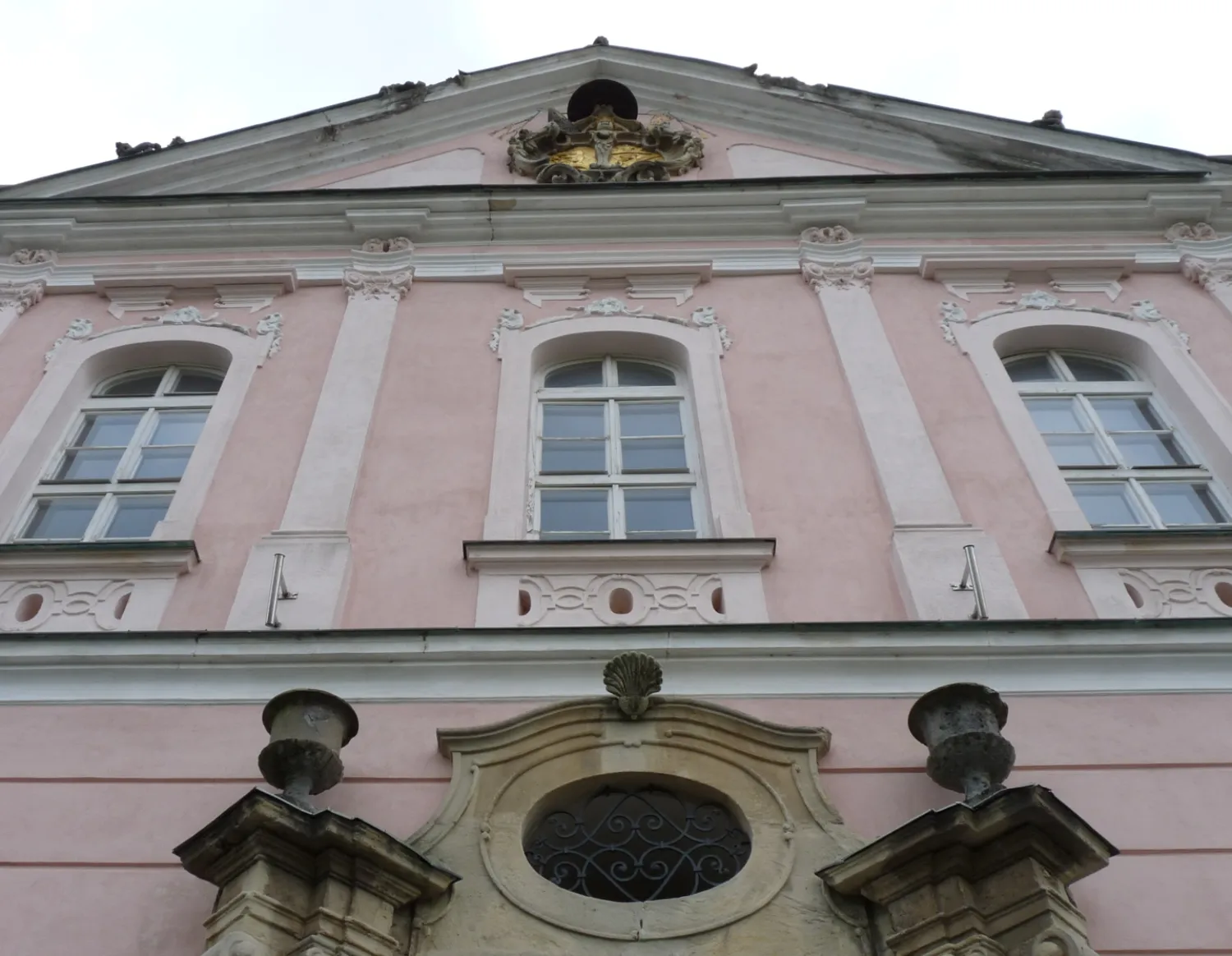
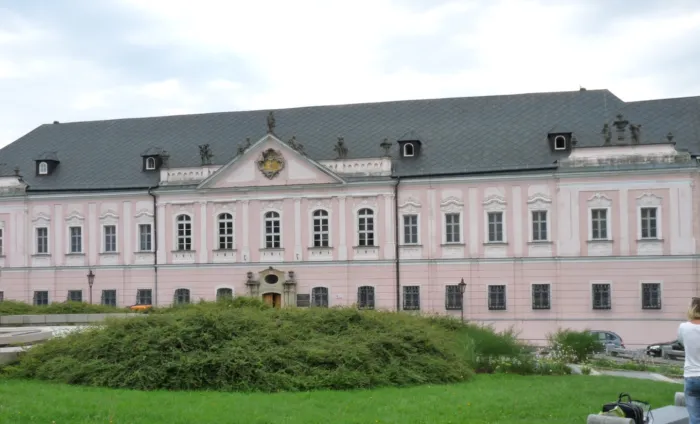
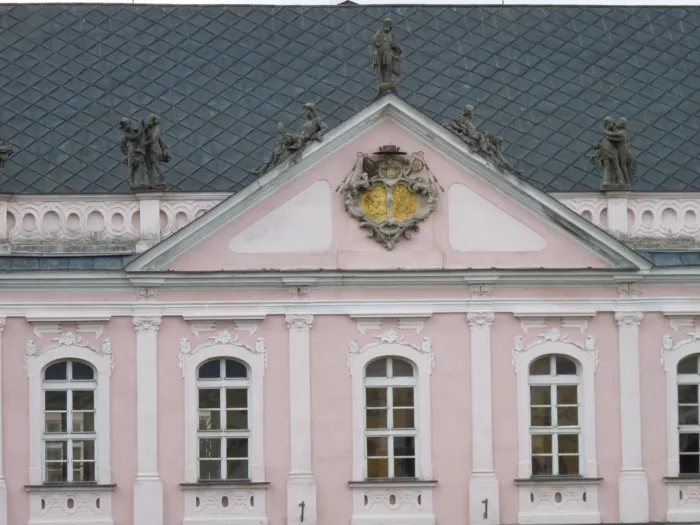
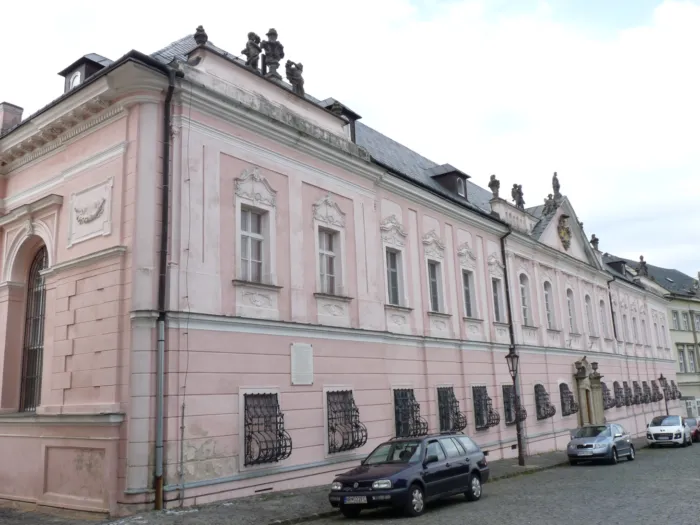
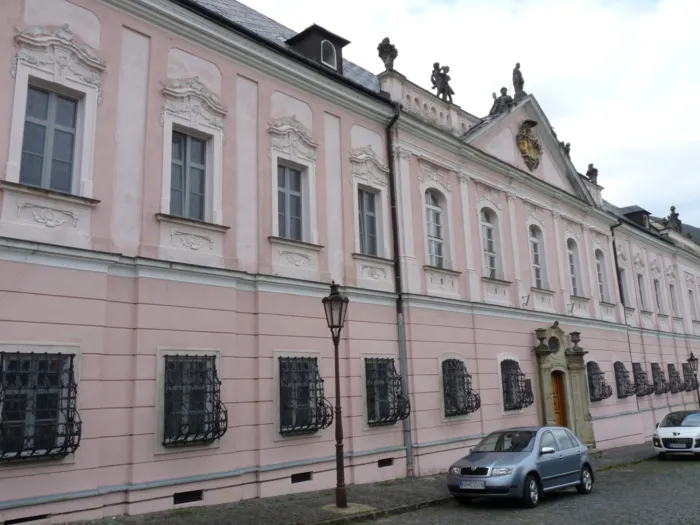
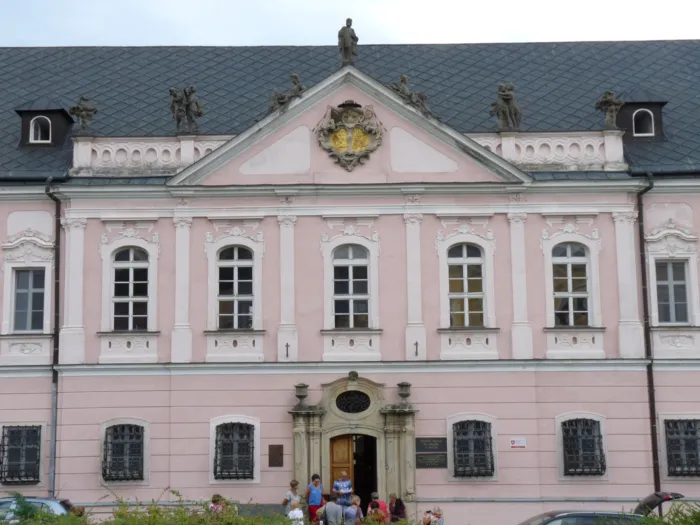
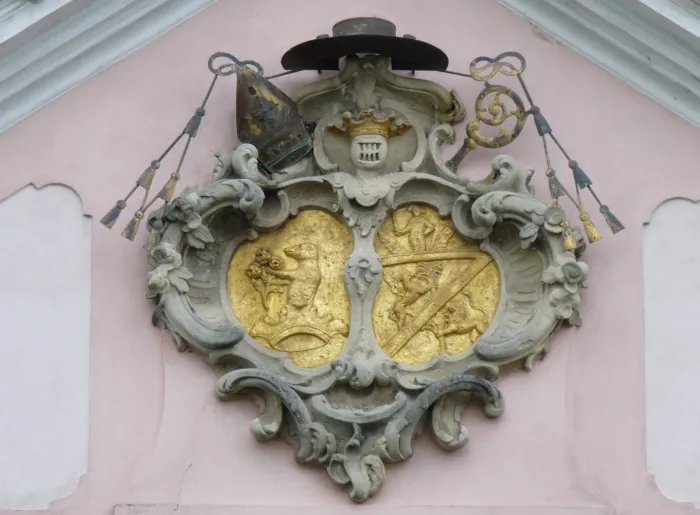
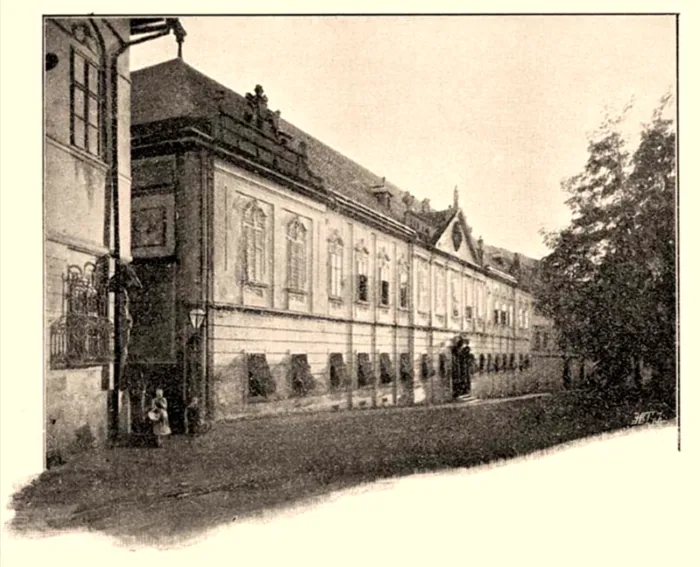
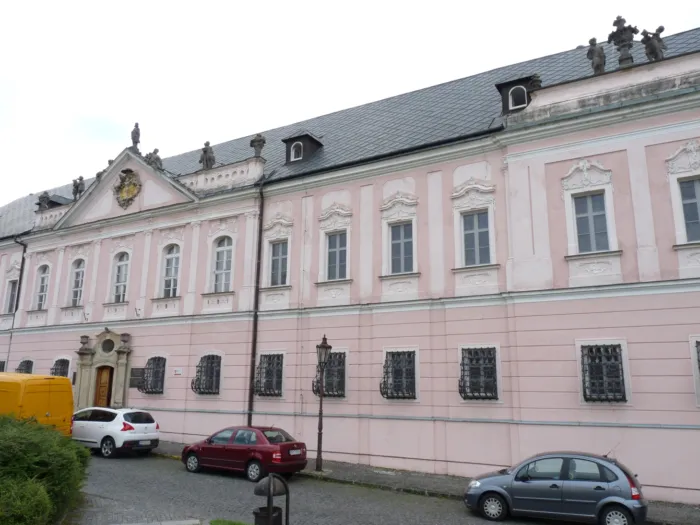
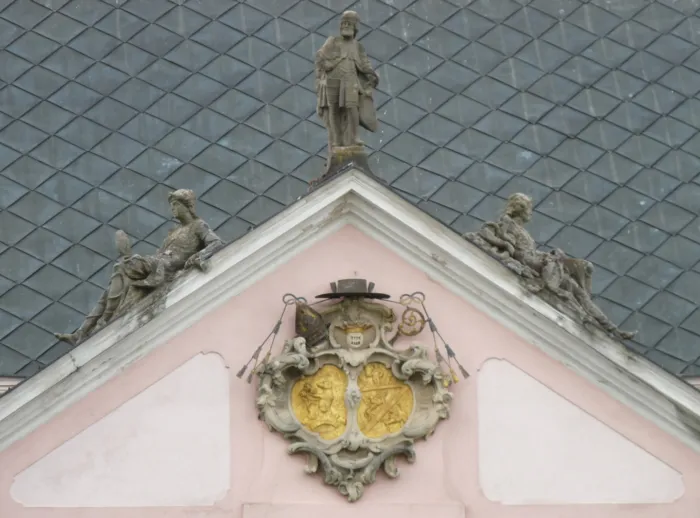
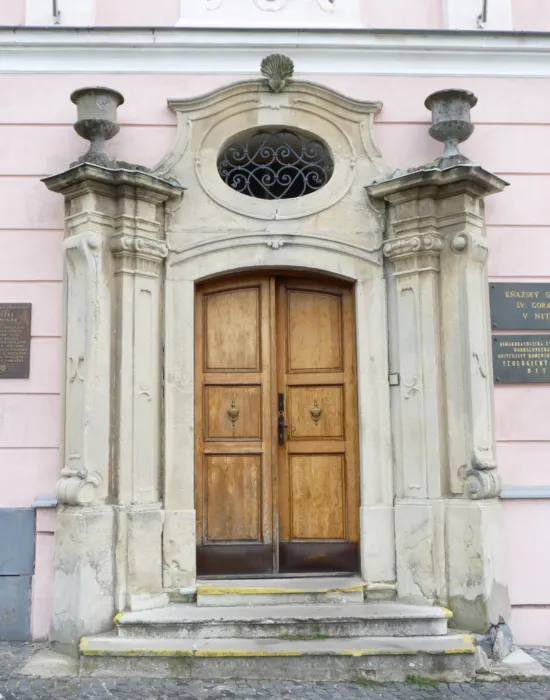
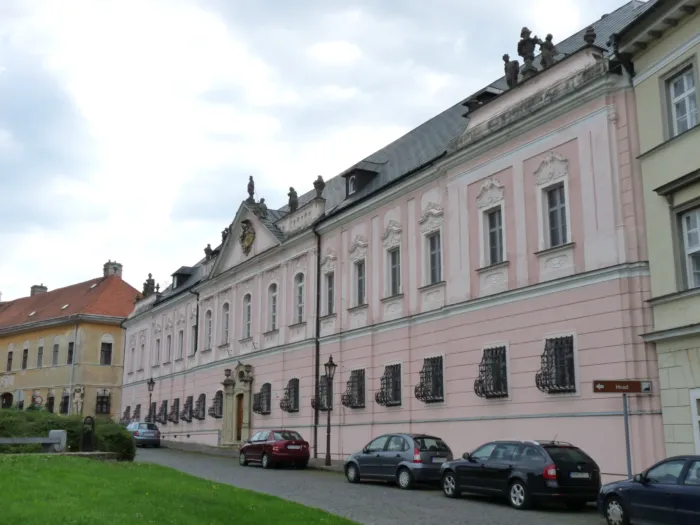
A four-winged, baroque, closed-row palace-like building, built from the second half of the 18th century to the end of the 19th century. On the 2nd floor is the valuable St. Ladislaus Chapel with a Baroque altar decorated with the image of St. Ladislaus. In 1877-78, at the initiative of Bishop Ágoston Roskoványi, the northeastern wing of the seminary was transformed into a diocesan library modeled on the Széchenyi Library in Budapest. It opened on 30 November 1885 with 36,223 volumes, and its collection now numbers 66,000 volumes. The vast majority of them are in Latin (35%), Hungarian (23%) and German (21%). The books were written in a total of 37 languages, including Japanese, Chinese and Braille books. Its most valuable copies are: ; - early printed books (incunabula, books made with typesetting between 1450 and 1500), ; - The oldest incunabulum from 1473, "Anicius Manlius Severinus Boethius: De consolatione philosophiae" (The Consolation of Philosophy), ; - The smallest book is 8 x 5.5 cm, published in 1628, ; - The thickest book is 1,569 pages, published in 1557 (The History of the Polish Sejm), ; - Calepini's dictionary, its texts are written in 11 languages, published in Basel in 1599. ; A beautiful Baroque stone portal can be seen on the facade of the building facing the square. The facade of the older, eastern wing was given an eclectic character at the end of the 19th century. The sandstone relief coat of arms of Bishop Roskovány can also be seen at the entrance portal. The gable of the southern neoclassical facade, divided by a rostrum, is decorated with the bishop's coat of arms and a Latin inscription.