
Mikszáth Kálmán Memorial House
Building, structure
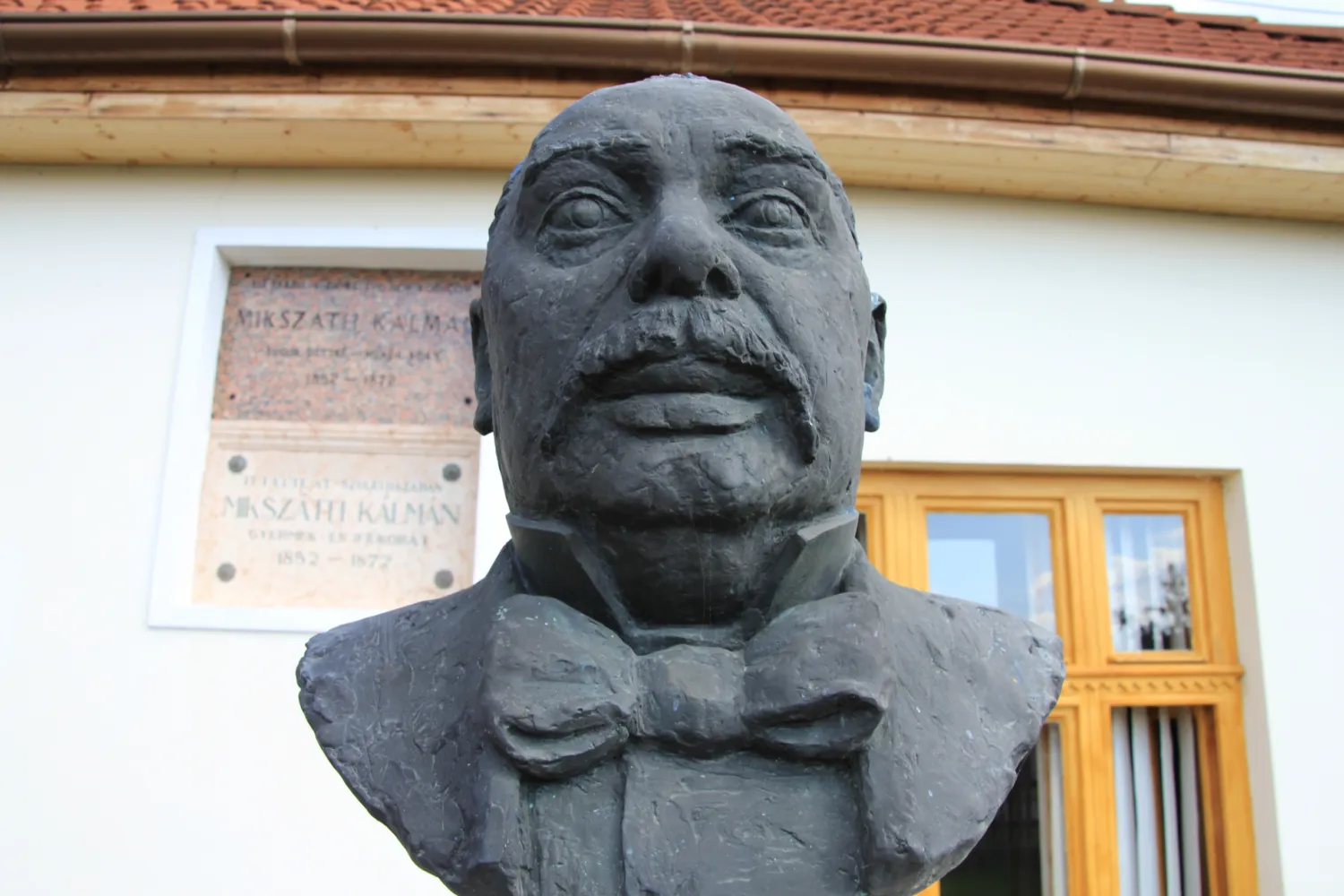
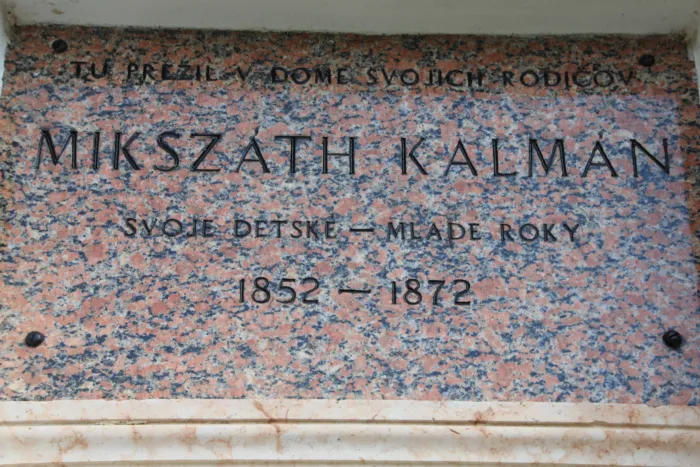
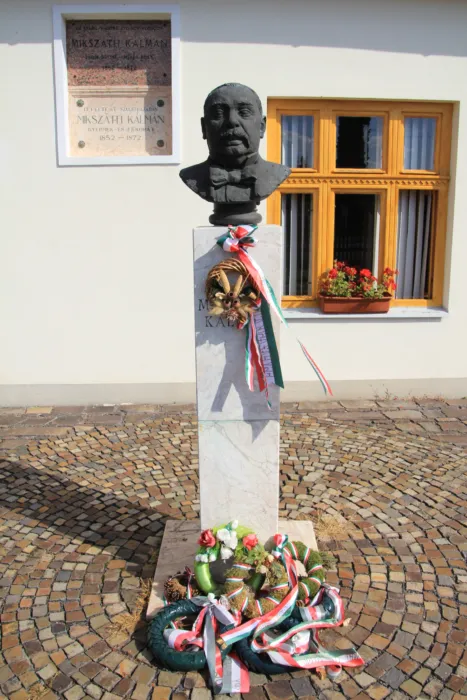
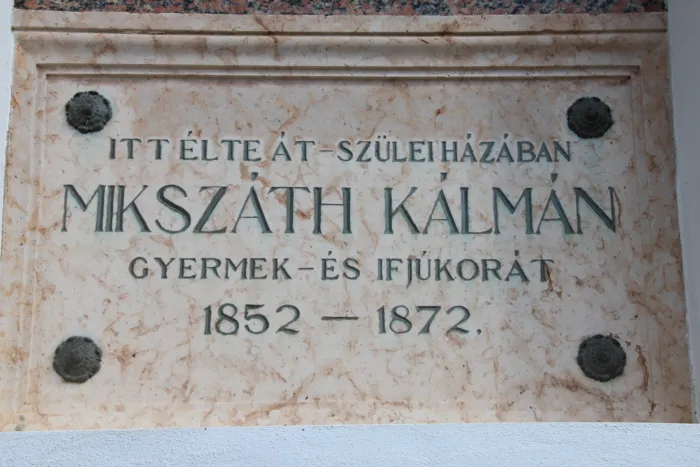
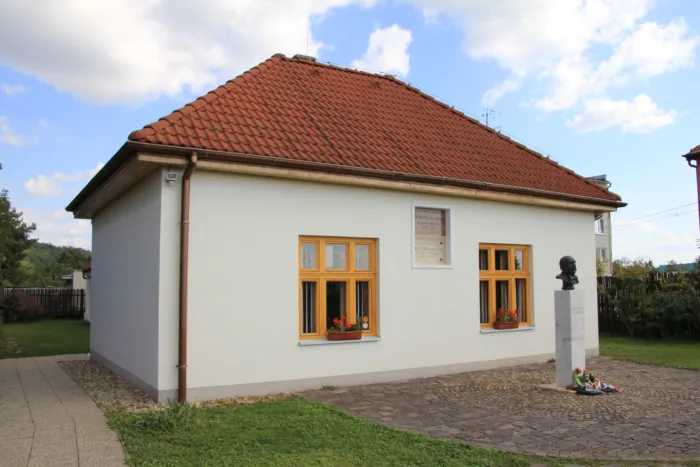
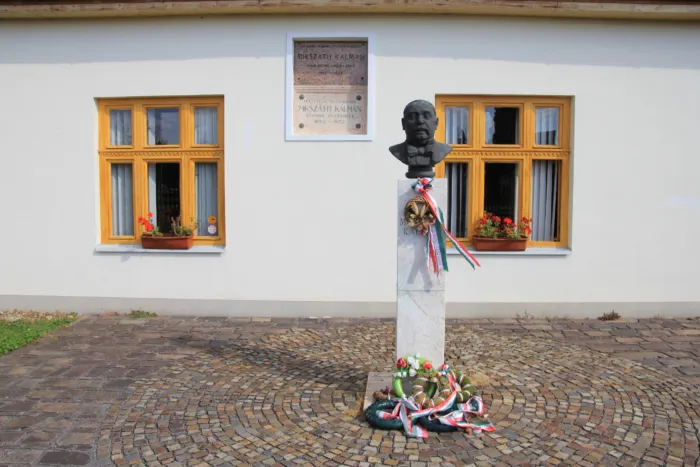
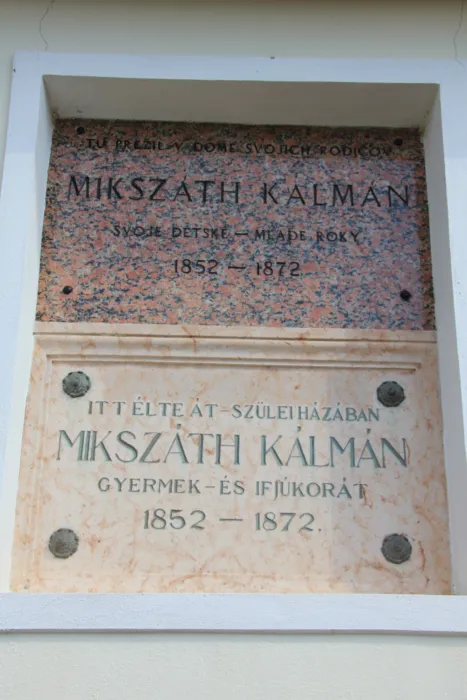
The family of Kálmán Mikszáth settled in Szklabonya in 1843. The famous Hungarian writer Kálmán Mikszáth was born in this village on January 16, 1847, the author of such well-known works as The Umbrella of Saint Peter, The Siege of Biszterce or The Black City. The greatest source of his literary work was his homeland with its inimitable atmosphere. The house where Kálmán Mikszáth was born no longer stands, it was demolished in 1968. However, on the edge of the village, opposite the cemetery, there is a house where the writer's parents moved in in 1852 and where the novelist spent his childhood and school years. This memorial house houses the permanent memorial exhibition entitled "He lived here...", which presents the writer's life and work.* ; ; “We would be in the Mikszáth house, where the writer spent his childhood and youth. In the little white house on the edge of the village, where – perhaps because of the proximity of the cemetery – everything was so “sad and spooky.” Mauks brought Ilona home here for a while, and he came back here in 1873, when the black woman, i.e. the mother of cholera, also took her. … We find further information in Ilona Mauks’s memoirs. According to this, Mikszáth himself told her that before his birth their house burned down, and they temporarily moved to the so-called Révész-fundus, and the writer was born there on Jesus’ name day, i.e. January 16. The family house, built later, in which Mikszáth spent his childhood and youth, has now been considerably transformed, but it has finally been at least nicely tidied up, and the recently established Mikszáth exhibition has been given a worthy place in it. ; Mikszáth himself wrote these lines about the building in his short story Galandáné asszonyom: “Anyone who has ever been to Bodok will have certainly noticed the small white house, which was built right next to the cemetery, and all the windows of which looked out onto the cemetery. My mother built it there. There was someone there who she always wanted to be close to.” … The Mikszáths moved into the house opposite the cemetery, the former mansion, in 1852. The writer lived here until 1872, with minor or major interruptions. Of course, today’s Mikszáth house did not look like this in the past. The five-column porch did not yet stand in the courtyard, and there were three windows on the street front, not two. The roof was covered with thatch at the time. The porch was otherwise quite spacious, stretching from the end of the house all the way to the stream. ; In front of the building was a small fenced garden, with his mother's favorite flowers: geraniums, resedas, rosemary. The Mikszáth memorial exhibition was opened in the family house in 1978, but it was not quite worthy of the outstanding writer's spirit. In 1987, the house was remodeled again, but that was only superficial work. Until the building came under the supervision of the Museum of Hungarian Culture in Slovakia, and under its management the house was completely renovated. It was opened on January 21, 2006, before it was beautifully decorated under the direction of curator Szilvia Sipos. Not only can the old rooms be visited, but the back wing of the house has also been opened. The organizers tried to evoke the atmosphere of the Mikszáth era. There are old ethnographic objects here: a tulip box, men's and women's clothing, period photos and modern recordings of existing Mikszáth memorials. On the tableaux we can follow the life journey of the great novelist and short story writer. In the rooms overlooking the cemetery, old pieces of bourgeois furniture (desk, bookcase, travel chest, pipe box, sideboard) can be seen, but there is a portrait of Mikszáth and Ilona Mauks on the wall, and the writer's works can also be viewed."** ; ; In his article entitled How Szklabonya Became Mikszáthfalva by Mihály Praznovszky, we can read the following about the memorial plaque on the wall of the Mikszáth Kálmán Memorial House: ; "The idea of setting up the plaque again comes from the Hungarian Women. The exact order of the celebration was worked out in the spring of 1909. They formulated the text of the plaque, it is incomprehensible that the plaque was not even planned for the birth house, but for the other one, opposite the cemetery! They prepared the ornately embroidered altar cloths. They put together the program together with the local teacher and the parish priest. They especially emphasized that the children's program would be performed in Hungarian and at the end toys are distributed among them. The poor old people of the village receive extraordinary assistance so that they will not forget this beautiful day either. ; … ; The inauguration of the memorial plaque took place only after the writer's death. Even then, it was only postponed, as it was originally planned for August 14, but it could only be held on September 8. The celebration was overshadowed by the fact that none of Mikszáth's immediate relatives or the presidency of the Hungarian Women's Association participated. The ceremony was attended by Viceroy Mihály Nagy and archivist János Simon, as well as a few other well-known people: parish priest Kálmán Jeszenszky, retired clerk István Siklaky (Mikszáth's friend from his youth) and several members of the Veres family. ; ; As an introduction, the telegrams of honor that the members of the ceremony received from the Hungarian Women's Association, Józsefné Rudnay and little Marcsa Hepp, who wrote: "With respect One of Kálmán Mikszáth's deepest admirers sends his greetings: "The celebration began with a service, then continued at school. Parish priest Lajos Lackó praised Mikszáth and the significance of the day, then local teacher Lajos Kopcsa summarized Mikszáth's work. Pálné Veres Jr. sang Petőfi's poem "Mi fümötölög ott a síkon tölban" in her ringing voice. "Margit Csalló gave a beautiful reading of Mikszáth's works. Mrs. Józsefné Vas recited an occasional poem effectively. Meanwhile, local children also recited and sang. ; ; Mikszáth memorial poems by Lajos Pósa, Géza Lampérth, Ödön Jakab, József Lévay, Andor Kozma, and Mihály Szabolcska were recited, while the audience could hear Hungarian folk songs and palóc songs. But what really made it a great success was that the little Slovak children performed the program in Hungarian. All this is the merit of teacher István Kopcsa, "the results shown testify to his persistent zeal and patriotic ambition." ; ; After the school ceremony, they marched to the cemetery and inaugurated the plaque, which still adorns its facade today. This was followed by the handing over of tablecloths in the church and the wreath-laying of the Mikszáth family graves in the cemetery.***