
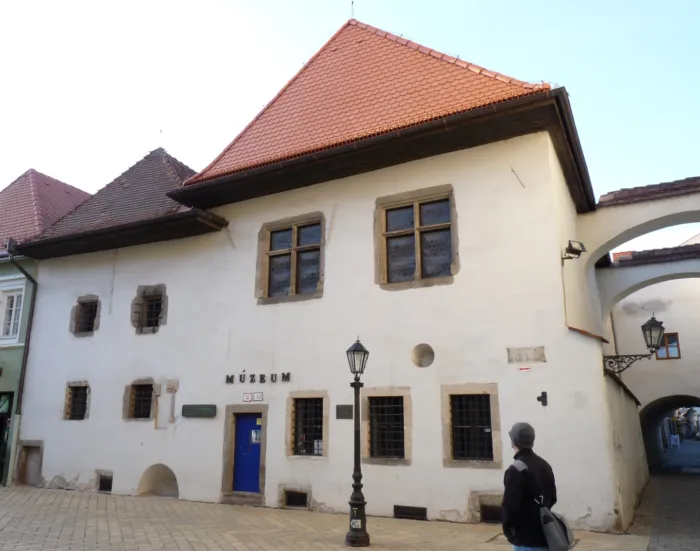
Miklós Prison
Building, structure
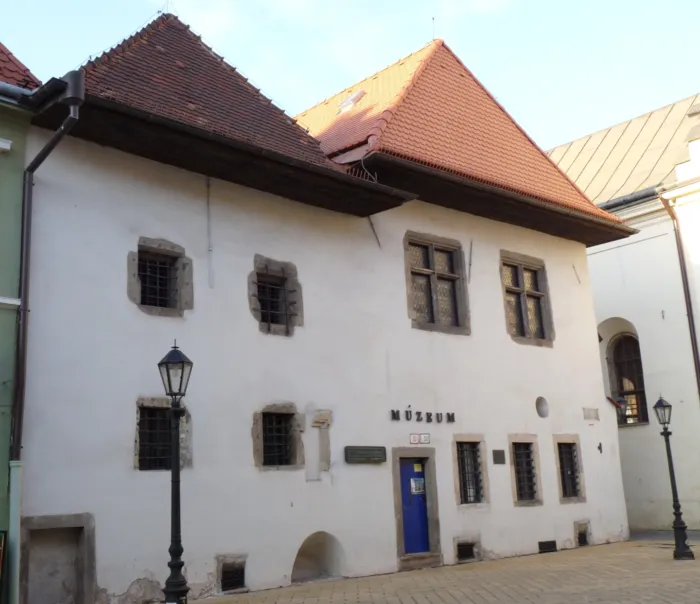
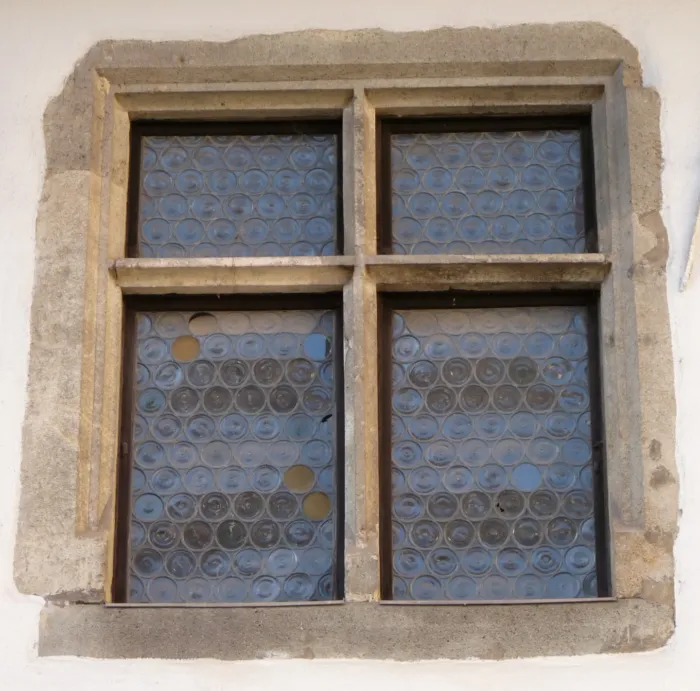
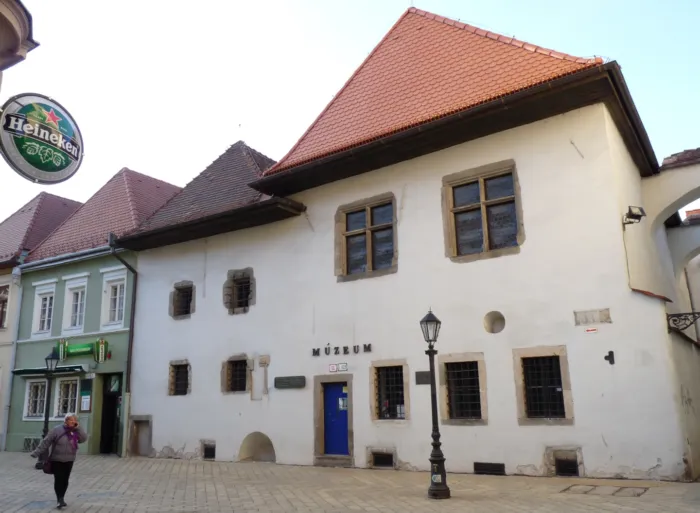
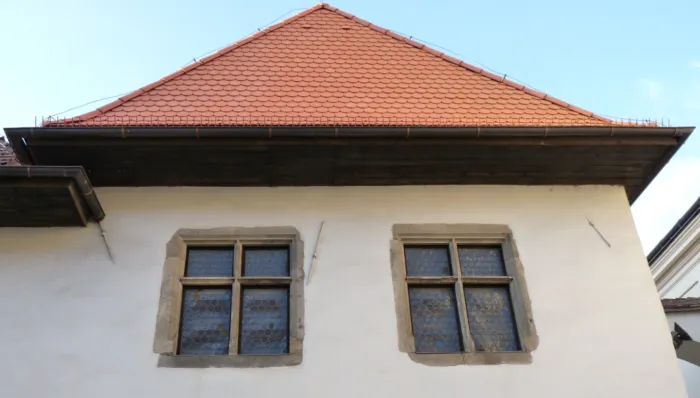
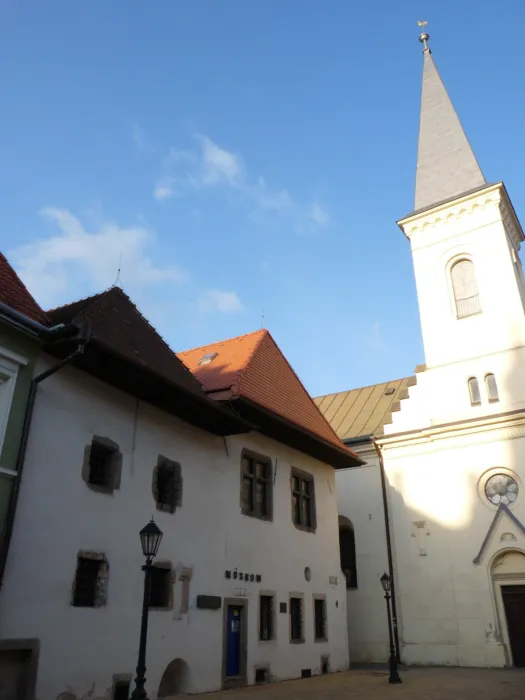
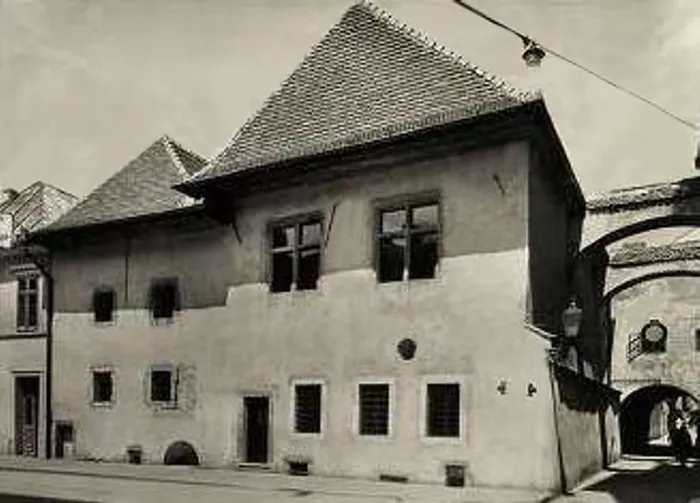
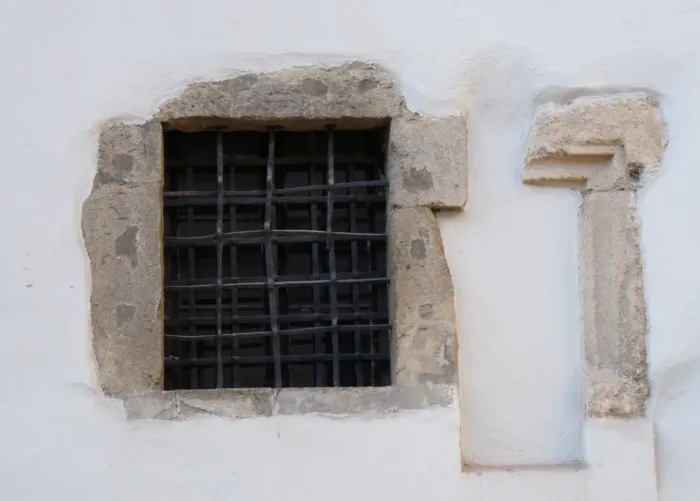
The one-story building of the Miklós Prison, located east of the main street, on the corner of Fazekas Street and Egyetem Street, parallel to the main square, near the Executioner's Bastion, was built in the first half of the 15th century, originally as two Gothic town houses. Archaeological research has confirmed the presence of an early pottery workshop here. Miklós Prison, one of the best-preserved medieval buildings, was actually used as a city prison and torture chamber from the 17th century to 1909. According to tradition, it was named after an alleged, particularly cruel executioner of Ferenc II Rákóczi, named Miklós. However, the prince did not have an executioner of that name. Košice had the right of execution by sword for more than 500 years. The exercise of the right of execution naturally required the employment of executioners. The living quarters of the executioner active in the city were located on the upper floor of the building. From 1909, the Upper Hungarian Museum operated here, presenting the history of the city in exhibitions. The house was extensively renovated during World War II, when Košice "returned", in 1940-42. In 2009, with the support of the so-called "Norwegian Fund", the Museum of Eastern Slovakia carried out a comprehensive reconstruction, combined with research, in the building and its surroundings, on the Executioner's Bastion. During the excavations carried out here, they found the underground corridor that connects the prison with the Executioner's Bastion. ; Today, the building houses a museum.