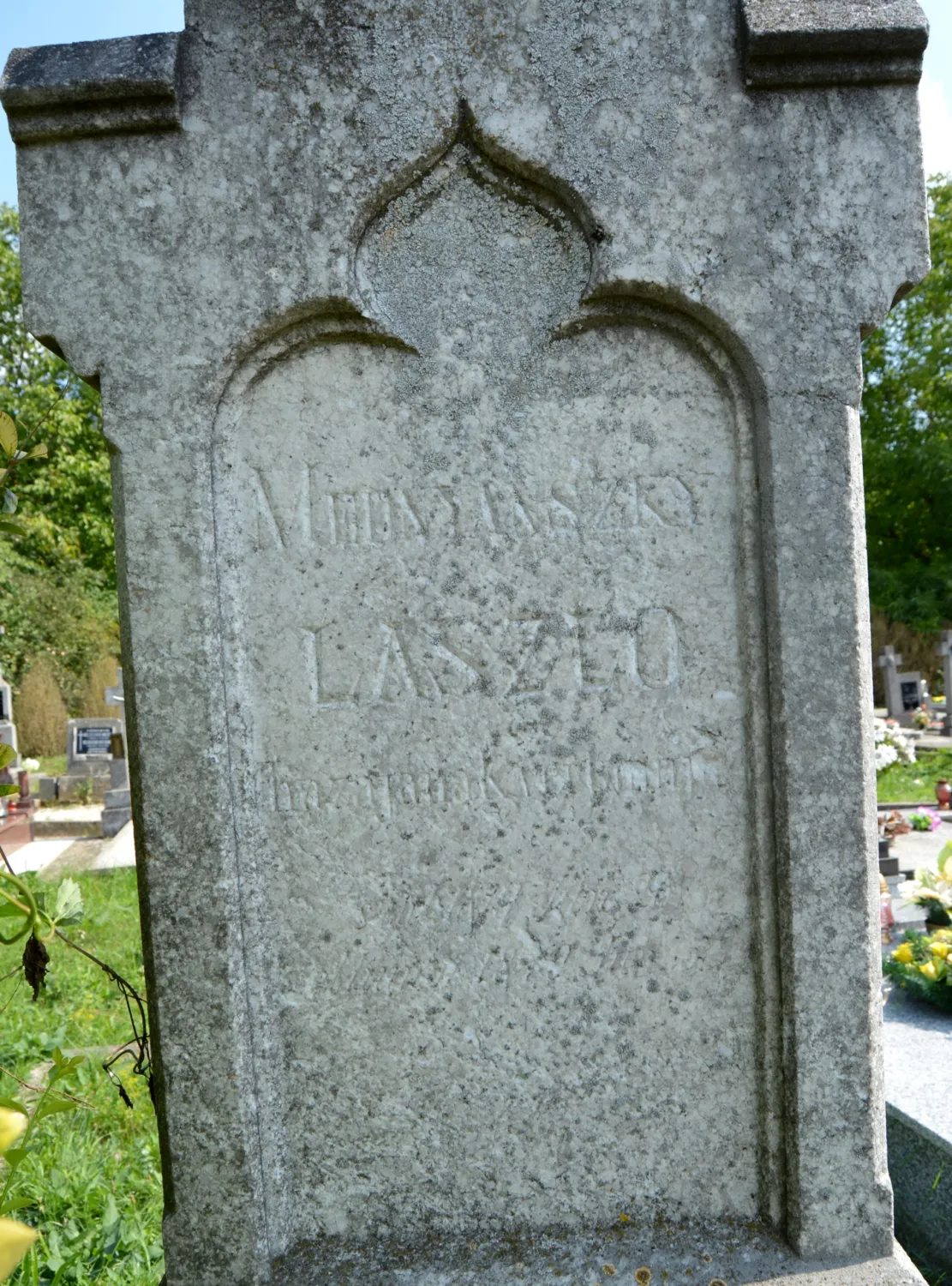
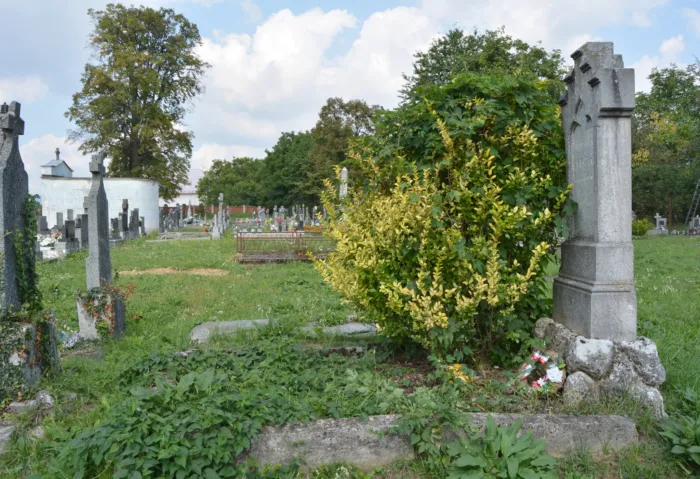
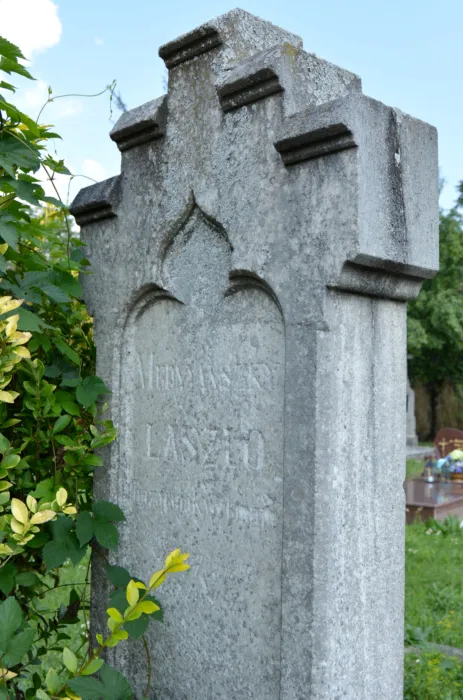
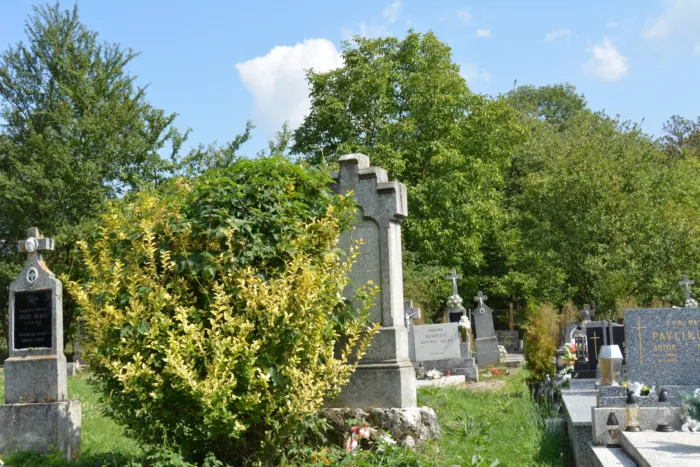
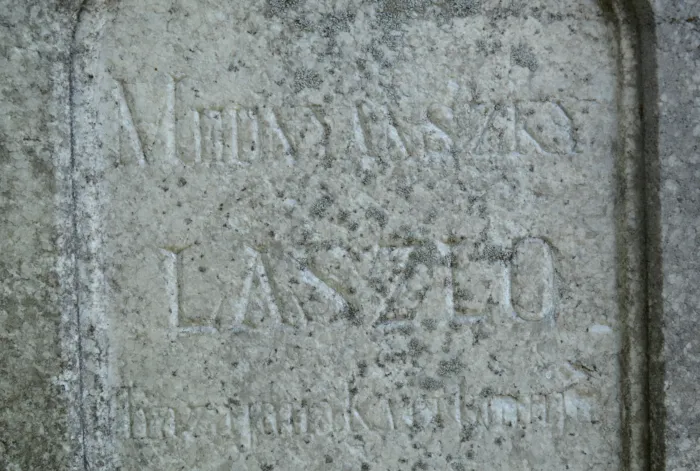
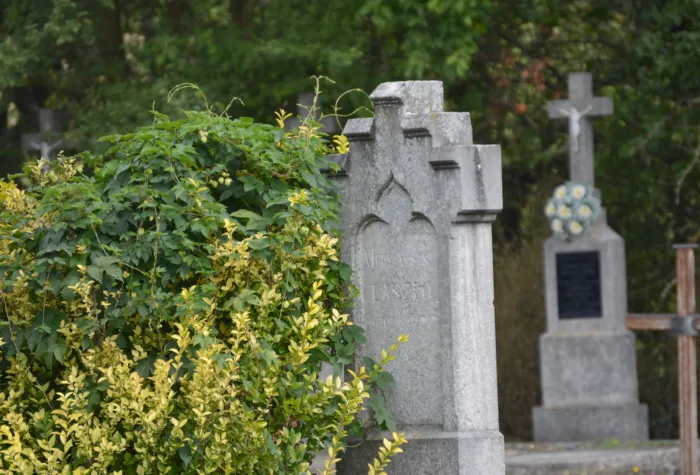
The tomb of László Mednyánszky, a martyr in 1848
Cemeteries, tombstones, graves
Baron László Mednyánszky of Aranyosmedgyes (Beckó, June 16, 1819 – Bratislava, June 5, 1849) was a major in the Hungarian National Guard, a martyr of the 1848–49 War of Independence, the brother of the field chaplain Cézár Mednyánszky, and the uncle of the painter László Mednyánszky. ; He was born into the middle-class noble baron Mednyánszky family. His father, Baron József Mednyánszky of Aranyosmedgyes (1789–1868), was an emperor and royal chamberlain, first lieutenant, and his mother, Eleonóra Richter (1798–1889).[2] ; In 1835, he studied at the Magyaróvár Higher Private Institute of Economics. He spent two years at the Tulln boarding school, and then in 1838 he joined the Hungarian Royal Bodyguard. Here he formed a close friendship with Artúr Görgei. In 1846 he left the army and married Count Mária Mailáth. He settled in Bars County, where his wife had estates. He was the envoy of Bars County at the last Diet of the Estates, and by the beginning of 1848 he was already a well-known figure in Hungarian political life. ; On June 15, he volunteered for the Hungarian Army. He began his military service as a first lieutenant in the 5th Hungarian Army Battalion together with his friend Artúr Görgei. The battalion participated in the battles in the South Region from August 3. After the open break between the Viennese court and the Hungarian parliament, he was appointed captain of the newly organized 28th Home Guard Battalion on September 27, but he did not take up service there, because at the end of October, on Kossuth's orders, he was appointed major of the National Defense Committee and commander of the fortifications of Lipótvár, which defended the Váh line. At the time of the appointment, Görgei was already Kossuth's military advisor and it is likely that he drew Kossuth's attention to the qualified military engineer László Mednyánszky. Kossuth also wanted to send a reliable officer to Lipótvár, because - as it later turned out, and rightly so - he did not trust the commander of the castle, Major Kálmán Ordódy. ; Mednyánszky had significant merit in the fact that the garrison of about fifteen hundred men of the small, out-of-date castle resisted the besieging army of General Simunicht for more than four weeks. He managed to prevent the surrender of the castle several times by agitating among the officers. However, at the council of war held on February 2, 1849, it was already known that Görgei's relief army would not reach the castle, so the officers decided to surrender the castle. Artillery lieutenants László Mednyánszky and Fülöp Gruber took a stand against the surrender of the castle at this time as well, but Ordódy unconditionally laid down his arms after a short negotiation with the imperialists. ; At the court-martial following the surrender, Ordódy testified that he had only refused to surrender the castle because he had succumbed to the terror of Mednyánszky and his associates, so László Mednyánszky and Fülöp Gruber were sentenced to death by hanging on April 22. The sentence was not confirmed by either Windisch-Grätz or Welden, but Haynau ordered its execution a few days after his appointment, which took place on Szamárhegy on June 5. Thus, László Mednyánszky and Fülöp Gruber became the first martyrs of the reprisals linked to Haynau's name. Haynau's rampage begins here, the execution of the Arad Thirteen also caused international outrage, but the names of Mednyánszky and Gruber somehow did not enter the public consciousness. ; The priest from Beckó was present at the execution, he transported the body home at dawn the next day, where it found its final rest. His grave was cared for for many years by the family of Györgyné Piller Pécsi Fruzsina, who lived in Horka (Hôrka nad Váhom), thanks to which it was saved from decay.