
The built heritage of István Medgyaszay
Cultural heritage
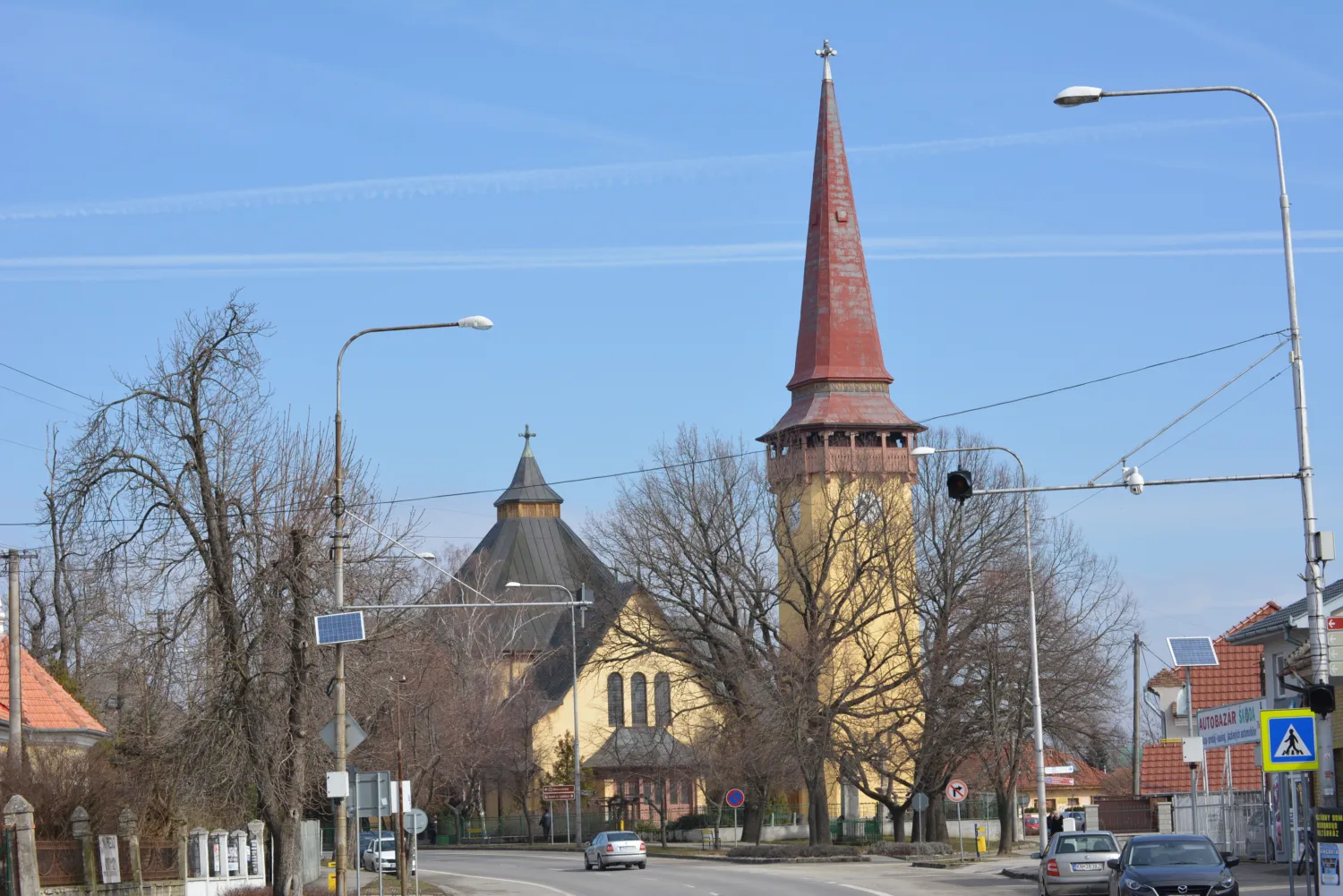
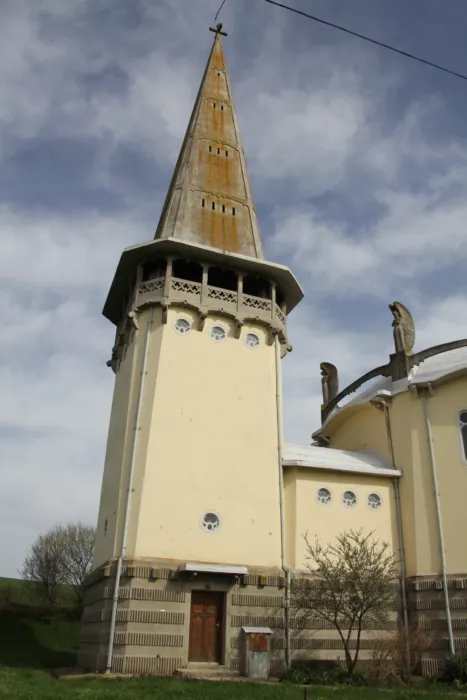
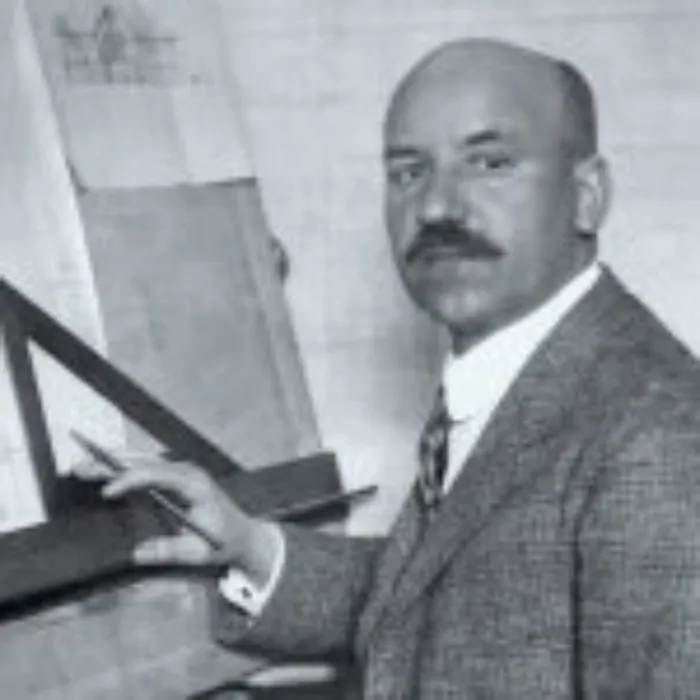
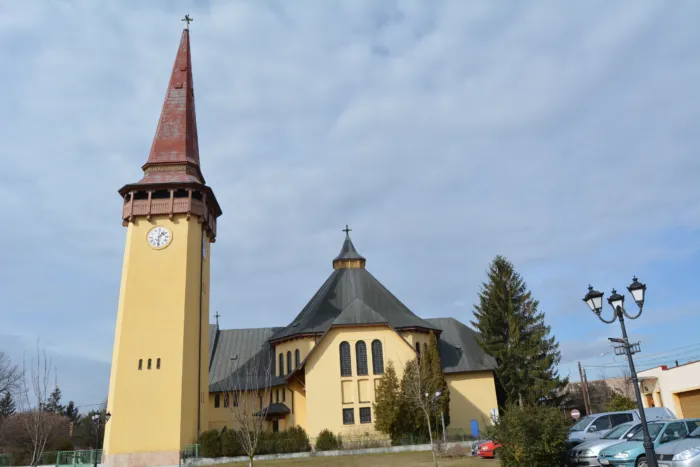
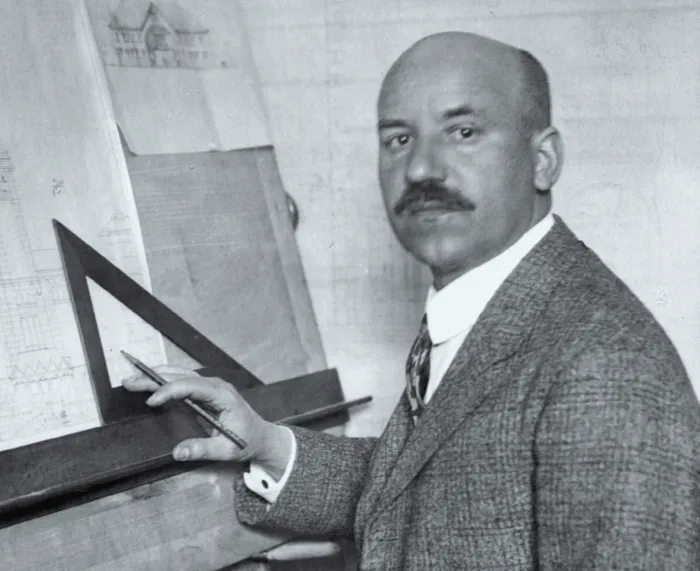
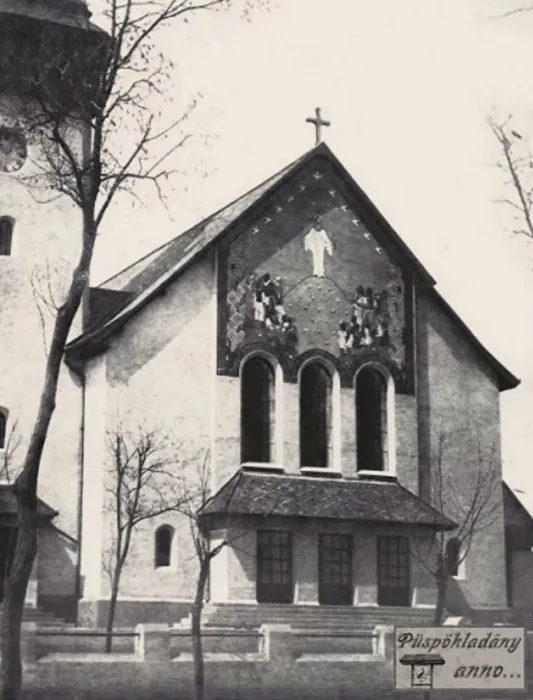
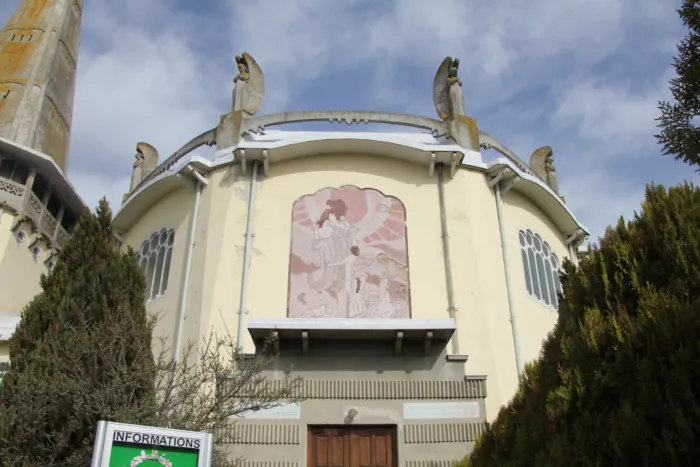
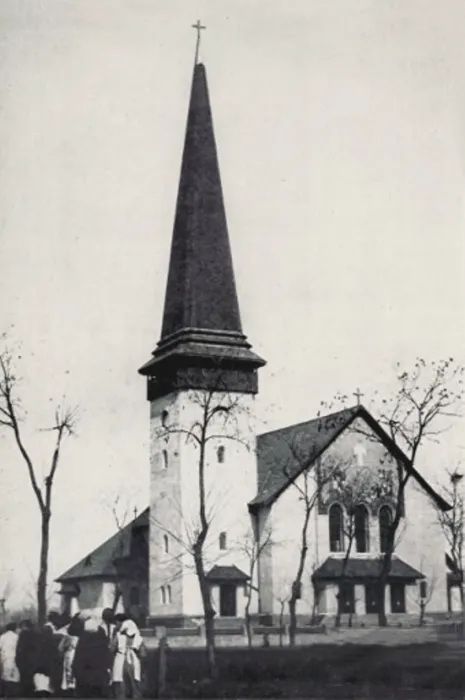
István Medgyaszay was born in 1877 and is a renowned Hungarian architect. "... he attempted to synthesize Eastern and Western thinking ...." He gave a lecture on the artistic solution of reinforced concrete in 1908 in Vienna, the birthplace of Art Nouveau as a style (meaning withdrawal). ; During his career, he became one of the most significant Art Nouveau architects from a mason's apprentice, and in an art history book his name is mentioned between Ödön Lechner (e.g. the Blue Church in Bratislava) and Károly Kós (e.g. the church in Zebegény). He graduated from the Budapest University of Technology and the Vienna Academy of Fine Arts, where he was a student of "one of the most prominent" representatives of Viennese Art Nouveau architecture, Otto Wagner (bp. Rumbach Street Synagogue). In Paris, he studied the results of reinforced concrete construction in Hennebique's office. ; Medgyaszay was born as István Benkó, but in 1906 he took the name of his maternal grandmother. He traveled as far as India, but also studied cultural relics in Egypt and Sudan. In Mákó, for example, he was an informant for a master carpenter about the construction method of harrowed wooden houses (Malonyai's Kalotaszeg volume, 1907). "In the churches of Székelyföld we do not find as much original conception as in its houses. The foreign artistic culture of the larger nearby cities weighed so heavily on the construction of the church that the national spirit was only liberated in the more distant villages. Here, it was not so much that it created something original, but rather that it slightly transformed the borrowed or forced Italian and Baroque forms. Each detail of the church and tower is completely original and we feel that if they had left it entirely to that master and not sent it to the city to see as a 'sample', he would have created something very artistic and sincere" (1909). After the "harmonious composition of reinforced concrete architecture and folk elements" of the Rárósmulyad church (1909), we also come to wooden architecture. We only need to think of the Ógyalla church (1912). According to Mrs. B. Adrianna Réckyné, it is a "unique Art Nouveau building", the "wooden carved parapet of the loggia of the bell tower evokes the traditions and values of the aforementioned Transylvanian, Kalotaszeg folk architectural art", but beyond this it also "reflects the atmosphere of Eastern art", and is an outstanding work "in European terms". In 1921 he designed a similar building in Püspökladány and in 1930 in Balatonalmádi. Medgyaszay worked together with Ferenc Márton, whose Art Nouveau sgraffito - a decorative scratch technique - is known on various sacred and secular buildings. A Mary sgraffito was also designed for Ógyalla for the southern blind window of the parish building. There was a monumental "painting" above the main entrance of the Püspökladány church until the first half of the 1940s. The first church in Rárósmulyad (Nagykürtös district) still shows the return to God after death with the sgrafitto technique. The Reformed Medgyaszay (originally Lutheran) designed the Kelenföld Reformed Church with an apartment building (1929), and the Baár-Madas High School (Bp.). He designed, among other things, the reinforced concrete theater in Veszprém – in Veszprém, in 2016, the name of István Medgyaszay had to be changed to Gáspár Noszlopy, because the school was given a completely high school profile. A total of 47 buildings are associated with Medgyaszay's name, of which the apartment building on Dorottya Street (Bp.) was demolished in 2016. Although it was not realized, in his revised plan for the National Pantheon on Gellért Hill in 1906, he counted on placing the Feszty panorama in the central hall! This plan was designed by the VII. He also received the recognition of King Edward. ; On September 20, 2017, in connection with the 140th anniversary of his birth, the Hungarian Academy of Arts' Architectural Section organized a conference on the architectural art of István Medgyaszay in the Pesti Vigadó Makovecz Hall. The Hungarian Association of Architects organized an exhibition on the architect's life and most important works. On December 13, 2017, the exhibition of photographer Péter Gyukics opened at the FUGA Budapest Architecture Center. 40 images from the 3 years of photography were exhibited, among which a significant number - 6 large plus 6 small information images with text - of the St. László Church in Ógyalla can be found.