
Márkusfalvi Castle
Building, structure
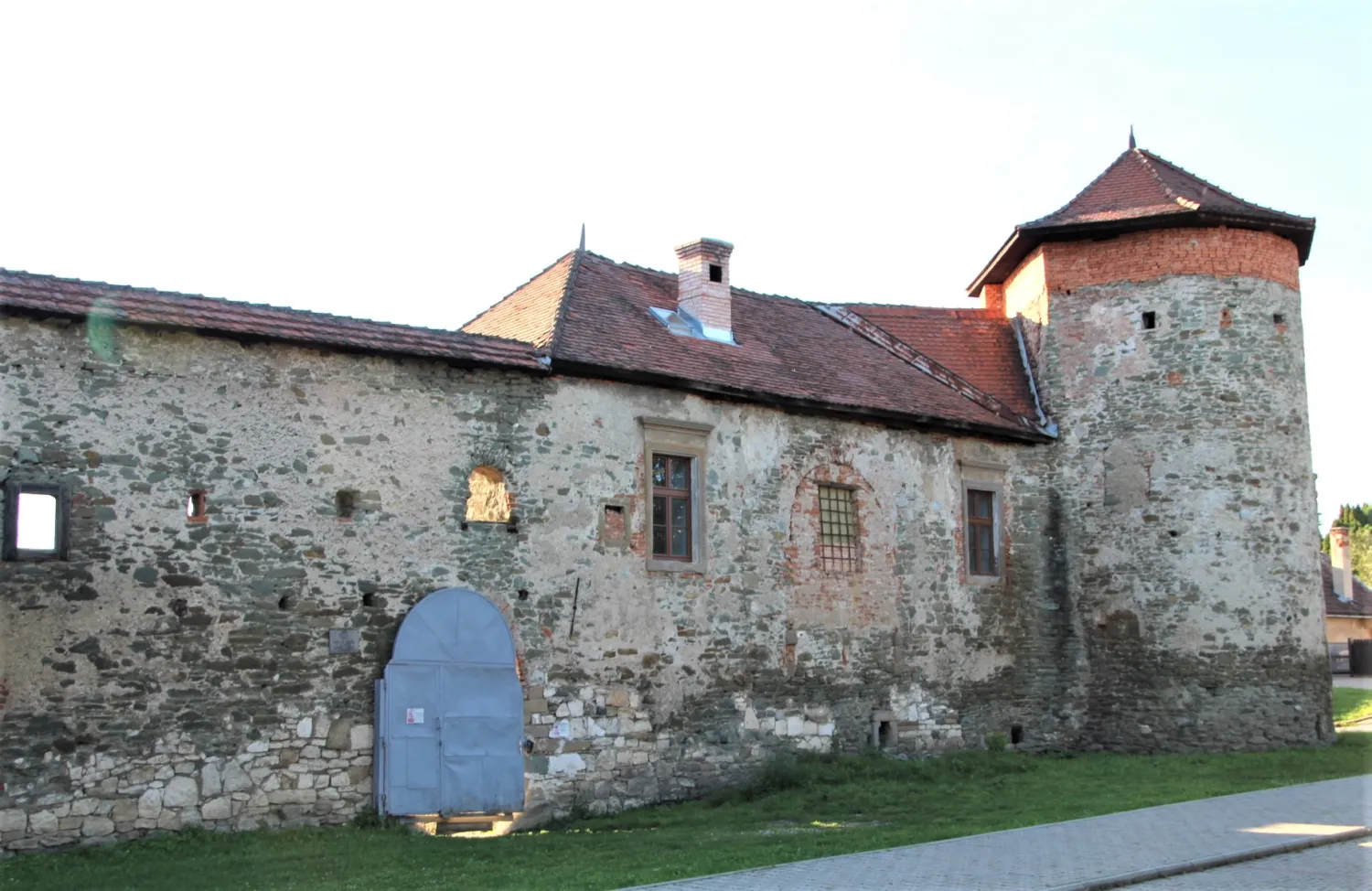
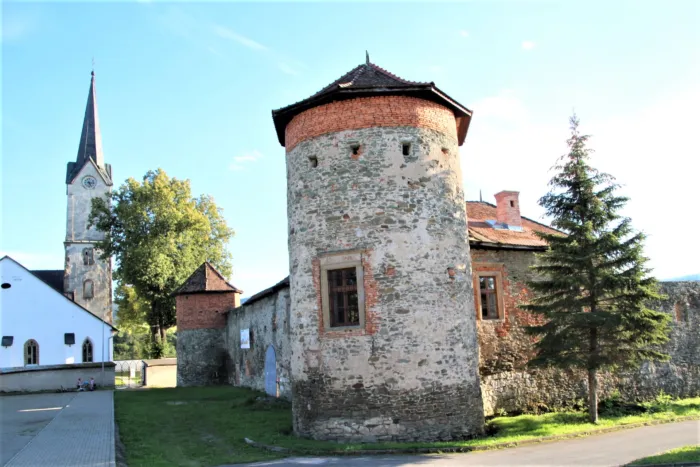
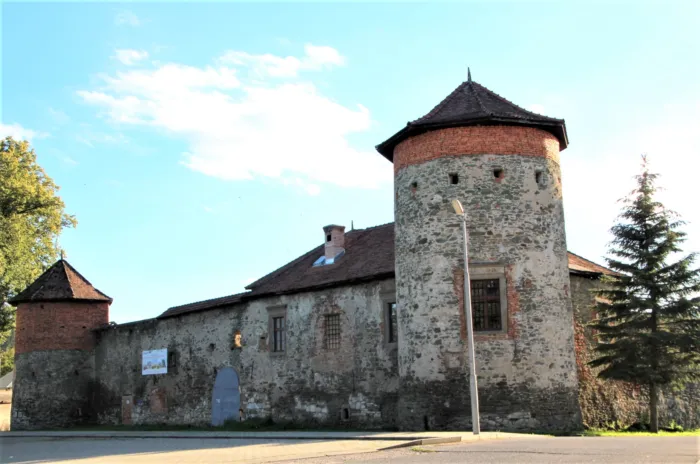
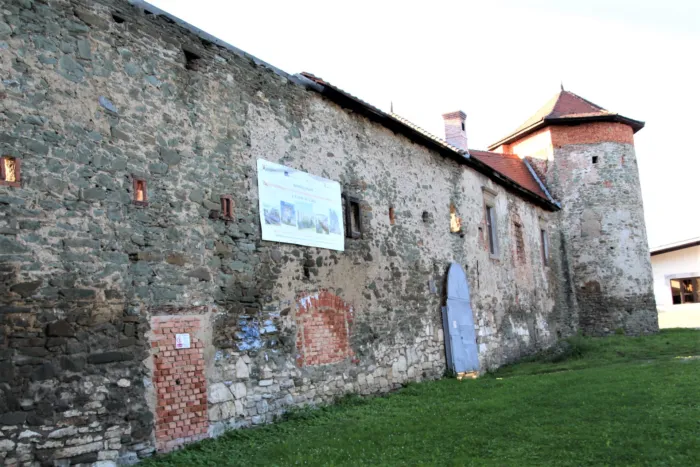
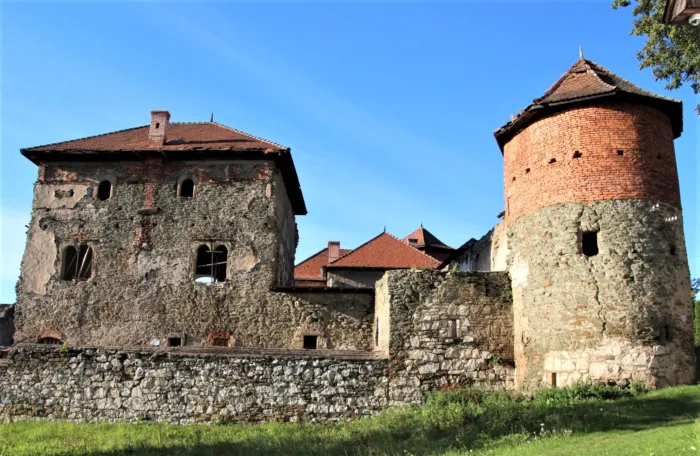
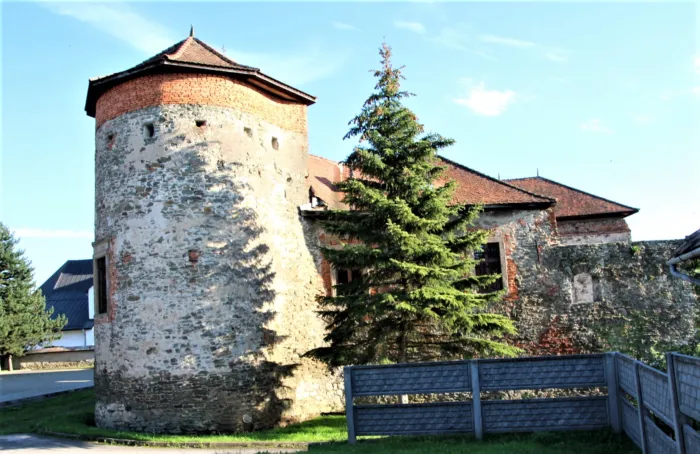
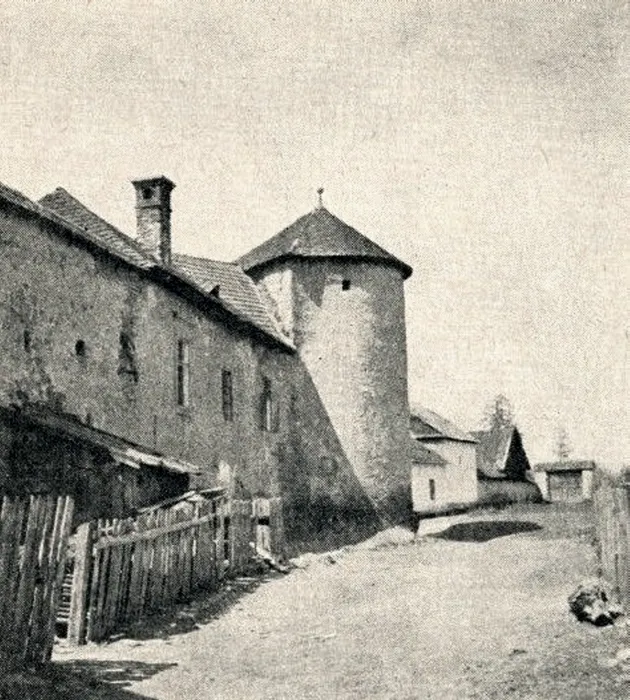
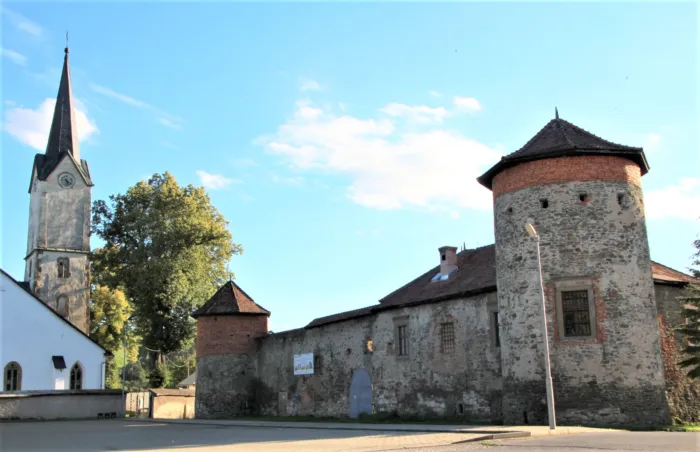
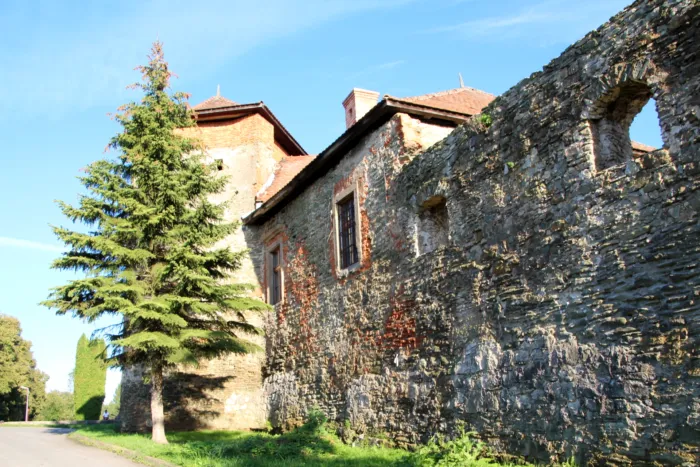
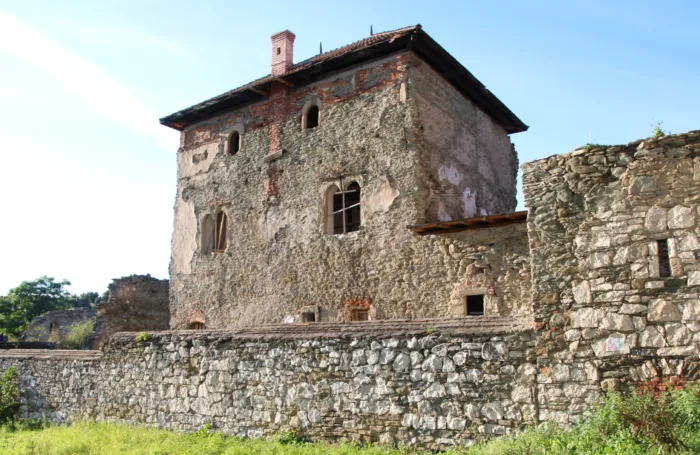
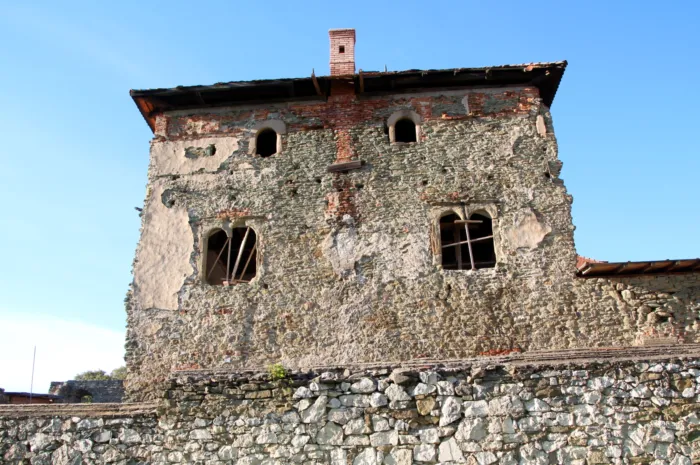
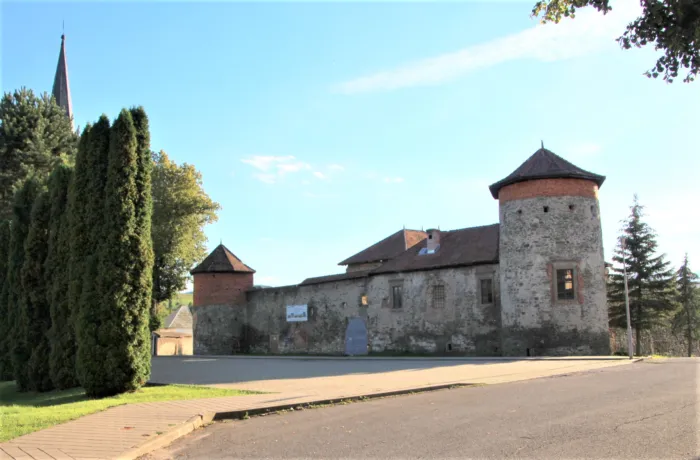
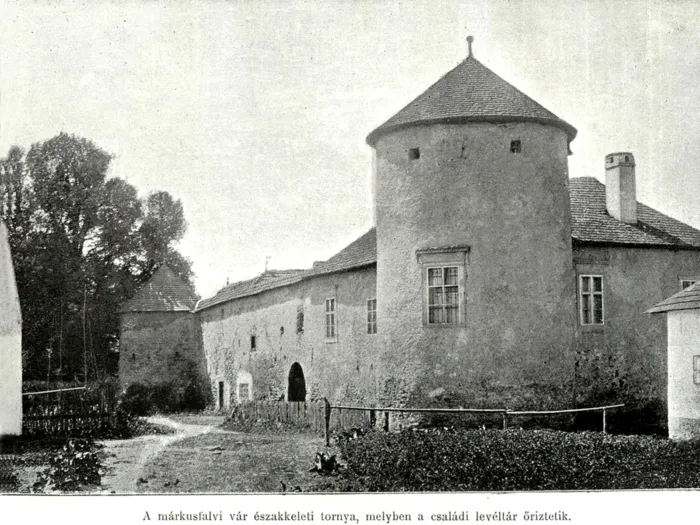
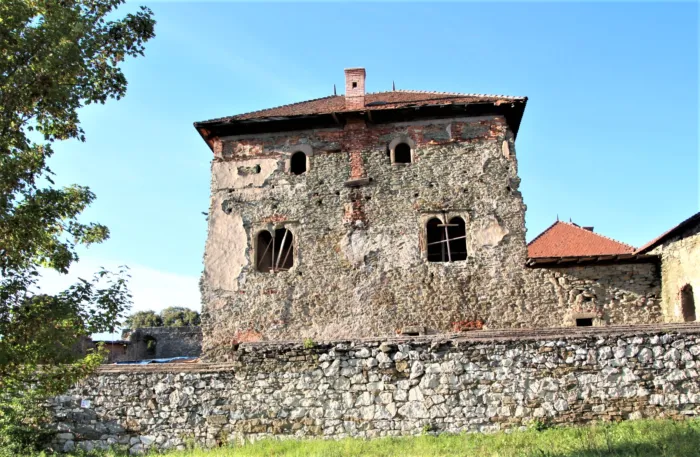
One of the predecessors of the noble Máriássy family, Miklós son Miklós, received permission from King László IV to build a castle in 1284, with the typical stipulation: "so that no one dares to do anything bad with it." ; The castle was built in Márkusfalva. On the hill above the village, next to the 14th century church, stands the castle, which is now partly in ruins; further down, a whole row of lordly castles and manor houses emerge from the trees of the surrounding gardens. Although its current form is no older than the 15th century, some of its details date back to much earlier times. ; The Máriássy family did a lot of damage to the city of Levoča during the 15th century. The citizens tolerated the matter with gritted teeth as long as István Máriássy, the highly respected captain of the Szepes castle, was alive. But after the death of István in 1516, they became increasingly bold. Finally, in 1528, on a cold November day, the citizens took up arms and stormed the fortress of Márkusfalva. The family fled from the overwhelming force and left their belongings to plunder. The people of Levoča loaded all movable belongings onto carts and set fire to the castle. They even knocked down the walls, where they did not suffer too much. The castle turned into a home for owls for a while. ; The head of the family at that time, Mr. Ferenc, moved to his estate in Gömör, or according to other reports to Zemplén, his wife fled to the estate of Zsófia Nagymihályi Pongrátz and never returned to Márkusfalva. Only his son, Pál, managed to triumph over the Levoča people with the weapons of law after a long struggle. He not only regained his estates, but also extorted 2,000 forints from the citizens, who, as the old record says, also reviled the memory of their warlike fathers. The agreement made in 1569 was sealed with a grand feast given by the city. He allegedly also received some compensation from the treasury, because it was possible to show that the people of Levoča had received help from the imperial commander Katzianer to destroy their castle. ; At that time, Pál Máriássy had the castle restored, as evidenced by his commemorative plaque with the coat of arms bearing the year 1567. All the surviving works from before the 18th century were then added to the ancient buildings. The beautiful Renaissance-style twin windows, inlaid door leaves, and wooden ceiling of the largest room all praise the taste of this excellent man. ; In 1933, Ödön Máriássy moved the family archive kept in the castle to their estate in Mád. From there, with the family's consent, it was placed in the National Archives (now the Hungarian National Archives) as a permanent deposit. ; After the end of World War II, a class of the local elementary school was housed in the council room of the archive building. In 1959, a new school was built. At that time, five families lived in the castle. In 1965, the district cultural department decided to open a museum in the castle. Later, between 1970 and 1974, certain castle conservation works were carried out. At that time, the residents were evicted from the castle due to the works. According to the plans, the building was to house a museum dedicated to the great teacher, J. A. Komenský, and to the Spiš nobility. However, starting in 1970, when the so-called consolidation period began after the events of 1968, those people who wanted to establish a museum for the nobility here were dismissed from their jobs. The castle essentially lay abandoned from 1974 to 1992. After the restitution law came into effect, in 1992, the Máriássy family got the building back, thus preventing the castle from further destruction.