
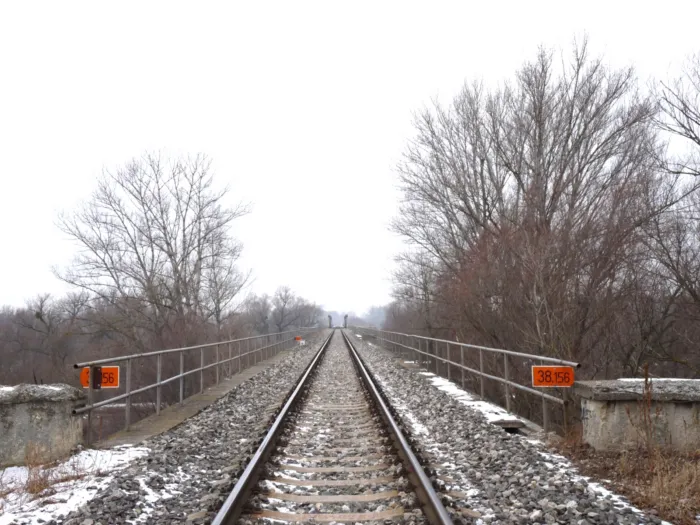
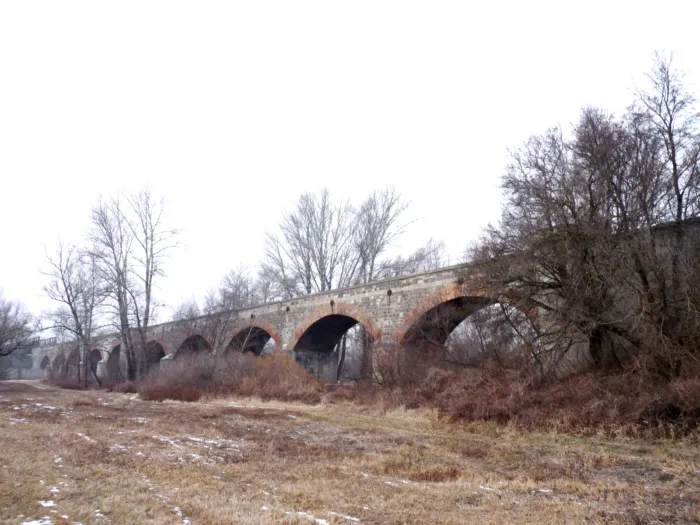
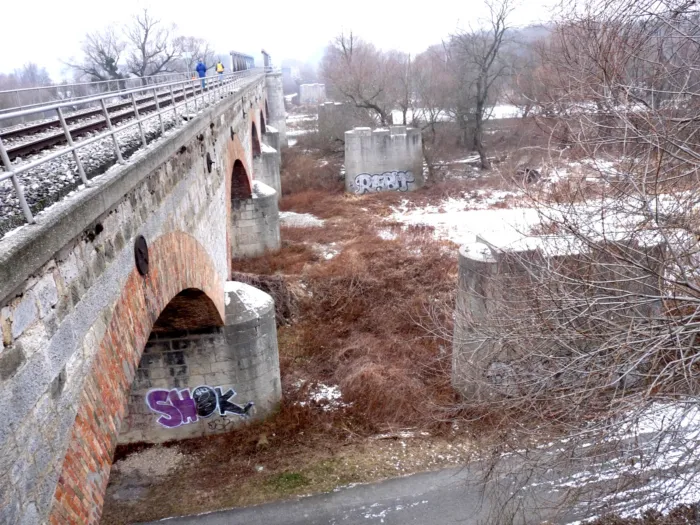
Marchegg Viaduct
Building, structure
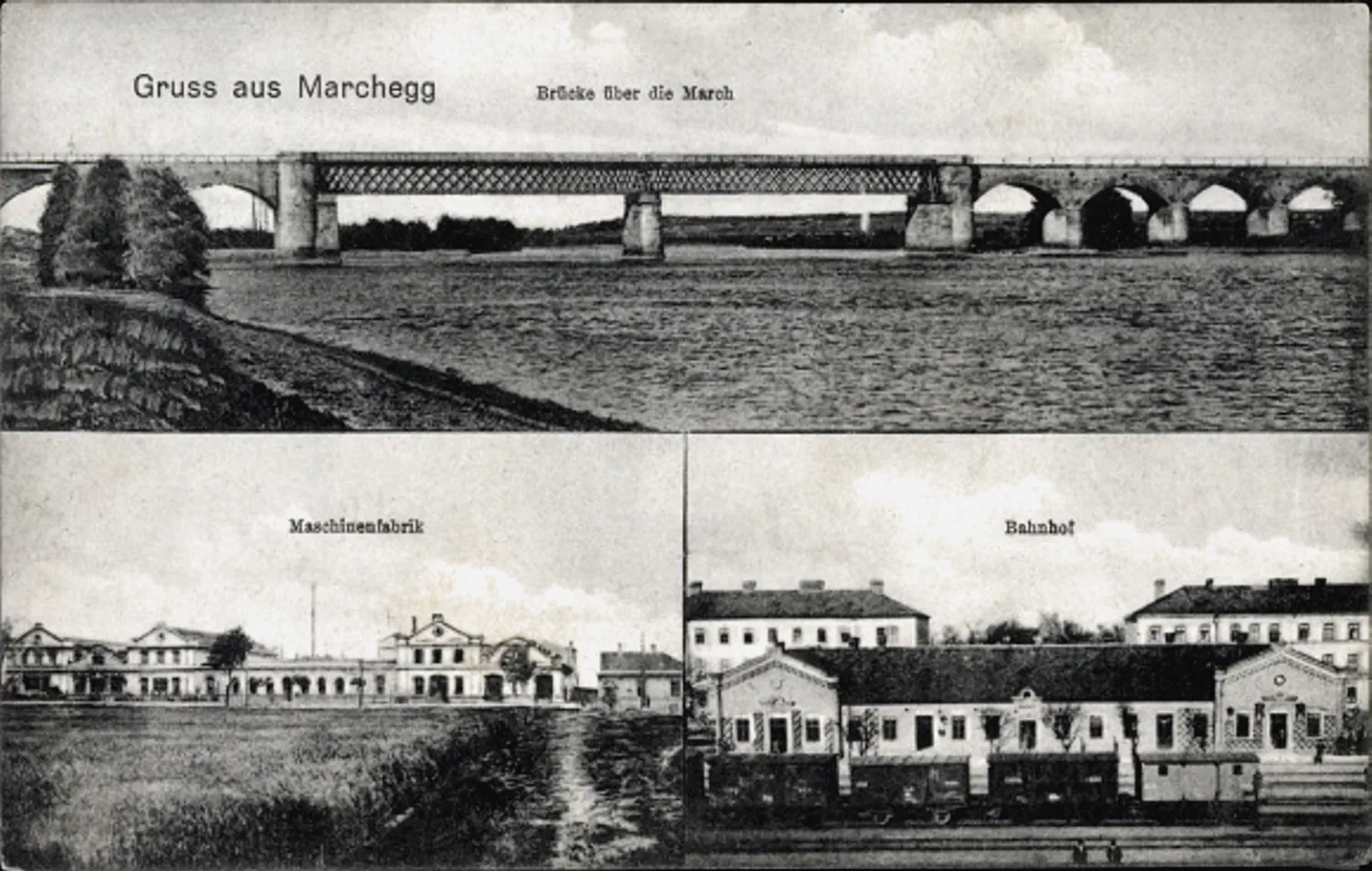
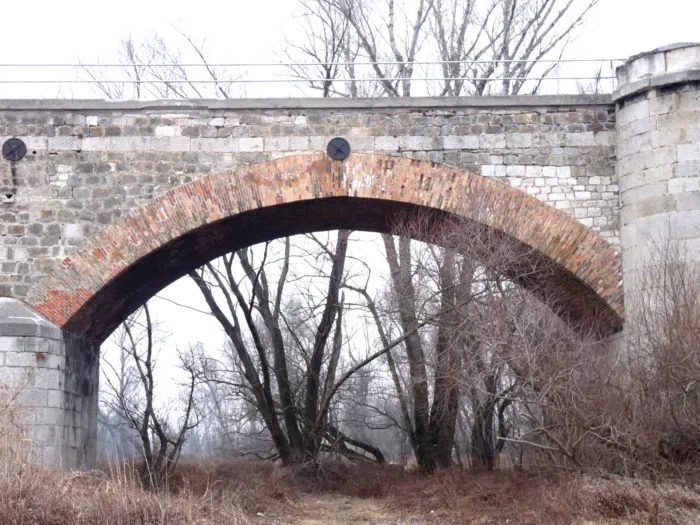
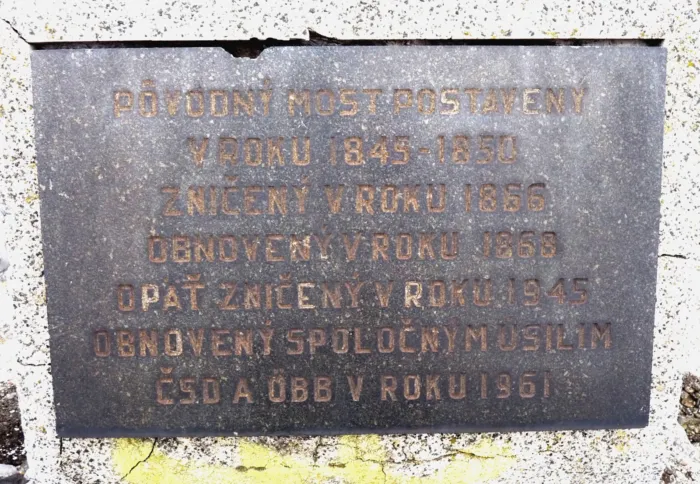
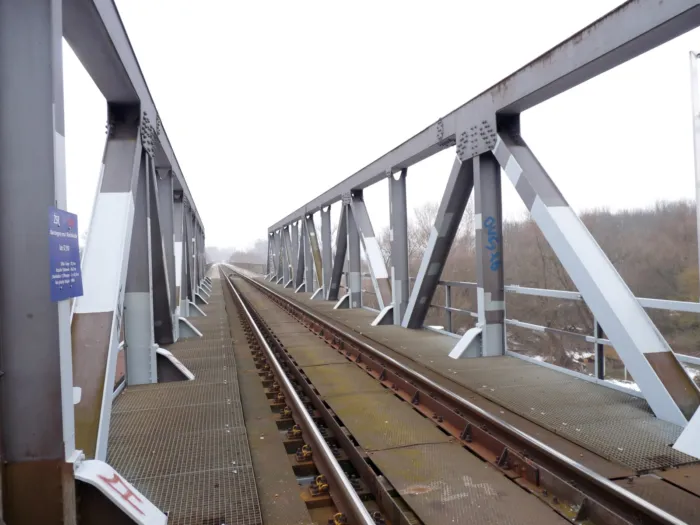
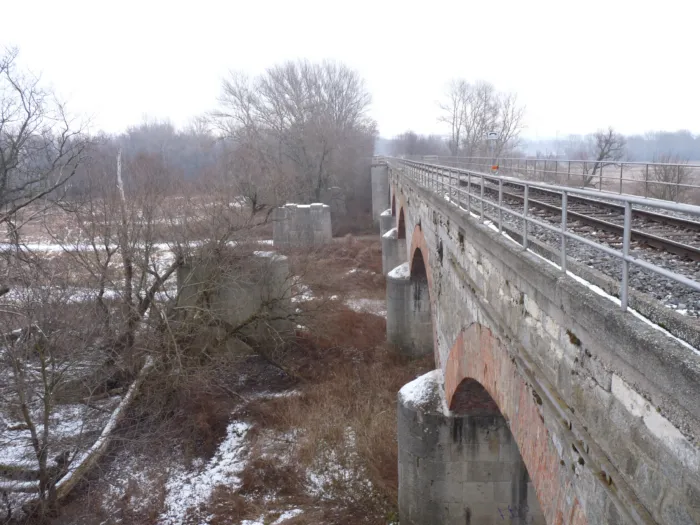
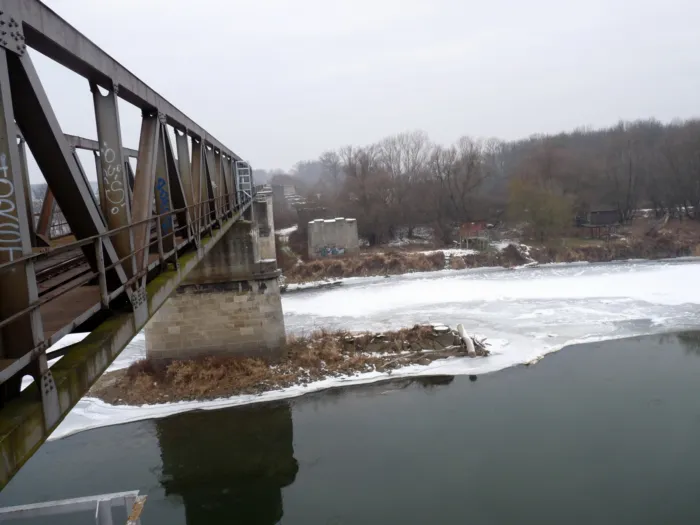
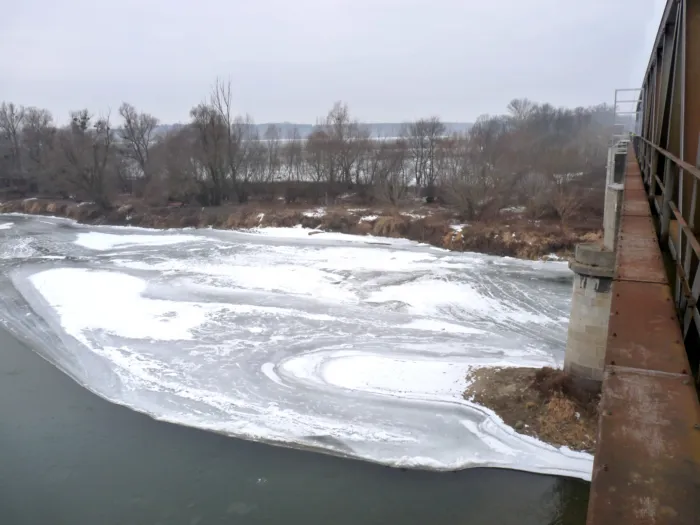
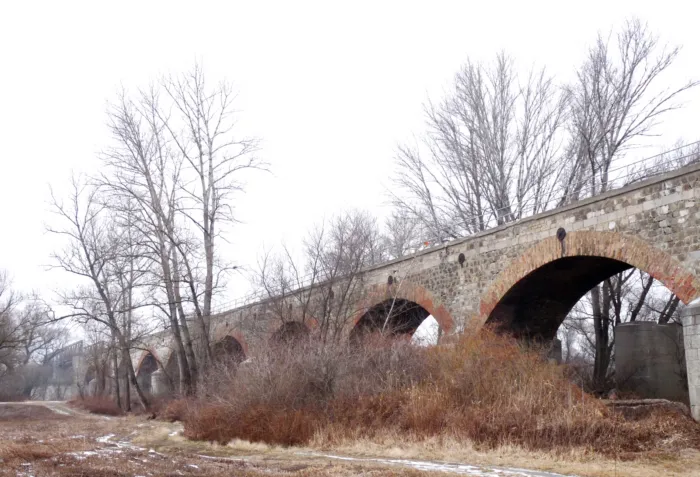
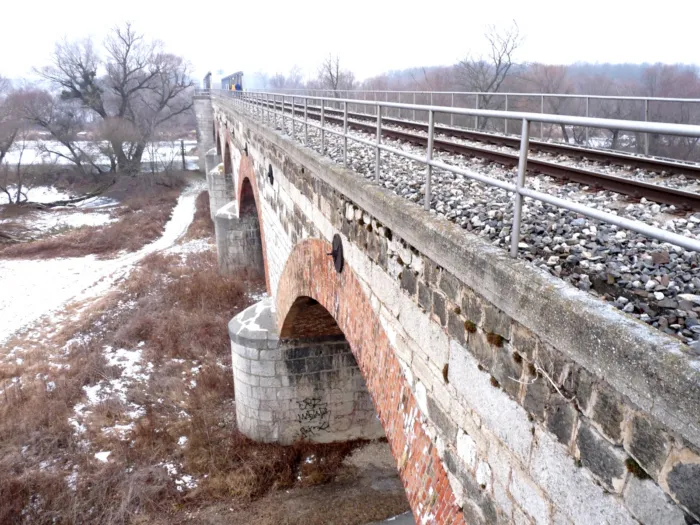
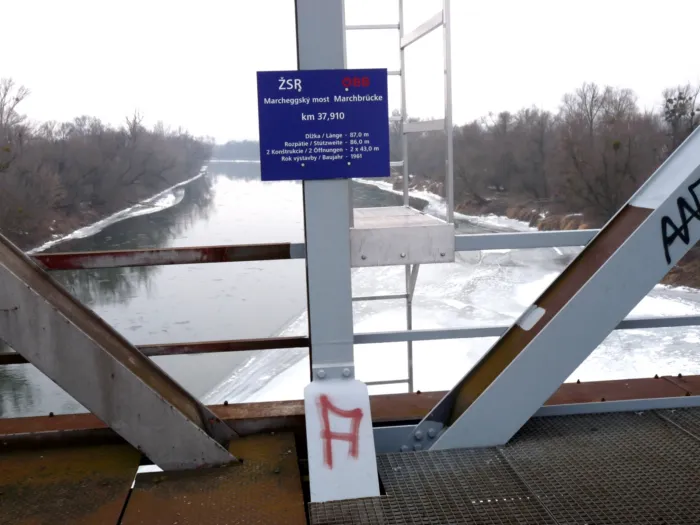
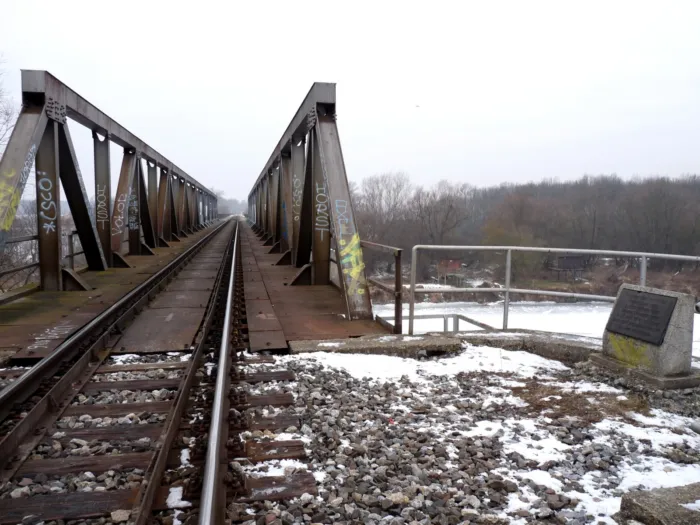
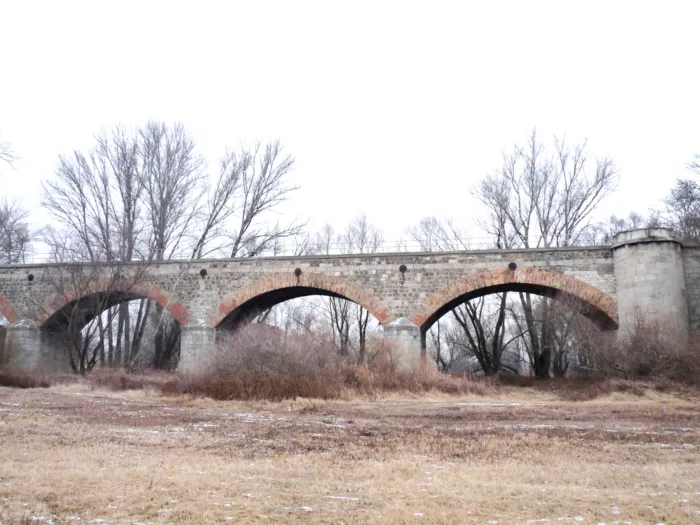
The Marchegg Viaduct, built for railway transport - together with the so-called Red Bridge - played a very important role in the western transport connections of Bratislava. The bridge was part of the planned railway line decided by the Hungarian Parliament in 1836, connecting Pest via Vác, Érsekújvár, Bratislava with Vienna, which the Hungarian Central Railway Company began to build in 1844. The viaduct got its name from the fact that, by spanning the Morava River, it created a connection with the village of Marchegg in Lower Austria on the other side. Its construction work took place between 1845 and 1850. With its 474 meters, it was the longest bridge in the entire Monarchy at the time. ; According to its original design, a 43 m long, two-span, wooden beam bridge spanned the river itself. This was joined by 10 brick-and-stone bridge sections, each 15 meters long, with arched openings on both sides, spanning the wide floodplain of the river on both sides. In 1866, during the military events of the Austro-Prussian War, the retreating Austrian armies destroyed the central wooden part of the bridge. When it was restored in 1868, the missing part was replaced with a steel-structured bridge. During World War I, in order to increase the capacity of military transport to the Eastern Front, it was planned to widen the bridge to two pairs of tracks, but ultimately nothing came of this. The bridge could thus serve traffic until April 6, 1945, when the central part was blown up by the retreating German troops. The restoration took 14 years. ; Nevertheless, the Marchegg Viaduct is perhaps the most spectacular element of the railway bridges in the Bratislava area.