
Marcelházi Reformed Orphanage
Building, structure
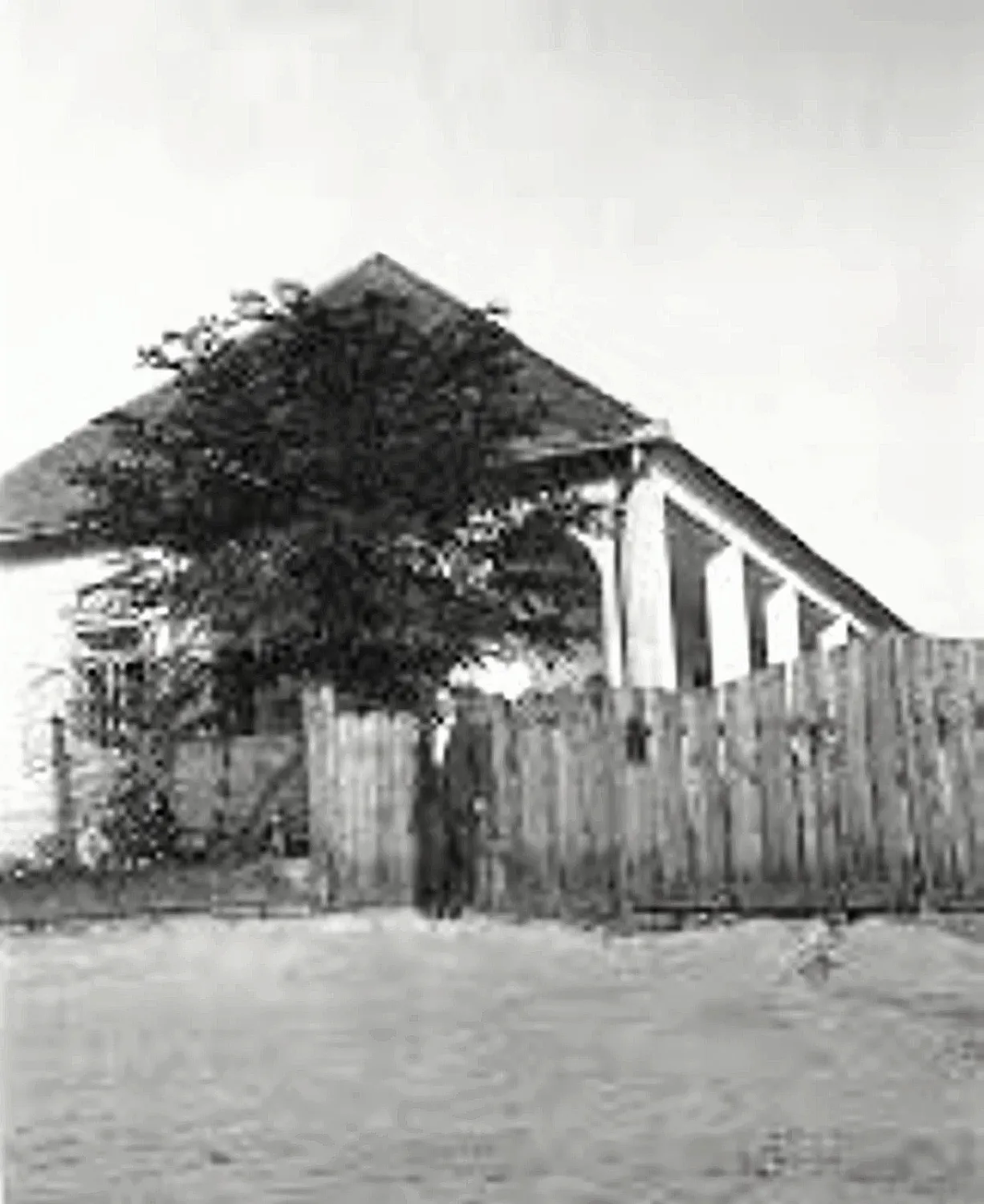
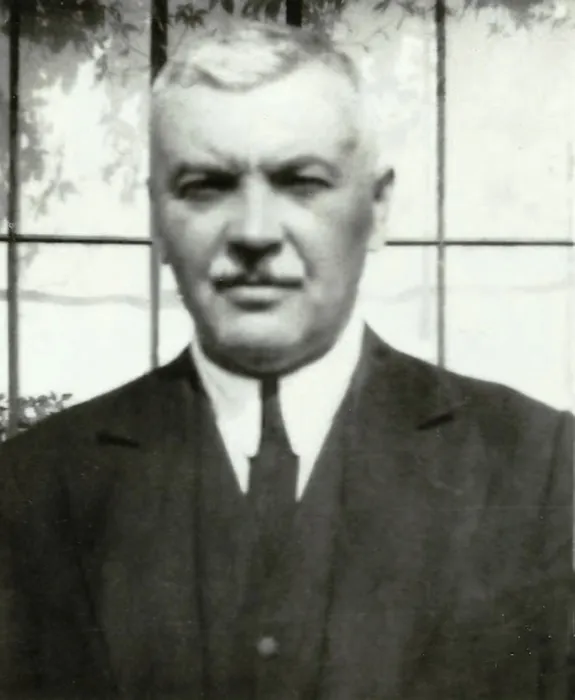
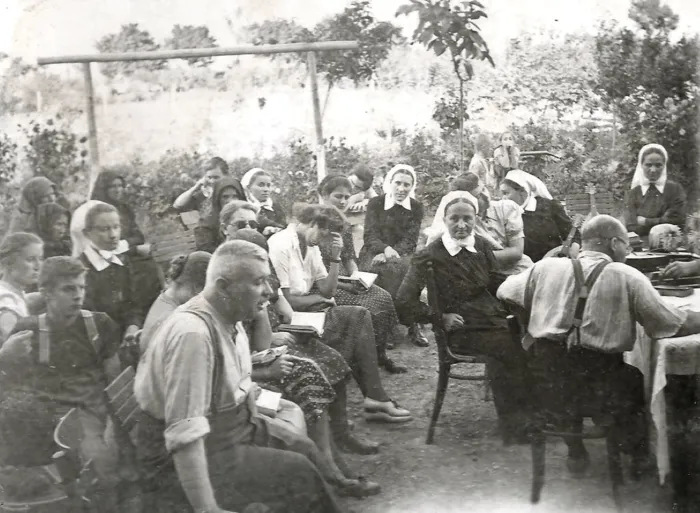
Caring for orphans has been part of the activities of various churches and monastic orders for centuries. In Vienna, on July 18, 1763, Queen Maria Theresa signed the founding charter of the country's first orphanage. ; At the legislative council held in Léva in June 1923, the leaders of the Czechoslovak Calvinists declared the establishment of the Universal Reformed Church of Slovenia and Transcarpathia, consisting of three church districts and ten dioceses. The new church, which was created as a result of the Treaty of Trianon thanks to the compelling force of history. ; So far, few works have been published on the 20th-century history of the Slovak and Transcarpathian Calvinists that are also in line with modern scientific historiography. With the exception of the Transcarpathian region, no attempt has been made to process the social activities of the Calvinist Church between the two world wars. ; Marcelháza holds a prominent place in the history of the Reformed Churches of the Highlands between the two world wars. Thanks to the local pastor and the pious followers of the small Reformed Church congregation, the first denominational orphanage of the Reformed Churches of Slovenszko and Transcarpathia was established here, thanks to Pastor Károly Nehéžy. The newly built nursery is considered a legacy of Pastor Károly Nehéžy, who served in Marcelháza in the 1920s. “They arrived in the settlement as a childless pastor couple. In the early twenties, there was a major TB epidemic in our area: many of the young mothers weakened by chain births died of it. It was ripe in the heart of Károly Nehéžy’s wife to establish an orphanage for the many orphaned children. In the spring of 1928, the Nehéžy couple established the first Reformed Church orphanage of the Highlands in Marcelháza at the parish.” The Marcelháza congregation invited Károly Nehézy, an assistant pastor from Felsőszécse, to be its pastor. The chaplain, who was only twenty-five years old, gladly accepted the invitation, but due to the war, he was only able to take up his new office late, on March 5, 1918. Although the war ended in the autumn of that year, the country fell to pieces, and Marcelháza became part of Czechoslovakia for almost twenty years. With youthful enthusiasm and the piety he had absorbed at the meetings of the Bethánia Association, Nehézy set about improving the spiritual life of the Marcelháza congregation: he organized a Sunday school, a youth association, and held foreign mission and other spiritual meetings. This type of internal mission work was not at all common in the Reformed Church at that time. The pastor's evangelistic efforts over time were accompanied by spectacular results, for example, the number of participants in the services increased to such an extent that the church turned out to be small, as did the parish for smaller gatherings. As an important part of his pastoral work, he held a Bible circle every Sunday in the parsonage, which usually began with the participants discussing the golden proverb of the day. This is what happened on March 25, 1928. It was a beautiful, sunny day. The group happily settled down in the hallway. It was pleasantly warm... - Nehézey himself introduces the story of the Bible class that led to the founding of the orphanage in one of his writings, and then continues: - As usual, everyone told their golden proverb of the day [...] Everyone told it, the pastor told it too... They began to talk about the content of each golden proverb. This happened on other occasions as well. There was nothing remarkable about it. Suddenly, the questioning in this direction stops and the question is asked in a very serious tone: "If Jesus were really walking on earth in the flesh, who among those present would be willing to give Him food and lodging?" Everyone takes the question seriously and almost without exception everyone is willing to give Jesus food... But what about the lodging? A poor girl speaks up in great silence: "I would gladly give my bed to Jesus." "But what if Jesus stays here not just for one day, but for many years? What about his food and lodging?" The previous girl (who later became an orphan herself and became an orphanage caretaker) speaks up in silent silence: "I will give Him lodging then too." The direction of the conversation changes again: "Now we really have to find Jesus here in the flesh!" A gentle girl with a smiling face and laughing eyes speaks up: “It is true! Jesus is also found on earth in the flesh, for it is written in the Bible: Whoever welcomes one of these little children in my name welcomes me.” (Mark 9:37.) So Jesus, the King of the Jews, can be found. Every time we see abandoned little children, Jesus himself walks on earth in the flesh in their form. Everyone almost breathed a sigh of relief, so Jesus can also be found on earth in the flesh. It is not difficult to find him. The question is asked in deathly silence: “After this, who would give Jesus a place to stay and who would give him food?” Agonizing moments. Everyone feels that it is impossible to play with words. The spoken word will have serious and irreversible consequences. The questioner himself is the best party. He expects the answer from someone else. The pastor’s wife speaks up: “I will give Him a place to stay and food.” And thus the orphanage was born. ; ; The first two orphans moved into the “orphanage”, or more precisely, into the parish that provided its space, on April 2. The news of the establishment of the institution quickly spread to the surrounding settlements, and since there were orphans or children in need of care everywhere, the number of residents of the orphanage also grew rapidly. ; 1929 brought many changes to the life of the orphanage. In April, the demolition of the old parsonage and the construction of a new one began. The small army of children, which had already grown to eight, and their educators had to find a separate building. It became increasingly urgent to get the orphanage back on its feet from an economic point of view, as until then the parsonage couple had fed the orphans at their own expense, while their clothing and other necessities were provided by the local people and the members of the Léva and Felsőszel Bible Circles, which maintained close ties with them. They also jointly undertook that if the orphanage were to be dissolved for some reason, they would not leave the orphans to their fate, but would take them in and raise them. A local presbyter rented his two-room house with a kitchen to the orphanage for a small amount. The orphans moved here from the parish, who were now supervised by two caregivers. The Bethel Association, established in 1930, was supposed to provide the legal background for the purchase of the new building. ; Károly Nehézey left Marcelháza on March 3, 1930 and became the pastor of the Kisújfalu congregation, also belonging to the Komárom diocese. The members of the Marcelháza congregation said goodbye to the little orphans who had grown close to their hearts with tears. By then, the institution had fourteen residents, while in 1931 it had already twenty-four, so the move became practically unavoidable due to the cramped housing conditions. While searching for a suitable building, the idea of purchasing the castle in Kiskoszmály near Léva, which had been put up for sale by the Upper Szecse forest estate, built by the Migazzys at the beginning of the 19th century and later owned by the Erdődy family, arose. With the move to Kiskoszmály, a new era began in the history of the orphanage. ; The momentum of the movement was somewhat broken by the border change following the first Vienna decision, and then by the Second World War. However, the real catastrophe only occurred at the end of the war. In the areas that had been returned to Czechoslovakia, the movement was dissolved and its assets confiscated. Károly Nehézey and most of the volunteers of the Kiskoszmály movement left for the motherland. Their small community remained together, and so they ended up in Őrszentmiklós, where a mission center was soon established in the castle that served as a charity home. However, this could not function for long. A few years after the communist takeover in 1948, church missions were banned, and the movement came to an end. ; Károly Nehézey was a man of faith living by the grace of God, who dedicated his entire life to the awakening movement in the Highlands. His loving personality, his exemplary life of faith, and his inexpressible love for orphans.