
Hungary's first railway tunnel
Building, structure
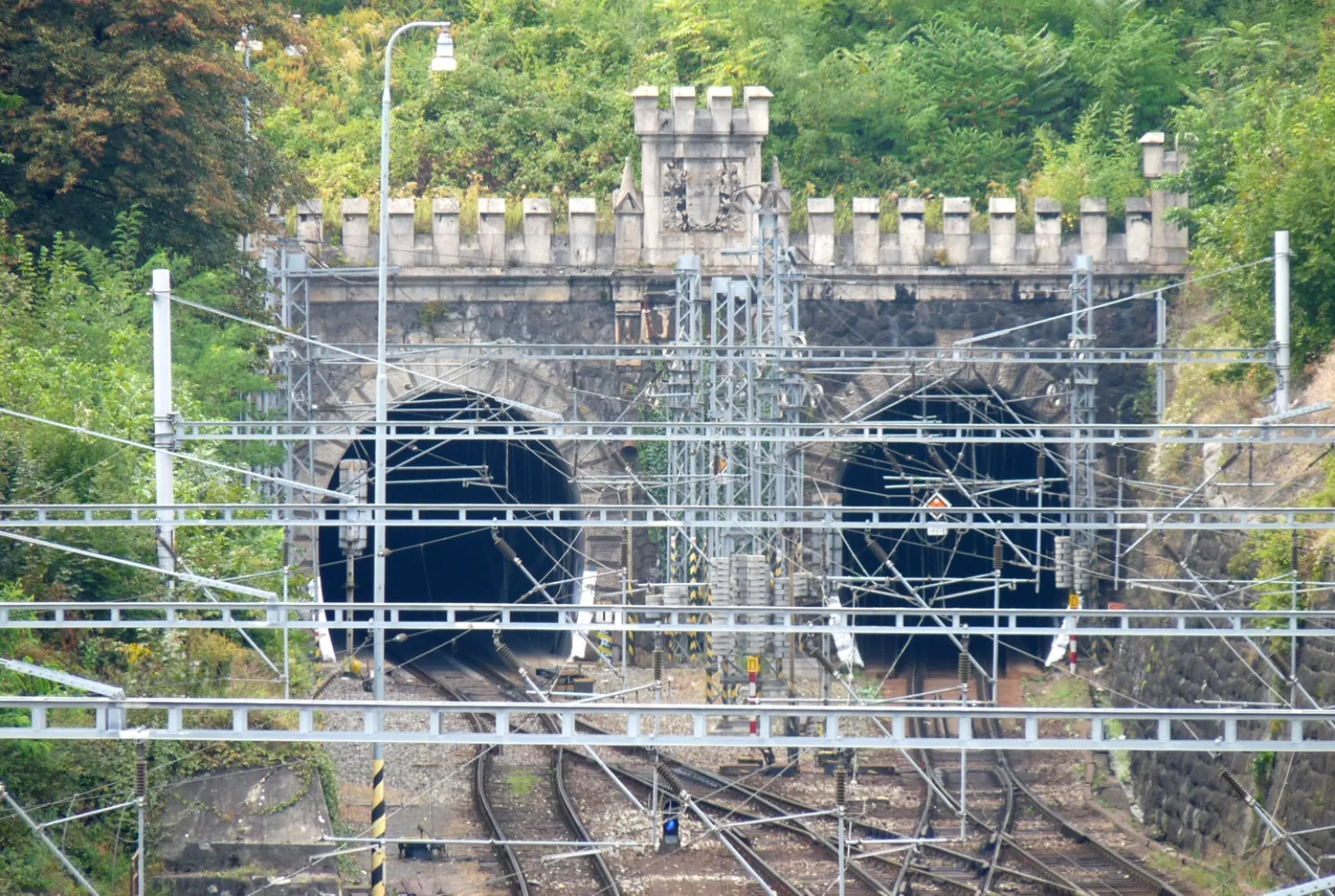
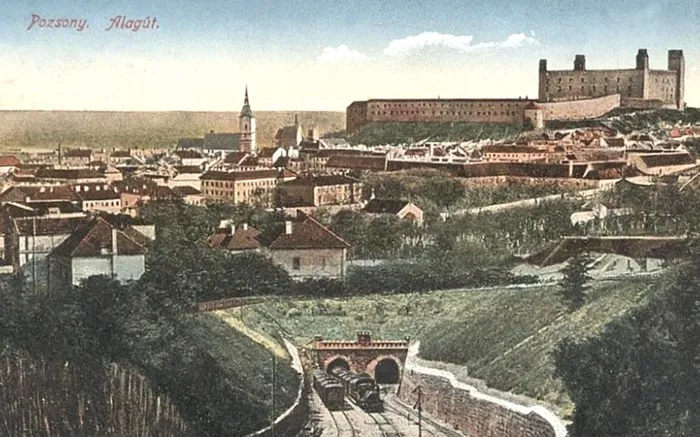
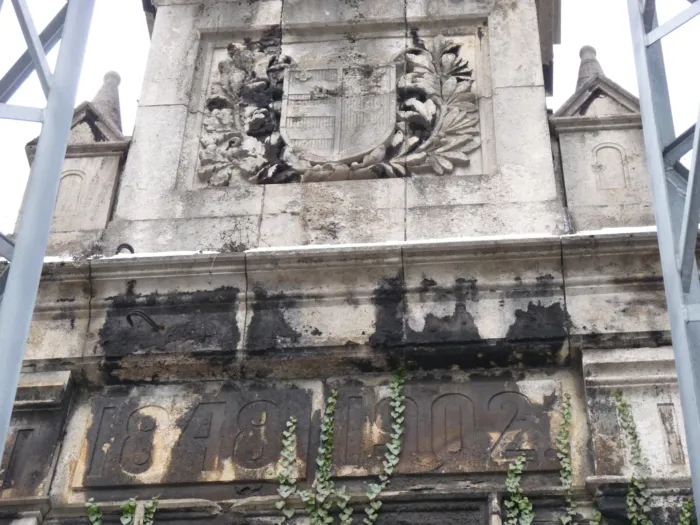
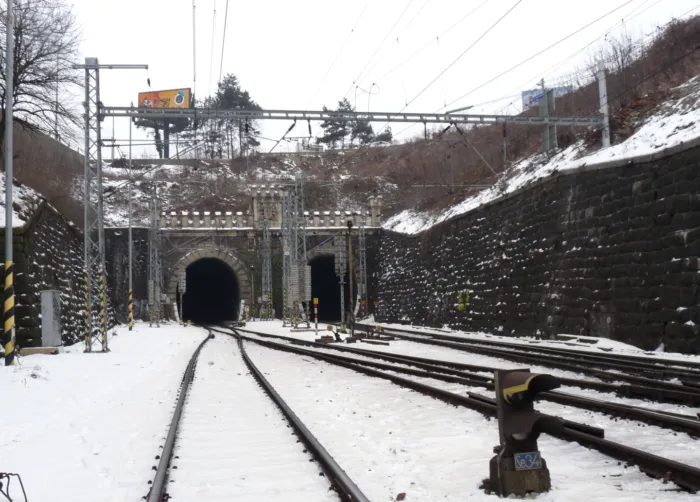
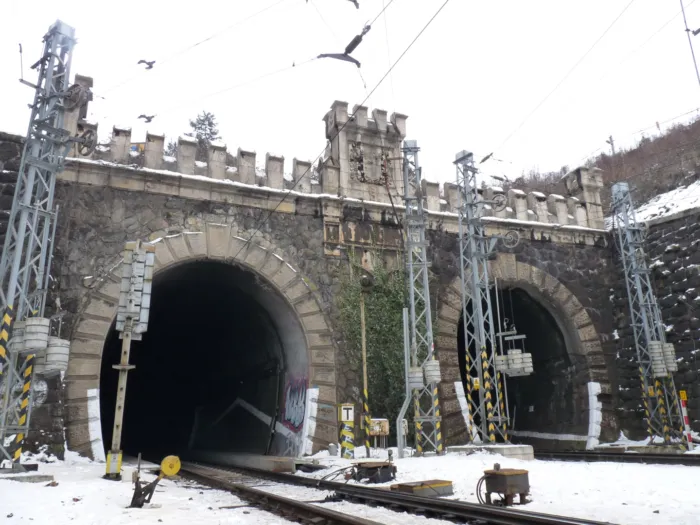
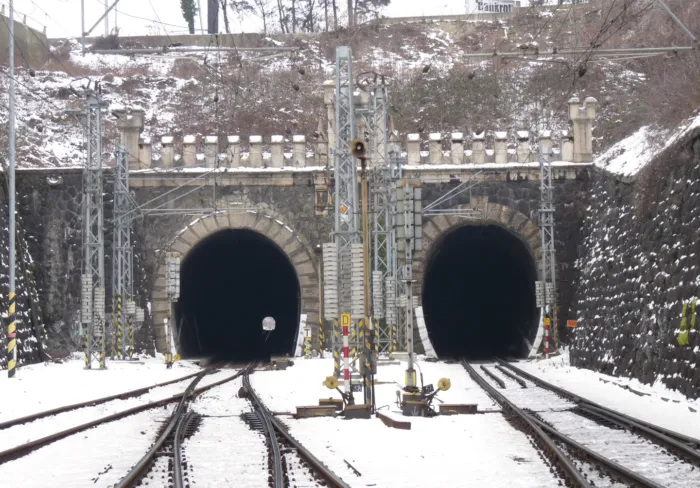
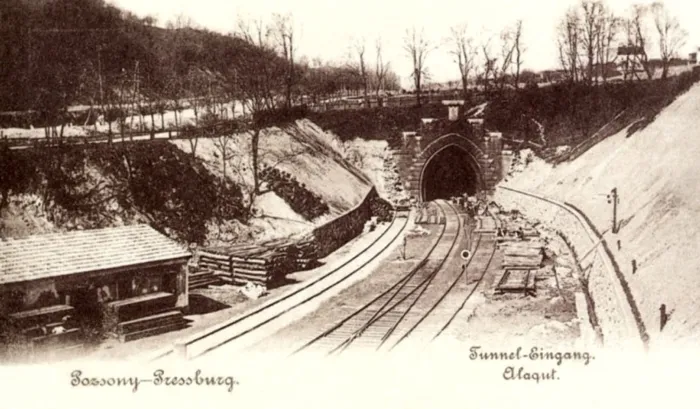
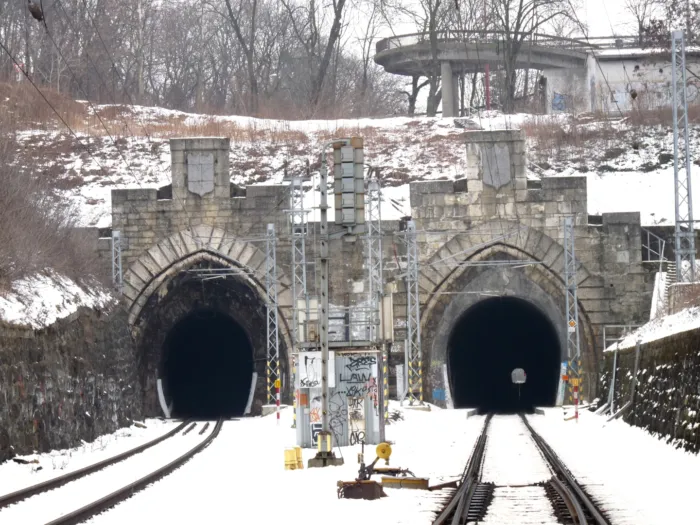
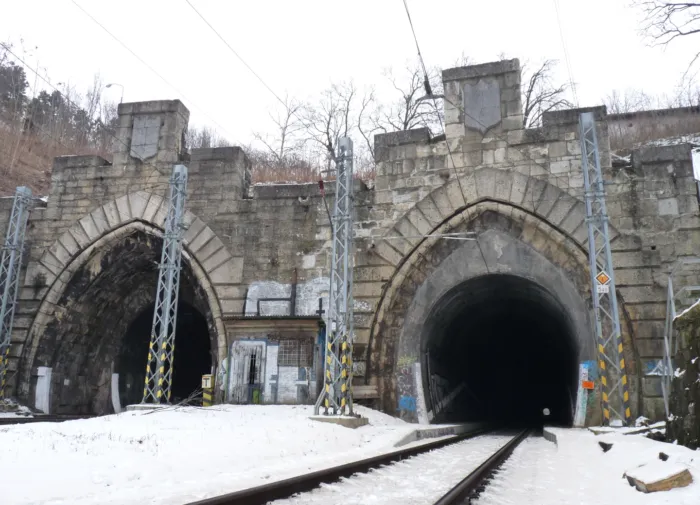
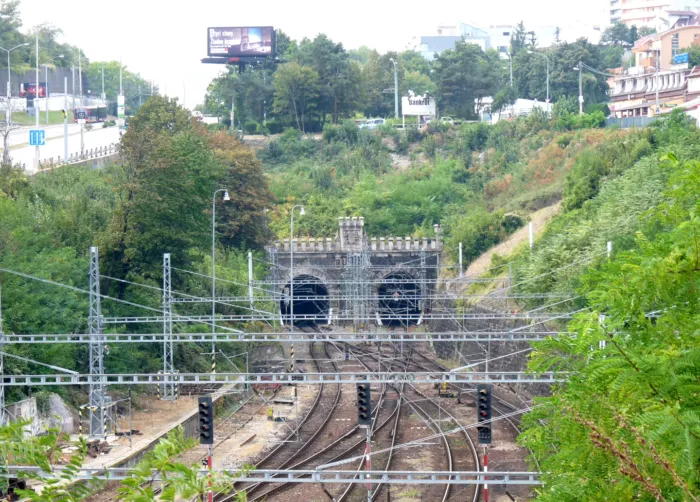
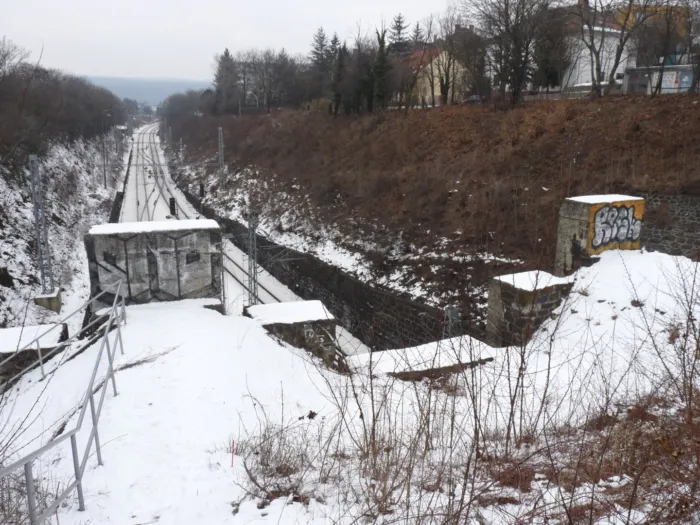
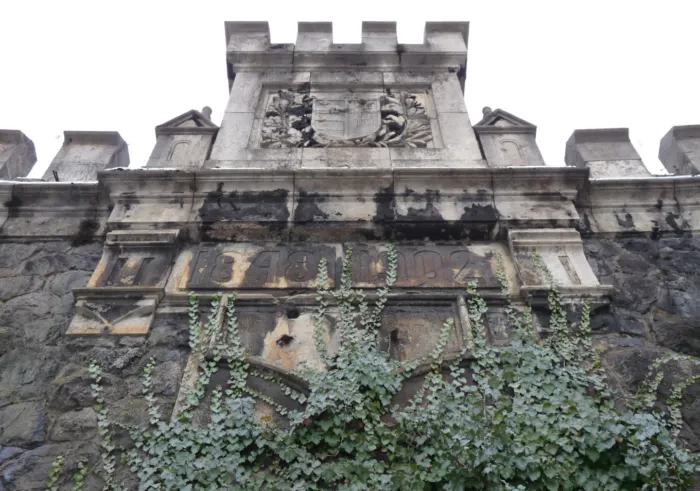
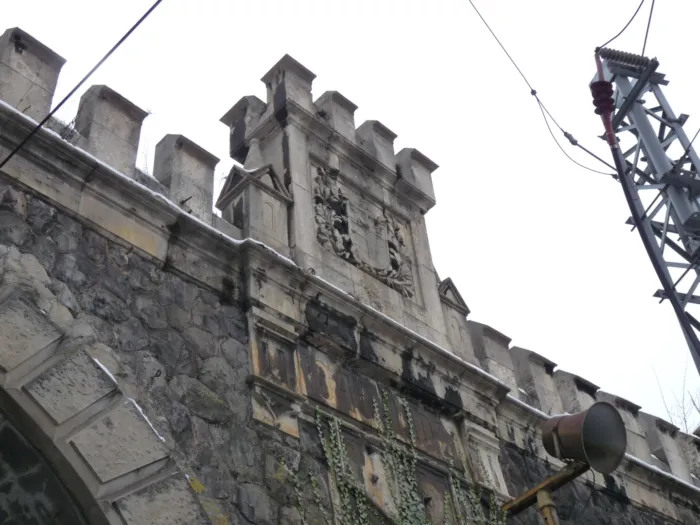
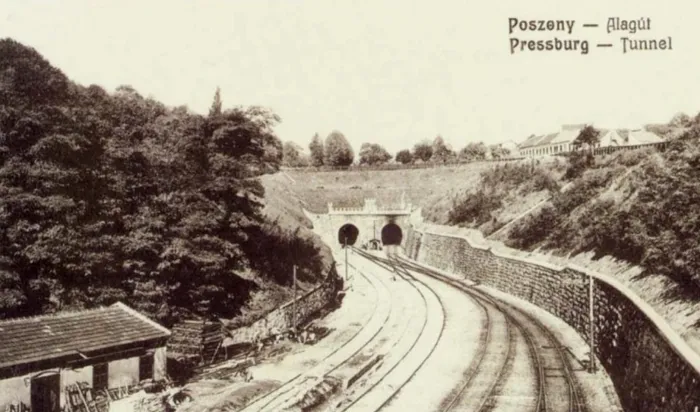
The railway line between Bratislava and Marchegg and the tunnel on it were opened to traffic in 1848. One of the passengers on the first train to leave described his experiences: "Our train left the station at half past five and, like slow lightning, we passed through the tunnel in two and a half minutes, while the echo of the noise of the rolling carriages and the shower of sparks from the locomotive made a fearful, gloomy impression on our mood". In Hungarian, the passengers were afraid. I am not surprised. The travelers were stunned by the "amazing structure" of the tunnel for a long time. ; How was a tunnel built during the Reformation? First of all, five wells were dug - in the planned direction of the tunnel - 110-125 meters apart. Work began through these well shafts. Workers were lowered into the wells, who began digging sideways. The excavated earth, the broken stones, and the groundwater were also pulled to the surface through wells. The tunnel was therefore dug in several work areas at the same time. At three wells, steam engines had to be set up to drive the pumps and lifting machines. ; The "...Bratislava station" was built in the immediate vicinity of the railway station and enables transport on a single-track railway through the lower saddle between the Kalvária and Zergehegyek mountains. As a twin tunnel, it is the most important and most notable structure of the railway line between Bratislava and Marchegg. It was originally built as a simple tunnel. It was built by the construction contractor Bódog Tallachini, and its construction took place between 1846 and 1848. It is the first structure of its kind in our country, and one of the first on the continent. It is also the only one built in our country according to the Austrian system. Its entire length between the two gates (facing Bratislava and Lamacs) was originally 703.60 meters. The section from Marchegg towards Bratislava has a slope of 6.66% = 1/550. Its construction was a very large and difficult task, considering the extremely unfavorable, ever-changing and chaotic rocks of the mountain range. quality and its permeability with water. Its total cost was 2,684,680 crowns. However, when passenger and freight traffic between Budapest and Vienna increased dramatically at the end of the 1990s, the tunnel, which was designed for two tracks but which proved to be insufficient for the traffic due to the dimensions of the wide wagons used today, was no longer sufficient for the traffic. The increasingly apparent dilapidation of the old tunnel also contributed to this, for which reasons it was planned to demolish the tunnel in a length of 110m. The implementation of the plan was started in 1899, but on 18 January 1900 the dilapidated masonry, unable to withstand the lateral pressure of the mountains, collapsed in an area of 8-102 m. and 28-29 m. in a length. The collapse brought with it a 49-day traffic break and the collapse The cost of its restoration was 128,103 crowns, not including the 63,656 crowns that were spent on the masonry and shoring work in the old tunnel. Experience, but also local reasons, suggested that instead of expanding the old tunnel to two tracks, a second parallel single-track tunnel should be built. The issue was indeed resolved with a twin tunnel. The work began on December 15, 1900, and the construction work was undertaken by the Gregersen G. and Sons company. The work was completed at the end of September 1902 and opened to traffic on October 13. Its total costs, including the drainage work, amounted to approximately 977,000 crowns. The slope of the new tunnel is largely the same as that of the old tunnel and the slope towards Bratislava is 6.51%. They show a fall. They were built on the middle cross-stories according to the English method. Along the Alagút· row there is the TuneII kert restaurant and entertainment place, visited mainly by workers on Sundays and holidays. On Zergehegyi-ut, to the east from here, there are summer houses and the Kühmayer-type workers' houses." ; On the facade facing the Great Station, some details of the damaged Hungarian coat of arms can still be seen; it seems that the grandchildren of those who wanted to completely erase the past still have work to do ...