
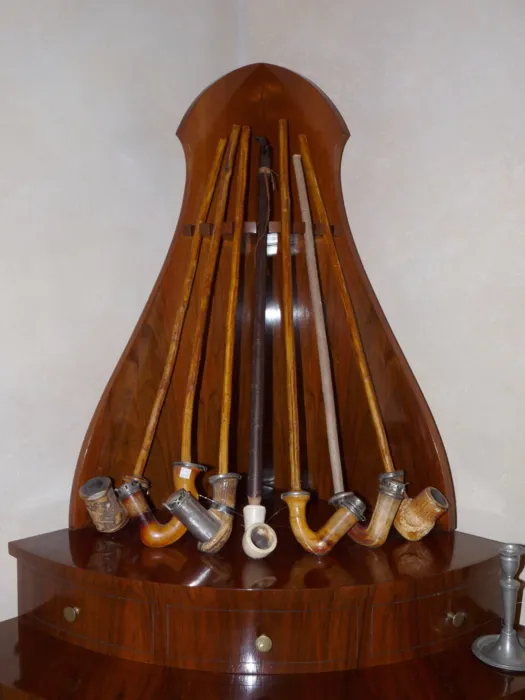
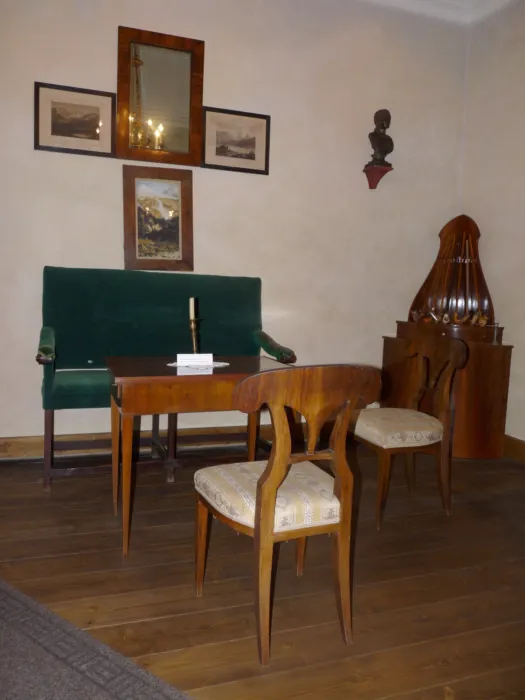
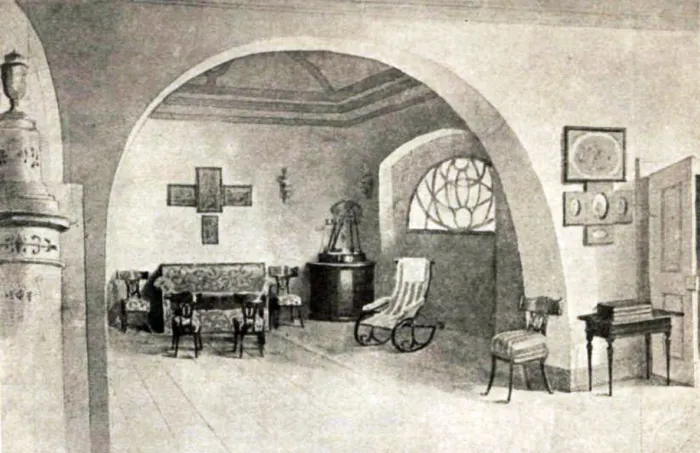
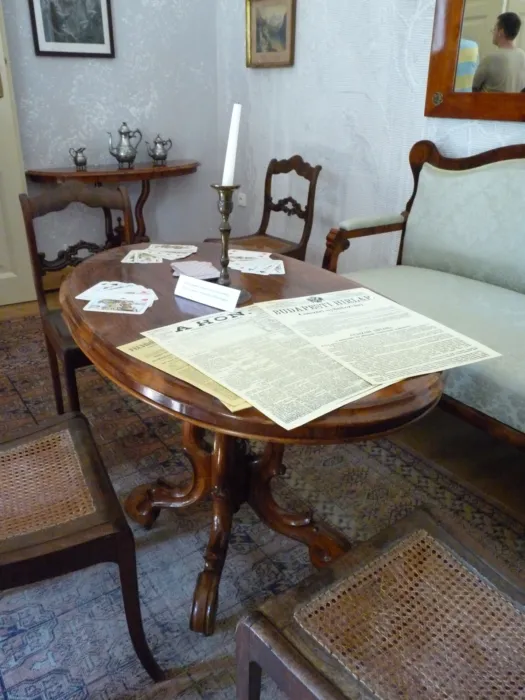
Interior of Imre Madách Castle
Building, structure
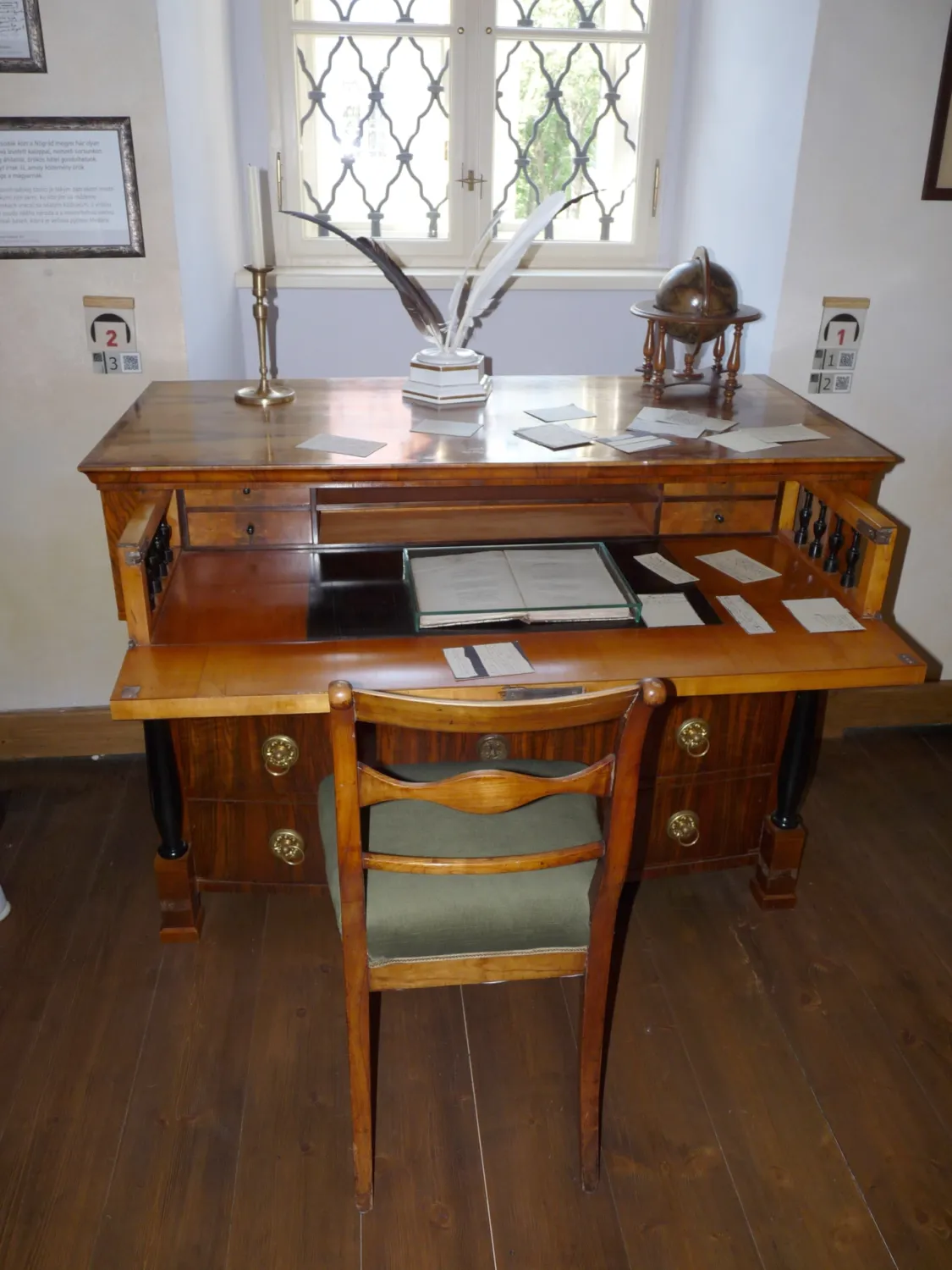
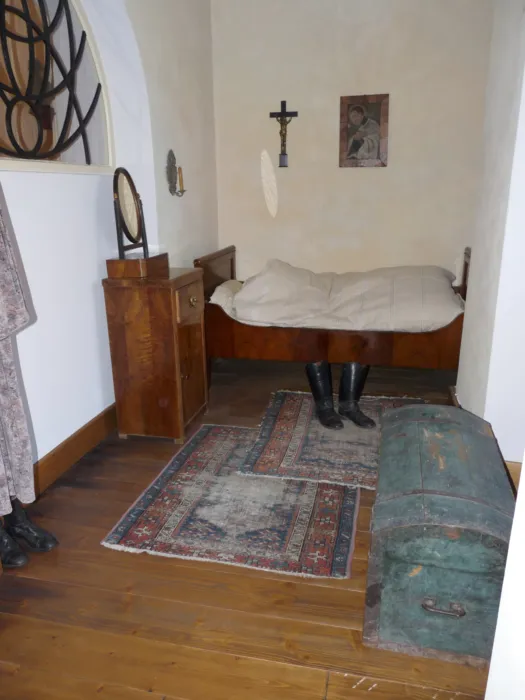
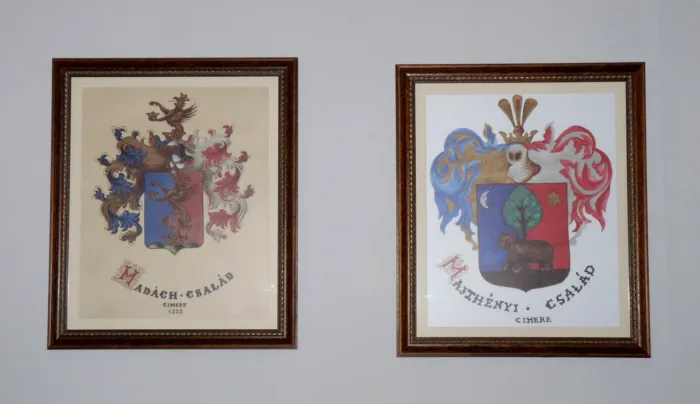
In the southern part of central Slovakia, about 14 kilometers from Nagykürtös, nestled in a hilly landscape, is Alsósztregova, famous for its castle surrounded by a huge English park, built in the rococo-classical style. The small village was known as the estate of the Madách family for more than 300 years, and Imre Madách was born here on January 21, 1823. He wrote The Tragedy of Man here, and lived here for the rest of his life, dying on October 5, 1864. ; The Madách family settled in Alsósztregova around 1430. Genealogical sources record the family in the Nagykürtös and Zvolen area as early as 1238. Among the members of the family, Gáspár Madách the elder and Gáspár Madách the younger are significant creators of Renaissance literature. The original castle burned down in 1717, and the renovated castle burned down again in 1758. In 1777, Sándor Madách, the grandfather of Imre Madách, had the family seat renovated in the Rococo-Classicist style. This new castle is very similar to the old one, a three-winged building with a central projection. The slanted, columnar towers indicate older influences. The living space within the two corner towers offers a great view of the English park. ; Imre Madách had part of the castle renovated in 1855 and created his bedroom and study, the famous “lion’s den”, from the corridor next to the billiard room, where a significant part of his literary works were created. Here he wrote The Tragedy of Man in just over a year, between February 17, 1859 and March 26, 1860. Madách originally wanted to title the work Lucifer, but then, after his captivity and release, he finished writing it in 1857 and wondered what to do with it. Imre Madách almost set fire to the world-famous work, The Tragedy of Man, which he wrote here, in Alsóstregová. Here he soon began Moses, and a little later, The Last Days of Csák. His mentor and friend, János Arany, visited him during this time. ; ; Through the five rooms that open into each other – through which you can see all the way to the London picture mural – the world of the Tragedy opens up, creating a feeling of infinity. Each room is covered with unusual wallpaper, on which details of the manuscript text can be found from the walls to the ceiling, through curtains to the emphasized closing sentence placed in the last room. A colored strip on the floor shows the direction of the exhibition and accompanies the viewer through the colors of the Tragedy. ; There is a large park around the castle, where the remains of Imre Madách were laid to rest in 1936. Above the tomb is a monument inspired by The Tragedy of Man, depicting the figure of Adam, which comes from the workshop of Lajos Rigele. ; The castle became the Madách Museum in 1964, and then the Madách Castle from 2003. The building was restored in 1984, and the permanent literary exhibition was reopened in 1996. Part of this is primarily visual material documenting Madách's life and work, but we can also see an exhibition of the stage performances of the Tragedy. Although unfortunately there are hardly any original relics in the building. The castle also has a museum pedagogical section for children and young people. The trilingual website about Imre Madách, created jointly by the staff of the Hungarian Academy of Sciences and the Museum of Hungarian Culture in Slovakia, is being introduced.