
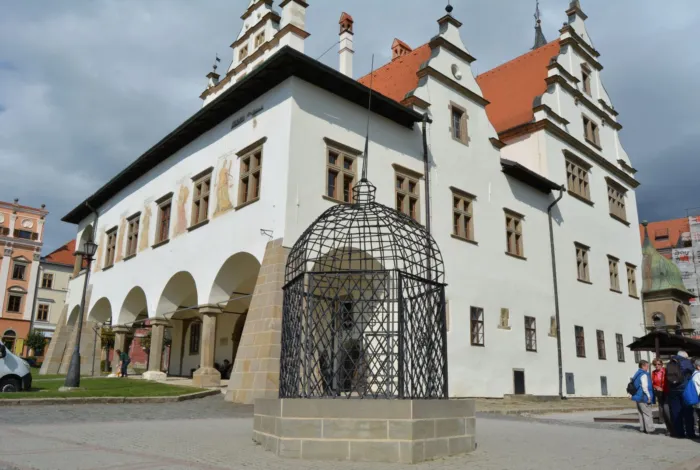
Levoca cage of shame
Building, structure
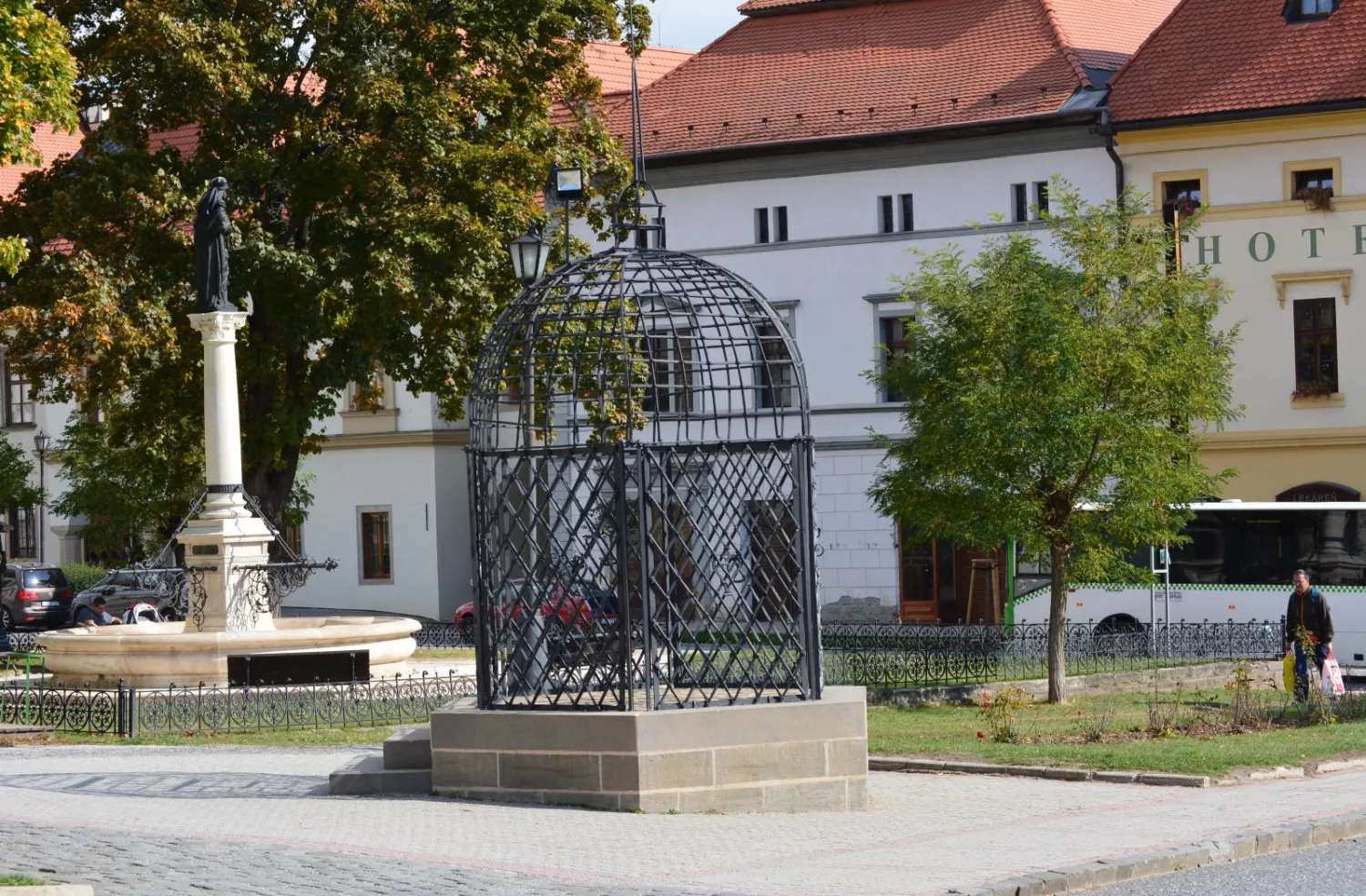
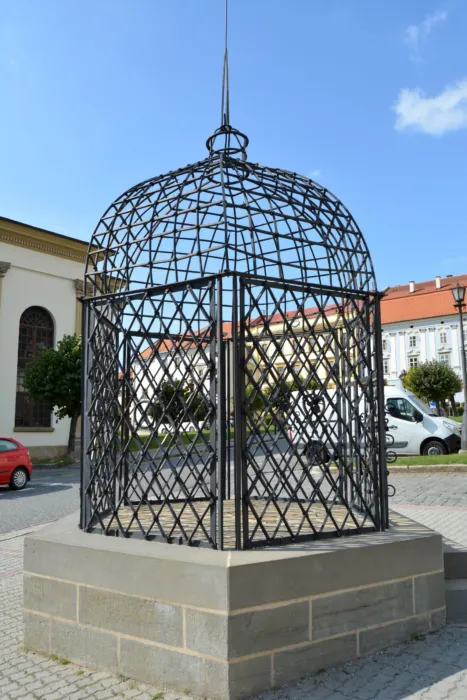
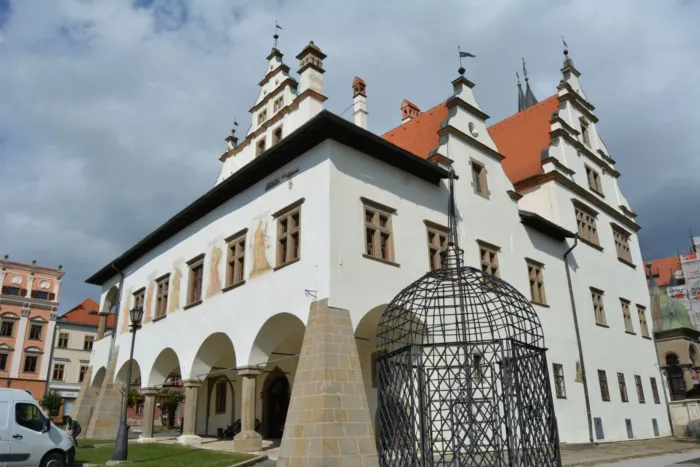
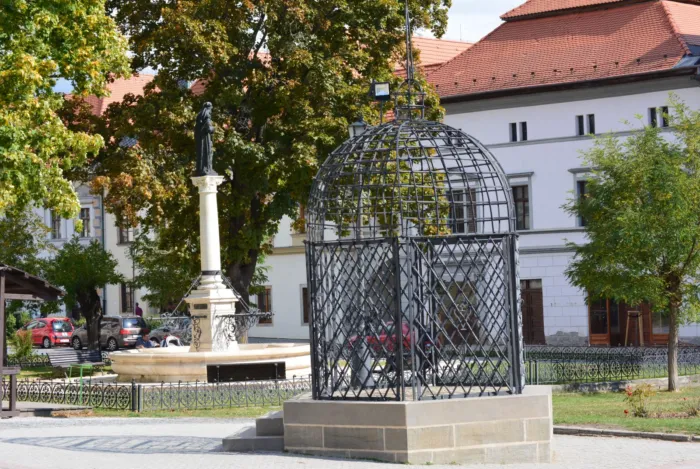
One of the most important privileges of the free royal cities, which was considered a serious privilege compared to settlements under the power of the landlords, was the right to judge independently. Thus, the city of Levoča, and its council and judge, could judge its citizens independently in most criminal cases. To demonstrate this right, the city, which required its citizens to lead a strict, legal and puritanical lifestyle, erected a cage of shame (Ketterhäuschen) on the Main Square. The cage, made of wrought iron rods, with a hexagonal ground plan and an arched top, served as a pillory in the Middle Ages, i.e. to lock up perpetrators of minor crimes, thus publicly shaming them. The criminal could be locked up in it for days or weeks. The time spent in the cage was intended to be a humiliation and lesson for the offender, and a deterrent for those passing by. Therefore, the punishment was carried out during fairs, when there were many people in the square. The gathered people usually addressed the condemned with expressions of contempt. It is said that the women who appeared alone on the streets of Levoca at night without a male escort after lighting the lamp were most often subjected to this form of public humiliation. It was last used in 1850. ; Its most famous prisoner was Julianna Géczy, also known as the White Woman of Levoca by Mór Jókai, who was thought to be a traitor to the city and who was later publicly executed in Győr. ; The cage, which is now a favorite of tourists, was originally located in the city center, in the market square, and after 1850, when it was no longer used, it was moved outside the city walls, to the Probstner Garden. In 1933, at the request of the population, it was placed in front of the city hall again.