
Levoca Old Town Hall
Building, structure
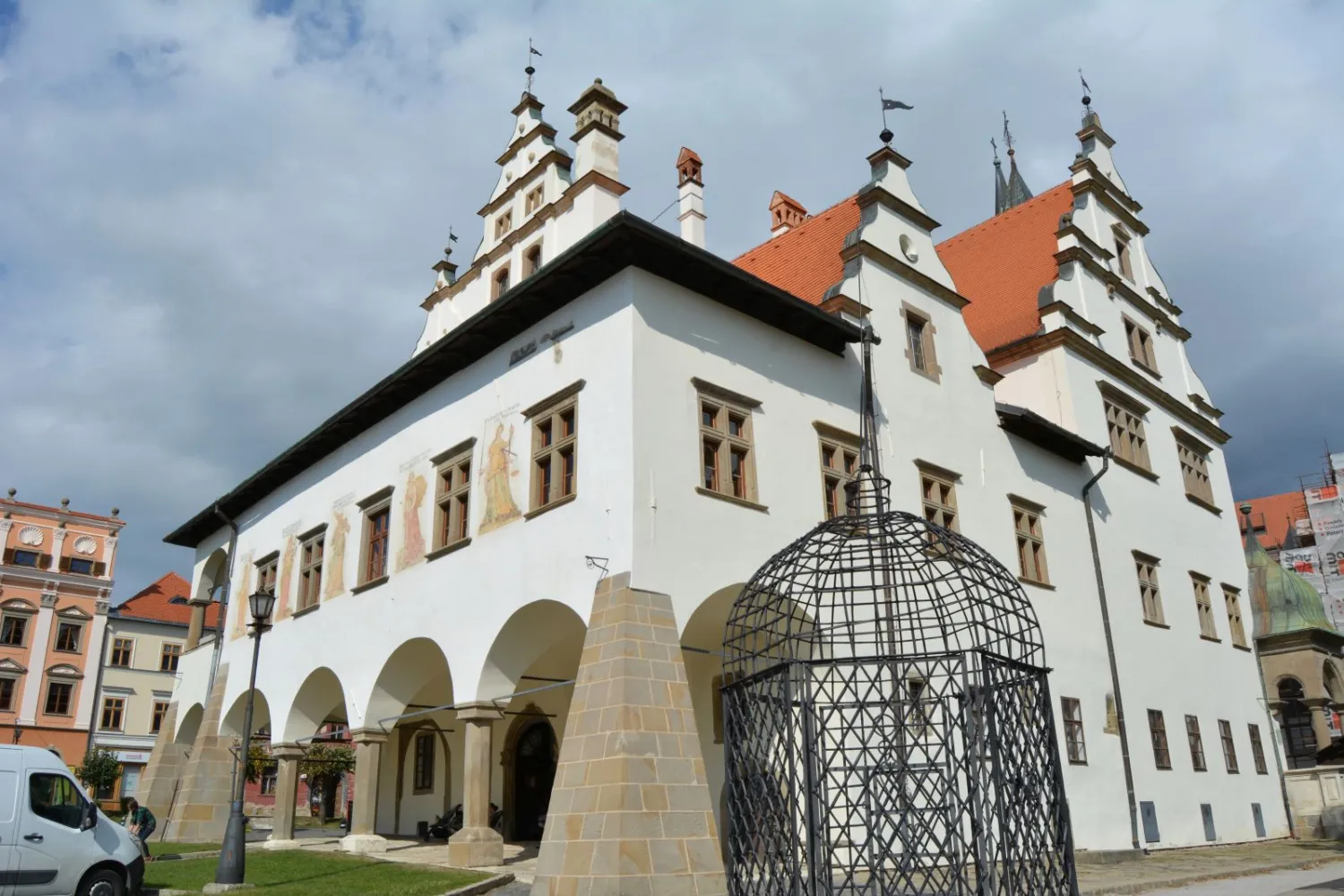
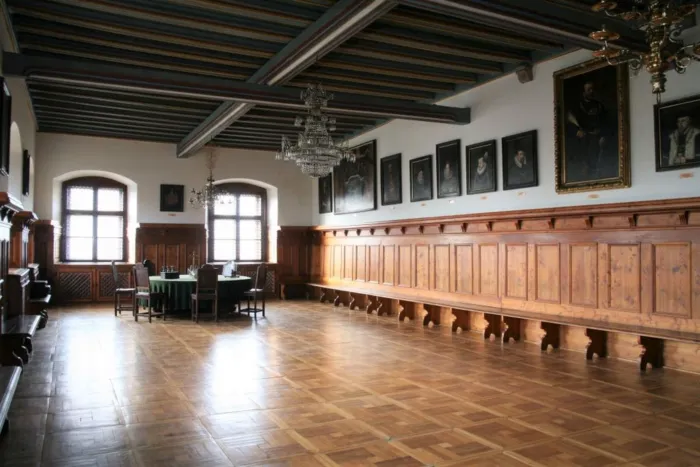
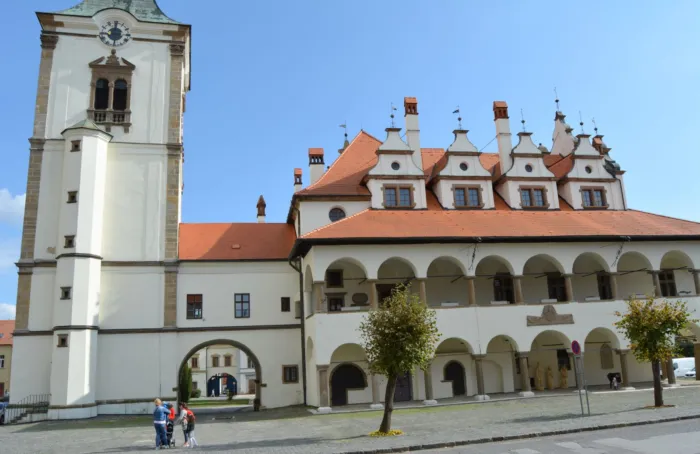
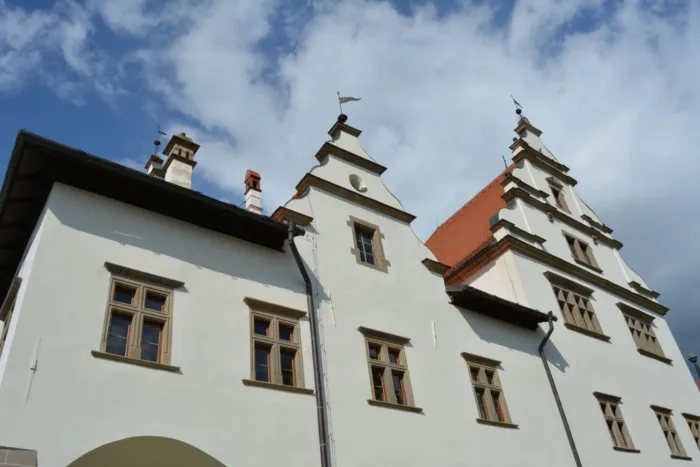
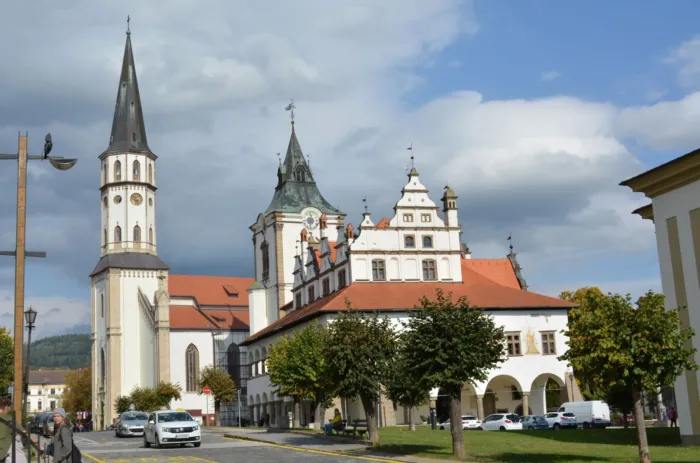
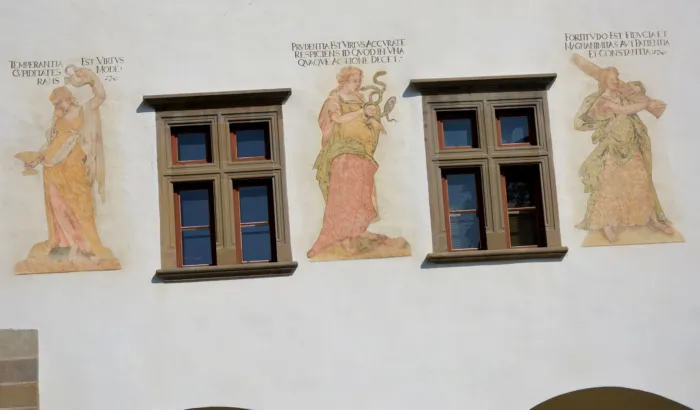
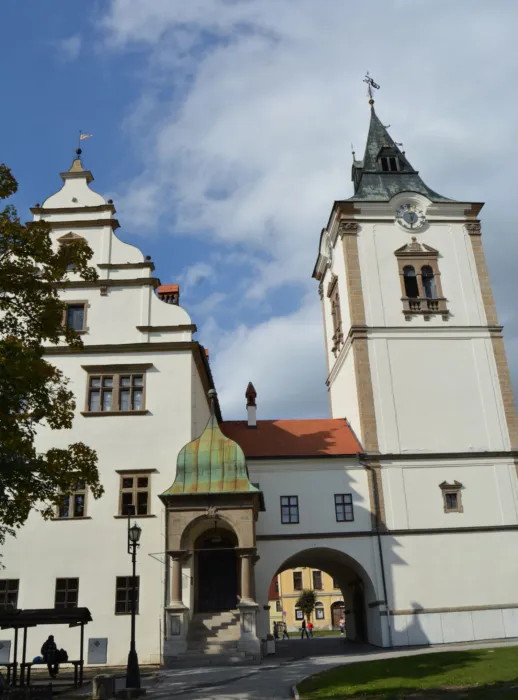
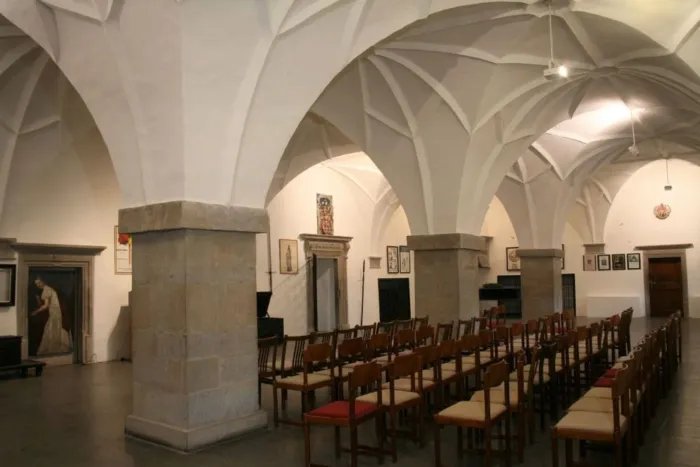
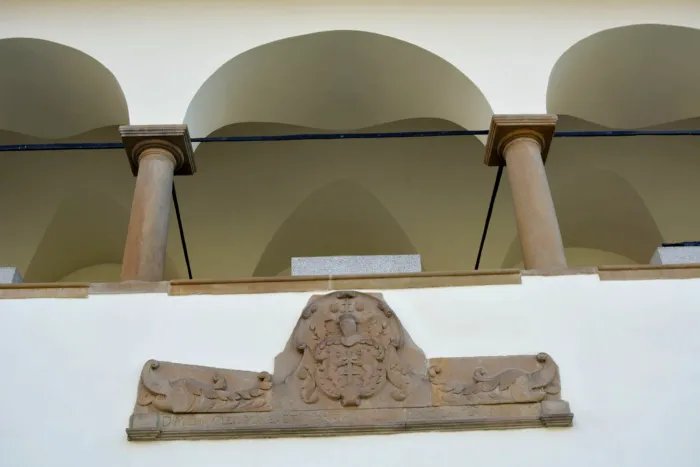
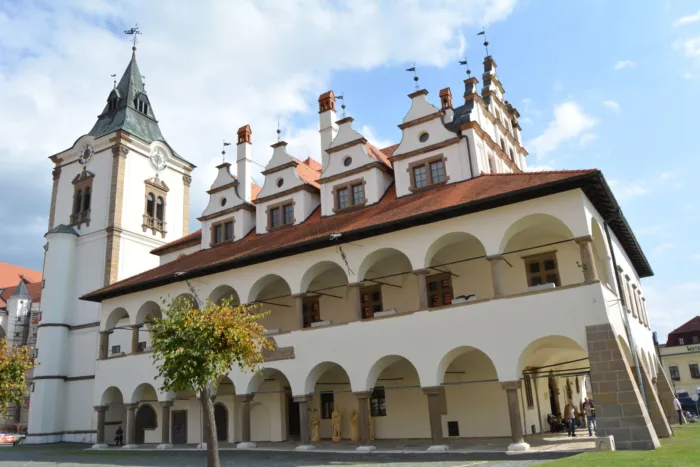
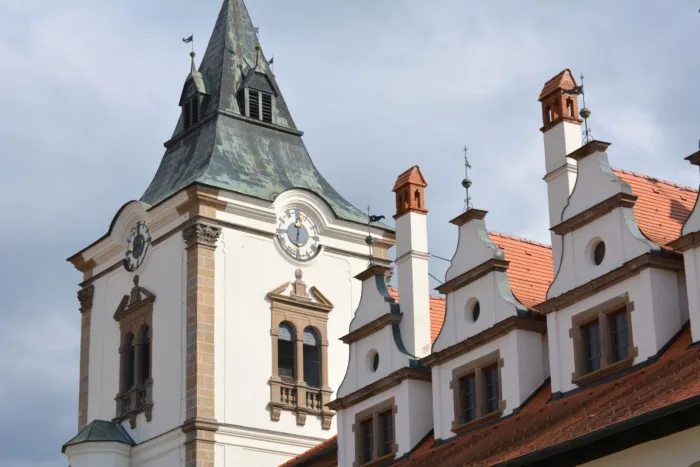
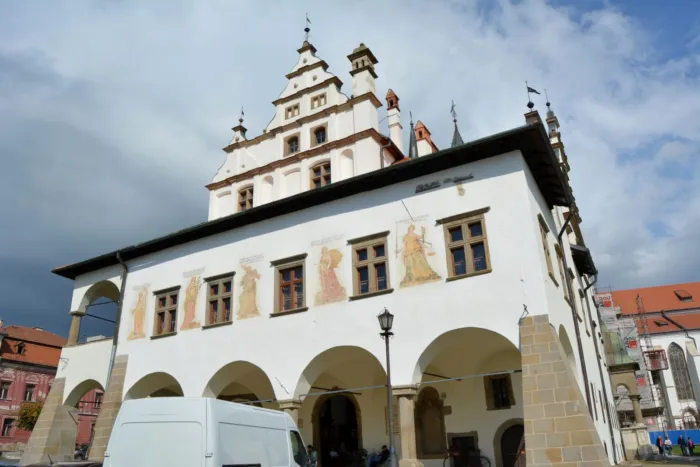
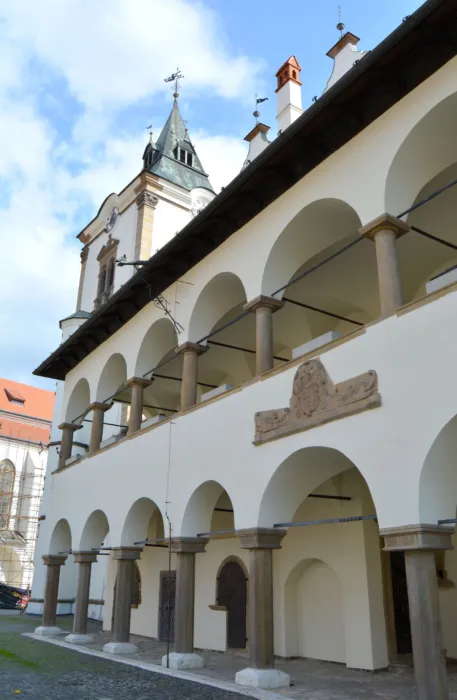
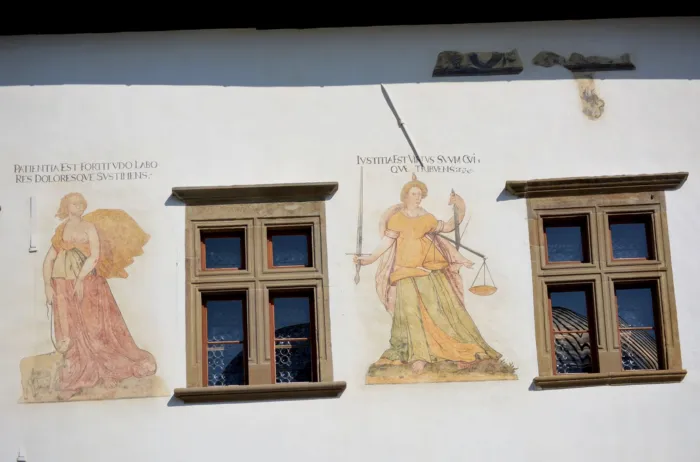
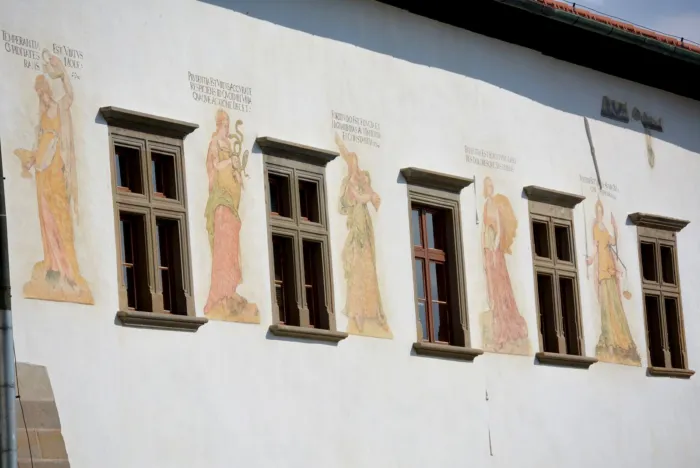
The core of the town hall, built in the centre of the main square of the carefully designed settlement, was originally built in the Gothic style in the 15th century. This building was severely damaged by the fire of 1550, which caused catastrophic destruction in the city, with only the area around the southern entrance remaining somewhat intact. The town's valuable medieval archives were also destroyed at that time. There were also devastating fires here in 1561 and 1599. The stone pillars and arcades that define the house's current appearance were then built on the south and west sides, and were completed in 1615. The female figures painted on the wall on the south facade, symbolising civic virtues, also date from this time. ; On the inscribed stone on the west side of the building, under the city coat of arms, it is read: D. MICHA: CLEM (Clementis) IUDICE: ET: D. PANCRA: MAILAND: AEDILE: EXISTEN: ANNO: 1615. ; The aforementioned fires destroyed the tower of the St. James Church and endangered the bells. A new bell tower, separate from the church, originally finished with a Renaissance parapet, was built for the bells. The bell tower is connected to the northern side of the town hall by a room above an arch. Its construction began on September 19, 1656. On November 1—4, 1661, the bells were removed from the church tower and moved here. The tower, built in the Italian Renaissance style, is one of the most beautiful buildings of its kind in our country. A detailed architectural description is given by Henszelmann in his »Antiquities of Levoča«, pp. 159-161, where, considering the beautiful proportions of the building, he declares it the most remarkable building of its kind in Upper Hungary. The first tower clock in Levoča was built in 1516 by Master Miklós for 40 francs. This clock, whose operator received an annual fee of 6 francs in 1516, was on the old tower of the church. From there it was moved to the bell tower and is said to have been the first tower clock in our country. The tower has retained its original architectural character to this day. We know of its major repair from 1822-24, when it cost 544 francs to have it repaired. Its lid received its current form during the latest restoration of the town hall (1894). ; Between 1893 and 1895, the town hall was significantly rebuilt, creating its present-day, romantic appearance, which bears little resemblance to the original. The corner columns were reinforced with pillars. At that time, the upper floor and the gable of the roof seat were built based on the plans of Frigyes Schulek, a Budapest architect and professor at the University of Technology, in the Neo-Renaissance style. Its current entrance is on the east side, on the new staircase built in 1894. ; One of the most well-known monuments of the Upper Hungary, this emblematic building has served as a great set for numerous films. For example, the film based on the historical novel by Kálmán Mikszáth: Black City, set in Levoča, was filmed here. ; Beautiful statues were found walled in the basement rooms, which may have been placed here at the time when the St. James Church on the main square was used by the Lutherans. Here, among other things, was the altar of the Nativity of the Lord, the work of the master Pál of Levoča, which can be seen again today in the Church of St. James. The famous depiction of the Virgin Mary, which, together with other Levoča details, was seen on the last 100-crown banknote, is from this altar. ; The building, which served as the town hall until 1955, now houses the Spiš Museum, which presents the history of the town and the town hall in a spectacular exhibition.