
Levoca House
Building, structure
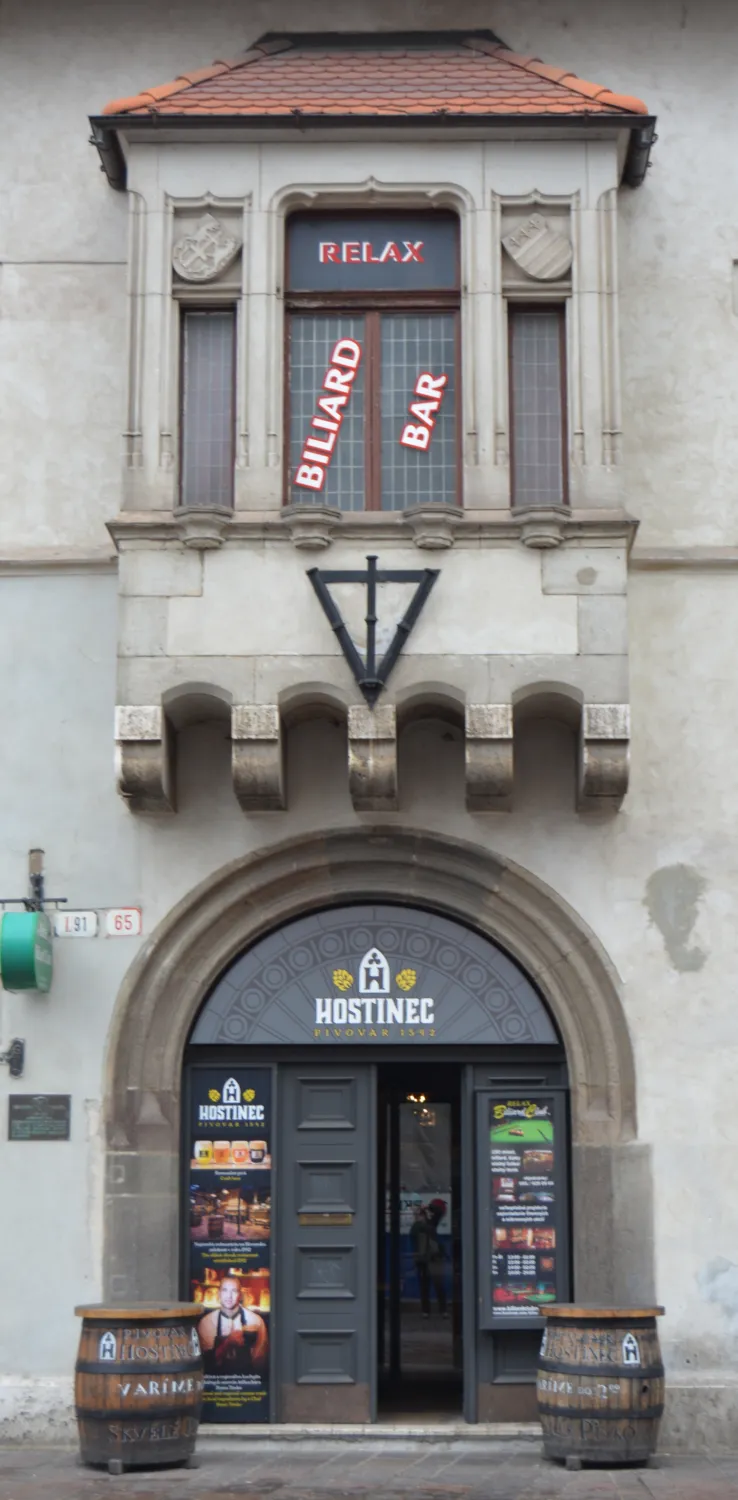
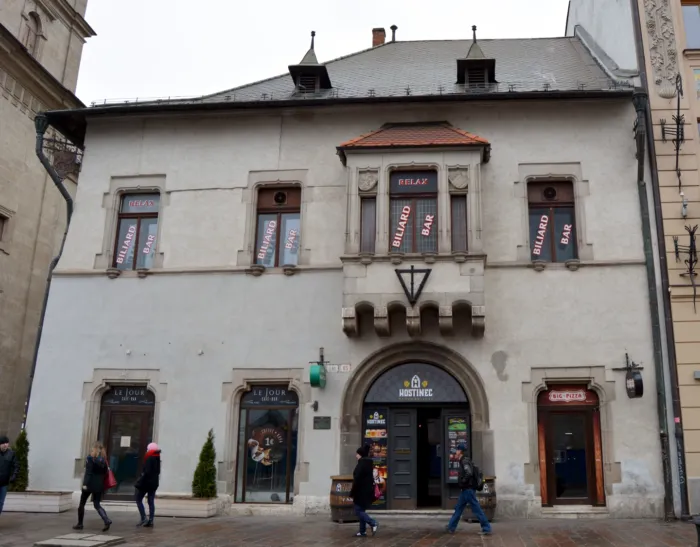
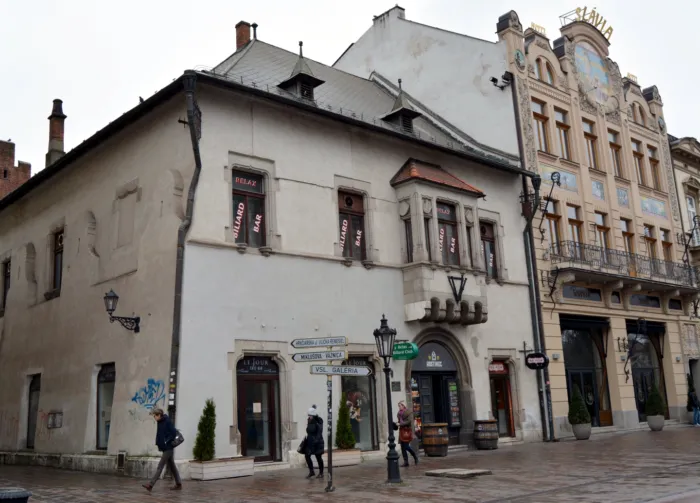
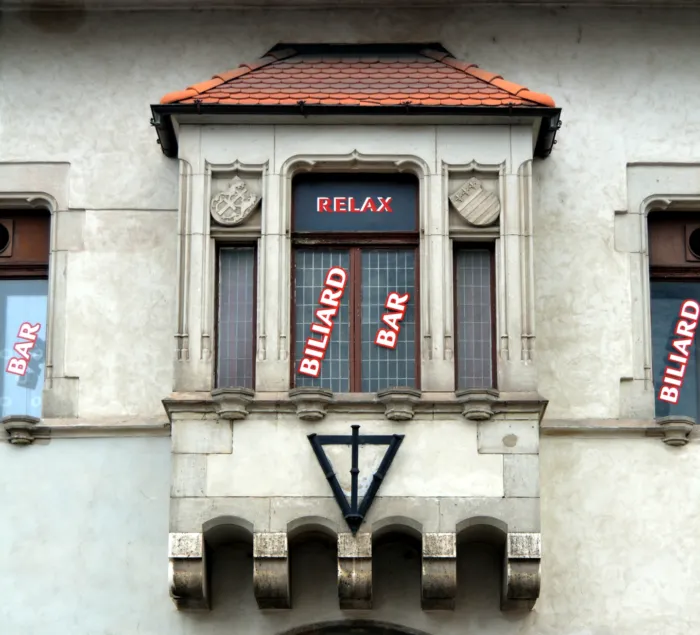
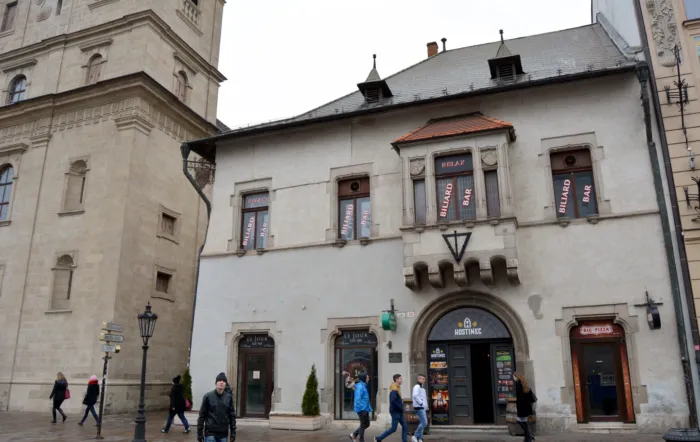
The Levoča House is a former residential building, currently a restaurant and café, located in the Košice District of Slovakia, at the junction of the University and Main Streets, at 65 Main Street. The building is now listed as a historical monument. The house was probably built in the 14th century. ; The Levoča House is considered the oldest surviving civil building in the city and the best preserved Gothic-style house in the region. In addition, the building is the longest-standing and still operating guesthouse in the Upper Carpathians. According to some sources, this house is the longest-operating guesthouse in Europe, but this assumption has not been proven. The building is protected as a national cultural heritage monument, registered under the identification number 802-1091/0. ; The first known architectural elements of the two-storey family house probably date from the end of the 14th century or the beginning of the 15th century, but there was certainly a residential house on the site of the current building before that. The ground floor vaulted and pointed-arched ribbed rooms of the house, originally built in the late Gothic style, as well as some door frames with pointed arches are considered to be the original style features of the building. The building actually gained wider recognition around the end of the 15th century, when it came into the ownership of György Szatmári (1457–1524), Archbishop of Esztergom, a native of the city. Later, the house was owned by Elek Thurzó (1490–1543), a magistrate, who donated the residential house to the city of Levoča in 1542. This is where its name comes from, as it served as a popular accommodation for Levoča merchants at that time. ; The family house could only remain in the ownership of the settlement for twenty-seven years, as in 1569 the city of Košice bought it back from the Lőcs for 4,000 gold. At that time, the building changed its function, as it was transformed into a prestigious guest house – a function it still partially fulfills today. At that time, the Lőcsei House was considered the most important hospitality venue in the city, as evidenced by the fact that many official and distinguished persons visited the house. According to a description from 1604, “the owner of the house has all kinds of rooms on the upper floor, with two arched stables below, and the rooms are kept much cleaner than in any other rental place in the city”. In 1617, part of the building was rented to a typographer and printer named Jána Festha, who operated his printing press there – this was the first such institution in Košice. In the following decades, the house hosted various institutions and associations. ; The building's fame grew further thanks to an event in 1626, when on March 2 of that year, a ceremonial banquet was held within the walls of the Levant House to celebrate the marriage of Gábor Bethlen (1580–1629), Prince of Transylvania, and his future spouse and successor, Catherine of Brandenburg (1604–1649). Several hundred guests were invited to the event, organized a day after the wedding, the most significant part of whom were members of the European royal houses of the time. The main dishes of the feast, which lasted about a week, included roasted quail, pheasant, deer and fish. The guests of the celebration ate with their hands, and potatoes were replaced with bread. ; During the history of the building, it underwent numerous transformations, reconstructions and expansions. The first reconstruction of the building took place in the 17th century, when it was transformed into a Renaissance style and expanded with an arcaded courtyard. Subsequently, during the 18th century, changes were made to it again, as it was rebuilt again, and as a result, Baroque elements were added. In 1782, the Levski House lost some of its popularity, as the Black Eagle Inn was handed over, as a result of which it became the most important catering establishment in Košice. ; In the last decades of the 19th century, the condition of the inn deteriorated significantly, as a result of which several different proposals were made for the renovation, transformation and change of function of the Levski House. In 1901, the city's chief engineer, Richard Rössler, advised that a casino be operated in the building instead of the inn, while based on the idea of Julius Répászky, another architect, in 1907, the house could have housed the Palace of Culture. In October 1907, the Ministry of the Interior issued an order to restore the building to its original Gothic form. Following the issuance of the decree, the regional heritage protection committee decided to entrust the city government with the restoration of the house. The works began in 1907–08, and the renovation lasted for more than two years, until 1910. The Levoca House was opened to the public on May 15. As a result of the restoration, the building lost significantly of its original appearance, despite the decree. ; The building has several functions today. Today, the Levoca House houses a store of the Orange telecommunications company, as well as the Levoca House restaurant and café. The house's ribbed vaulted gables, which have survived in their medieval form, can still be seen today. The original door and window frames of the inn have also been preserved on the Egyetem Street side.