
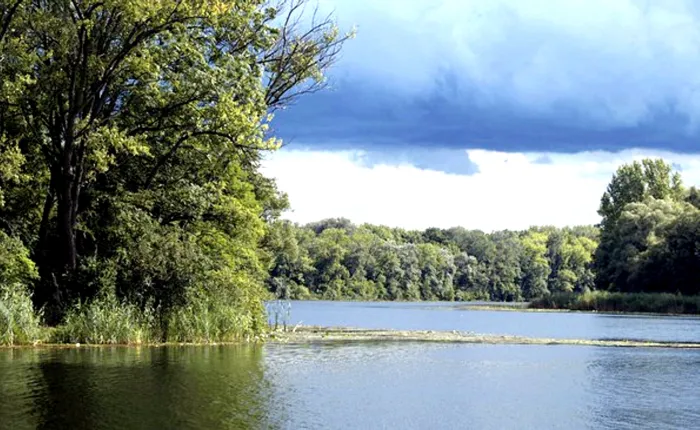
Lion Lake - Szakajtás - Csicso Danube Backwater
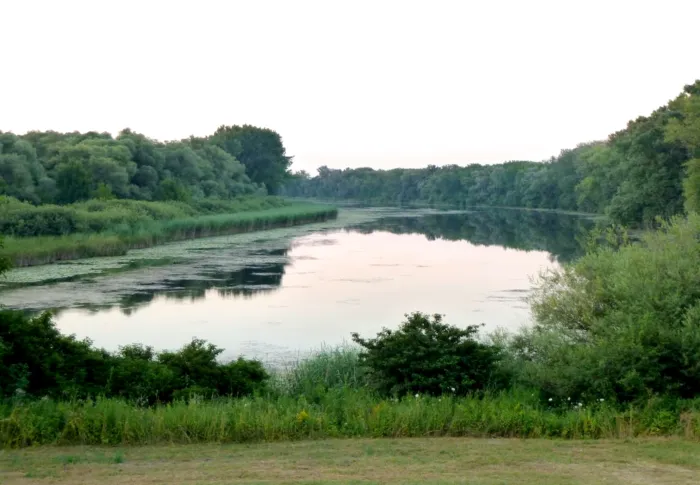
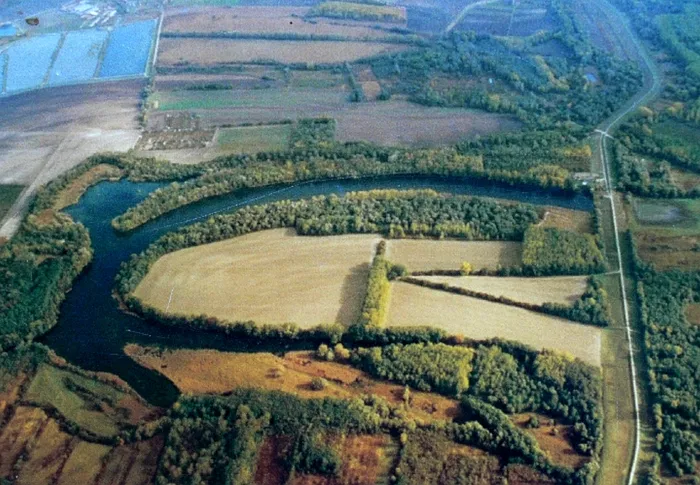
Csicsó, a small village along the Danube, is blessed with many natural beauties. To the west of the village is a nature reserve, the Csicsó backwater. Closer to the village is the Hami-nádas, which is also a protected area. The Csicsó backwater was declared protected on August 21, 1964. This is an attempt to protect the reserve, which is significant due to its biological and landscape characteristics, as well as those plant and animal species that are only characteristic of the Danube backwaters and floodplain forests. ; Hami-nádas is a swamp-like area west of the village. It provides a home for the rat-headed vole left over from the Ice Age and the equally valuable hanging tit. The area is crossed by the Hami Canal, which is covered in deciduous vegetation and on the banks of which poplars and willows can be found. ; The backwater is called Lion or Szakajtás by the locals. Lión and its surroundings are one of the most original nature reserves in the Csallóköz. ; The backwater was formed by nature when the main branch of the Danube broke through the dam in 1899. At that time, enormous damage was caused to the economy. In the end, a very valuable natural formation was formed. The main part of the reserve is an irregularly shaped lake, into which the Csiliz Canal flows from the northwest. Its main water level is determined by the Danube. Water from the Danube seeps underground and sometimes bursts into the backwater from deep springs. The water depth is usually 7.5 m. The reserve is part of the Pannonian Basin and is one of the driest and warmest points of our landscape. Its altitude above sea level is 112 m. The entire reserve covers an area of 135 ha, of which the water area is 76.5 ha, and the floodplain forest area is 58.5 ha. In the reserve we can find all the beauty of the Danube landscape. ; Life in the lake is very rich and colorful. The grouping of reeds, trees, and bushes surrounding the lake is very beautiful. There are many species of fish in the lake. Exactly 24, of which 21 are native and 3 are introduced. The original form of the Danube carp that occurs here, the marsh roach, the sunfish, and the dwarf catfish are worth mentioning. There are many waterfowl in the thickets of reeds. The egret, the wild duck, the grebe, and the moorhen live here. The multitude of white and yellow water lilies provide a very beautiful sight. The Danube carp lives among the water lilies and seaweed, and the American catfish also finds refuge here, of which a few individuals can also be found in the waters of the Tisza and the Elbe. Due to chemicalization, the most common fish of Csallóköz in the past, the swamp spider, is already in great danger here. The small fish that requires clean water, which is about 8-10 cm long, is almost extinct in Csallóköz. ; 350 valuable plant species live in and around the water. Only domestic species can be found in the forests around the lake. Willow, birch, ash, elm, mulberry, oak, acacia, alder, walnut, etc. can be found here. ; Hawthorn, elder, viburnum, redbud, dogwood and privet can be found in the shrub associations. Blackberry, hops, ivy, and sedge form the impenetrable web between the trees and bushes. In such places, these creepers make the reserve look like a jungle. The shore of the lake is lined with reeds, cattails and sedges. From a botanical point of view, 341 species of grasses and flowering plants live here. Some of these are protected and endangered species. The ruca joy, summer sedge, white water lily, yellow water lily, fairy veil are also among these plants. ; There are a lot of animals living in the forest. Of these, 255 are invertebrates, 185 are vertebrates. Research has revealed 9 earthworms, 36 mollusks, 6 ticks, 63 crabs, 3 lice, 122 flies, 8 fleas, 20 woodlice and 24 fish species. 107 bird species are recorded in the reserve, these are mainly water birds. The very cautious and shy black stork, which is also a protected animal, also nests in the Lion area. ; At the end of September, the beginning of October, nature changes its colors. Autumn wanders along the banks of the Szakajtás. They hurry over the lake. The rat-headed vole also retreats to its peaceful den dug into the shore. It is a yellowish-brown autumn, silence falls on the landscape. Wild geese fly in the sky. The brown reeds quietly rise towards the sky. The white winter arrives without a knock. ; In spring, the reviving nature offers a beautiful sight. It shines in new colors. The reed and sedge fields are filled with life again. The trees on the shore are covered in flowers, emitting a pleasant scent. ; After breeding in summer, waterfowl emerge with their chicks. They are taught to find food and to find hiding places from enemies. Their hiding places are the reed and sedge seas and sedge forests. The shore becomes a flowery field. ; In order to protect the reserve, any activity that would destroy the value of the area is prohibited. Construction, hunting, and water sports are prohibited. ; Csicsó, this village along the Danube, boasts immense natural beauty. The people of Csicsó have it in their minds that what they see every day is a natural value that strangers from far away admire for hours. They sit on the water's edge and listen to the silence. They enjoy the stillness of nature or the rustling of trees, the rippling of water, and listen to the sounds of nature. ; Five-level nature reserve. ; ; The history of the name Lion: ; ; Károly Kucsera was the dam guard from Csicsó - for whom the minister expressed his appreciation and awarded him a suitable monetary reward for his zealous and dutiful work in flood protection during the 1899 flood, when the Szakajtás occurred. The sister of this Károly Kucsera was Margit Kucsera. Margit's husband was Viktor Lion, of Italian origin, who taught Hungarian workers how to make salami at the Pick salami factory in Budapest (which had a contract with the Hertz factory) at the beginning of the 20th century. He also went to Prague, where he met Margit Kucsera from Csicsó, who was a maid at a salami factory in Prague. They soon got married. They did not know each other's languages well, so an interpreter helped with the marriage. When the Italian trainee workers were no longer needed, they moved to Csicsó. They were engaged in grape growing next to Szakajtás, and lived well here in a house with a porch and slate roof that still stands today. They had no children. Viktor Lion died at the age of 82 in 1945. They are buried in Csicsó on the left side of the Catholic cemetery (looking inward), in the middle. That is why, more recently, since the 1980s, the backwater in Csicsó, Szakajtás, has also been called Lion Lake.