
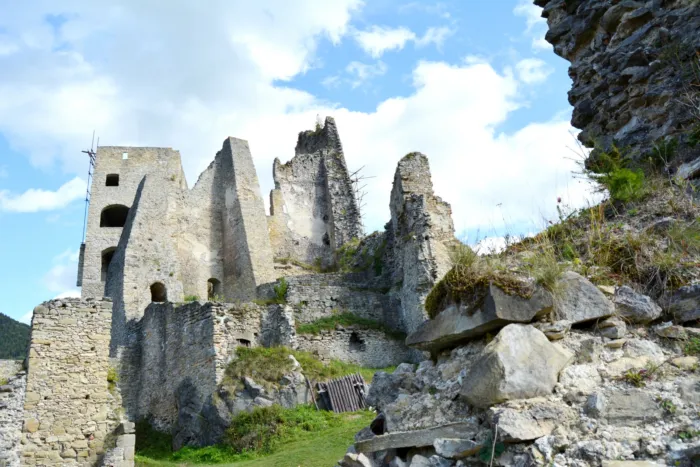
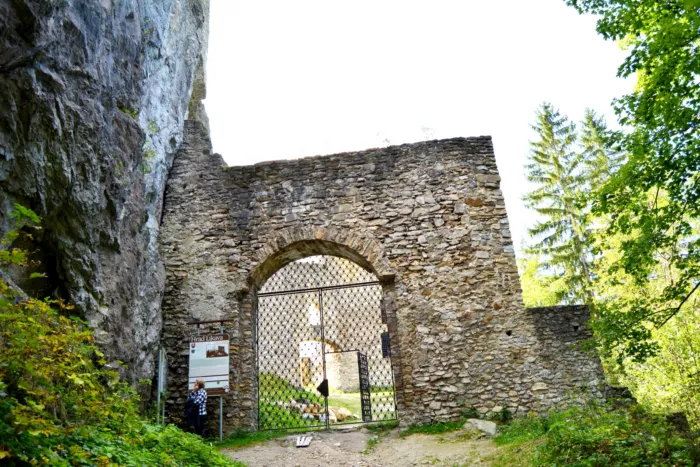
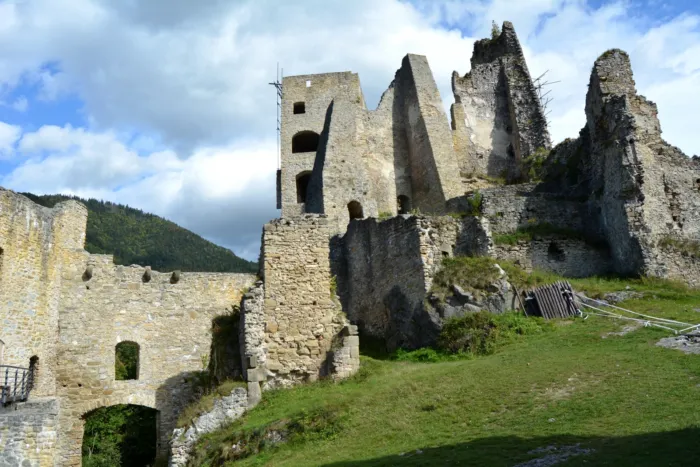
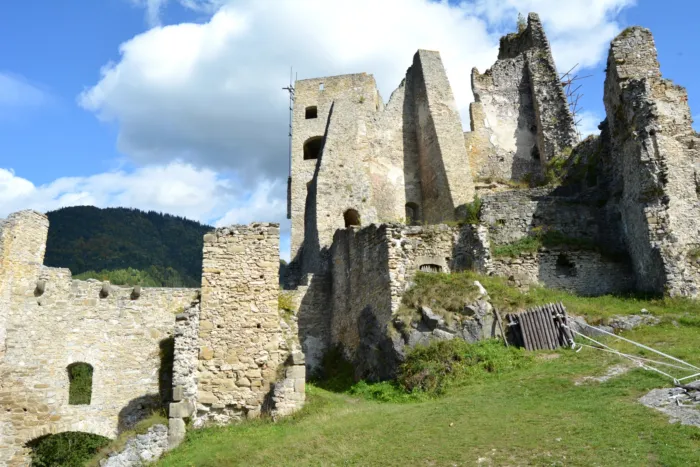
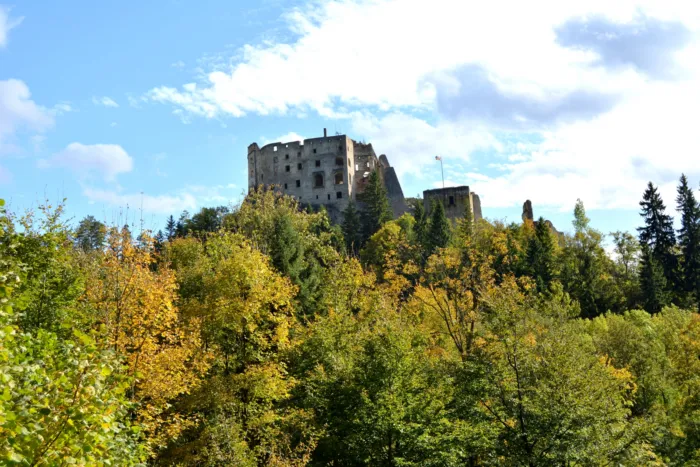
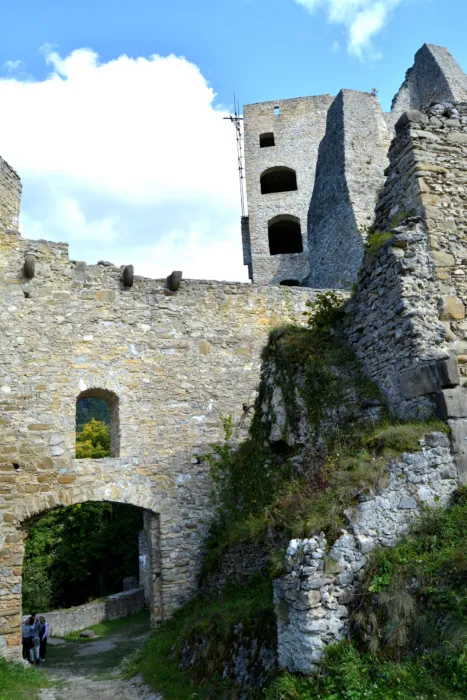
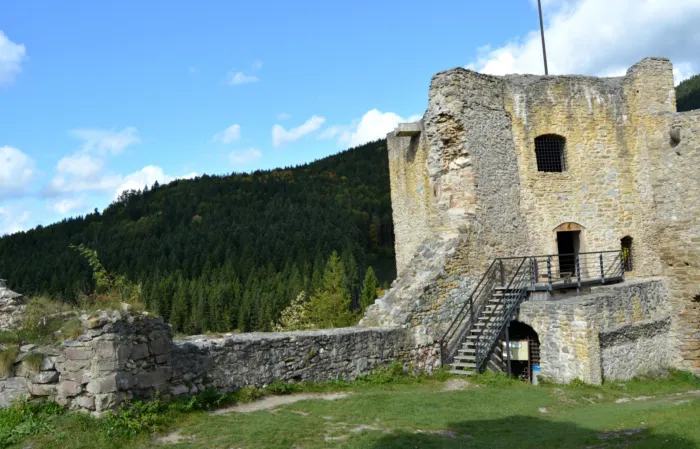
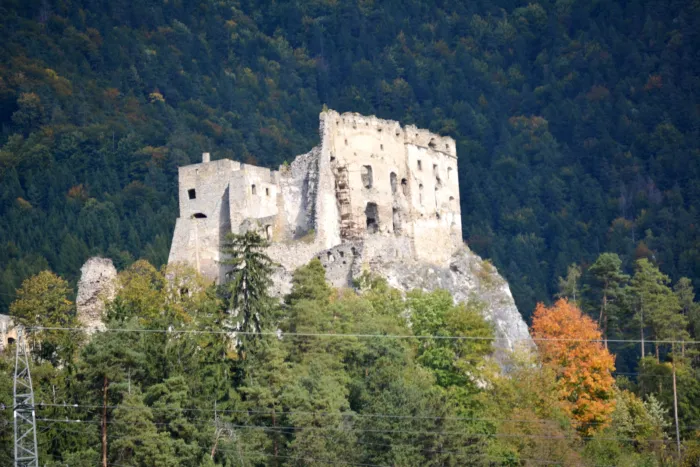
Likava Castle
Building, structure
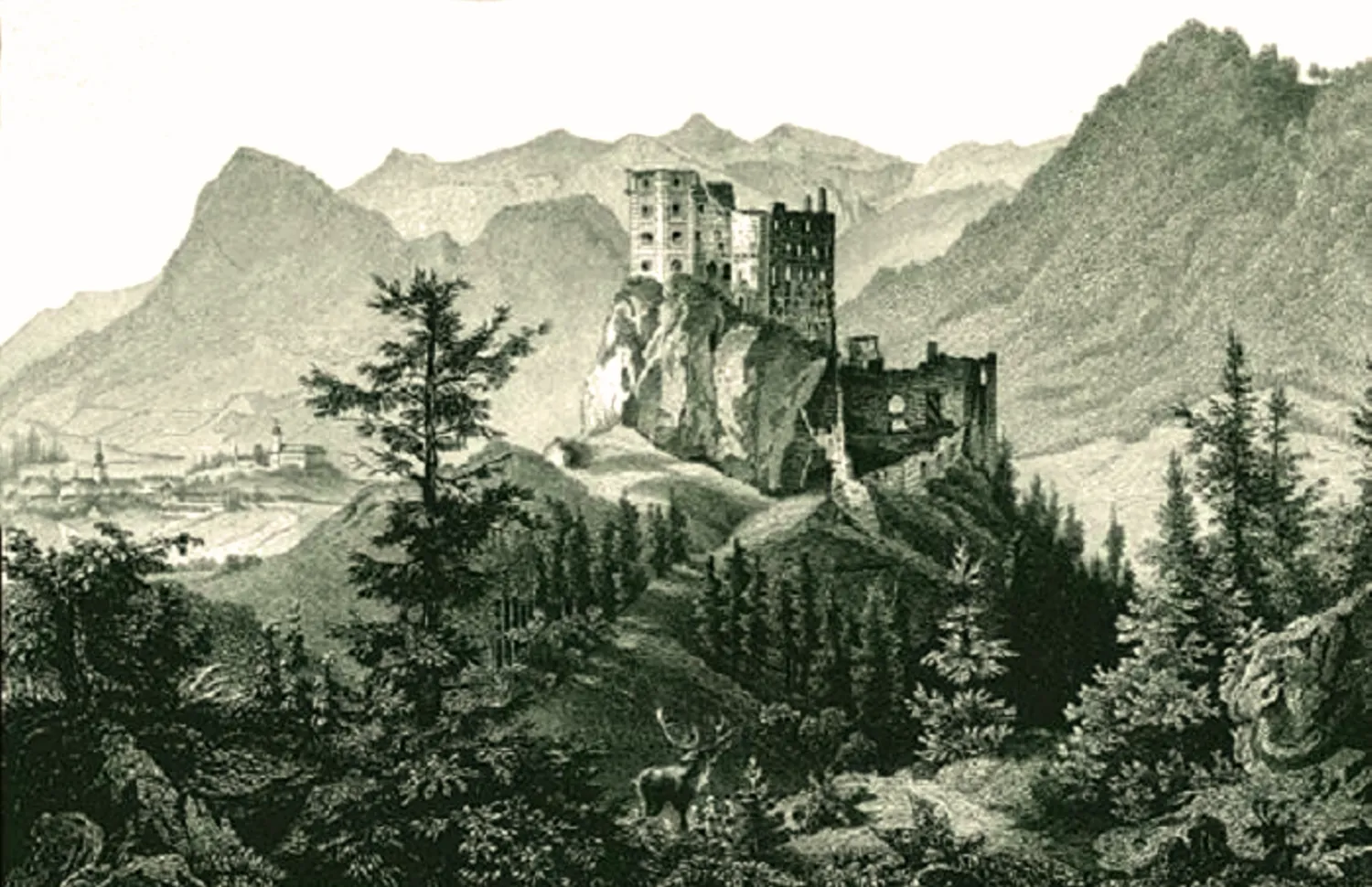
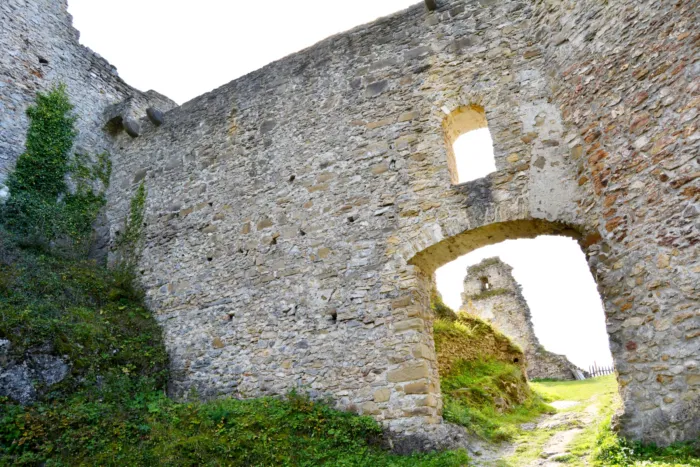
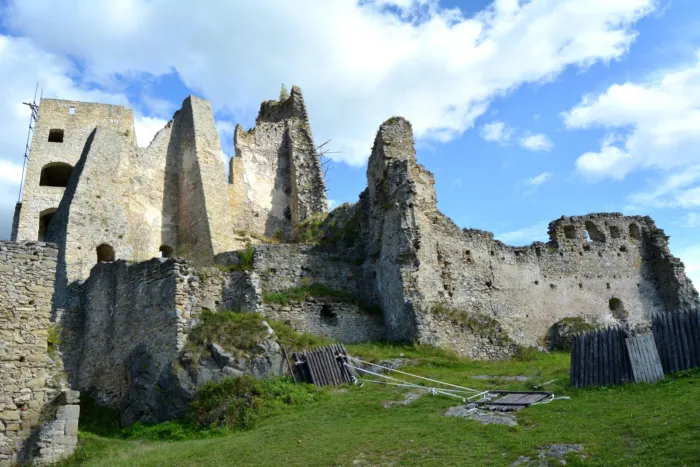
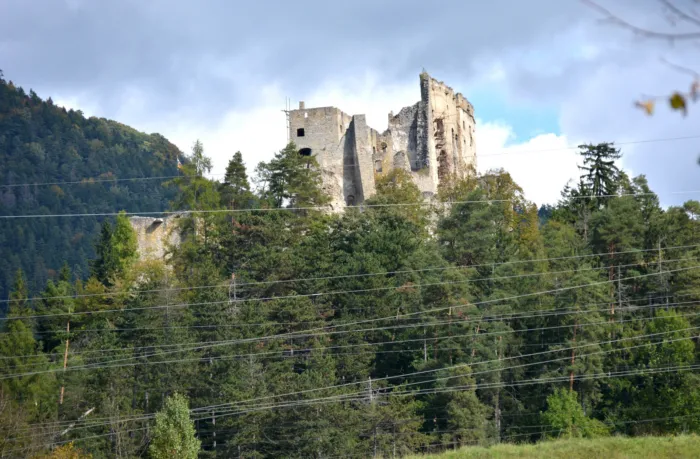
In his book Knights' Castles of Hungary, Kálmán Mikszáth summarizes the history of the castle as follows: "Blood does not turn to water. Our King Charles I showed throughout his life that he was Italian. Wherever he could, he honored them. But they flocked in like flies to sweet milk. ; Thus came an adventurous count named Douch, whom the king gifted with a very large estate in Liptov County. The Hungarian lords did not really bother to go there anyway. ; This Douch built the Likava Castle (around 1335). The Italian lord had good taste, and he magnificently chose the romantic high rock block on which the Likava Castle was built, and behind which the gloomy peak of Chots Mountain still stands tall. ; Douch could not get much use from his castle, because he died soon after without an heir, but Liptov County benefited all the more, because this was the place where all the castles of the Likava Castle were built. the strongest among them. ; There was also Hradek, but its walls were very weak, while the castle of Rózsahegy was only for graceful young ladies to walk in its garden and, leaning out of the window in the evening, listen to the melancholy lute... ; Likava, however, was a good refuge against the attacks of the Turks, Tatars and robbers. People fled here from the small town of Rózsahegy, a quarter of an hour away, in times of great danger. ; After the death of Douch, the castle and the large estate belonging to it became the property of the crown. Later, the widow of King Albert called in the Czechs to protect her minor son, László, and with womanly wisdom she immediately gave them some castles in Upper Hungary, including the strong Likava. ; The famous Giskra, the leader of the Czechs, now settled in Likava, and from there he launched robber raids far and wide. to the regions. The stolen treasures were piled up in the cellars of the Likava castle. ; But the frost also caught up with Lord Giskra. King Matthias drove him out of Likava and from all the other townspeople, and had his own coat of arms (the raven holding the ring) carved on the facade of the western gate. ; The king often visited Likava. There was a lot of game in the surrounding forests and pine forests, and the famous king liked to put on hunting clothes in times of peace. ; After Matthias's death, the castle and manor passed to his natural son, John Corvin, who died without a heir, but then it changed hands again. ; Ferdinand I, as a counter-king, gave it to Lajos Pekry, who now had his own coats of arms and that of his wife, a Russian princess, placed on the inner castle gate in 1534. Then it became the property of John Krusith, who at an early age died, leaving behind a pretty widow. ; The castle was owned by the widow Katalin Pálffy, who gave it to István Illésházy. ; However, no heir was born from this marriage, so István Illésházy adopted one of his relatives, Gáspárt Illésházy, as his son, and so Likava became Gáspár's, who again engraved his coat of arms above the gates. ; Gáspár had two sons left: György and Gábor. Gábor became the farmer of Likavá, but soon got into debt and mortgaged his estate to István Thököly, who was considered the richest lord in the Highlands at that time. ; Now a bright world dawned on Likavá. Thököly spared no expense and adorned the castle with true princely pomp. He built gardens there at great expense. A rich spring was added to the outer castle with the help of three-elbow-wide and vaulted bastions extending to that point, because it annoyed him that they were suffering from a lack of water up there in the castle. ; There are whole stories about the construction of this bastion in the area. ; Thököly - they say - collected eggs from the entire county, and used egg whites instead of sand in the construction, and would have used wine instead of water to make cement. ; But I consider my lord István Thököly a smarter man than that. I won't mention the eggs yet, but there are enough sources in history that our ancestors also valued wine. ; However, this much seems certain, because several writers mention that this bastion leading to the spring cost sixty thousand Rhenish forints, which was a huge amount at the time, and from this it is easy to explain the proverb that it is a sin to pour water into wine in Likav. ; Then there was another lord of the castle, the famous Imre Thököly, but the royal tax collector took it from him, and today the Likava manor still belongs to the treasury. ; What about the castle? ; It was demolished by Ferenc Rákóczi II, who did not like castles on his victorious path, not only in front of him, but even after surrendering – behind him. ; "I would rather have a hemp-soaking plant in every place like this" – the prince used to say, valuing the battle on the plains more than the "unproductive work", the sieges."