
Koháry-Coburg Castle in Szentantal
Building, structure
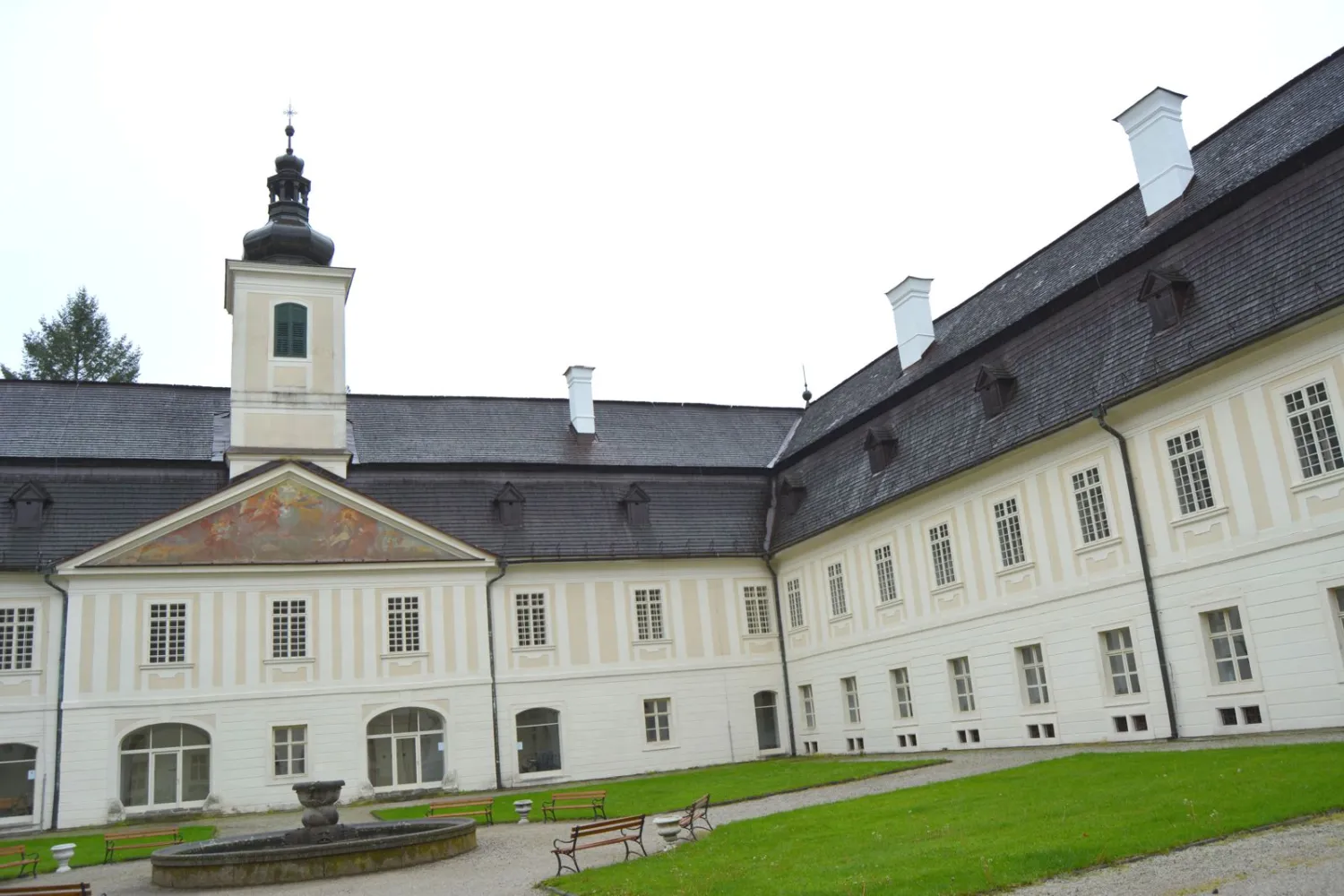
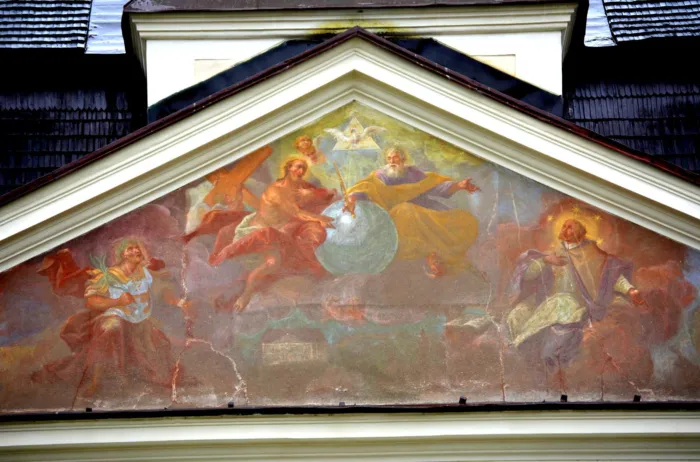
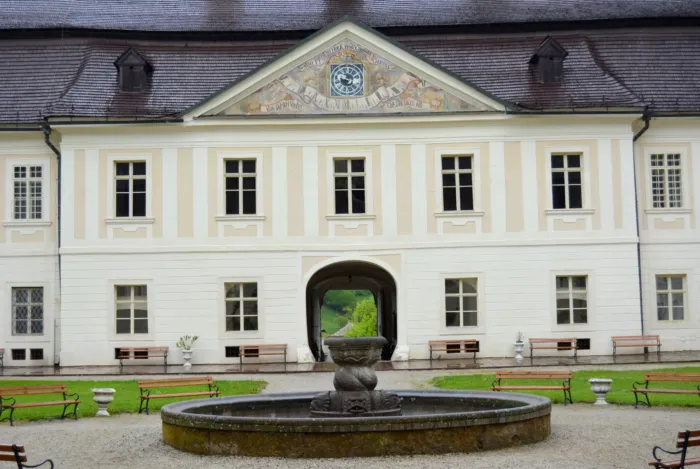
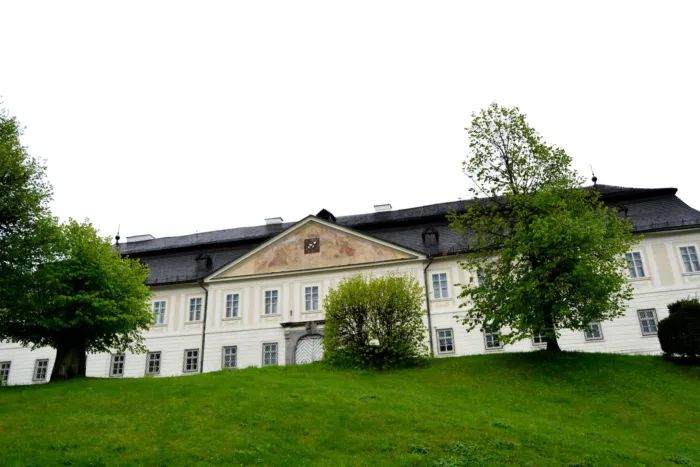
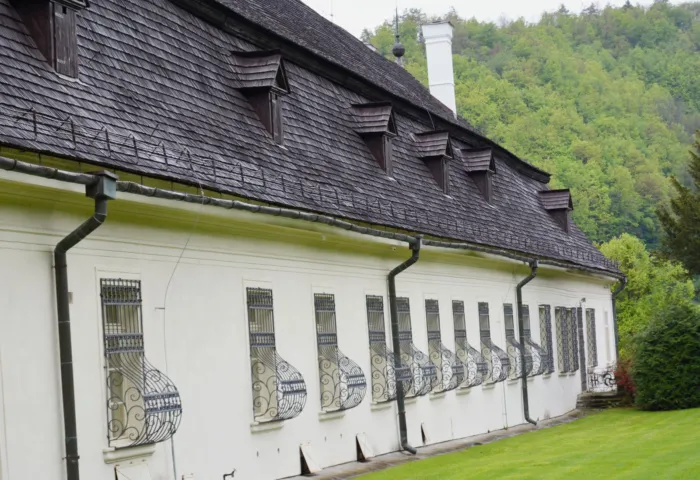
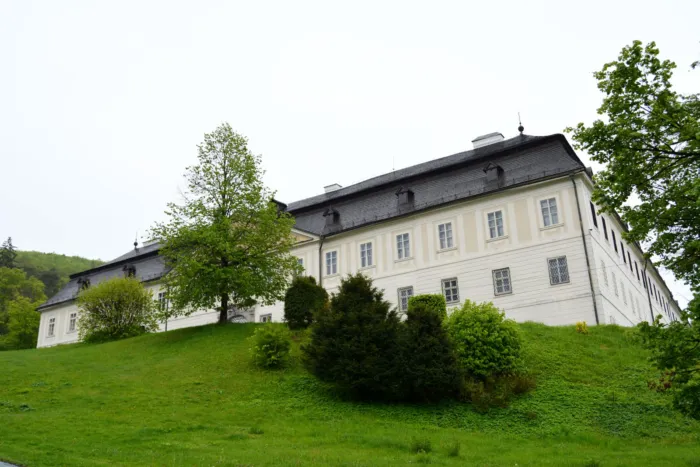
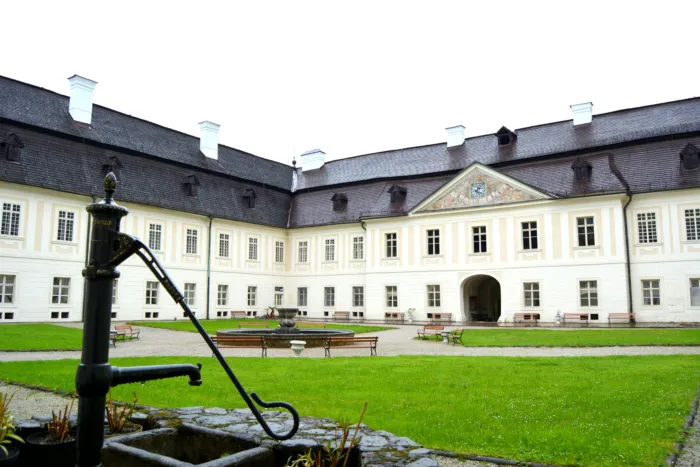
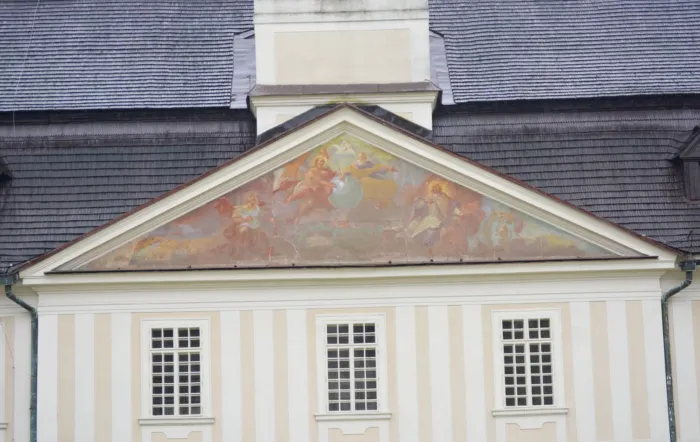
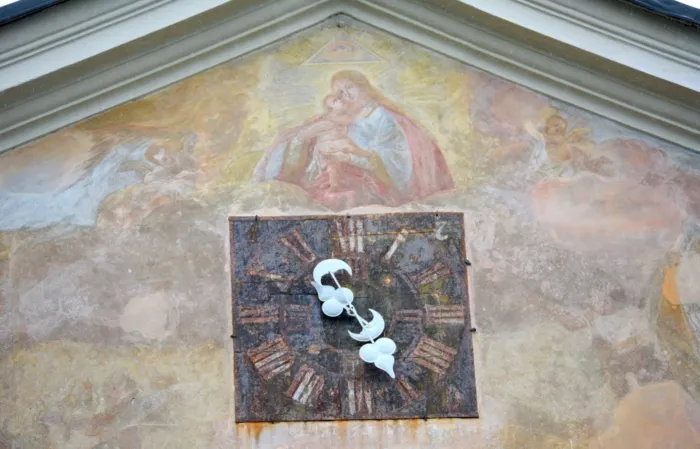
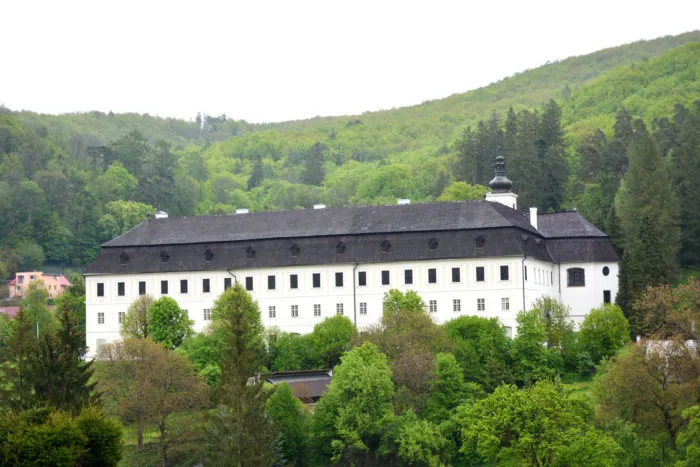
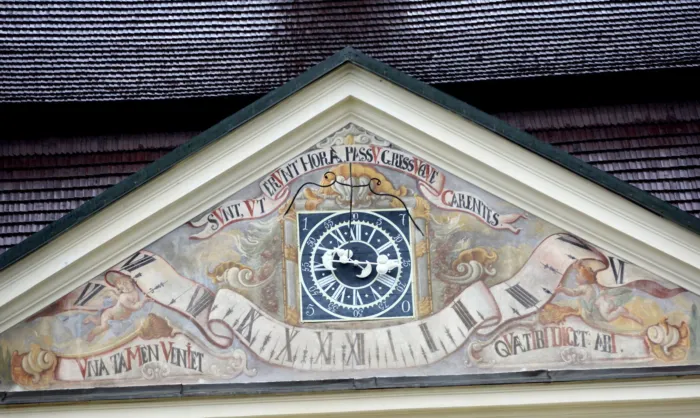
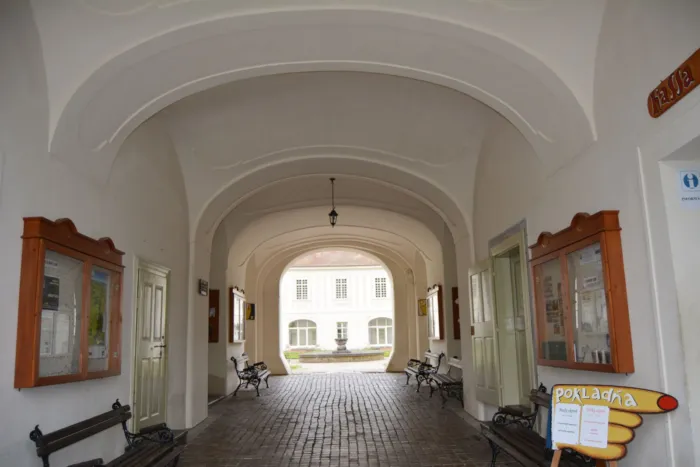
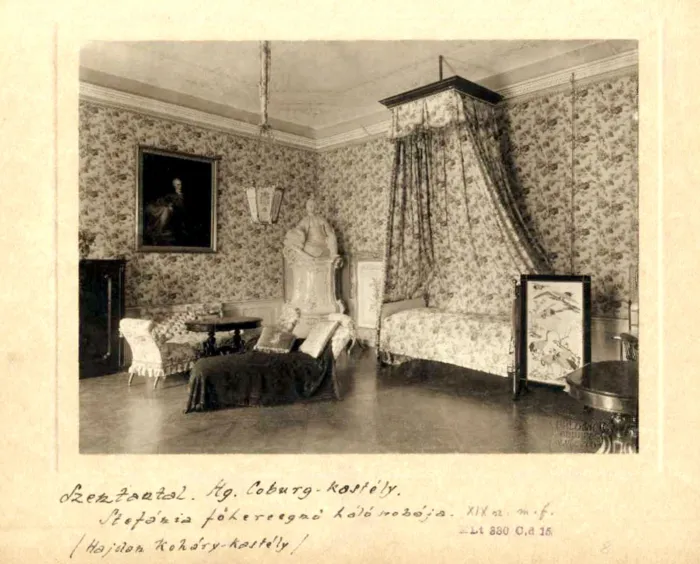
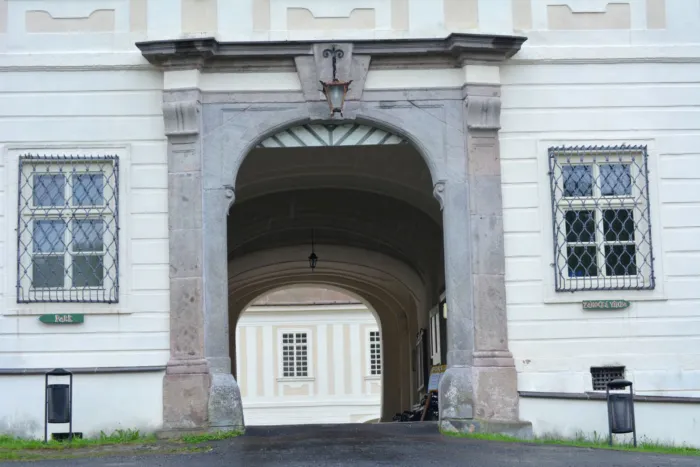
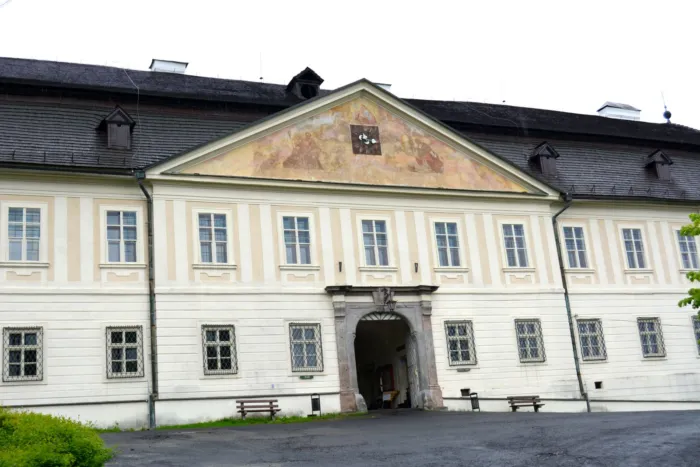
A Baroque castle building with a regular square floor plan, a large inner courtyard (with a decorative fountain in the middle), two-story (due to the terrain conditions, the western wing has two floors). In front of the castle stood a smaller fortified castle, which was already mentioned in the 15th century. In the second half of the 16th century, the Italian architect Giulio Ferrari rebuilt it into a fortress. It protected Selmecbánya from the Turks attacking from the south. A bastion has survived from the fortress. ; József András Koháry commissioned János Entzenhofer from Vienna to rebuild the older castle between 1744 and 1750. The sloping terrain was extremely risky, and the construction of the huge four-winged building required the skill of the architect. Even today's structural engineers shake their heads at the difficulties that the old master masons solved with only stone, sand, brick, wood and lime. Originally built in the symbolism of the calendar numbers with four gates (seasons), 52 rooms (weeks), 12 chimneys (months), 365 windows (days). ; The facade paintings of the castle were painted by Schmidt Anton, who worked in the castle from 1749. ; There are three facade paintings, one above the main entrance and one each on the courtyard fronts. ; Above the clock face above the main entrance, Mary is seen with Jesus in her arms among angels. Based on the clock face and chronostichon on the tympanum of the facade of the north wing facing the courtyard, the second Baroque construction phase ended with the date 1750, with the installation of the clock. The Latin inscription, a poem by István Koháry II, warns of transience: “svnt vt ervnt horae passv, gressvqve carentes. vna tamen veniet qvae tibi dicet: abi.” (The clocks come and go even without legs, but the final one will come, telling you that you have to leave!) ; The other courtyard facade shows the Holy Trinity. ; After the extinction of the Koháry family, the Coburg princely family acquired the castle through marriage in 1826. Ferdinand of Coburg became the ruler of Bulgaria in 1887. After the First World War, he had to leave Bulgaria and lived here in Szentantal. The Coburg family was only forced to leave their estate in 1944. Perhaps thanks to this, the original wallpapers, paintings by famous painters and the historically unique furniture collection from all over the world have survived. The corridors are lined with thousands of old graphics and trophies, and the entire lower floor is home to a hunting exhibition. The castle, which was opened to the public in 1962, is rich in 18th-19th century art, in addition to the hunting, fishing and woodworking exhibition. It also has a collection of 19th-century fine arts, furniture and porcelain. Its ornamental fountain and entrance have been preserved in their original form. It is surrounded by a large, beautiful English park, which is the scene of the national hunting days, the St. Hubertus Days, every year.