
Memorial plaque of Kálmán Kittenberger
Statue, monument, memorial plaque
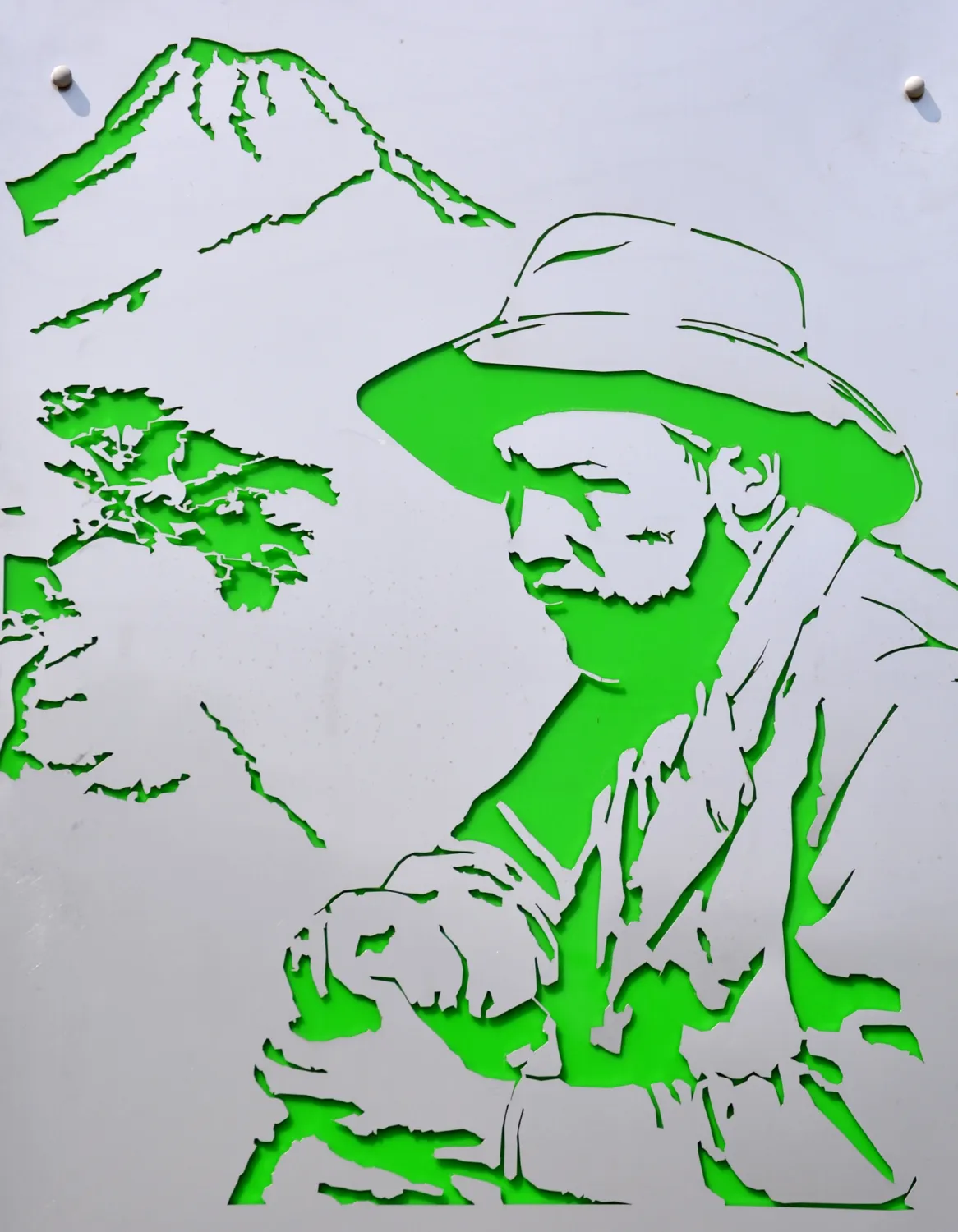
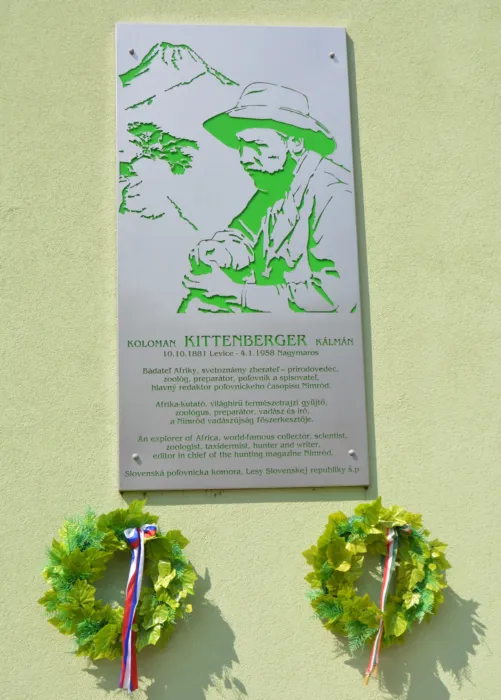
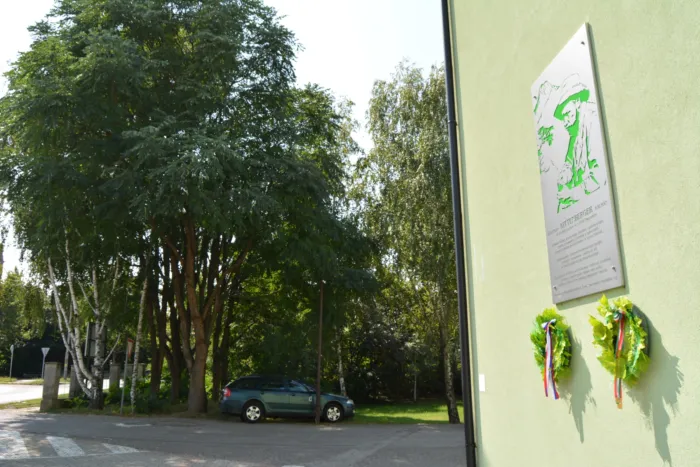
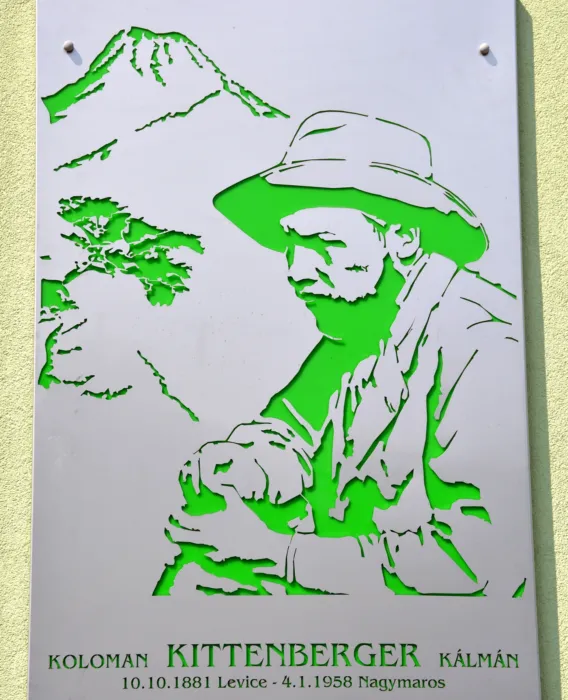
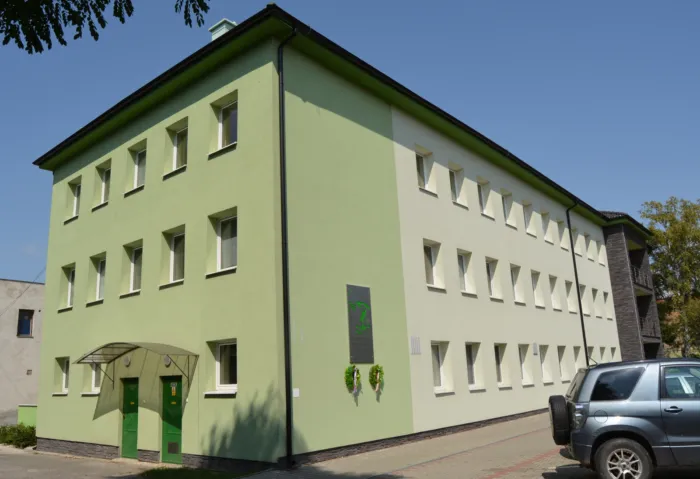
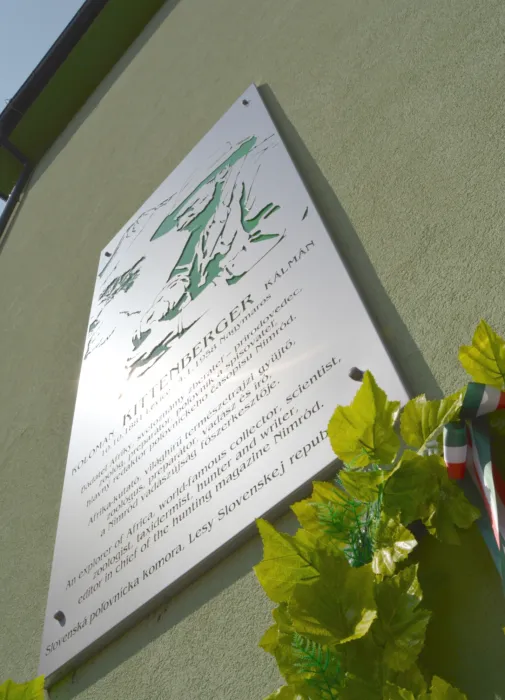
The memorial plaque of Kálmán Kittenberger was erected in 2010 by the Slovak Chamber of Hunters and the Slovak Forestry Company and placed on the wall of the company's headquarters in Léva on Koháry Street. The ceremonial inauguration took place as part of the 15th Léva Hunters' Days event series. ; The Reviczky Association from Léva also participated in the organization. The 46th Kittenberger Kálmán Scout Group stood guard of honor at the ceremony. ; On a 1800x900 centimeter stainless steel plaque by the artist András Csillag from Vágselly, a contemporary photograph shows Kittenberger under Mount Kilimanjaro, hunting, with a characteristic tree shape typical of the landscape in the background. The memorial plaque contains the hunter's name in both Slovak and Hungarian, and the text is available in three languages: Slovak, Hungarian and English. The work was unveiled by the Minister of Agriculture Vladimír Chovan. This joyful event took place 52 years after Kittenberger's death. ; Kálmán Kittenberger was a teacher, an external collaborator of the National Museum, and the editor-in-chief of the Nimród hunting newspaper. He was the best-known Hungarian African traveler and hunting writer, along with Zsigmond Széchényi. ; He was born on October 10, 1881, in the town of Léva, into a family of industrialists raising eight children. He completed teacher training here, then continued his studies at the Budapest Civil School Teacher Training College. Already at that time, he consciously prepared himself for collecting and preparing specimens. He regularly visited the taxidermy workshop of the Zoology Department of the National Museum (later the Zoology Department of the Natural History Museum). ; Without even finishing his college studies, he took up a teaching position in the village of Tatrang in Transylvania. A few months later, he received an offer for an African hunting trip, which he accepted with the following words: "Immediately, under any conditions." He first set foot on African soil in 1902. In 1903, he shot his first elephant that attacked him. In 1904, he had a lion adventure, and he only had to thank the Bakambá natives for his survival. He lost a finger in the fight, which he sent to the National Museum as a specimen. In 1912, he transported live animals to Budapest for the Zoo and Botanical Garden. During his life, he visited the equatorial region of the eastern part of the continent, the richest in zoological terms, six times and spent about ten and a half years there. Until 1914, he sent professionally prepared animals to the National Museum every year. He reported on his zoological observations and experiences in his books. His best-known book: From Kilimanjaro to Nagymaros. In 1914, while collecting in Uganda, the events of World War I also reached him. As a citizen of the enemy powers, he was arrested, his material was confiscated, and he was sent to an Indian prisoner of war camp, from which he was only released 5 years later. He returned home on the last day of 1919, completely robbed. He served in the National Army for a year at home. In the spring of 1920, he moved to Nagymaros. The family of Ödön Kovács, an African researcher who died in 1916 along the Blue Nile, provided him with a home. Kittenberger fell in love not only with the Nagymaros landscape, but also with Ödön Kovács's sister. He married her and settled permanently in Nagymaros. In the autumn of 1920, he took over the editing of the hunting newspaper Nimród, of which he became the publisher in 1929. ; Kittenberger was given the name Katona by Dr. Géza Horváth, the keeper of the museum's zoological collection. He did all this without the collector's knowledge or consent, simply because at that time it was particularly fashionable to Hungarianize names and Kittenberger's brothers had already taken the name Katona. After that, in his absence, he was listed as Kálmán Katona in all written documents. Kittenberger protested verbally several times against the arbitrary procedure, saying that he carried his Hungarianness not in his name, but in his heart. His protest was unsuccessful. ; After World War II, he wrote articles on African subjects as editor-in-chief of the newspaper Nimród. In 1948, he published an article in Hírlap about Ödön Kovács's scientific research in Africa. He survived the 1956 fire at the National Museum, in which almost all of the animal specimens he had collected were burned. After the fire, his health gradually deteriorated. However, he still had the strength to participate in the organization of later expeditions in the sixties and seventies. ; He died in 1958 at his home in Nagymaros. He is buried in the Farkasréti cemetery in Budapest. ; In his hometown of Léva, the local scout troop has been named after him since 1995, and a street since 2001.