
St. Maurice Roman Catholic Church in Kistata
Building, structure
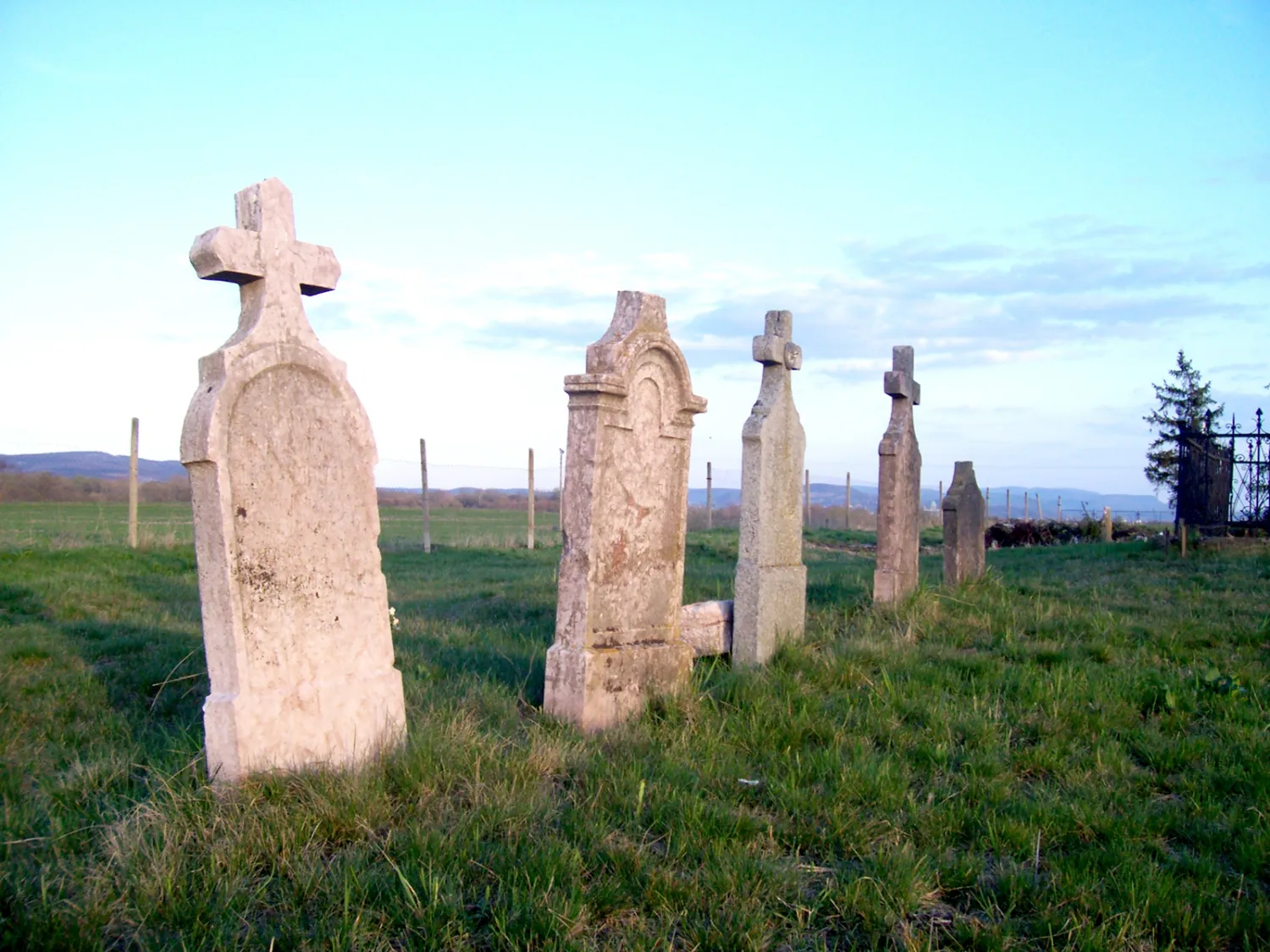
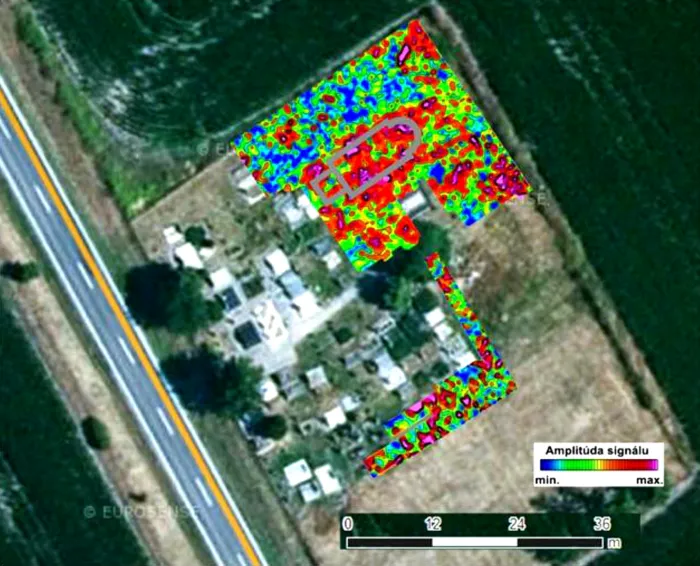
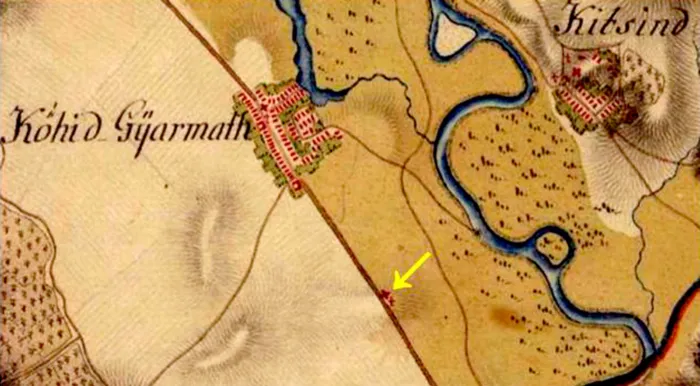
The first written mention of Tata (in the form of Tadej) dates back to 1228. Today it is mentioned as Kistata puszta, located on the border of Kőhidgyarmat, southwest of the village. ; The data from 1230 regarding the settlement and its already existing church are noteworthy, according to which...Florentinus, provost of Szeben...received two households and two streets in front of the church of Saint Maurice for the construction of a mill and two households along the marsh. The papal tithe register of 1332/37 also indicates the antiquity of the parish, according to which Kistata already had an independent parish at that time. ; The name Tata itself refers to a noble past. The 13th-century addition to the chronicle about King Stephen mentions Count Deodatus of Sanseverini, whom the young Stephen called "Tatá": "...there lived in the court a person of high rank named Tata, who founded a monastery." This is interesting because local legend also holds that a Benedictine monastery once stood on this site. “It happened that Tata, who received an estate here from King Stephen, had a monastery built next to the Garam.” This has a real basis, because György Györffy himself does not rule out the fact of the monastery being founded. This monastery was inhabited by Benedictine monks who exercised the right to collect duties on salt imported from Poland in this place. The patron saint of the medieval church of Kistata, Saint Maurice, points to court connections and foundation during the period of state organization, and its owner can be considered the lord of Tata, who according to the chronicles was the tutor of Saint Stephen. ; The church visitation record from 1732, after the Turkish times, already shows Kis-Tata as a daughter church of Kőhidgyarmat. He describes that the parish priest of Kőhidgyarmat has a whole serf estate on the border of Kis-Tata, which he cultivates himself. And about the Kis-Tata Káptalani puszta he writes that “...it was once a village. Its church still stands, and in more recent times a hermit occupied it and had it renovated. Moreover, the church – apart from a stone table – has no furnishings whatsoever.” The church on the Kis-Tata puszta was already dedicated to the Blessed Virgin Mary of Sarlós at that time. ; The church visitation record of 1755 also mentions it. After twenty-three years we can read that “The hermit living here is therefore not an ordained priest” which means that (probably) he used to celebrate mass as a lay person. Compared to previous data, we can read with surprise that “the church is already somewhat equipped, its sanctuary and sacristy are vaulted, the ceiling of the nave is planked. Its tower, choir (without an organ) and pulpit are made of wood and there are also some benches. The church vestments are occasionally brought from Kőhidgyarmat.” The second half of the 17th century proved fatal for Kis-Tata as a village. After the Turkish times, it was no longer able to renew itself, only the tower of its church stood tall as a memento. However, its cemetery, which still exists today, still carries the message of old times. The 1890 census still lists it, but only to the extent of a narrow sentence, according to which “Kis-Tata, a wasteland, without a church.” ; However, something still reminds us of the nature of the ancient church. The believers built a Marian house, or more precisely a pillar with a niche, from the ruins of the ancient church (probably after its closure in the 18th century) - and exactly on the very spot where the church once stood. Even in the first half of the 20th century, people still came here to pray and sing on the night of Good Friday. They believed that whoever goes around this Marian house seven times on their knees will be healed. According to some data, the Saint Vendel Chapel in Nana was built in 1775 from the ruins of the Kis-Tata church. ; Based on the documents presented above and the military survey conducted between 1763 and 1787, the area was subjected to a ground-penetrating radar survey in 2017. The survey clearly showed the location and shape of the former Árpád-era church. It is highly probable that it is a single-nave, east-facing church with a tower, with the approximate dimensions being as follows: the total length of the church, including the tower and apse, is 17.5 m, the rectangular nave is 10.5 m long and 6.5 m wide. The semicircular apse is 3.5 m long and about 5 m wide. The measurement results do not exclude that the debris found to the southeast of the sacred building originates from the remains of the Benedictine monastery. Since the site itself allows this, it is planned that a partial archaeological excavation will take place here in the near future.