
The medieval church of Kismácséd
Building, structure
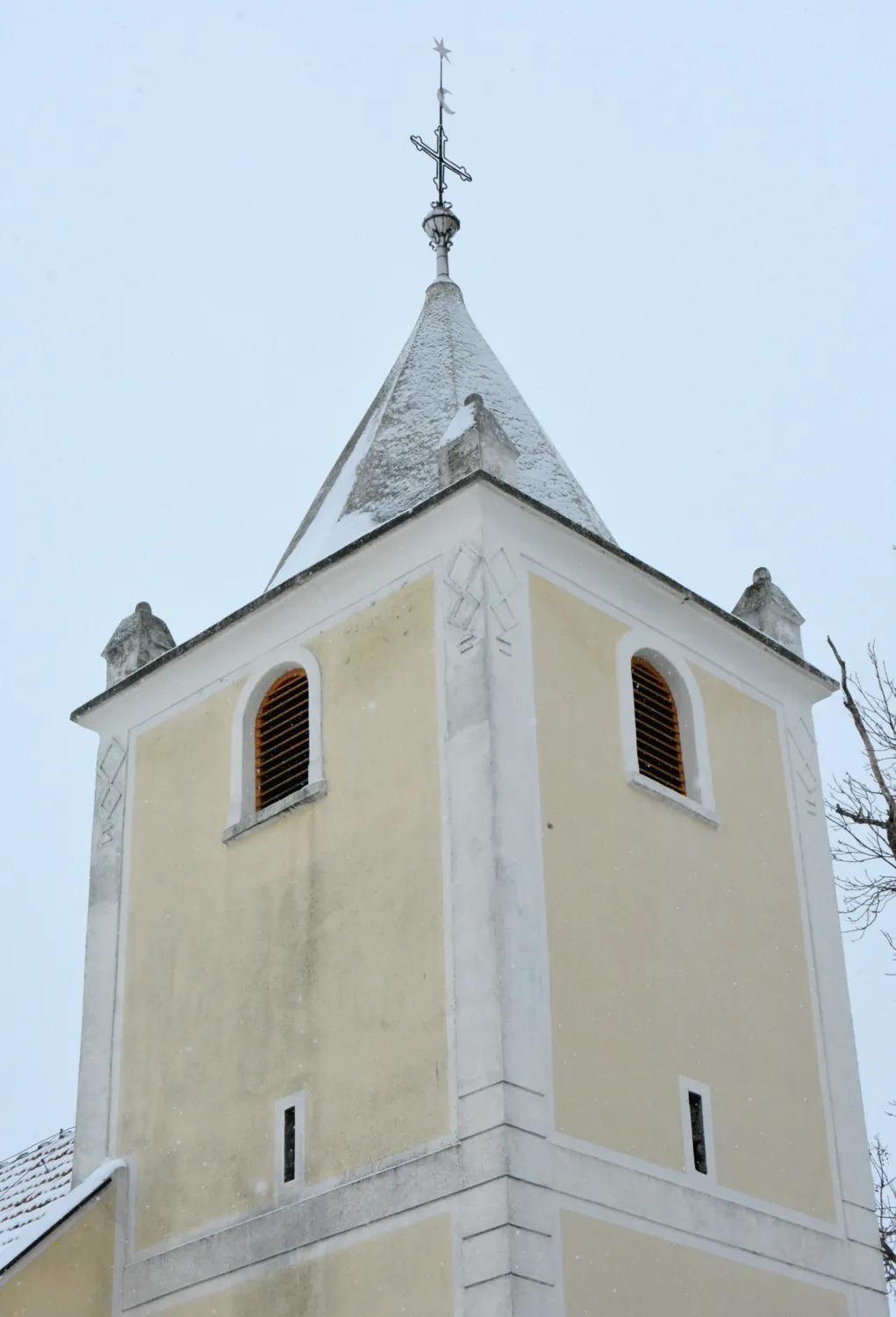
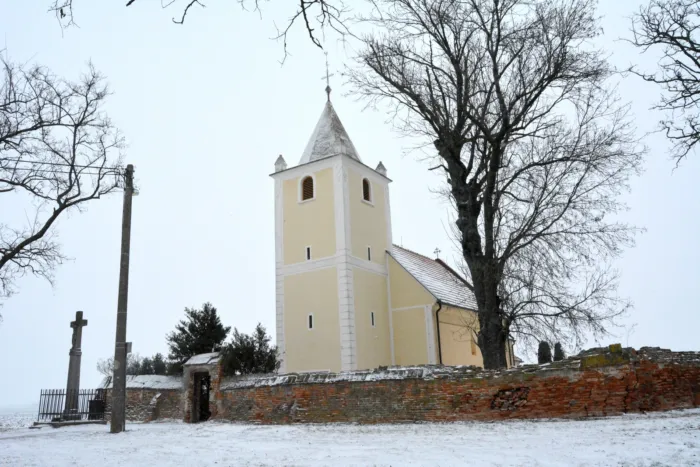
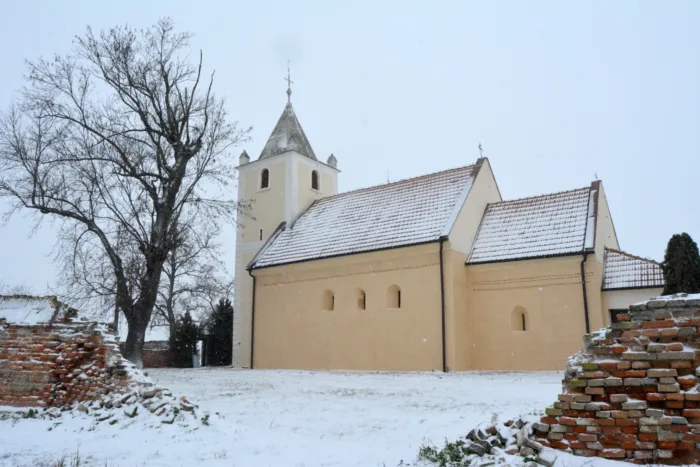
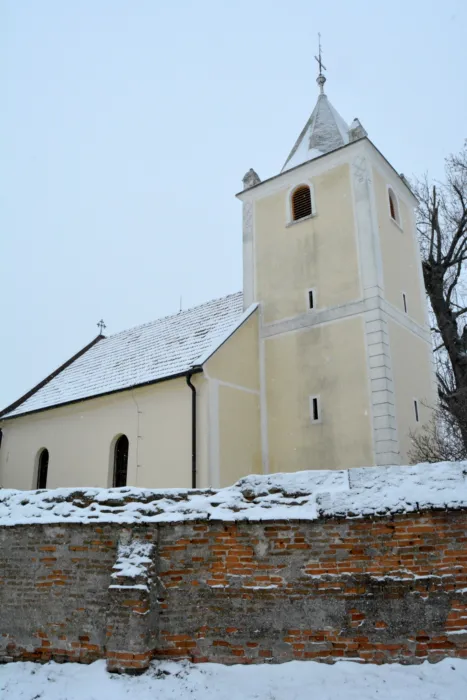
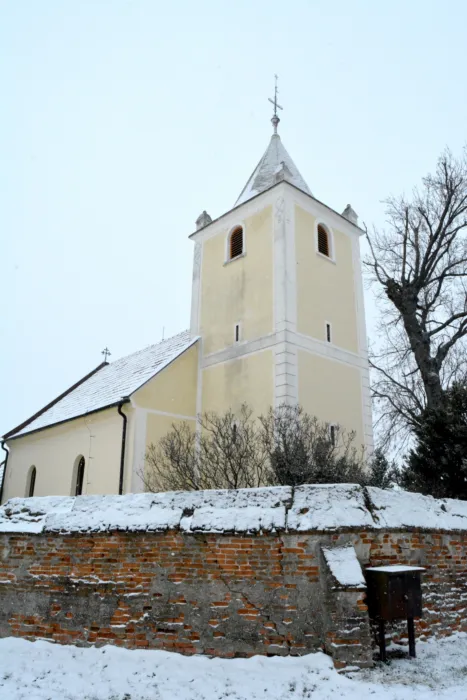
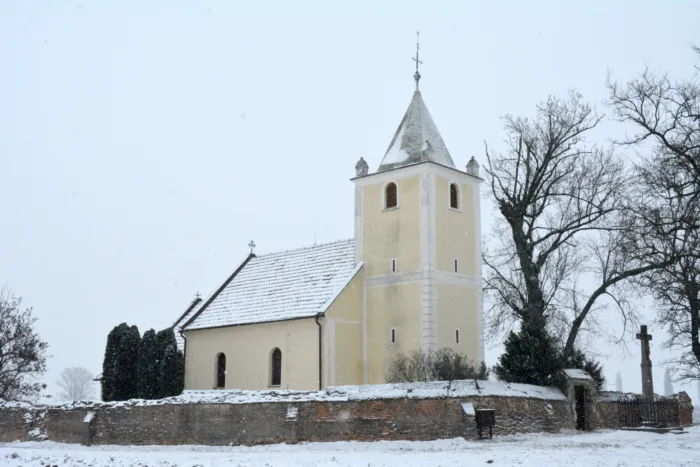
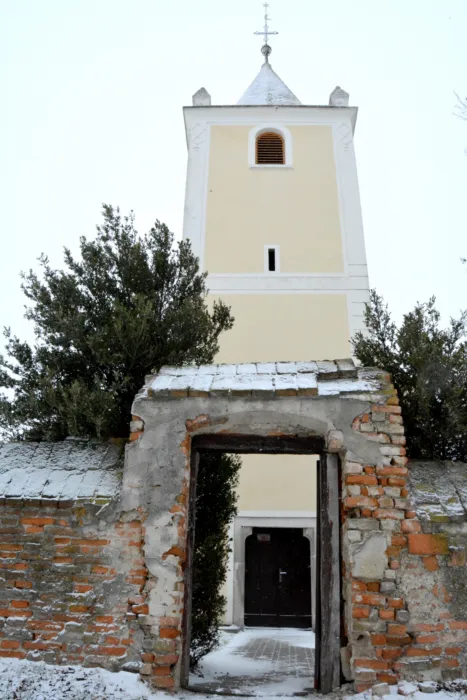
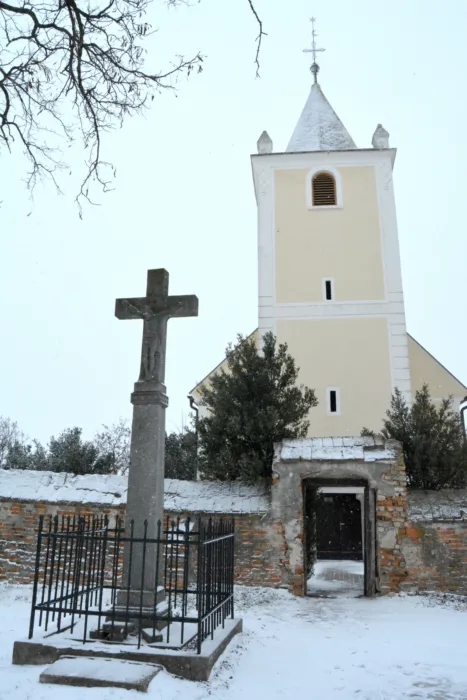
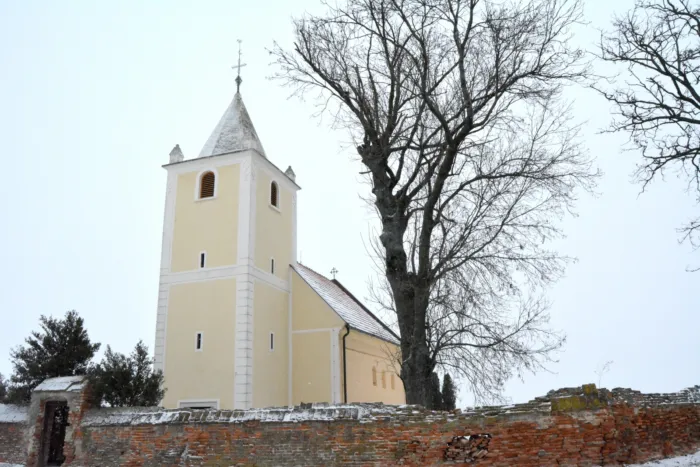
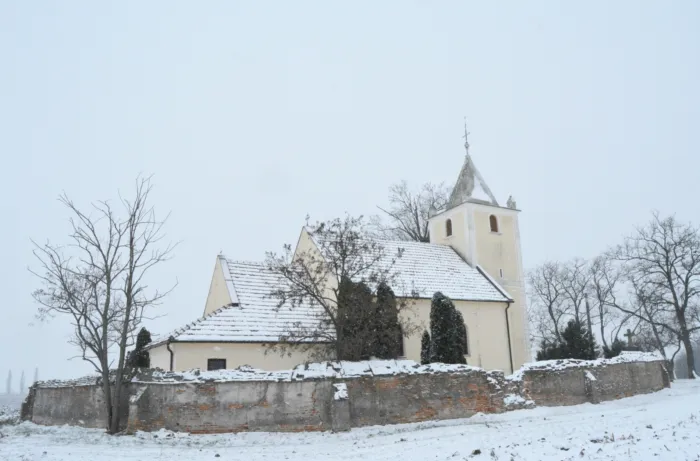
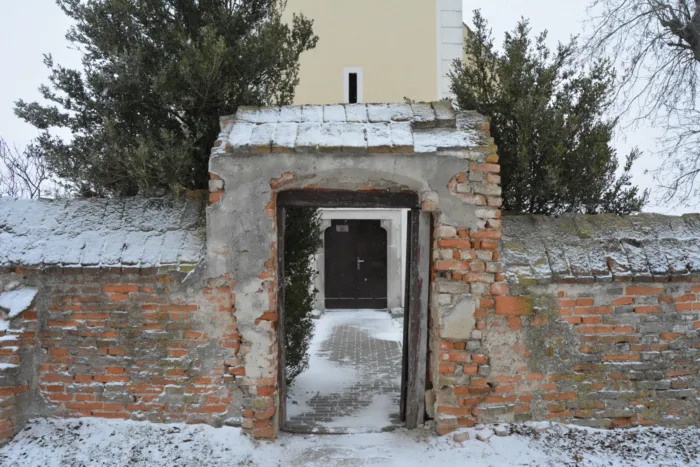
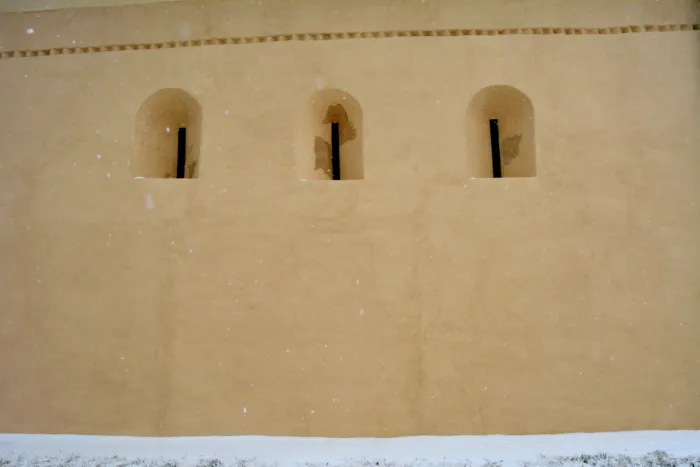
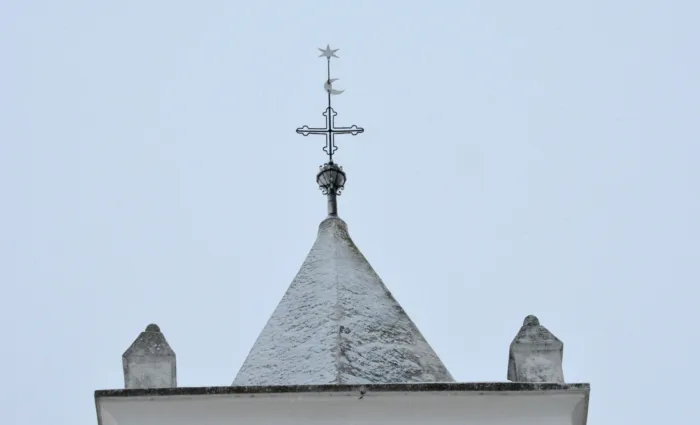
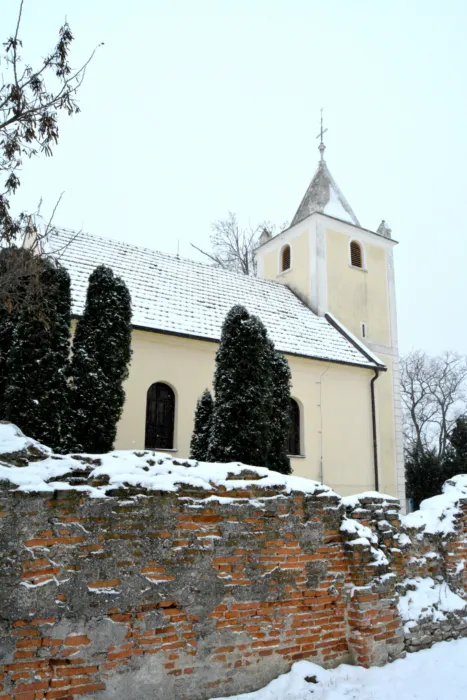
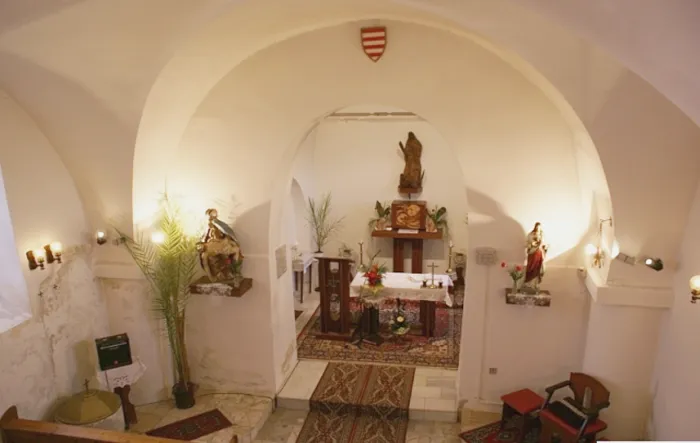
The church of Kismácséd is located on the southeastern border of the settlement, on the edge of the field. Its patron saint is Saint Margaret of Antioch. Saint Margaret of Antioch is the patron saint of churches built near rivers and water. In the 13th century, she was the patron saint of the Kingdom of Hungary, but also the protector of pregnant women, women giving birth and families. The church celebrates Saint Margaret's feast day on July 20. The Kismácséd Absolution is held on July 13. The interpretation of the absolution is the forgiveness of sin, that is, confession. The first Kismácséd Absolution was held in 1727. ; In the absence of written sources, the walls and architectural details of the church testify to its past. A square sanctuary is attached to the eastern side of the nave with a brick floor plan, with a simple semicircular triumphal arch. The entire building was built of brick in the 13th century. The recently discovered Romanesque window openings can be seen on the south side, and the wolf-tooth decoration continues on the west side of the brick wall, which - together with the western entrance - proves that the church was originally without a tower. The sanctuary is covered by a barrel vault, the nave by a two-section false cross vault - the latter, as well as the Baroque sacristy, date from the 1600s. The small, stone-carved baptismal font of the sanctuary is from the Romanesque period, and the organ stand resting on thin legs dates from 1909. ; The stocky western tower with its thick, loophole-walled walls shows Gothic form and proportions. It may have been raised during the 15th century reconstruction of the church, when the stone-framed, shoulder-stone gate was built, presumably at the same time as the pair of pointed-arched windows on the south side and a new, Gothic nave vault. Its four-towered, pointed pyramidal helmet is an "accessory" of the landscape typical of the Lesser Plain. ; Another interesting feature of the church is the location of the building itself - in the middle of the field, in the center of the former settlements, at the highest geographical point. Another interesting feature is the brick wall surrounding the church, which was built in 1633. The six-pointed star and crescent moon visible in the tower were put in place after 1783, presumably between 1880 and 1903. According to their ecclesiastical interpretation, the sun (the six-pointed star) symbolizes the radiance of Jesus, and the crescent moon symbolizes the Virgin Mary. The origin and meaning of the ponytail that swung until 1984 are unknown. ; Major renovations took place in 1729 and 1880, and the archaeological excavation that is still ongoing began in 2009. The greatest achievement of the excavations is the early 14th-century painting discovered in the interior, on the wall separating the sanctuary and the sacristy. Contrary to the time, it does not depict Christ the Redeemer or the Last Judgment, but rather the Crucified Christ. The figure on the south side, closer to Jesus, presumably depicts the Virgin Mary. The figure on the north side, next to Jesus, is thought to be Saint John due to his short hair. The saints depicted as supporting characters on both sides wear bishop's mitres. They are depicted from the front. A Gloria painted with two parallel lines can be seen around their heads. Their bodies are covered by a checkered cloak. Thanks to further excavations, more details will be visible.