
Parish Church of the Assumption of the Blessed Virgin Mary
Building, structure
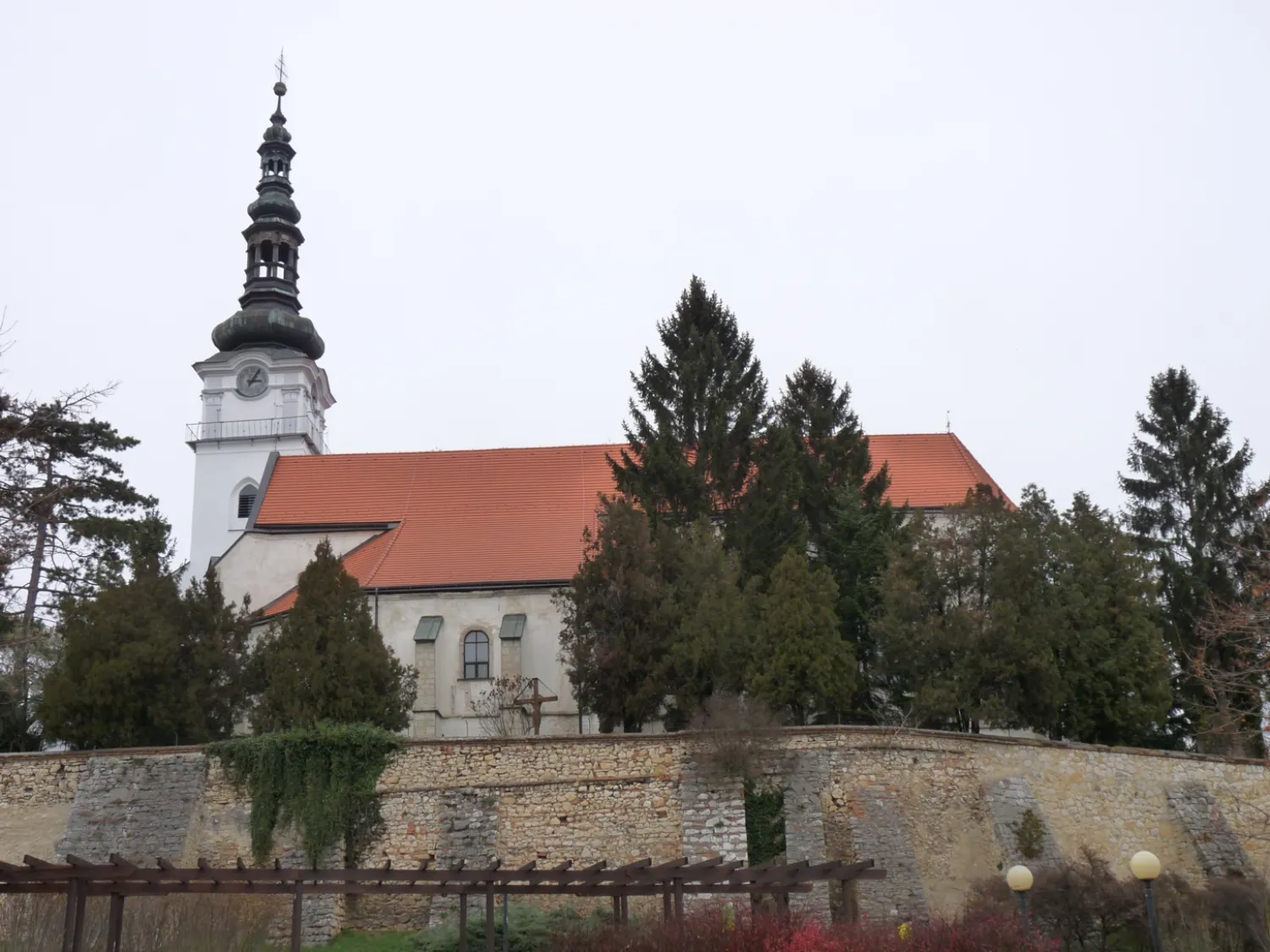
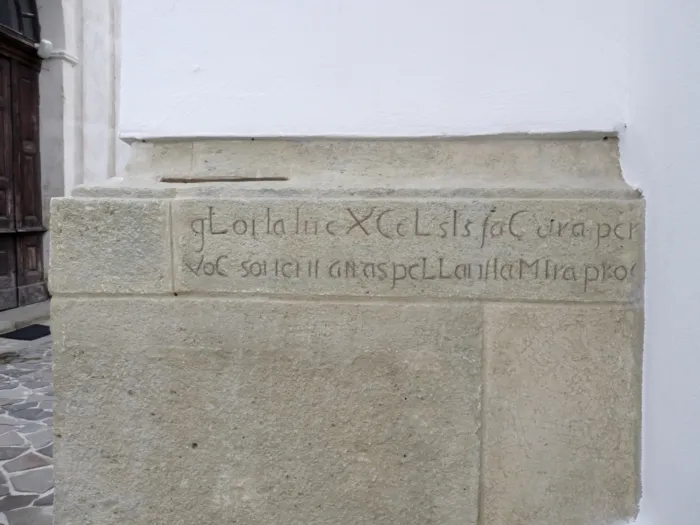
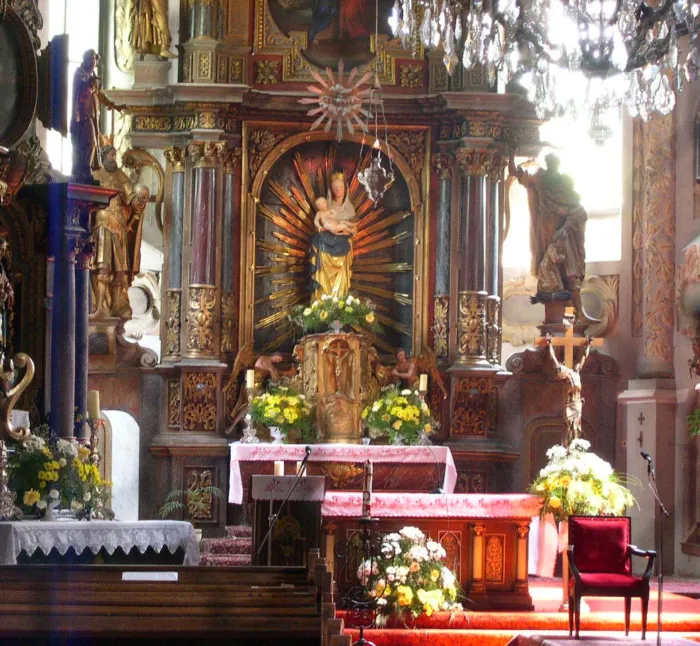
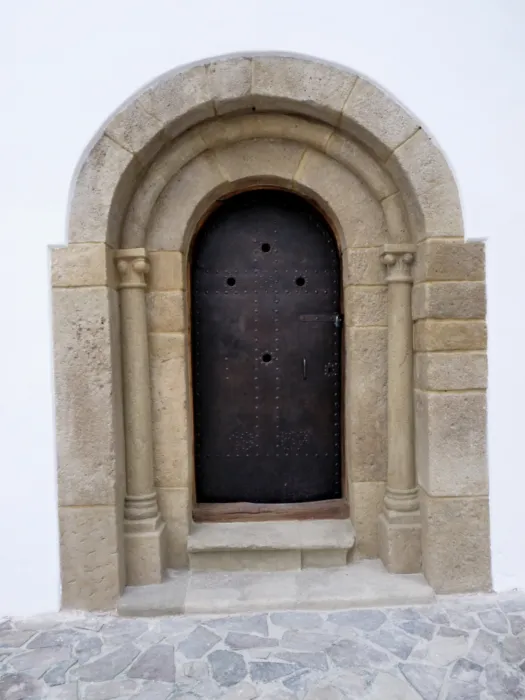
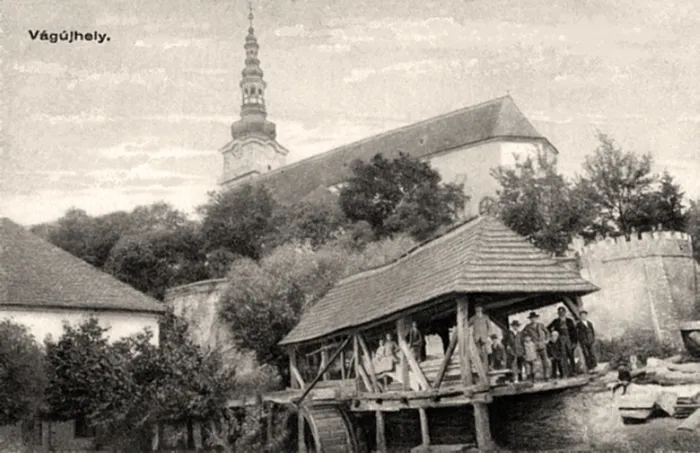
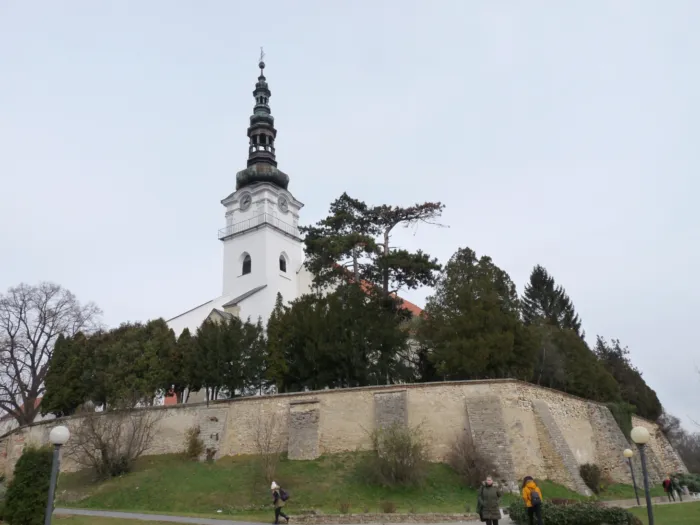
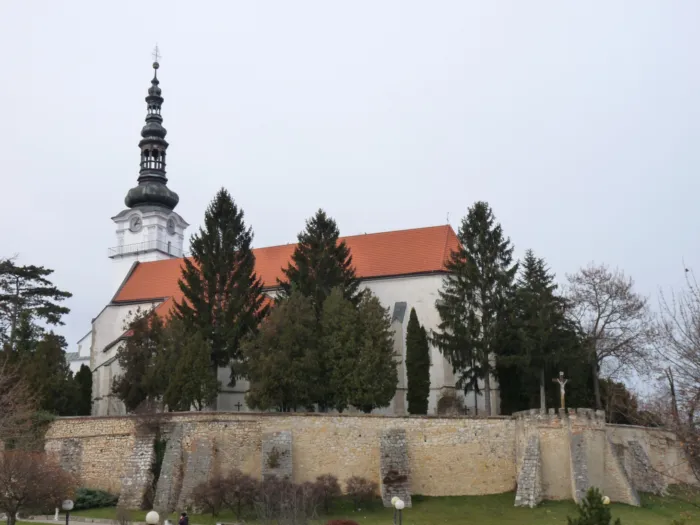
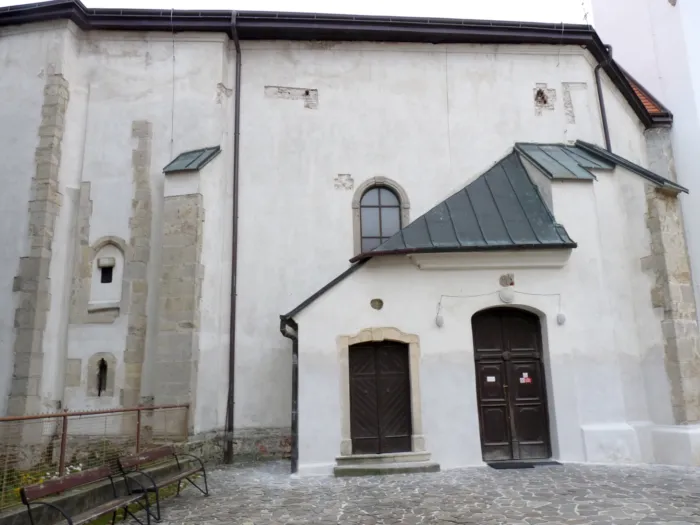
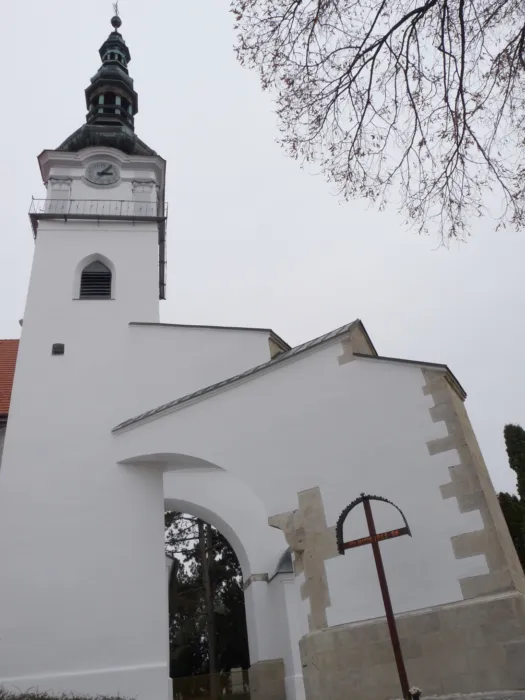
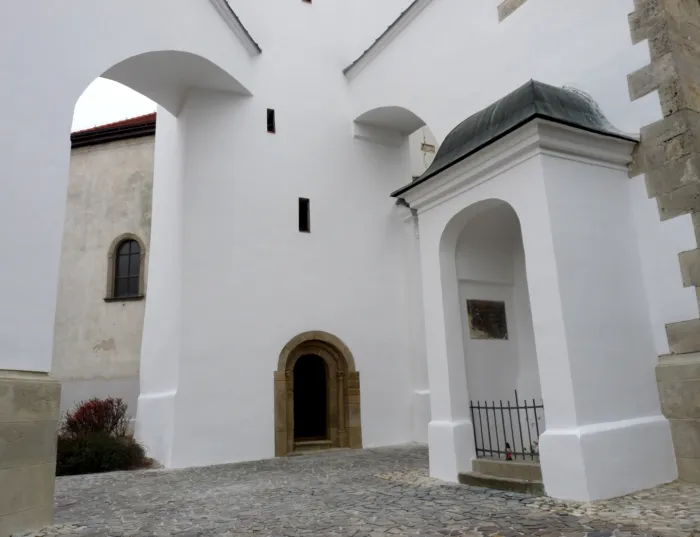
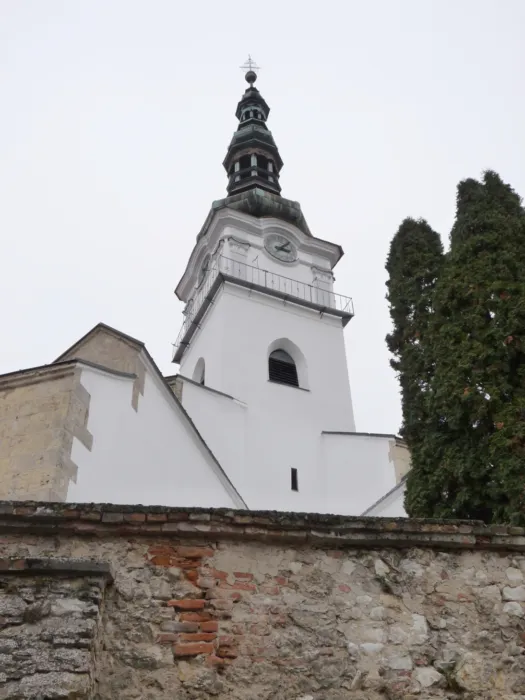
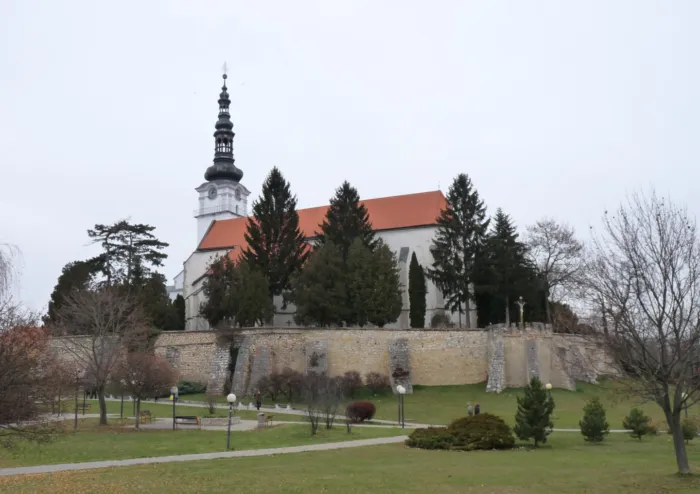
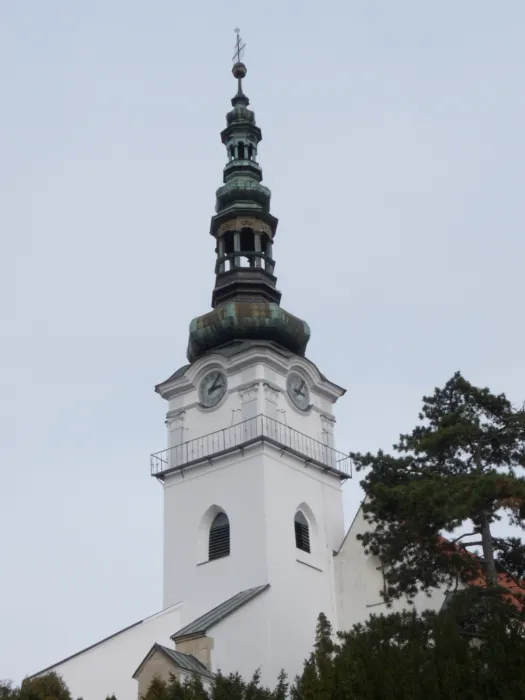
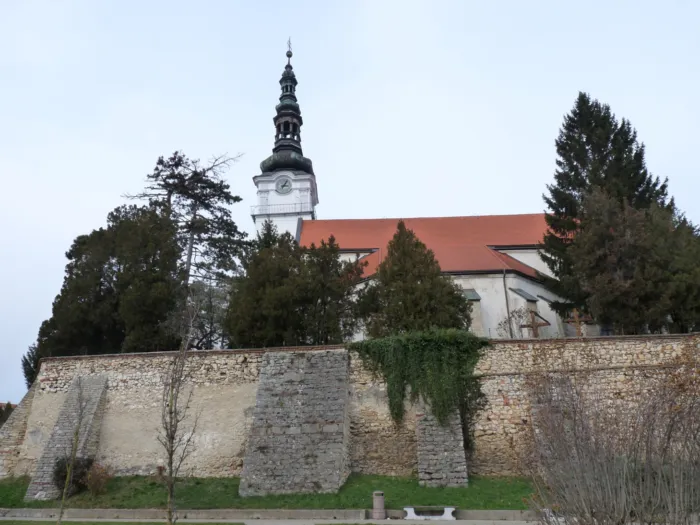
The defining building of Vágújhely is the Gothic parish church of the Little Assumption, which stands on the hilltop and is surrounded by a protective wall. Only the lower part of the tower and the stone gate remain from the church's Romanesque predecessor. The provostship was founded by Stíbor II, and between 1414 and 1423 he had a new Gothic church built in place of the old one. In 1447, the Hussites burned it down along with the town. A sacristy was added to it at the beginning of the 16th century. It was rebuilt in Baroque style between 1666 and 1695. Its Baroque stucco and wall paintings were also made at that time. In the first half of the 18th century, it was expanded to the west and its tower was raised. At the end of the 19th century, it was restored according to the plans of J. Lippert. It is a popular pilgrimage site. The statue of the Virgin Mary on the main altar was made in 1672. Its rococo pulpit, organ and baptismal font are from the 18th century. The Stations of the Cross were painted by J. B. Klemens in 1870. ; The two-nave, Rorna style basilica in Vágújhely was a favourite place of worship for the wife of Voivode Ctibor I, Dobrocha. (The female name means good woman, good girl, Jolán.) She often went to the majestic church to pray, to greet the Blessed Virgin. ; Voivode Ctibor came from a Polish noble family. He came to the service of the Hungarian king at the age of twenty-three. He proved to be a good warrior, he was thirty-five when Louis the Great died. At that time he entered the service of the widow, Queen Elisabeth. He was a true medieval knight. He helped arrange the marriage of Princess Mary and Sigismund. Perhaps this is why Sigismund appointed him commander-in-chief of the royal armies. After this, he participated in all of Sigismund's wars, but also in the peace treaties. An excellent diplomat. Ispan of the counties of Bratislava, Nitra, Trenčín, Zólyom and voivode of Transylvania. The entire valley of the Váh River belongs to him. He is the lord of fifteen large castles, one hundred and seventy-nine manors and three hundred villages. His permanent seat is the castle of Beckó. He supports church institutions and builds churches. In 1431, he agrees with the Archbishop of Esztergom, János Kanizsai, to establish a provostship next to the Vágújhely church. But he dies in 1414. His wife returns home to Poland, but during the reign of his successor, voivode Ctibor II, the provostship is established. The first provost, named Péter, builds the buildings of the provostship and invites twelve Augustinian canons to Vágújhely from Sternberg and Prague to establish the chapter. ; Meanwhile, the old Romanesque basilica was damaged because the sand hill on which it stood had slipped due to weathering. One of the towers and the side wall also collapsed. Voivode Ctibor II fortified the sand hill with a stone wall and built a Gothic one in place of the Romanesque church. He left only a few parts of the old church. ; The new Gothic church in Vágújhely was ready in 1419 and was consecrated by Bishop István of Vác on the Saturday before the fourth Sunday after Easter. However, before the consecration, Provost Péter, who had prepared everything, died. His successor in the provost's office was Canon Márton I., an Augustinian canon, a good friend of Voivode Ctibor II, and the supervisor of studies at Charles University in Prague. He prepared the interior of the church until 1423. He also laid the foundation for the economic security of the provostship. ; II. Voivode Ctibor also fortified the city against the Hussites. Unfortunately, he died without a son. His daughter, Katalin, married Pál Bánffy, who became the lord of Vágújhely. Unfortunately, in 1447, the Hussites burned down Vágújhely. The parish church and the provostship were also damaged. The Augustinian canons were forced to return to Bohemia. The provostship was temporarily suspended. ; In 1514, Tamás Bakócz, Archbishop of Esztergom, appointed Canon Máté Báthy as the provost of Vágújhely at the request of the faithful. After the Battle of Mohács, László Bánffy, the patron of the church and provostship, joined the Protestant religion and in 1570 he installed the Lutheran priest Miklós Melcher in the provostship. Lutheran priests held the office and title of provost of Vágújhely until 1635. ; In 1635, the parish became Catholic again, and Canon György Széchenyi was appointed provost of Vágújhely. He blessed the church again on September 8 and placed a Gothic statue of the Virgin Mary on the main altar. But he became bishop of Csanád in 1643, and then archbishop of Esztergom in 1685. He died at the age of one hundred and three in 1695. After 1666, the church was given a Baroque style. Since then, the faithful people of the highlands have visited this ancient Marian shrine with renewed zeal to honor our heavenly mother and to obtain from her graces that help in the struggles of life.