
Royal Catholic High School
Building, structure
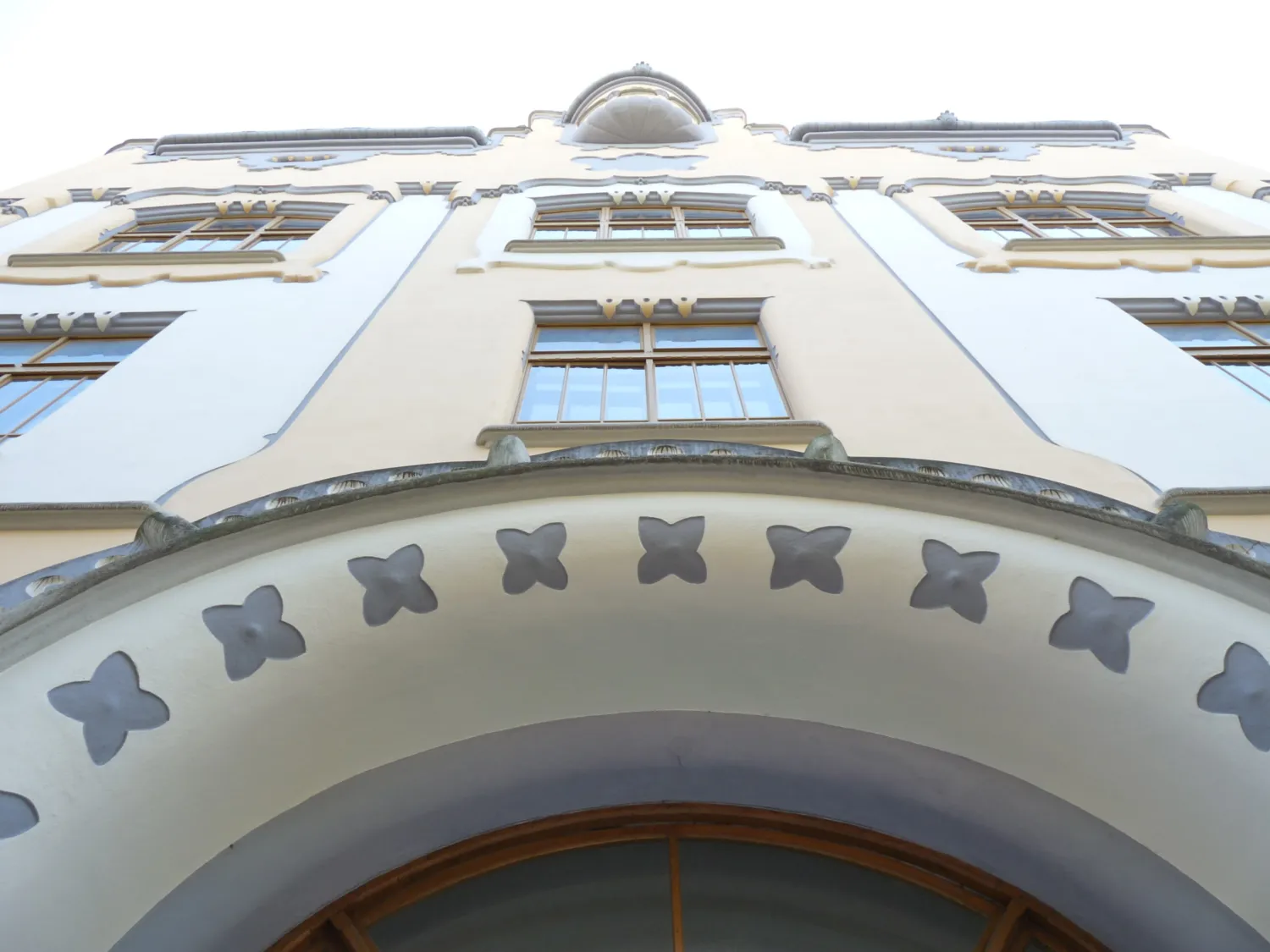
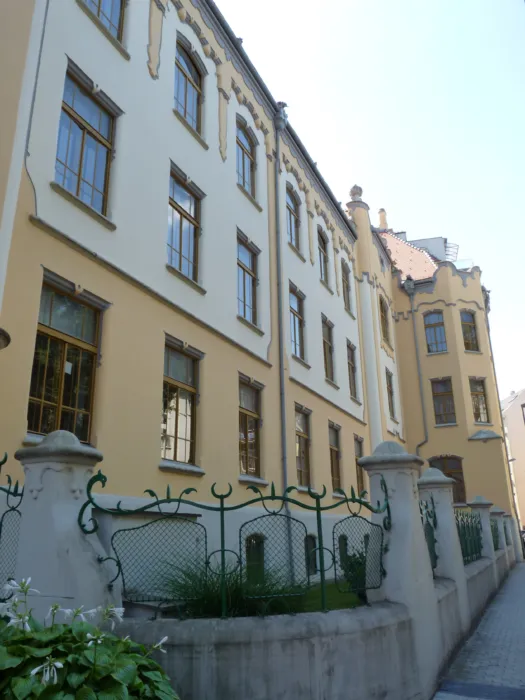
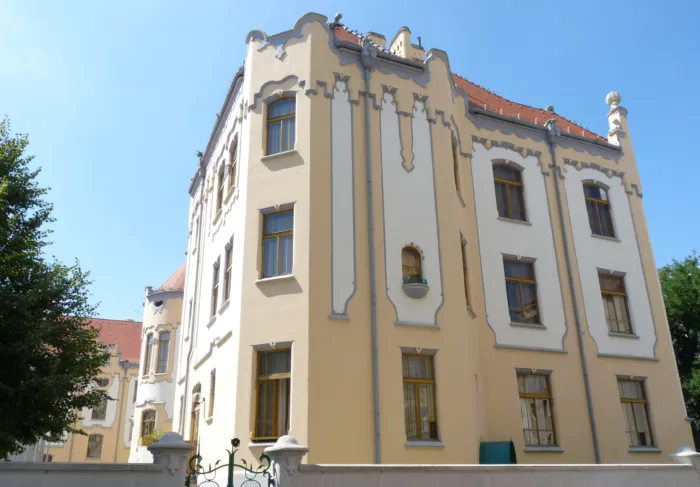
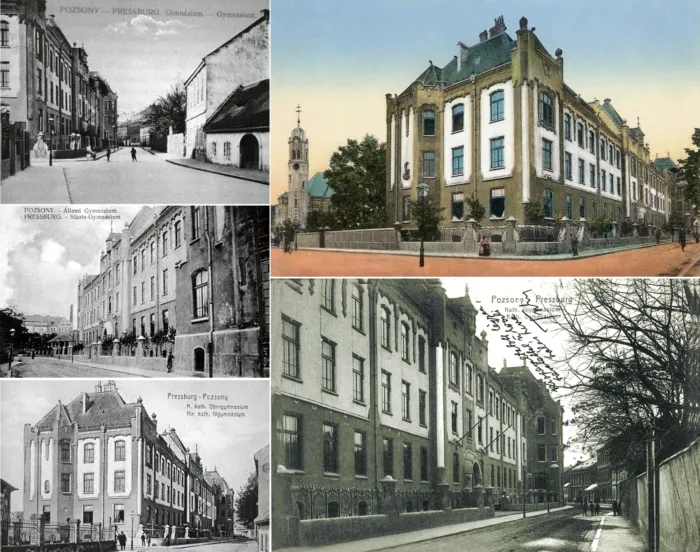
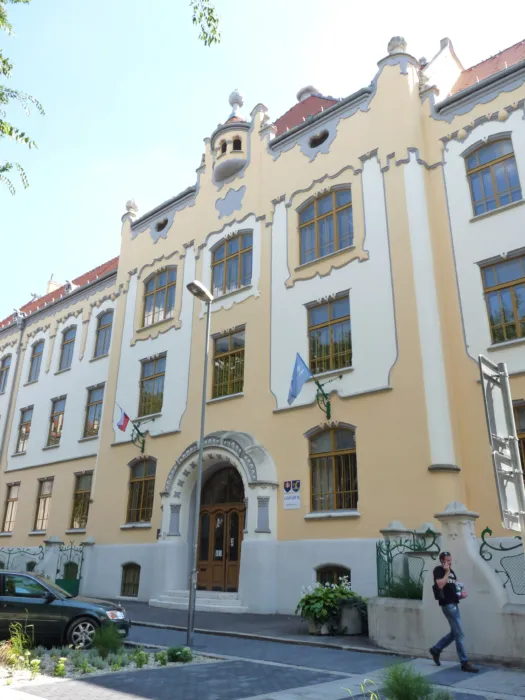
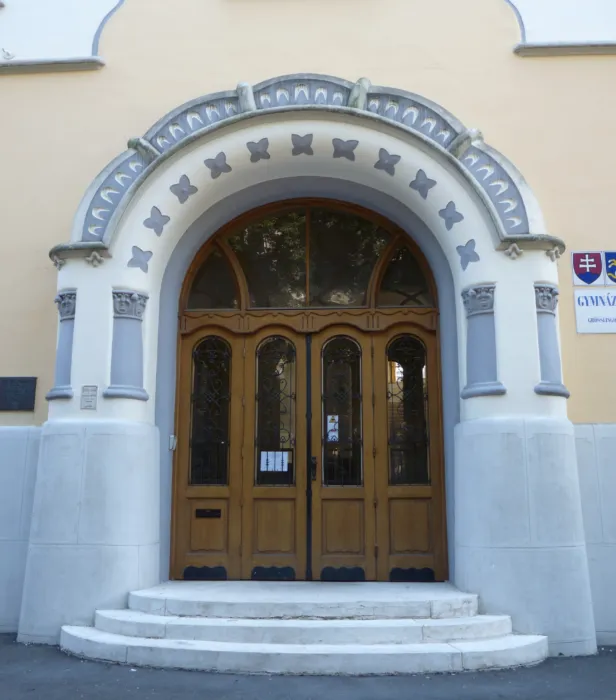
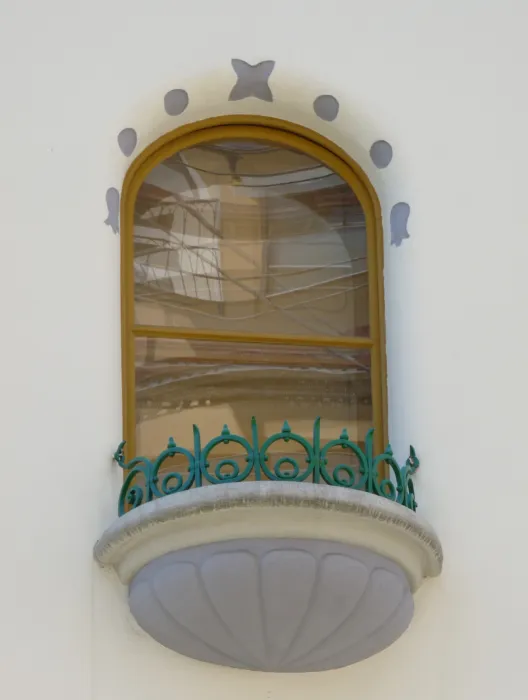
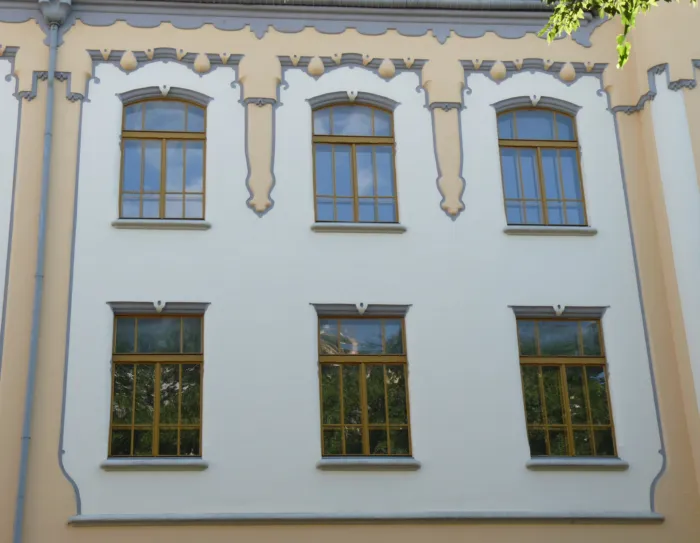
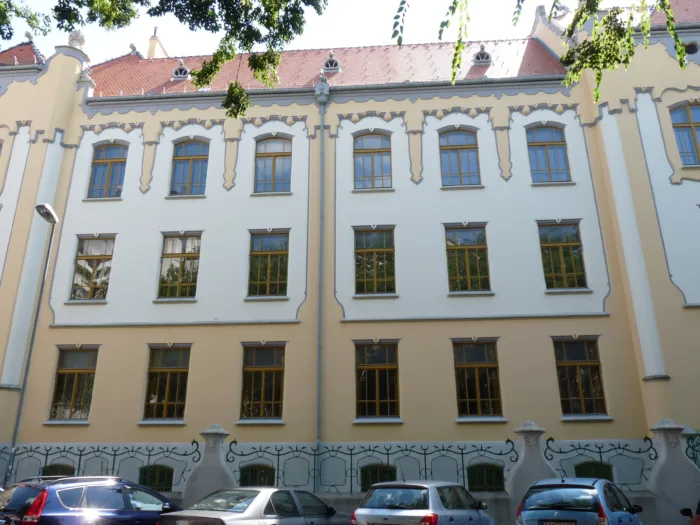
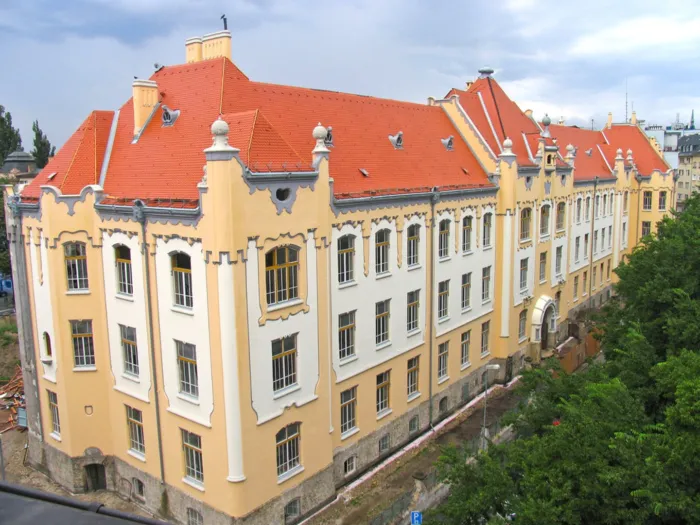
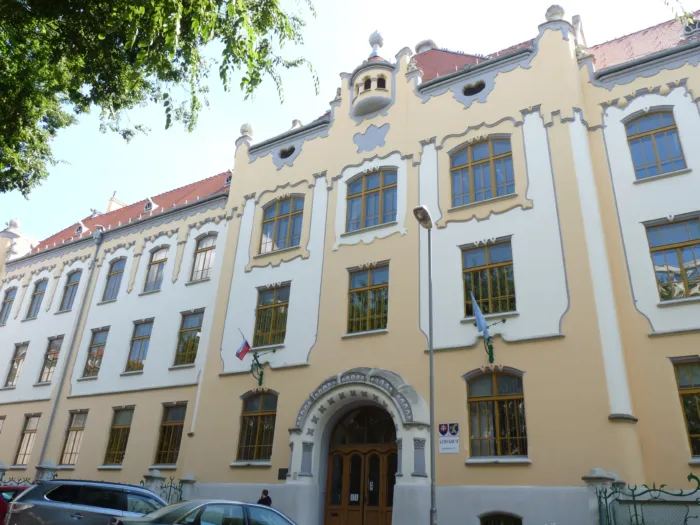
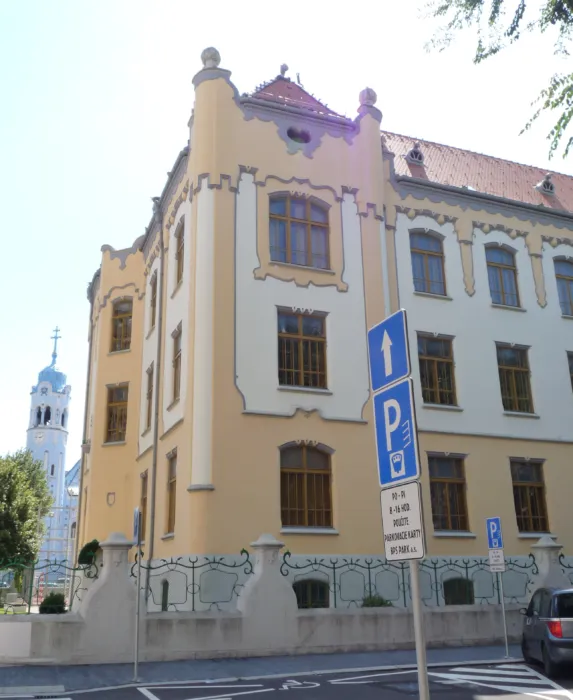
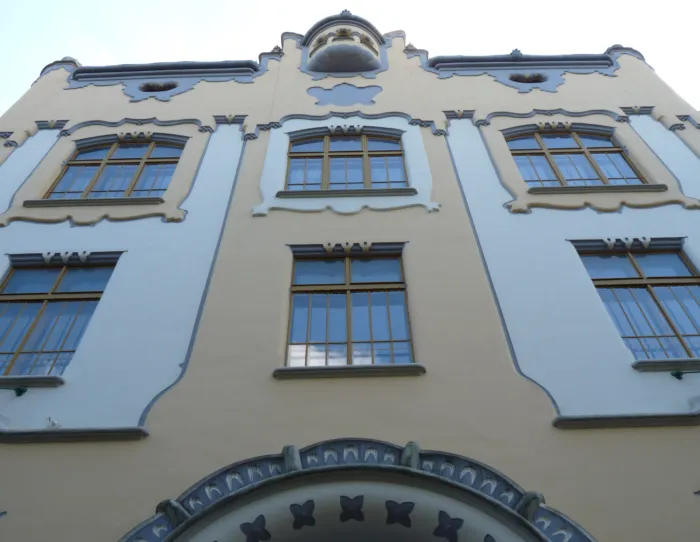
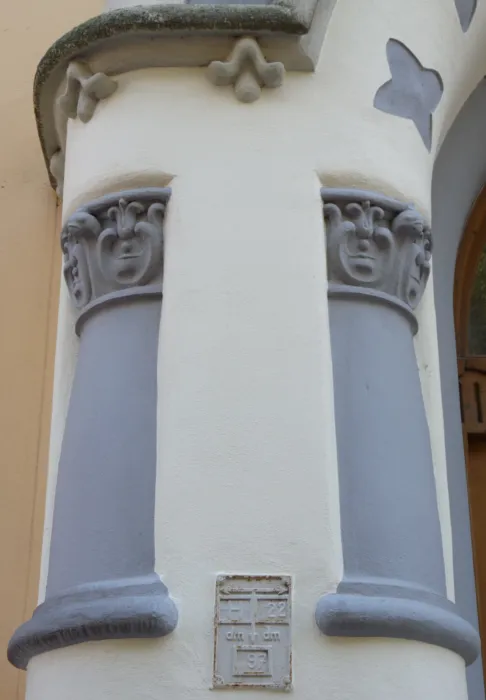
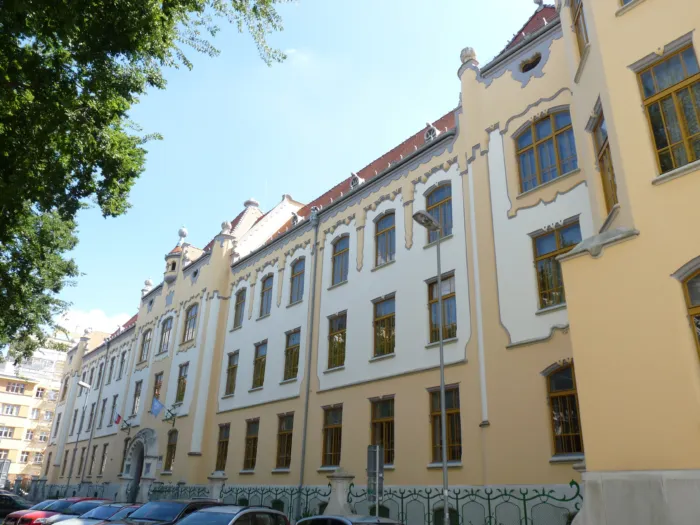
Bratislava was one of the most important school towns in Hungary. Among its numerous educational institutions, one of the most prominent and prestigious was the Royal Catholic High School. The history of the institution begins in 1626, when the Archbishop of Esztergom, Péter Pázmány, founded the Jesuit college. The ruler of the time, a staunch supporter of the Jesuits, Ferdinand II, who greatly supported the Catholic renewal, confirmed Pázmány's foundation in 1628. For this purpose, the archbishop had a new building erected directly next to the St. Martin's Cathedral, the eastern wing of which was first completed in 1629, then in 1633 the southern part of the cathedral, and finally in 1635 the western side facing the city wall. The building still stands today, now housing the Cyril and Methodius Roman Catholic Faculty of Theology of the Slovak Komensky (Comenius) University. In 1714, the school moved to the Balázs Behaim House on the former Batthyány Square (now Prímás Square), one of the oldest buildings in Bratislava. This building also survived, and currently houses the Faculty of Theology of the Slovak University of Nagyszombat. However, this old house did not meet the needs of the fathers. They repeatedly referred to the dilapidated and even unusable state of the building, until in 1786 the Jesuit college moved to the Poor Clares monastery. The Poor Clares were dissolved by Joseph II, so the monastery was transformed into a school. At that time, the Jesuits no longer maintained the school, but entrusted it to the Benedictines. In 1850, the Benedictines had to leave due to their patriotic behavior, and the school became a German-language grammar school. In 1861, a Hungarian-language institute was established, and after the Compromise, an 8-grade royal Catholic grammar school. The educational institution grew steadily, and by 1899 it had 503 students. Béla Bartók and Ernő Dohnányi also attended the school at this time. A Slovak-language plaque was placed on the wall of the monastery in Bartók's memory. ; ; The school, with its ever-increasing number of students, could no longer fit within the walls of the monastery, and the creation of a new building became urgently necessary. The city government placed the school in the vicinity of the newly formed district of the city - Józsefváros. The building authority, the Ministry of Culture, asked Ödön Lechner to design the building. One of the gems of our excellent architect's work is the building of the Royal Catholic High School in Bratislava and the church of St. Elizabeth. The school was built between 1906 and 1908, with an L-shaped floor plan and impressive size. But the large size was also necessary, since in 1909 the number of students had already increased to 543. Ödön Lechner originally intended to build a chapel next to the school to serve as a religious education center for students. But since the new part of the city did not yet have a church, the original plan was changed and the architect was asked to design and build a church, not a chapel. Thus, one of Ödön Lechner's greatest works was completed, the church of St. Elizabeth, or, as the Slovaks call it due to its current color: the Blue Church. ; The Royal Catholic High School in Bratislava, built by Ödön Lechner, lasted only a few years. In May 1919, the institution was declared a Czechoslovak state secondary school, leaving a parallel Hungarian section in grades 2-8 (opening a Hungarian class in the first grade was no longer an option). The building still houses a school today - a purely Slovak high school that "pretends" to be the successor to the Catholic high school with a long history.