
Parish Church of St. John the Baptist
Building, structure
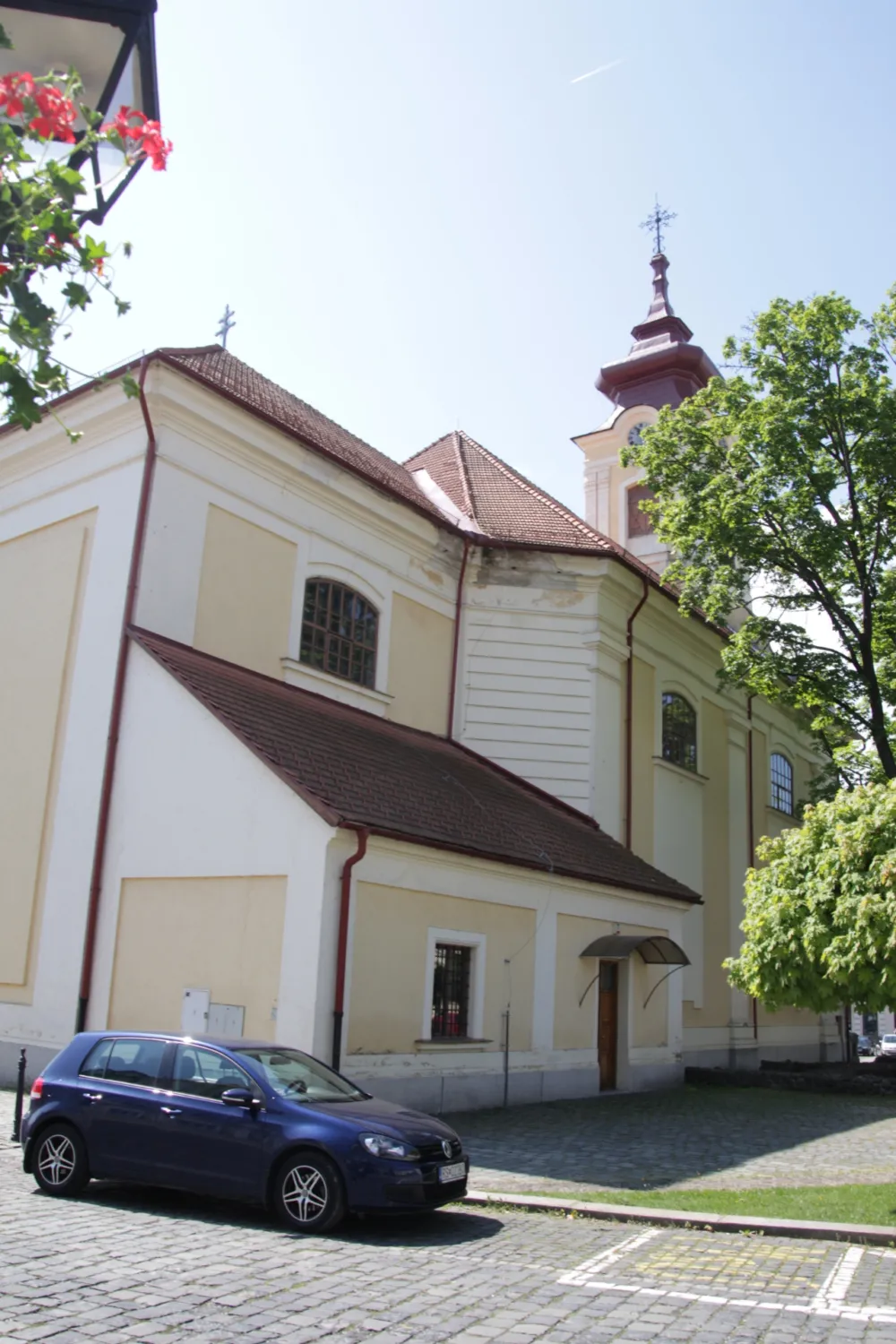
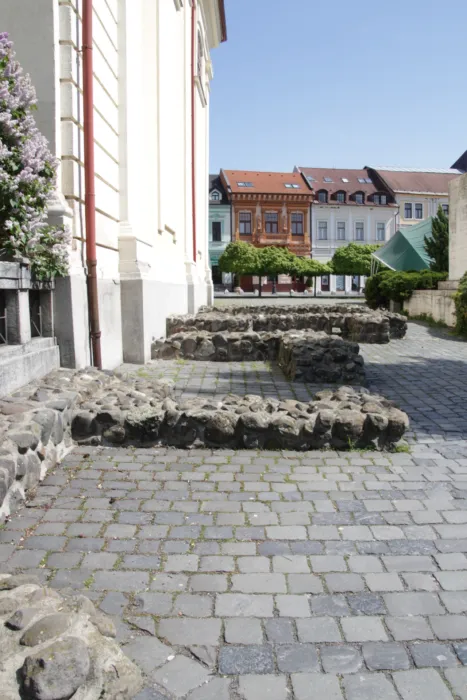
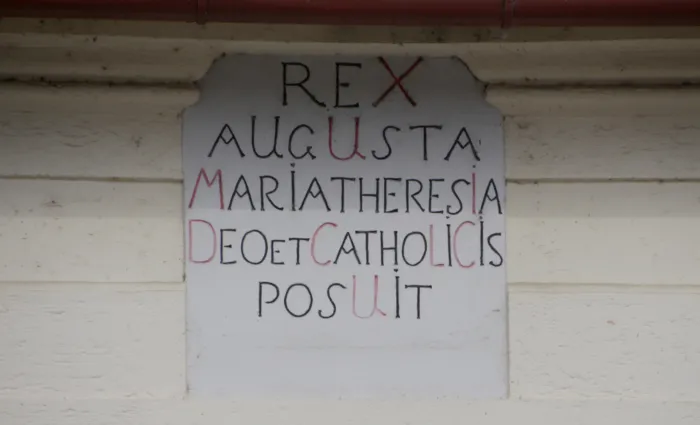
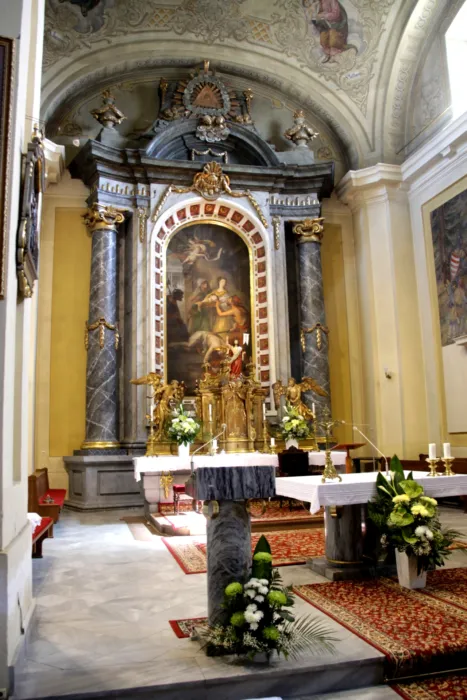
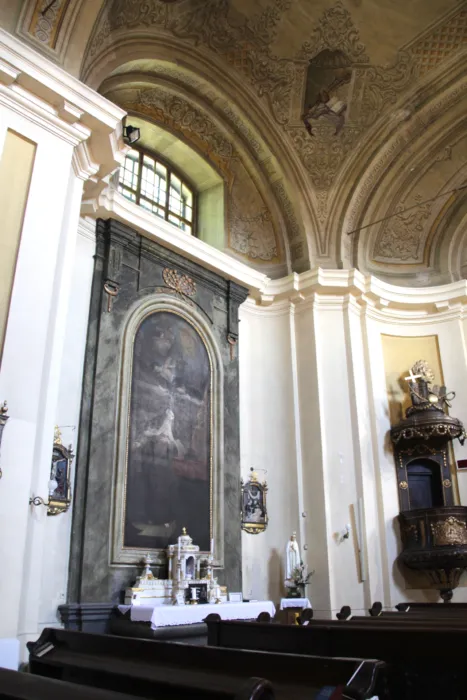
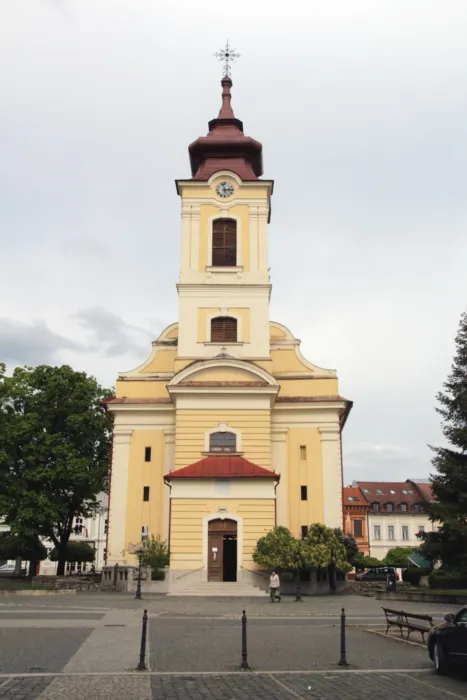
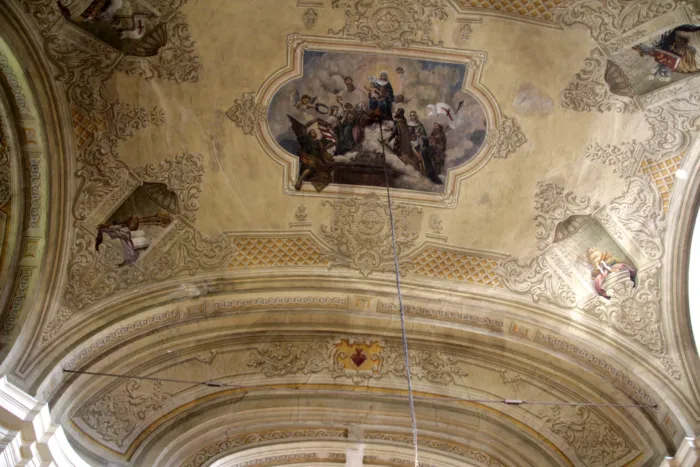
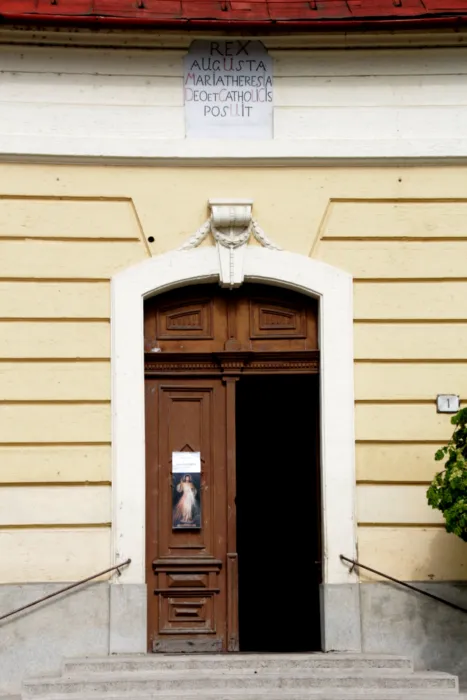
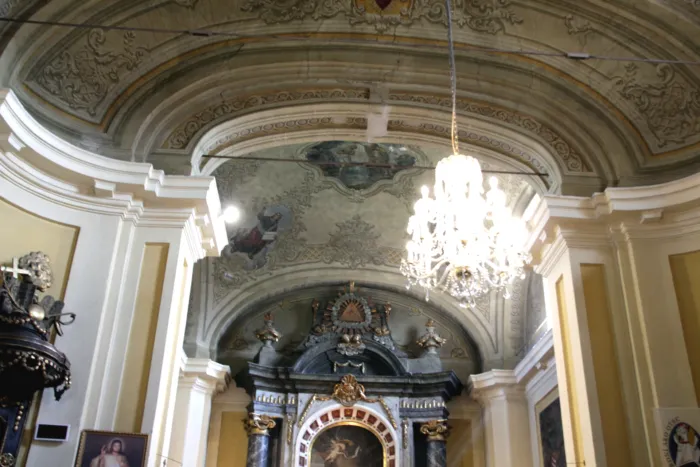
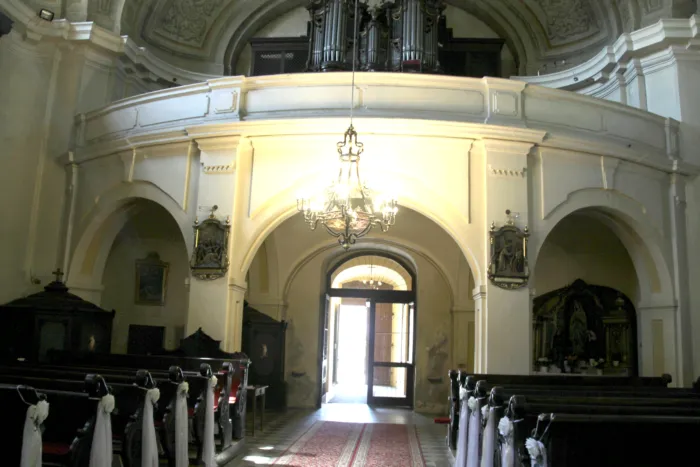
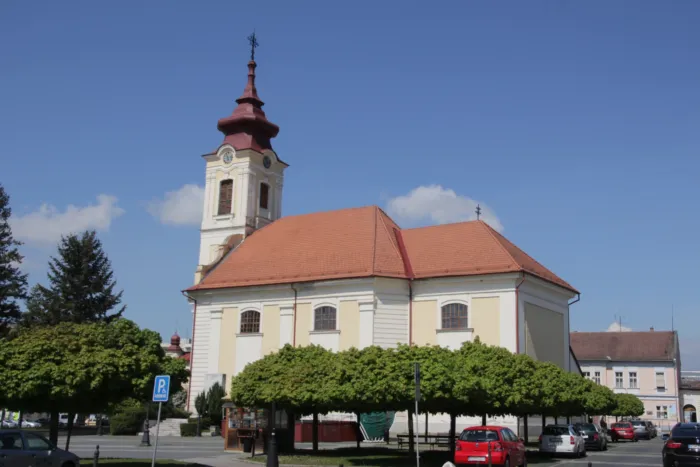
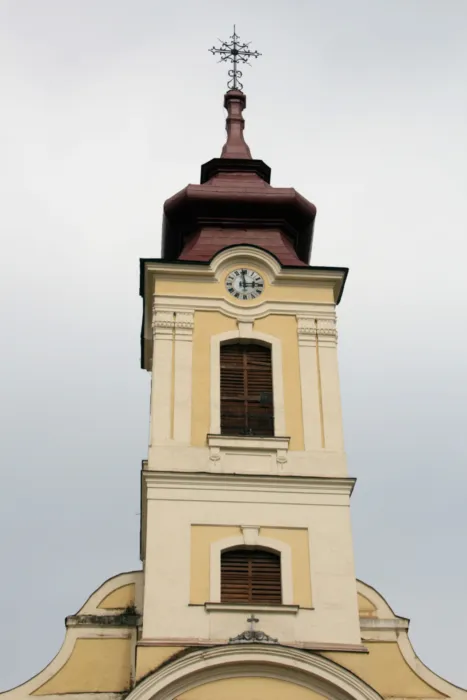
The first Catholic church was built in the 11th century on the main square of the town. At that time, the population was Catholic, but after the Reformation of Luther and Calvin, changes also took place in Rimaszombat. In 1524, the local Catholic priest Em. Bebek, who held a high church rank, married and accepted Luther's teachings with the entire church community. In 1594, the followers of John Calvin were in the majority. The faithful attended services in the Virgin Mary Chapel next to the entrance to the old cemetery. The church on the square was originally Catholic, but after the Reformation it was used by Calvinists. A change only occurred during the reign of Maria Theresa. The final decision of the royal court on April 9, 1771 ruled in favor of the Catholics. After the trial, missionary György Karaba became the first Catholic parish priest. The original church was threatened with collapse. Therefore, it was demolished in 1775, and Queen Maria Theresa built a new church, which still stands today. The Latin inscription above the entrance to the church testifies to this: ; REX / AUGUSTA / MARIA THERESIA / DEO ET CATHOLICIS / POSUIT (Majestic Queen Maria Theresa, built for God and the Catholics) ; The church was consecrated on September 30, 1792, by Antal Andrássy II, Bishop of Rožňov. ; The church was built in the late Baroque style. The picture embedded in ornate marble on the main altar is the artistic work of the Viennese teacher and court painter Fisher. It depicts the beheading of St. John the Baptist. The model for Herodias was Queen Maria Theresa herself. ; In front, on the right, there is the side altar of St. John of Nepomuk, by an unknown painter. On the left, there is the side altar of St. Teresa of Avila. The picture was painted by the artist József Zannusti from Nagyszombat in 1781. In the back right is the side altar of St. Andrew the Apostle, painted by the artist József Zauzig from Levoca in 1834. The altar of St. Anna on the left was painted by Lassgaftner in 1913. ; Above the main altar on the left is a mural depicting the death of King St. Stephen of Hungary. The picture on the right above the main altar depicts King St. Ladislaus of Hungary drawing water from the rock for his entourage, like Moses in the desert. Both pictures were painted by Gusztáv Obendorf, a high school teacher from Rimaszombat, in 1942. ; The church was renovated in 1878. The current painting of the vault was created by the artist Gyula Ádám from Rozsny. ; The church tower originally had three bells, which were named Holy Trinity, Saint George, and Saint Joseph at the time of their consecration. The bells were made in 1779, as evidenced by the inscription above the gate. ; Other details can be found in the Gömör Museum in Rimaszombat. There is a painting of the original Gothic church exterior, as well as a painted image of the clash between Catholics and Calvinists on June 25, 1769.