
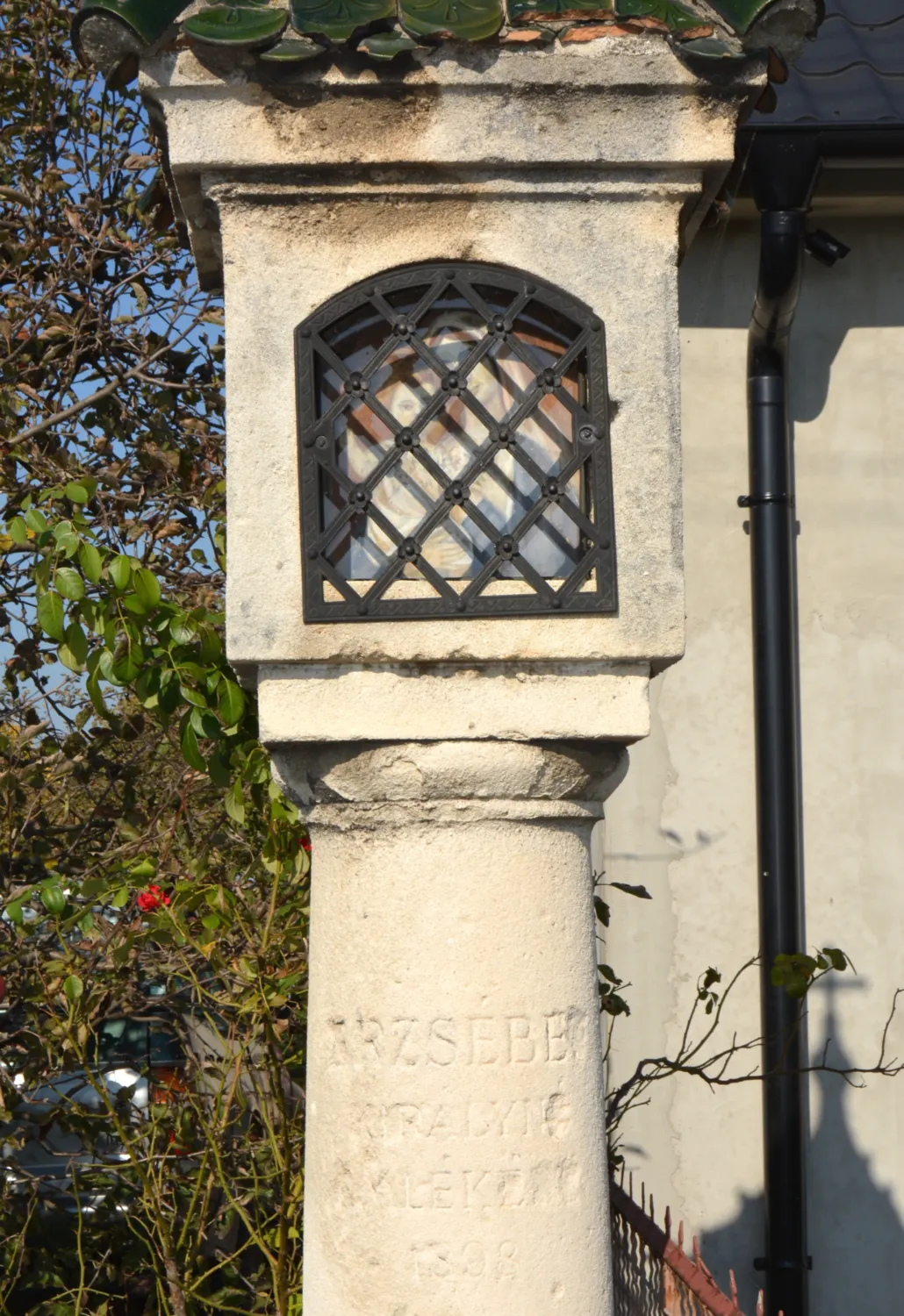
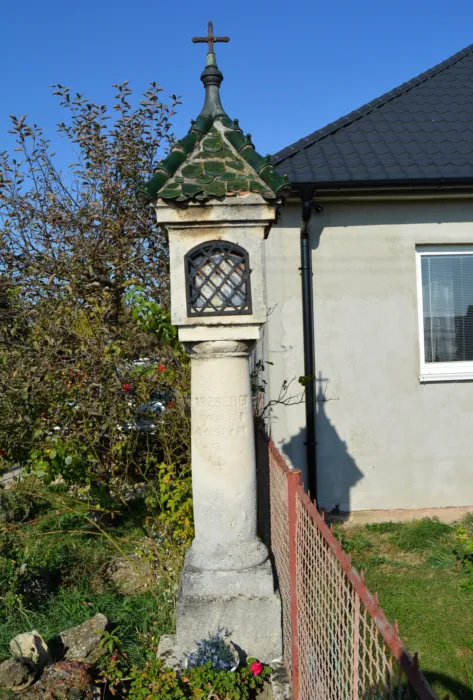
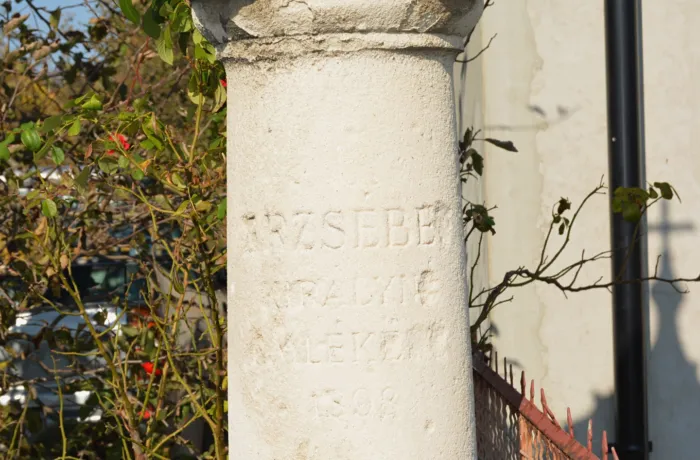
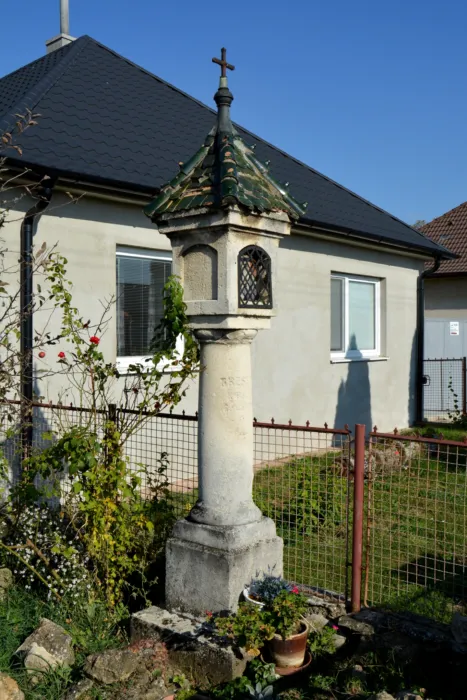
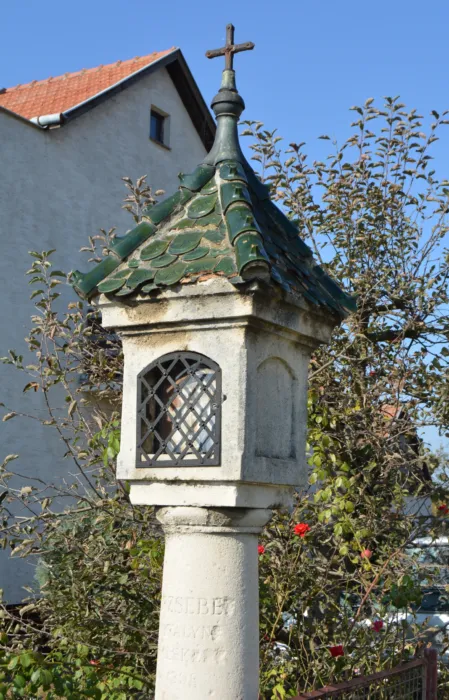
Statue in memory of Queen Elizabeth in Brunóc
Sacral small monument
Elisabeth Amalia Eugenia, also known as Sisi, the beautiful princess from Bavaria who became empress at the age of 17 (1854), conquered the hearts of the Hungarians on her first tour of the country in 1857. ; Elisabeth became acquainted with Hungarian history when she was a bride, and even studied Hungarian regularly from 1863. On her initiative, court life was restored in Buda, and her example made the Hungarian language suitable for court use again. An Austrian empress was a truly extraordinary phenomenon, having read the originals and even loved the novels of Eötvös and Jókai, and who liked not only Heine, but also Vörösmarty, János Arany, and even Petőfi. ; At the coronation ceremony in Buda on June 8, 1867, she appeared in a beautiful Hungarian dress, and now she captivated everyone whose hearts she had not yet conquered. ; “Hungarian Queen? Yes, she was, when her husband was still just “emperor”. We respected her. No! We loved her? That’s not enough. We all had a common love”, Mikszáth wrote about Queen Elizabeth. ; Queen Elizabeth died on September 10, 1898. She was not yet 61 years old when, in Geneva, where she was on a private trip, the anarchist Luigi Lucheni stabbed her in the heart with a sharp file. In broad daylight, around 1:30 in the afternoon, she was on her way from the Beau-Rivage hotel to the ferry terminal on the busy Mont Blanc quay, accompanied by Countess Imre Sztáray, when the assassination took place. ; The death of Europe’s most beautiful queen shocked the world. She had a grand funeral, the Hungarian parliament enshrined her memory in law, and it was mandatory to celebrate it in schools. Public statues were erected in her memory, streets, squares, and a Danube bridge were named after her. Her legend remained alive. ; Mór Jókai wrote about Queen Elizabeth in 1905: "Hungary had a queen of blessed memory, Elizabeth, who during her lifetime was the guardian angel of this country, of the Hungarian nation, and after her death she became its patron saint, whom the Hungarian nation celebrates, whom it prays to, whose memory is immortalized for posterity in bronze and marble statues. Her life was one of love, suffering, and self-sacrifice, her death was a martyr's death: history has written it down on its bronze tablets as a terrible deed. We can only find solace in our faith over her loss, that the glorious spirit that has departed is up there in heaven, before the throne of God, protecting our good homeland, our dear nation, and interpreting our wishes." ; The image column erected in memory of Queen Elizabeth of Brünóc stands in the courtyard of house number 151. ; The image column, ending in a pyramidal cap, is crowned with a cross. Under the pyramidal cap, which is probably covered with Zsolnay pyrogranite glazed tiles, there is a niche with an arched opening and a latticework, in which a picture of a Madonna is placed. The inscription: In memory of Queen Elizabeth 1898. The year certainly indicates the year of the queen's death, not the time when the column was erected.