
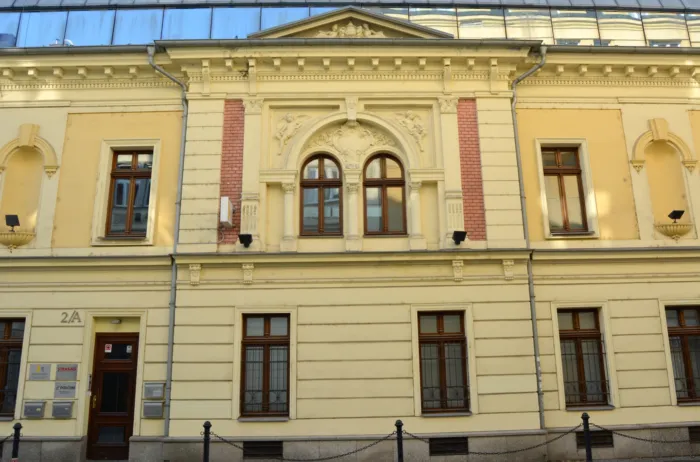
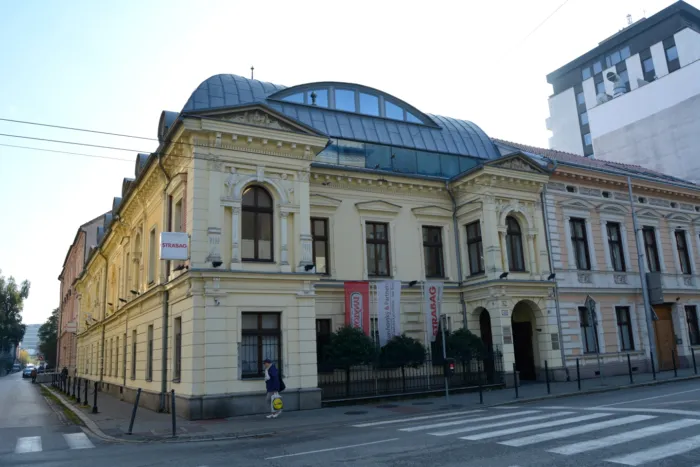
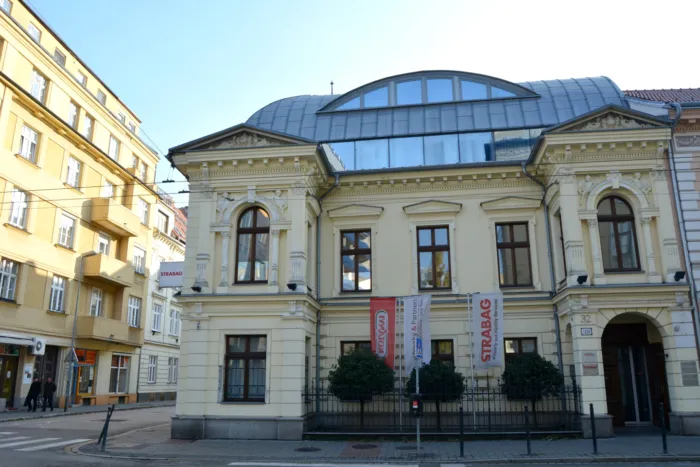
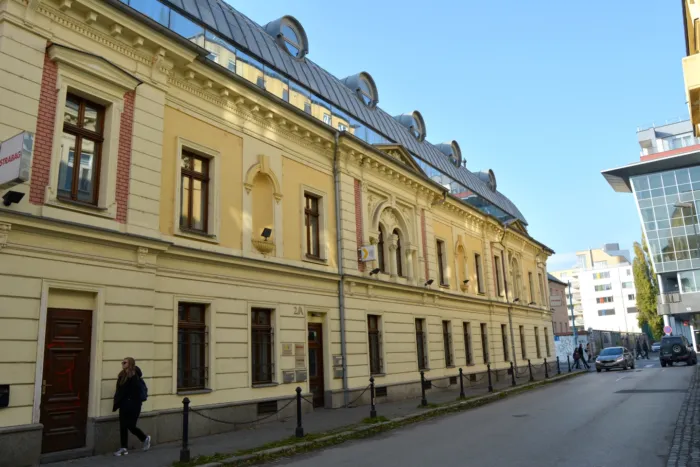
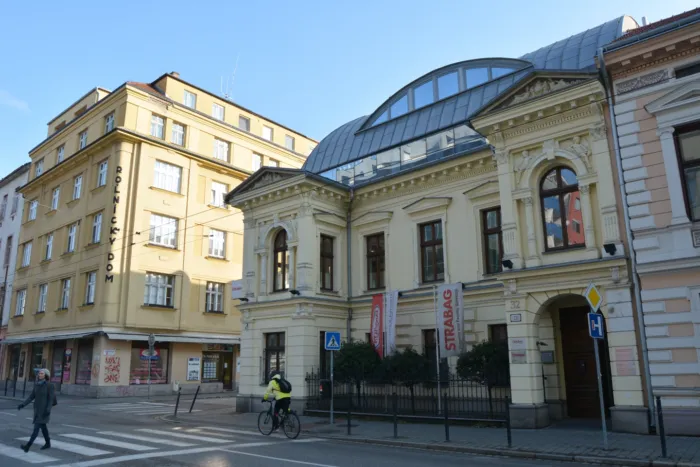
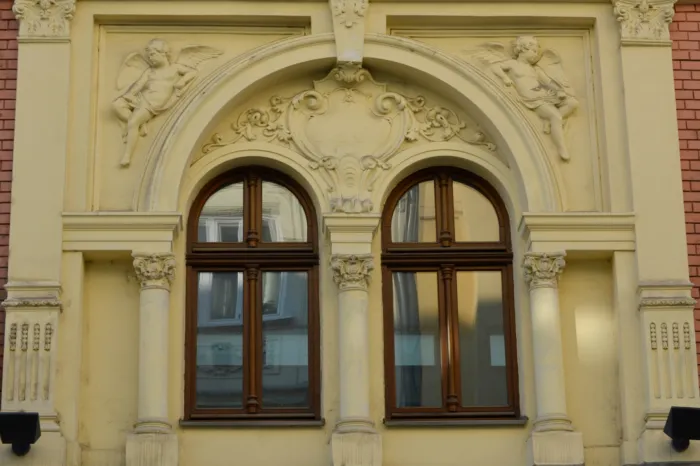
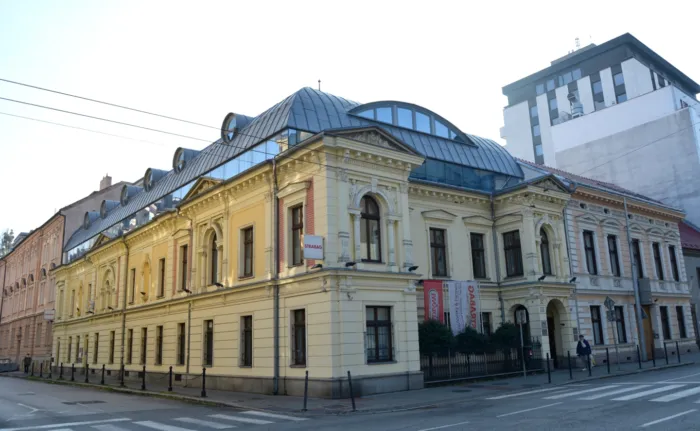
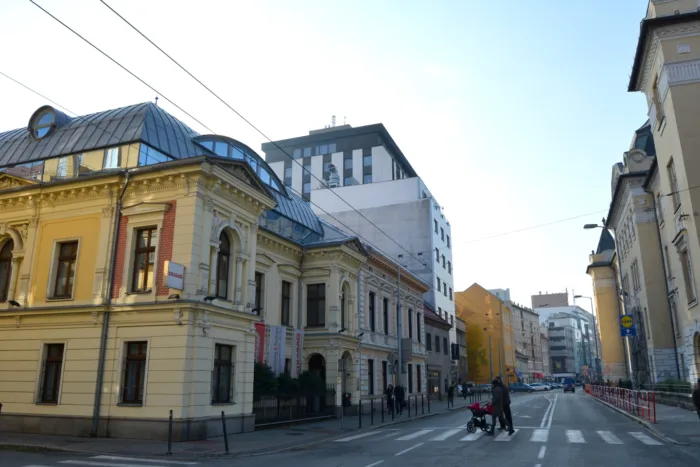
Kempelen Wolf's house
Building, structure
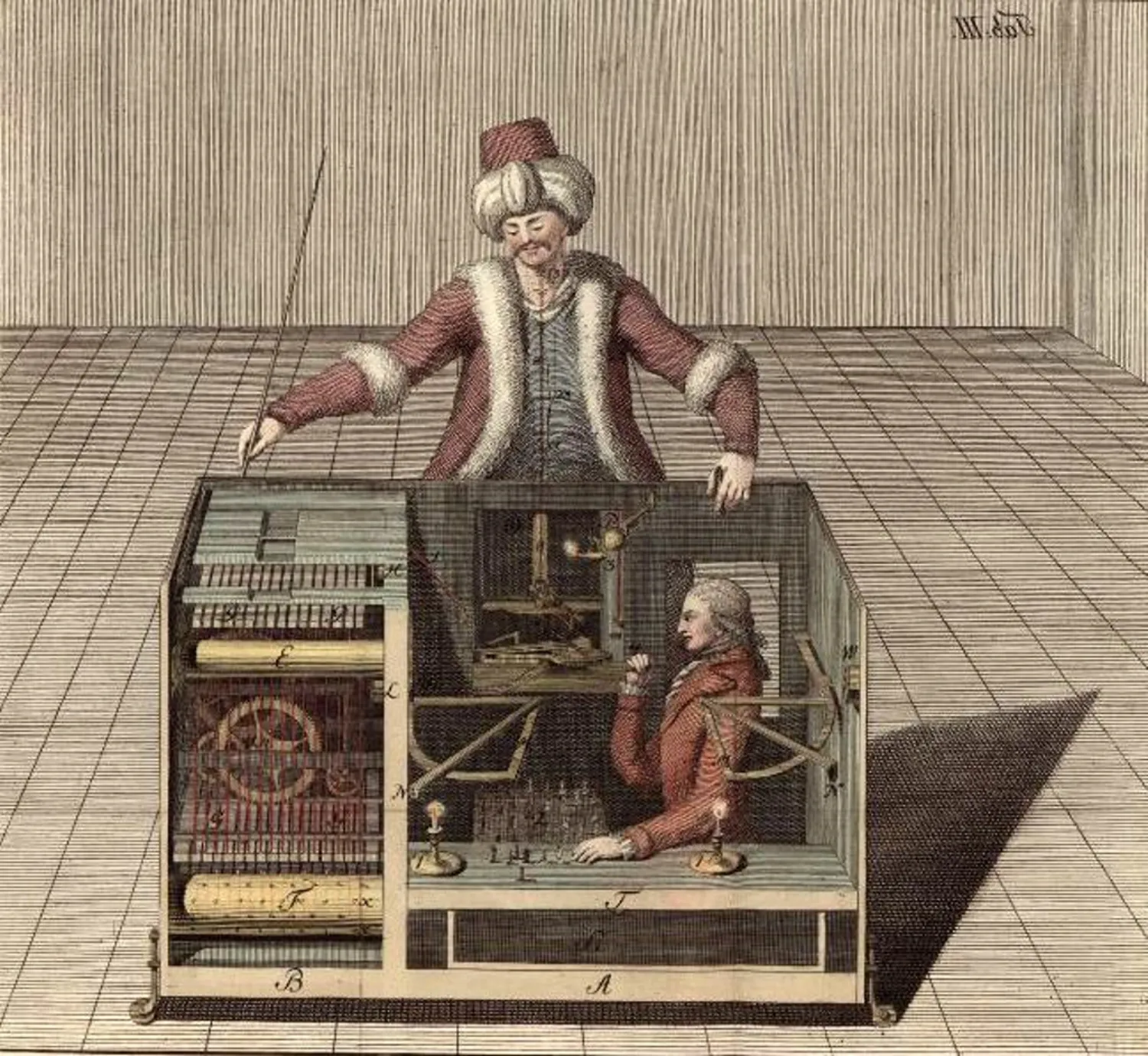
According to legend, the house of the inventor Farkas Kempelen, known as the "great wizard", stands on the corner of Duna Street and Kempelen Farkas-street (Klemens Street), in which he lived and created. ; The child of immigrant parents of Irish origin, he was born on January 23, 1734 in Bratislava. His father, Engelbert Kempelen, was a 30-year-old, and his mother, Anna Spindler, a patrician (bourgeois) girl. His older brother, János, entered a military career. ; He completed his studies in his hometown, then in Győr, Vienna and Rome. He studied philosophy and law. He was one of the last polymaths, proficient in the arts, natural sciences and engineering, spoke and wrote poetry in eight languages, and also served the Habsburgs as a diligent official. ; At the age of twenty-one, he translated Maria Theresa's code of laws from Latin into German, at the age of 23 he became a court councilor, and at the age of 25 he became the inspector of the Hungarian salt mines. In 1767, as a government commissioner, he supervised the settlement of Bácska, and contributed to the construction of the Bratislava pontoon bridge. He designed the aqueduct of the Bratislava Castle, the fountain system of the Schönbrunn Palace, solved the water supply of the Buda Castle, and was involved in the construction of a Sava-Adriatic Canal. He prepared the plans for the Buda Castle Theatre and supervised its construction. He also dealt with copper engraving, and from 1789 he was a member of the Vienna Academy of Arts. ; He perfected the steam engine, constructed the ancestor of the turbine, constructed a typewriter for the blind, and made a movable sickbed for the empress who had contracted smallpox, perhaps this is also why he was elevated to the rank of nobleman. In 1798, after 43 years of service, he was retired and made a Knight of the Holy Roman Empire. He lived an exemplary family life with his faithful companion Anna Maria Gobelius. ; At the end of his life, Emperor Francis I - perhaps because he found him suspicious due to his Jacobin connections - withdrew his annuities, so one of the most brilliant minds of the 18th century died in poverty on March 26, 1804 in Vienna. ; Of his countless inventions, his talking machine and chess-playing automaton impressed his contemporaries the most. In 1791, Kempelen published his study The Mechanism of Human Speech, with which he laid the foundation for scientific phonetics. To prove his theory, he spent twenty-two years creating a machine that imitated the operation of the vocal organs and spoke in a child's voice. ; His chess machine, which he called a child's game, a mechanical joke, became the greatest sensation of its time. The human figure, presented in 1769, dressed as a Turk, sat on a chair behind a low cabinet and played on a chessboard in front of him. The machine, which traveled the world, defeated opponents such as Napoleon, King Frederick II of Prussia and Edgar Allan Poe. The machine complained if its partner made an illegal move. There was a dwarf hiding in the machine (this has now been proven), but he was able to hide the player with such ingenious mechanical and optical tricks that when the doors were opened, only gears were visible. No one was able to reveal the secret during Kempelen's lifetime, and the structure burned down in 1854.