
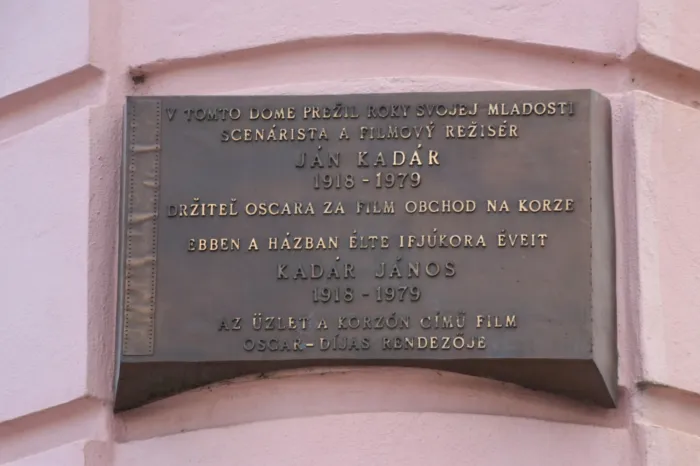
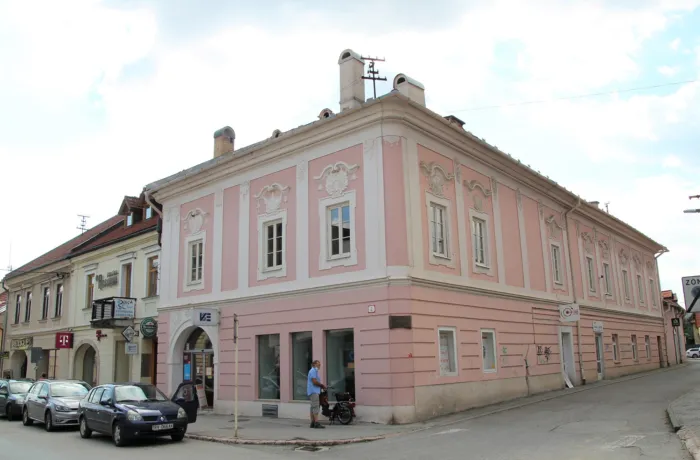
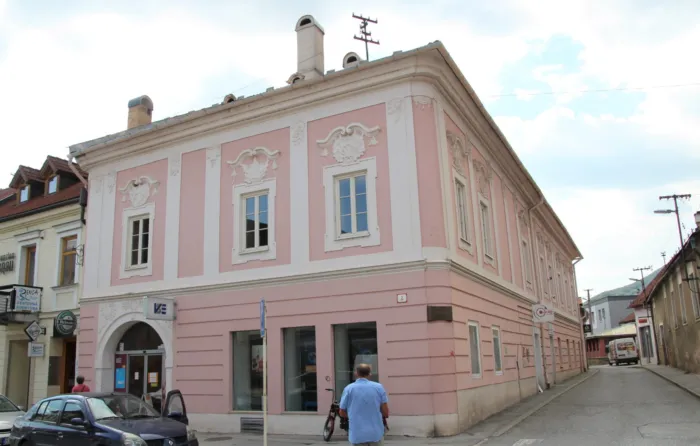
Memorial plaque for film director János Kadár
Statue, monument, memorial plaque
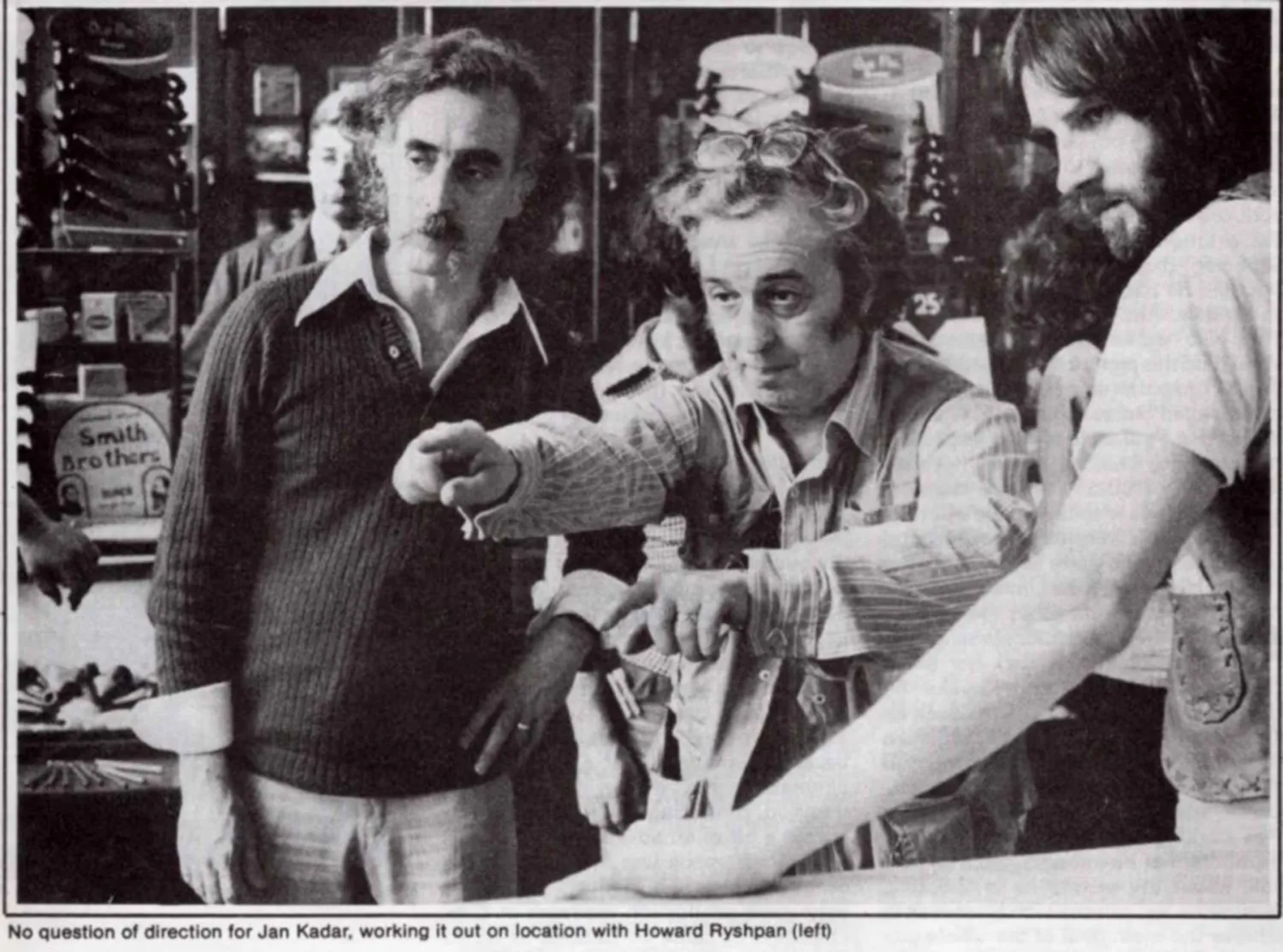
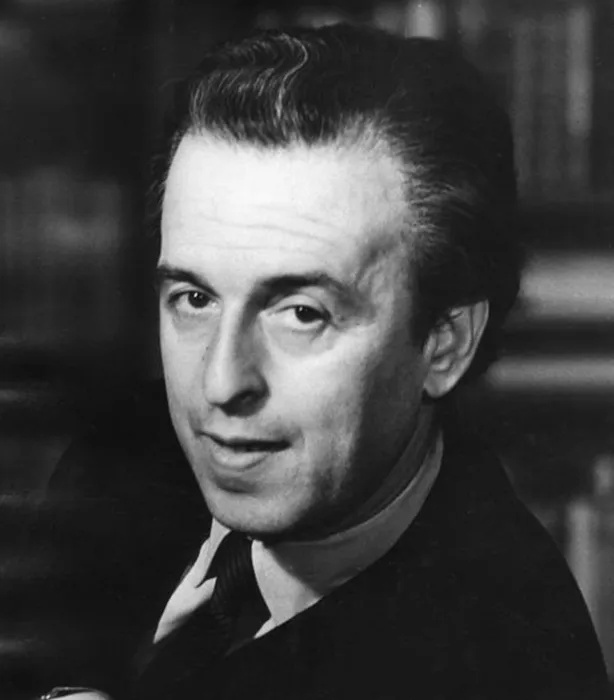
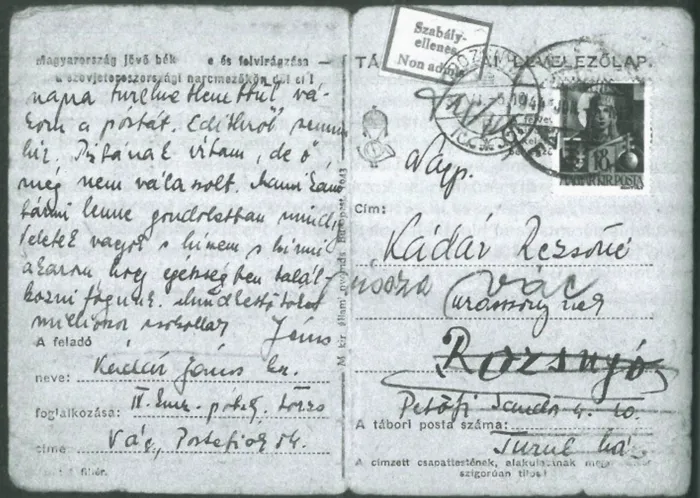
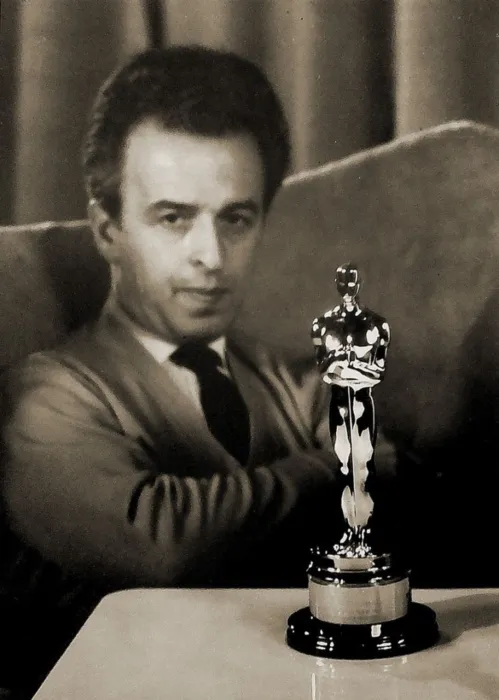
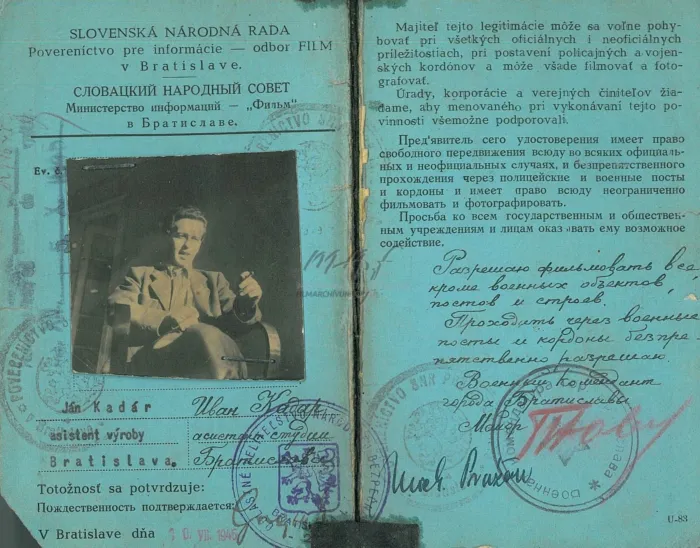
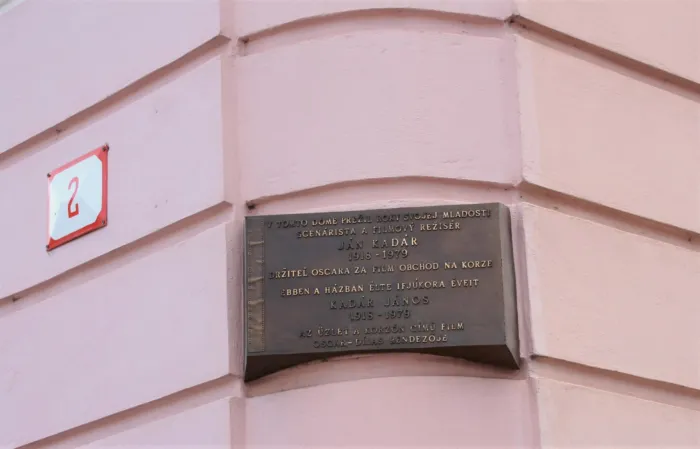
According to those who knew him personally, János Kadár's memorial plaque was placed on the wall of the Rococo-style house opposite the medical school in 2005. ; Ján Kadár was born as János Kadár in Budapest on April 1, 1918, in the last year of the Austro-Hungarian Monarchy, into a family with Jewish, Hungarian and Slovak roots. ; He spent his childhood in the newly formed Czechoslovakia, in the multi-ethnic Rožňov (his father worked as a lawyer in the city until the outbreak of World War II). His personal life and film work were also determined by his diverse, Central European and American cultural embedding and identity. ; After graduating from high school, he studied law, but left Charles University in Prague after two years to study at the Photography and Film School in Bratislava, which was one of the first, short-lived film education institutions in Europe. In 1938, with the first Vienna decision, Rozsnyó came under Hungarian rule again, and since the scope of Hungarian Jewish laws extended to the new territories, Kadár soon found himself in a labor camp in Vác. His parents, sister and her children were deported to Auschwitz, from where no one returned. ; He returned to Bratislava in 1945, he made the first documentary film, Life Grows Out of the Ruins, he worked as an assistant, and wrote scripts. He shot his first feature film (Katka) in 1950. After the war, he met the Czech director Elmar Kloss, who was eight years older than him and was the general secretary of the film association at the time. They soon discovered that they were interested in similar themes and could cooperate effectively in their realization. Their first film together was The Kidnappers (1952), and they formed a successful tandem for 17 years. They worked according to a unique division of labor: they jointly searched for themes and wrote the script, Kadár was responsible for filming and directing the actors, and Klosé for organizing. ; Their first works did not please the decision-makers. In 1958, their satirical comedy Three Wishes, which criticized the cult of personality, was banned, and they were banned from filming for five years, during which time they worked in the theater. After their return, they made their three most important joint works. The Name of Death Engelchen (1963) was about the Slovak partisan movement, The Accused (1964) was a showdown with Stalinism, and Business on the Main Street (1965), a stirring story of a small-town deportation, won an Oscar in 1965. In 1968, they wanted to film a new adaptation of Lajos Zilahy's novel Valamit visz, but due to Kadár's emigration, the film was finished without him (The Desire is Called Anada, 1969). ; As a professor at the legendary Czechoslovak film school, FAMU, Kadár taught the defining figures of the Czech New Wave. After the Soviet invasion of Czechoslovakia in 1968 and the suppression of the Prague Spring, Kadár, like other prominent Czech film creators, emigrated overseas, made his further films in the USA and Canada and became a professor at the American Film Institute in Los Angeles. ; The director, who emigrated several times (from Slovakia to the Czech Republic, from there to overseas), had his career interrupted twice by history: World War II and the 1968 invasion. He attended three universities, but never completed any of them, becoming a self-made man and a defining figure in Czech and Canadian cinema. He directed a total of 16 feature films. He made a film based on Malamud's script starring Harry Belafonte (Angel Levine, 1970), and won a Golden Globe Award for My Father's Lies (1975). In 1969, The New York Times selected him among the world's 50 leading film personalities. Yet, when he died in Los Angeles at the age of 61 after a short illness, according to an obituary published in Hungary, he remained an outsider in Hollywood despite the awards and important positions he held. ; After his death, some of the director's personal documents went to Lászlón Ranódy, who donated them to the Film Archive in 1980. ; The story of Kadár's legacy, which is Slovak to the Czechs, Hungarian to the Slovaks, and Eastern European to the Americans, continued in a typical way: the Hungarian Film Archive would have gladly passed on the documents to the Czechoslovak Film Archive, saying that this material was more valuable to them, since Kadár "became known and awarded primarily as a Czechoslovak director." For some reason, the transfer did not take place, so these documents are still kept in the Budapest archive's special library, from Ján Kadár's party membership book to his film ID. Just as at the 2017 Classic Film Marathon, among directors of Hungarian origin who have achieved success abroad, his restored masterpiece Business on the Promenade was screened, which critics still consider one of the best Czechoslovak films.