
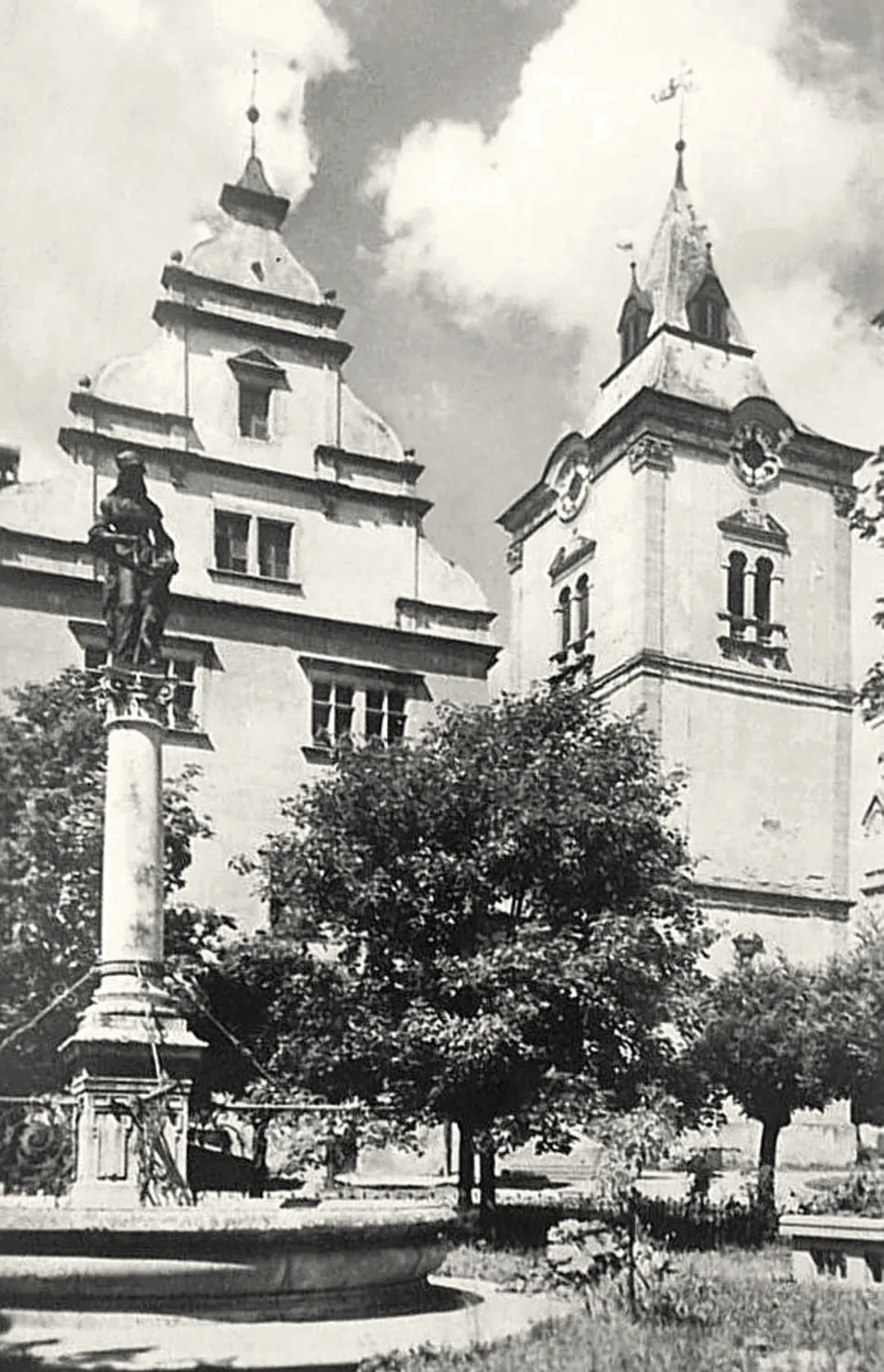
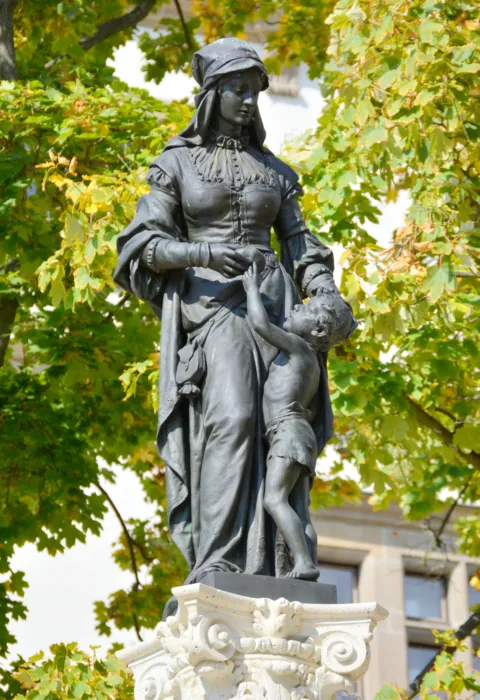
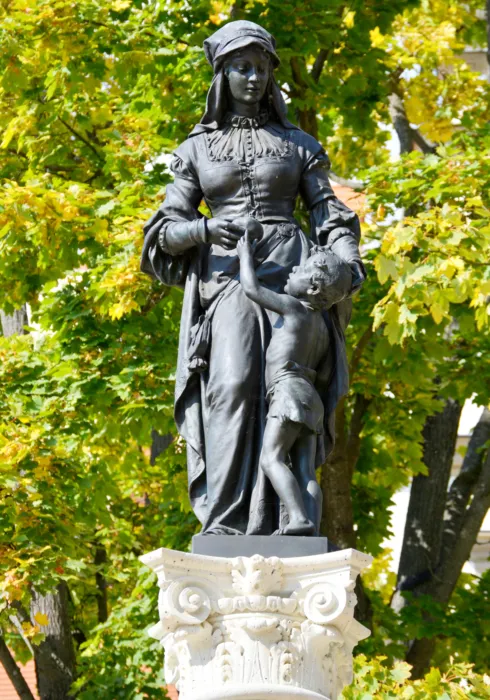
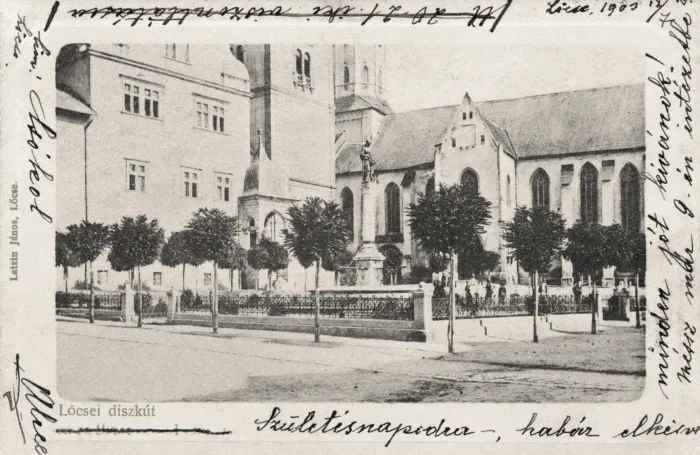
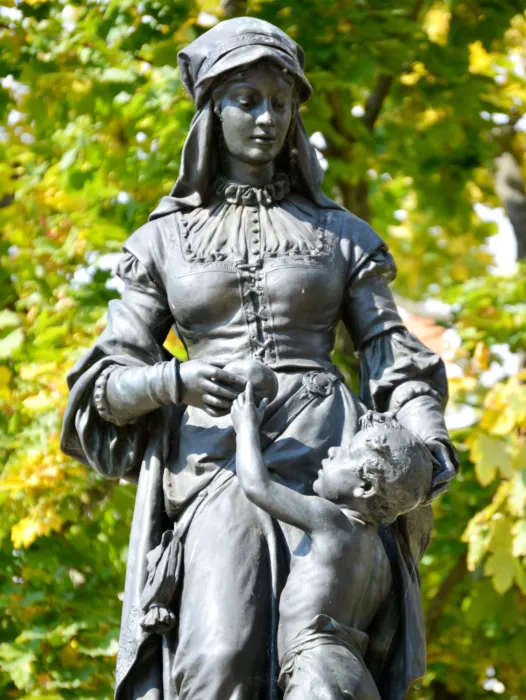
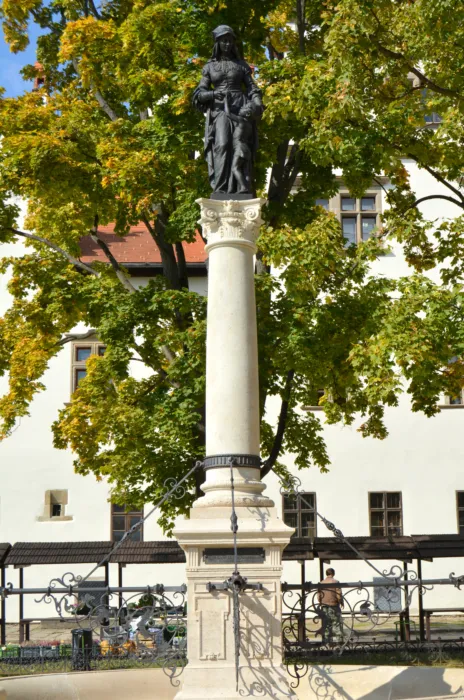
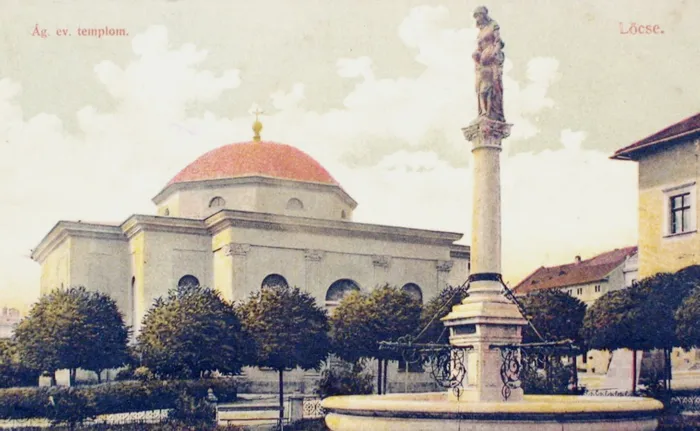
Fountain of Charity (Mother and Child)
Statue, monument, memorial plaque
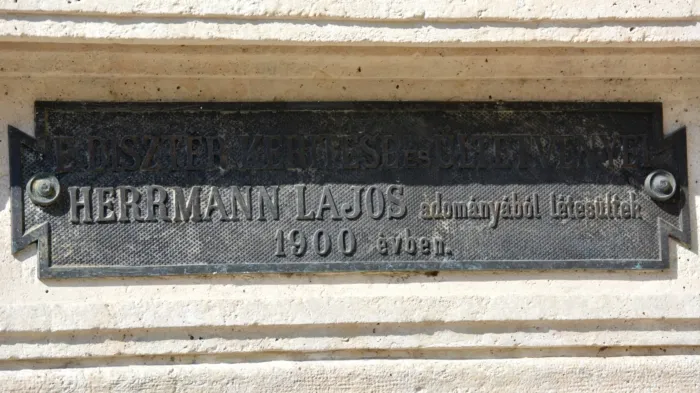
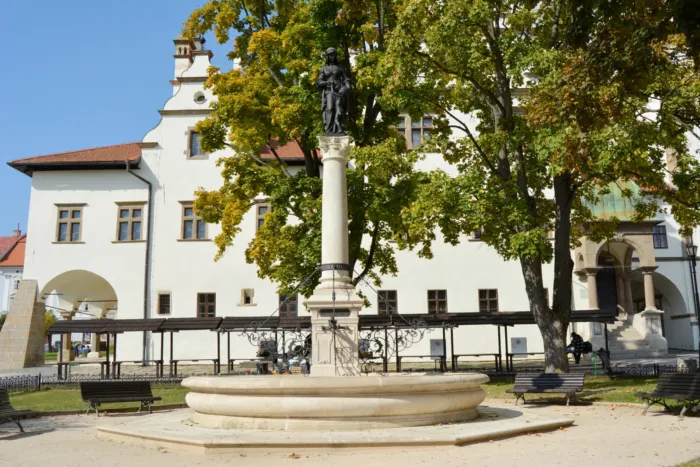
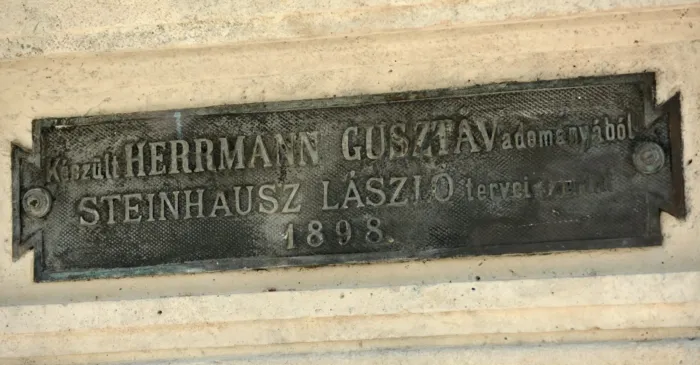
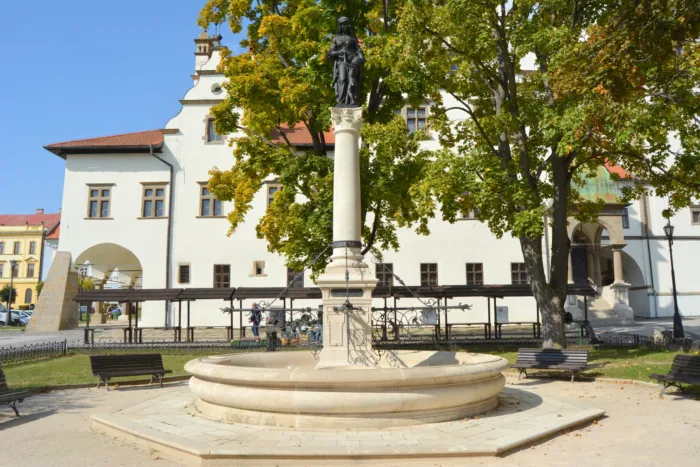
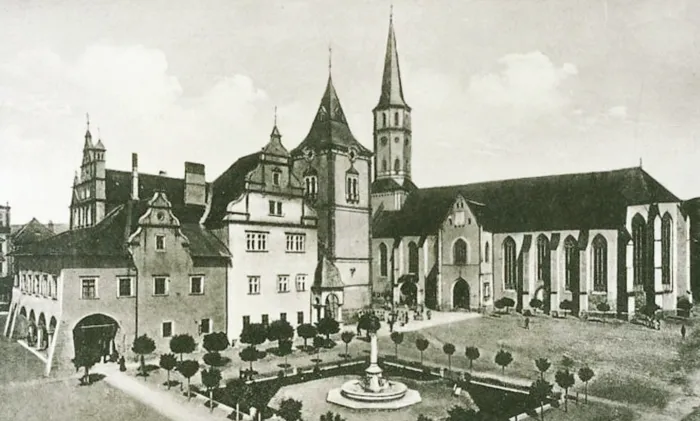
The fountain stands next to the Old Town Hall, now the Szeged Museum, on top of a 4–5-meter-high column. The work was built with the donation of Herrmann Gusztáv based on the plans of László Steinhausz. ; Herrmann Gusztáv 1817–1898, great patron of the city of Levoča and the Evangelical congregation, honorary citizen of the city. A wholesale merchant and entrepreneur, he spent his considerable fortune on the development of Levoča. ; Herrmann Gusztáv was born in Bánya Beszterce, and was involved in the spice trade. He was a great patron of the city, mainly supporting schools and healthcare. One third of the Levoča hospital was built with his donation. The surgery department was the best-equipped department in Hungary at that time. He also had the city water supply, orphanage, girls' school and the cemetery chapel built. The "Charity" fountain in front of the Town Hall was built with his financial help. Out of gratitude, the citizens of Levoča named a street after him during his lifetime, the one that leads from the city center to the cemetery. In recognition of his merits, Franz Joseph I, Emperor of the Austro-Hungarian Monarchy, awarded him the Knight's Cross. His ashes rest under the floor of the foyer of the Lutheran cemetery chapel. ; The father of architect László Steinhausz ((1854–1908), Rudolf, was also the city's master builder, and was also a follower of Lajos Kossuth, and a friend of Artúr Görgei - the latter connection explains why the general from Világos stayed with him after the famous military ball in Igló, on his way to the Branyiszkoi Pass. The younger Steinhausz worked under Frigyes Schulek and Imre Steindl, designed the parish church in Csútőröthely dedicated to Saint László, participated in the renovation of the cathedrals in Košice and Oradea, and in 1885 Stendl became the construction manager for the construction of the Hungarian Parliament Building, and finally took over the management of the works there. He was laid to rest in Levoča in 1908.