
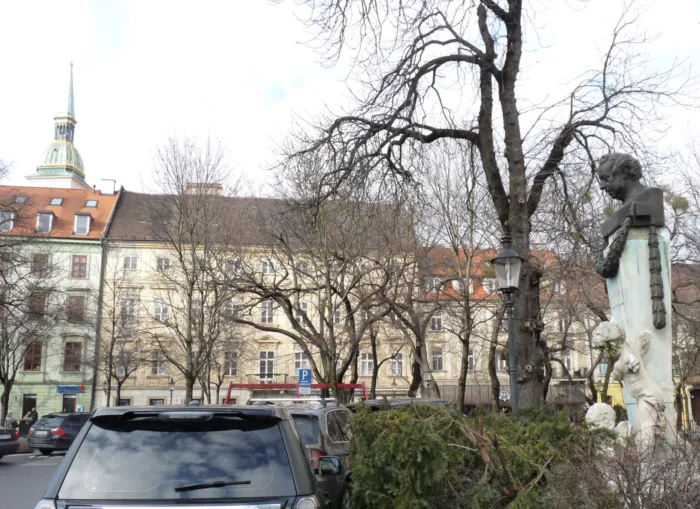
Statue of Johann Nepomuk Hummel
Statue, monument, memorial plaque
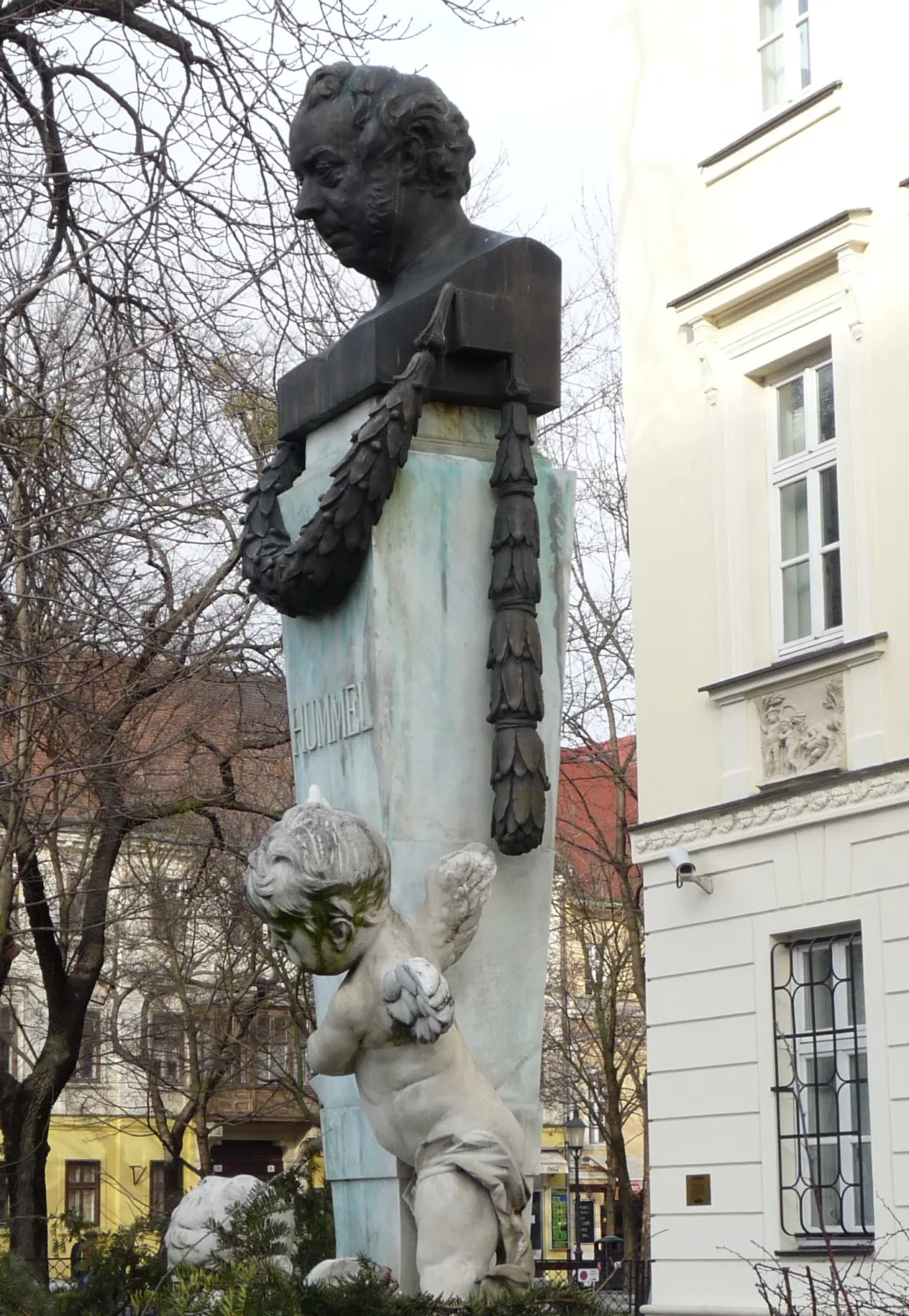
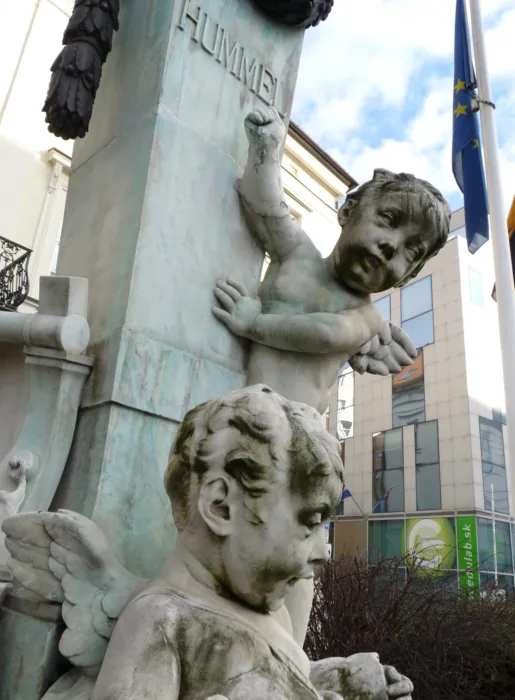
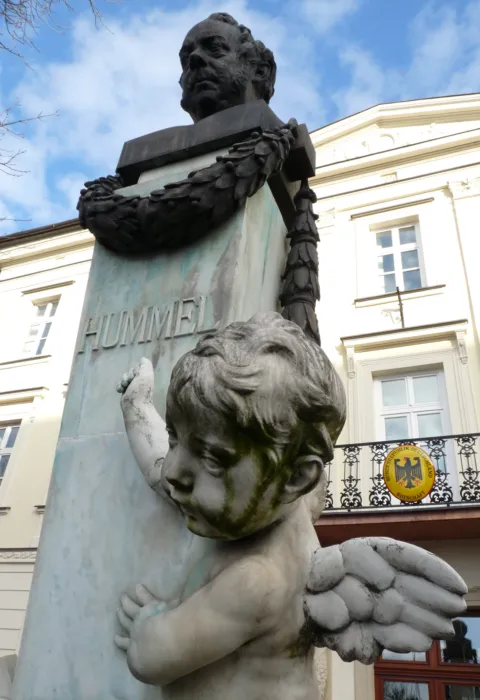
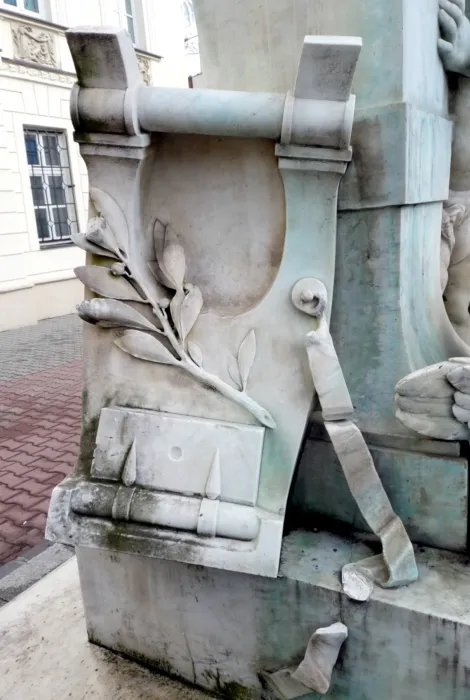
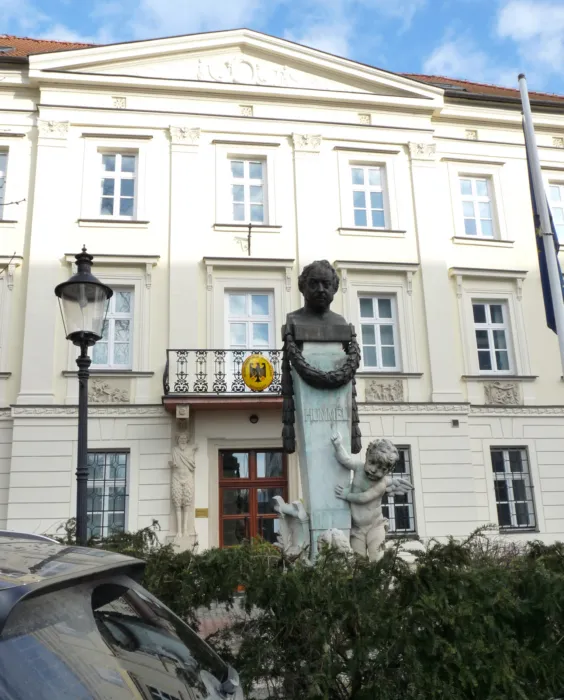
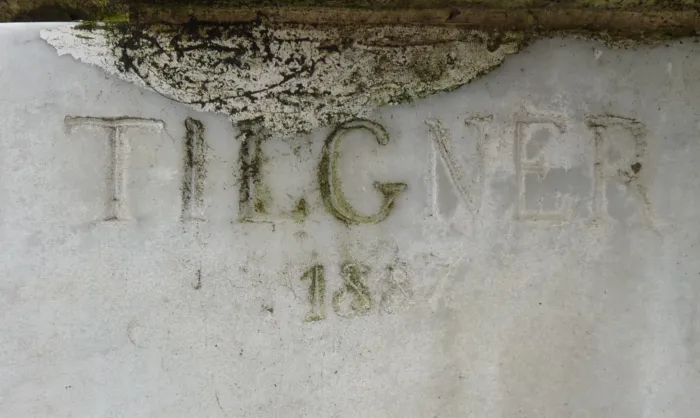
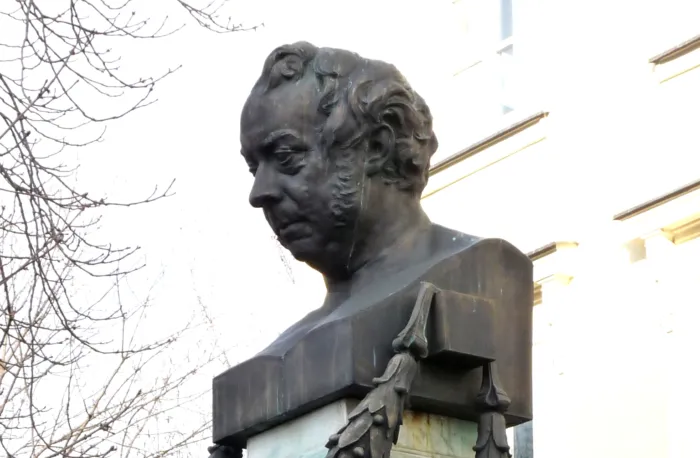
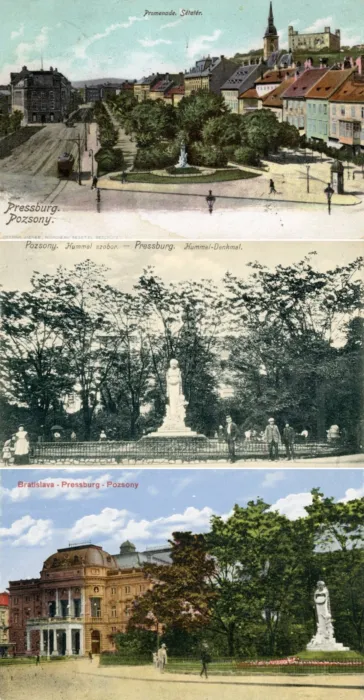
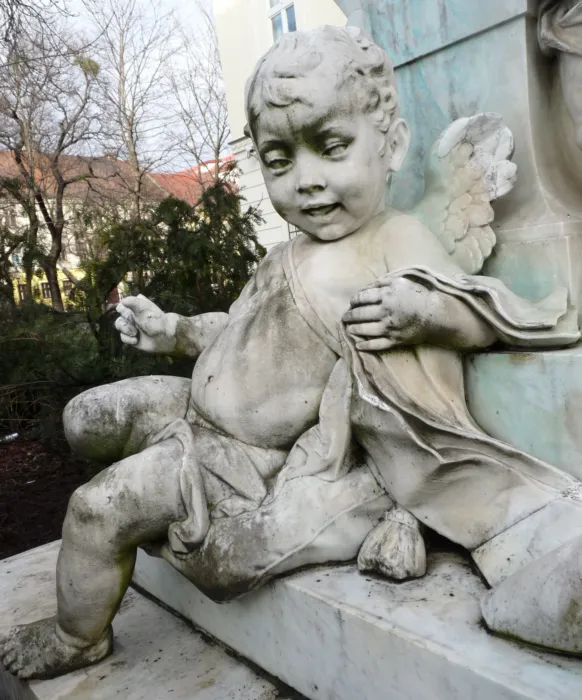
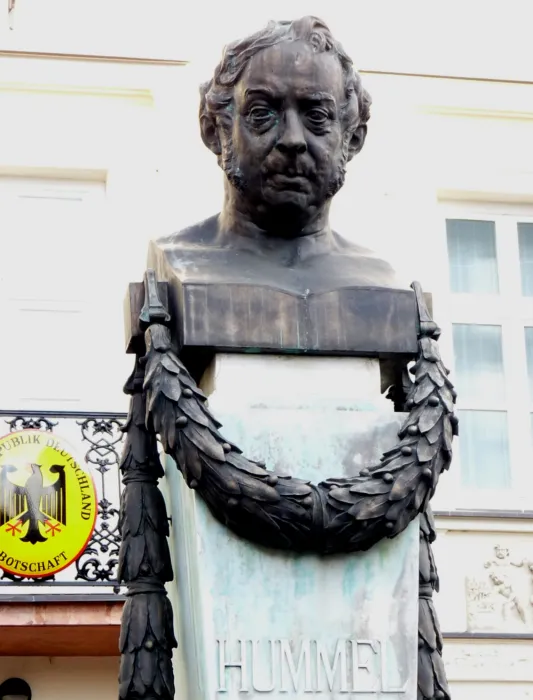
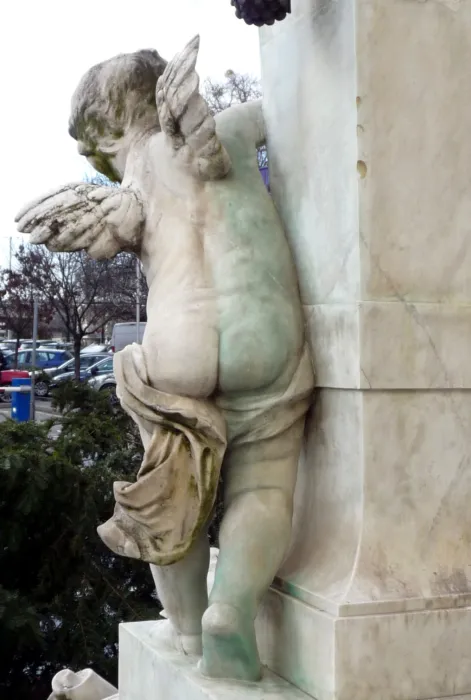
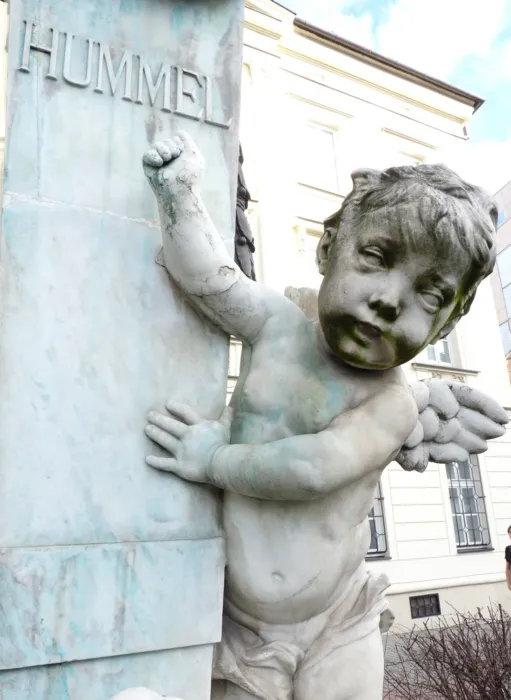
The erection of the statue of the famous Bratislava-born composer Johann Nepomuk Hummel (1778-1837) was initiated by the city's Freemasonry lodge, the Silence (Zur Verschwiegenheit), in 1878, on the occasion of the celebrations organized for the centenary of the composer's birth. J. N. Hummel himself was a Freemason, a member of the Amália lodge operating in Weimar. The organizational tasks related to the erection of the statue were managed by János Batka, a member of the Silence lodge and the archivist of the city of Bratislava. The construction of the monument was undertaken by Viktor Tilgner, who was born in Bratislava. The lodge financed part of the costs from its own financial resources and also operated a separate fund for the benefit of the erection of the statue. An art exhibition was organized for the Hummel Memorial Statue Fund in 1883, but support also came from renowned European artists. Anton Rubinstein, Hans von Bülow, Géza Zichy and the world-famous Franz Liszt also performed concerts in Bratislava in support of the Hummel statue. The statue was inaugurated in the autumn of 1887, but could not remain in its original location, Kossuth Lajos Square, for long. In the spring of 1911, it had to give way to the Petőfi statue, so it was moved to the “small promenade”, the park in front of Notre Dame Church, next to the Vigadó (Redut). After World War II, due to the placement of the Victory statue (won by the Red Army), the Hummel monument was moved in front of the Nestor Palace, then to the garden of the Grassalkovich Palace, where it was damaged several times. Finally, it was dismantled towards the end of the 1990s and was only re-placed in 2005 in front of the Nestor Palace, which now houses the German embassy.