
House of the Good Shepherd
Building, structure
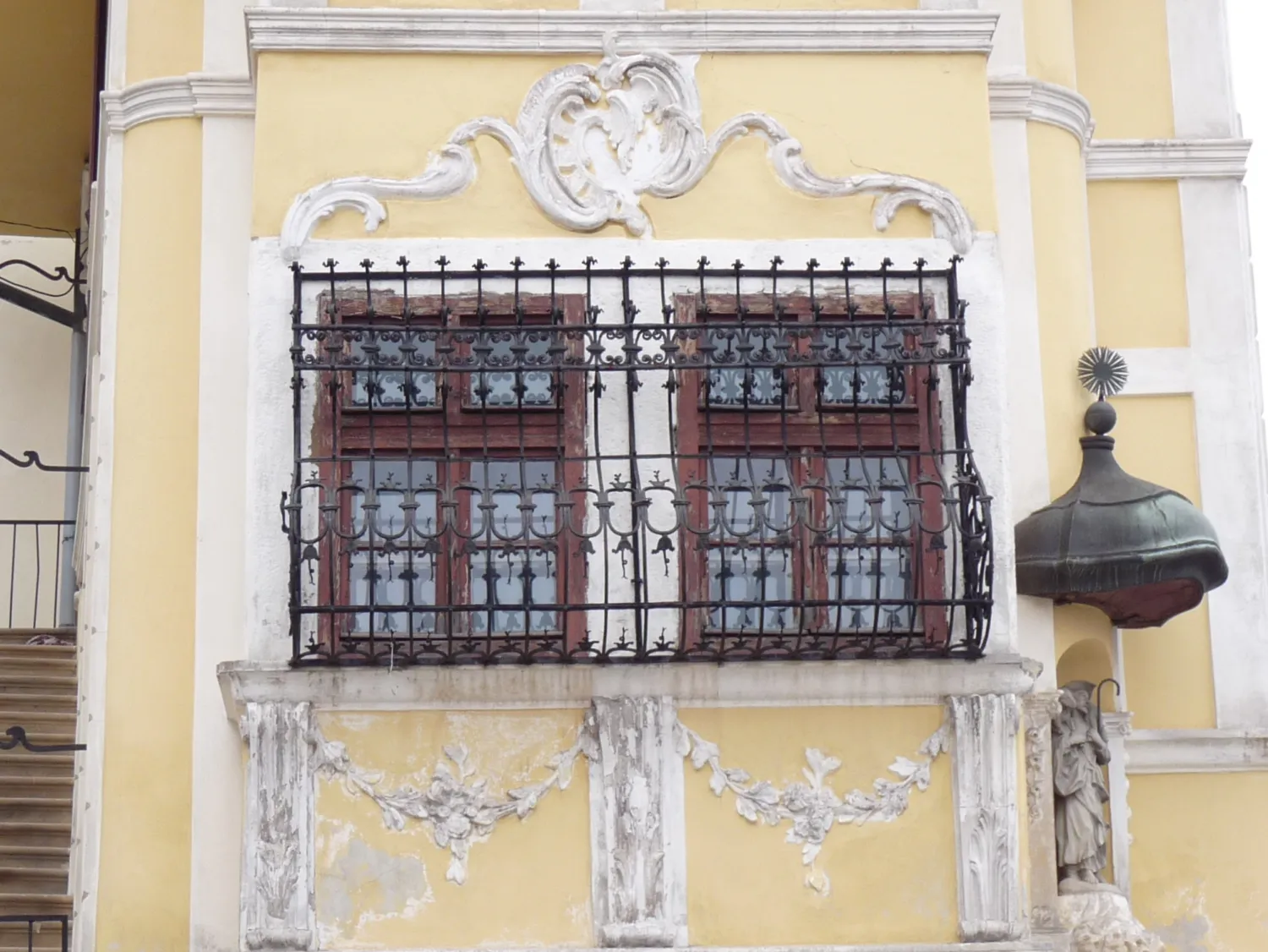
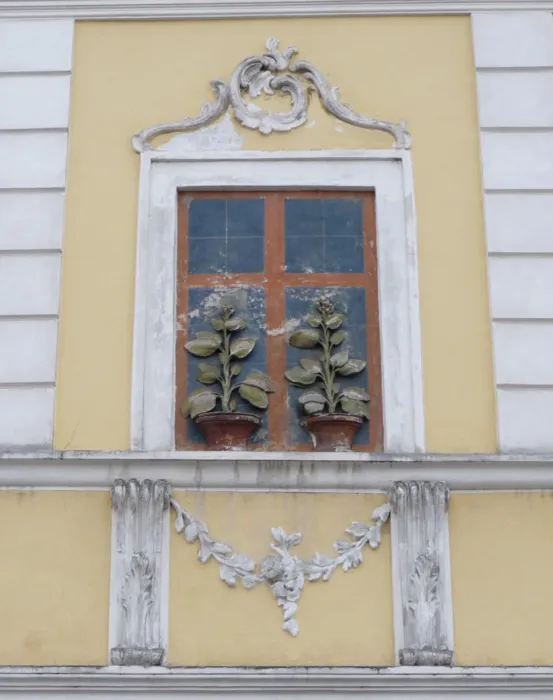
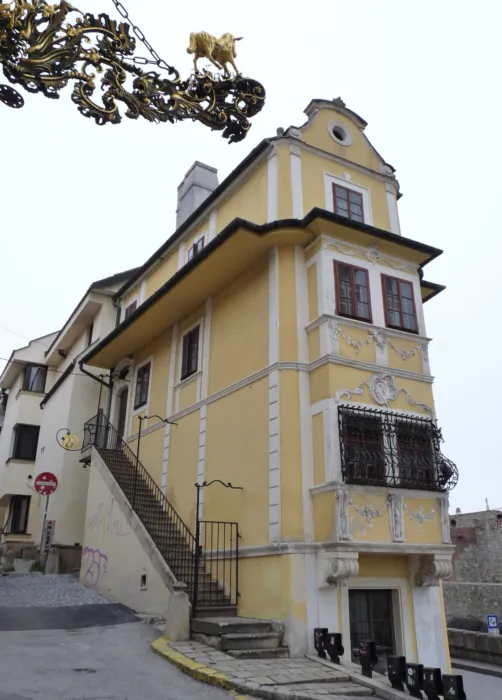
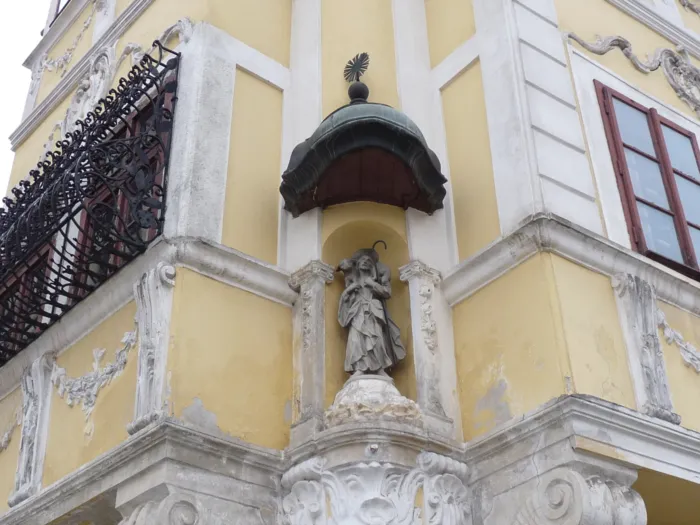
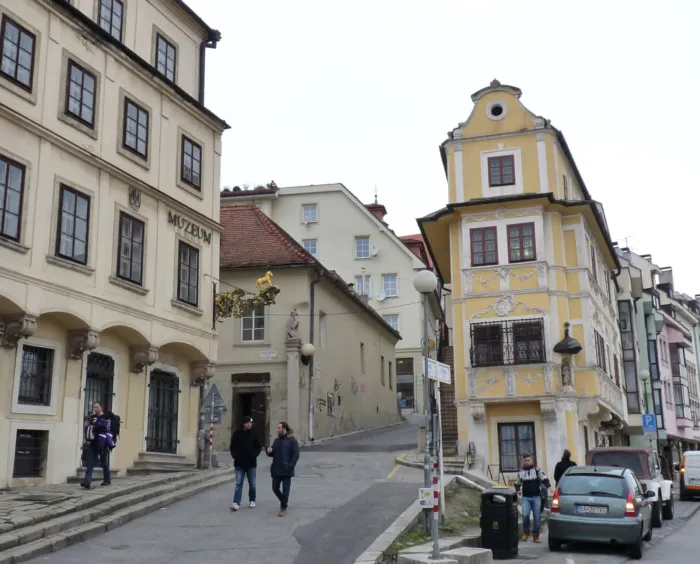
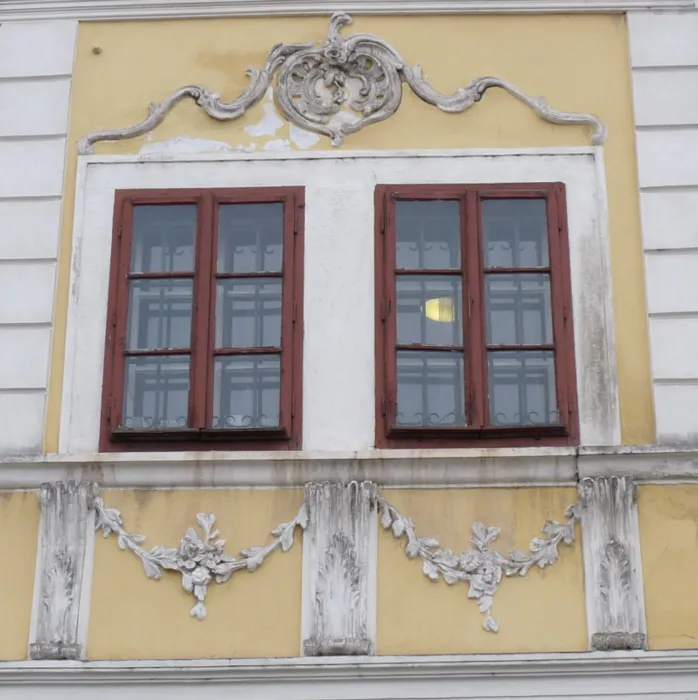
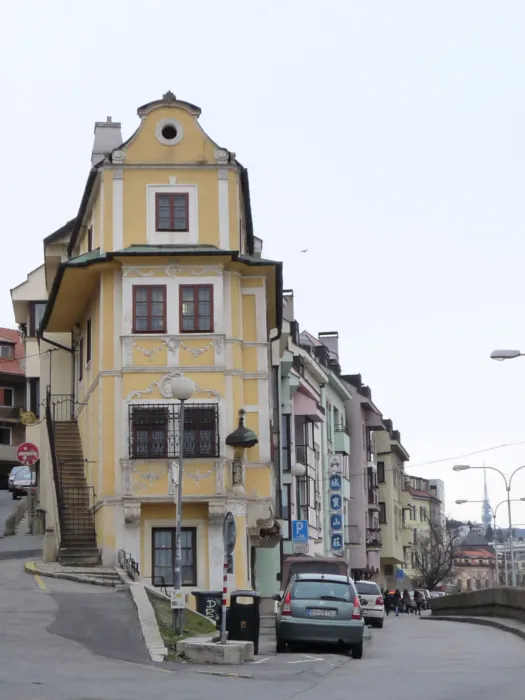
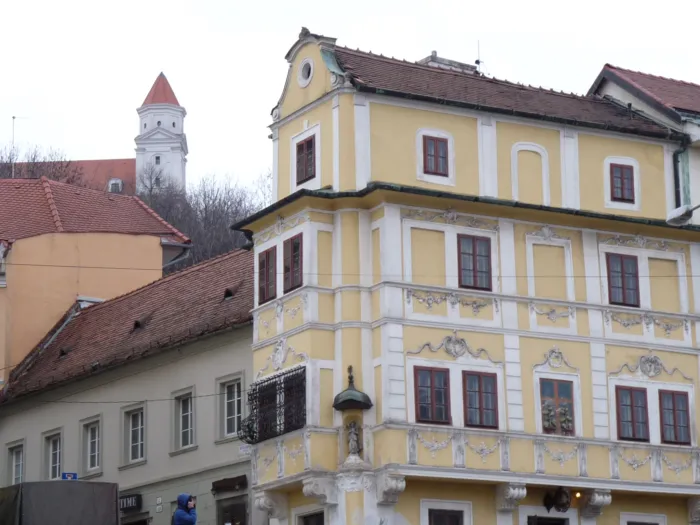
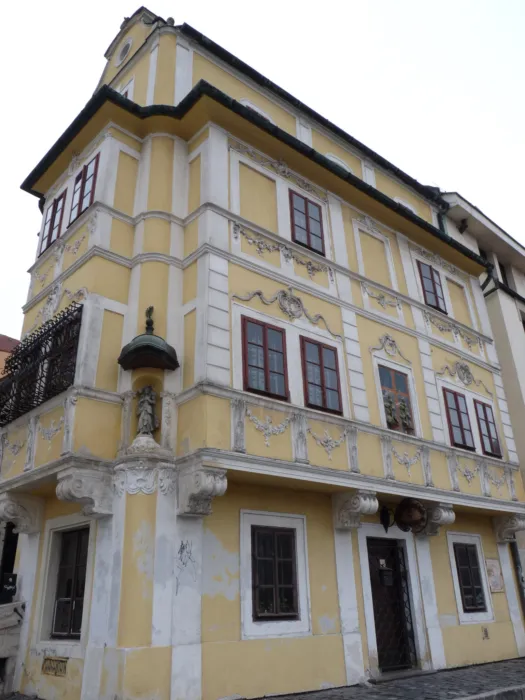
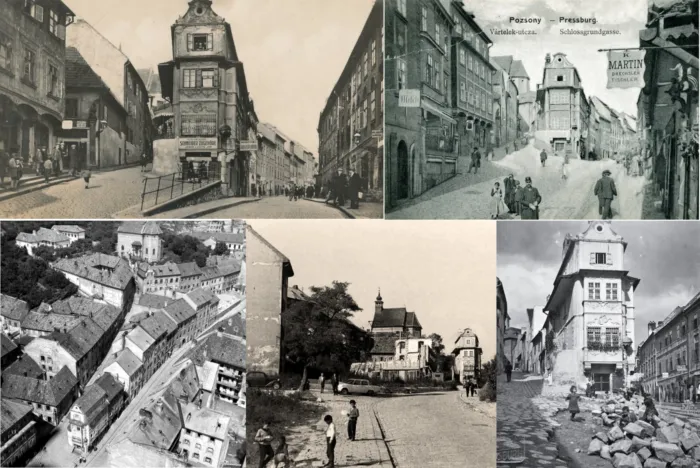
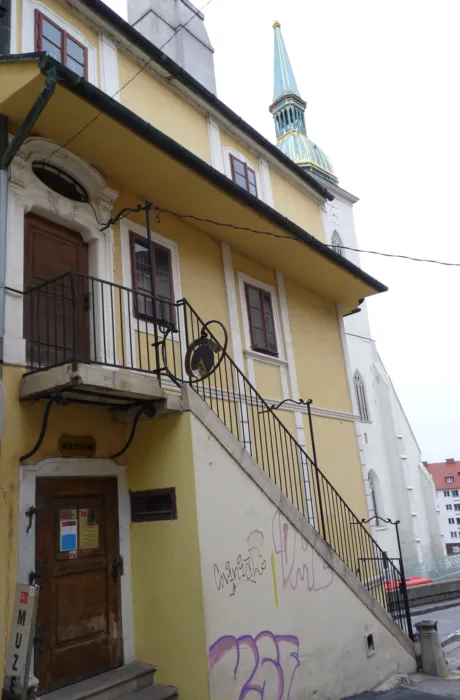
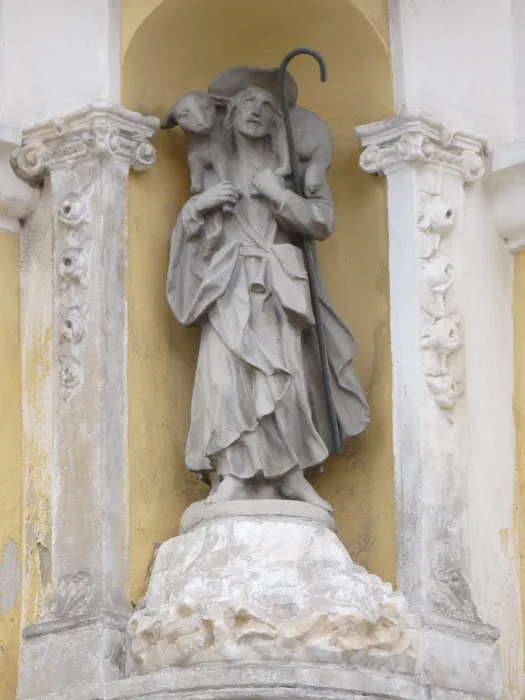
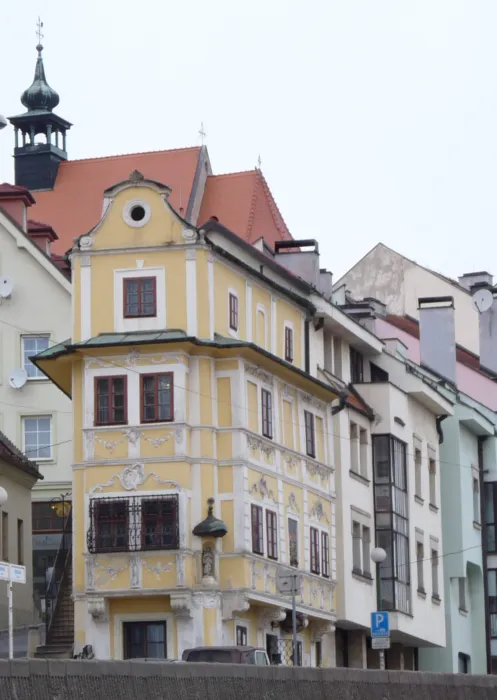
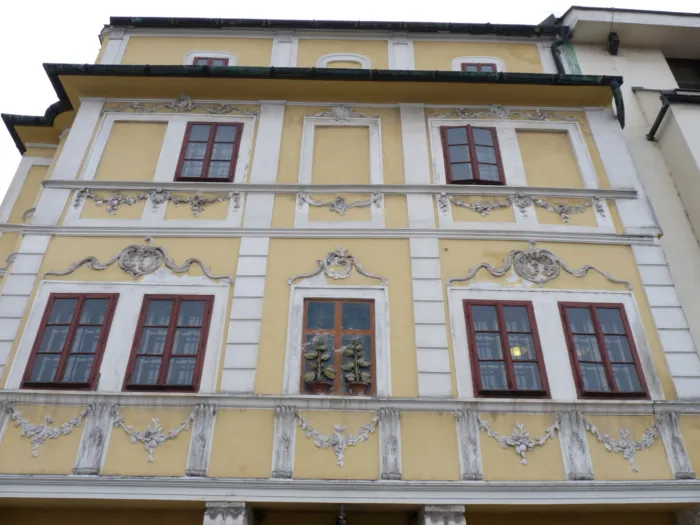
It was built by local master builder Matthew Höllrigl, who also participated in the construction of the Mirbach Palace five years later. ; The neighborhood with its unique atmosphere lost its character during the construction of the New Bridge in the 1960s, when the surrounding historic part of the city was demolished. One of the few surviving buildings is the House of the Good Shepherd, located at the beginning of the streets winding up to the Castle Hill. ; The four-story palace - one of the most beautiful Rococo monuments of the Slovak capital - was built on a narrow, trapezoidal corner plot marked by the route of the streets, so its southern side is only 1 room + 1 staircase wide. It got its name from the statue placed in the southeast corner of the house, at the height of the first floor, which depicts Jesus Christ as the Good Shepherd. The ground floor of the building housed trade, while the upper floors were used for residential purposes. Its plaster decorations and wrought iron window grilles are particularly beautiful. ; Lajos Kemény writes about the building in his book: “From the point of view of architectural interest, we must remember the charming little rococo house, which is wedged between the two streets at the junction of Miklós Street as the so-called “Spitzhaus”. The brilliant master builder provided the entire width of the facade with a balcony resting on huge volute consoles running along the two floors. He richly decorated the false windows under and above the windows with stucco decorations, placing flower pots patterned with striking naturalism in relief between the windows. A lovely decoration was placed in the corner, under the ceiling, with the statue of the “Good Shepherd”. Dr. Weyde Gizella through a comparison of styles, he came to the conclusion that the building was the work of master builder Lipót Huber, who used similar flowerpot reliefs in his plans for the “Notre Dame” convent that were not implemented and who capriciously placed a third floor above the cornice on both buildings.” ; Since its restoration as a historic monument in 1975, it has been used by the Bratislava City Museum: it houses a permanent exhibition on the watchmaking craft of Bratislava, which was very famous and developed in the modern era. There is a restaurant in its eastern, ground-floor rooms and in its cellar. The building can best be approached on foot by descending from Castle Hill.