
James' Palace
Building, structure
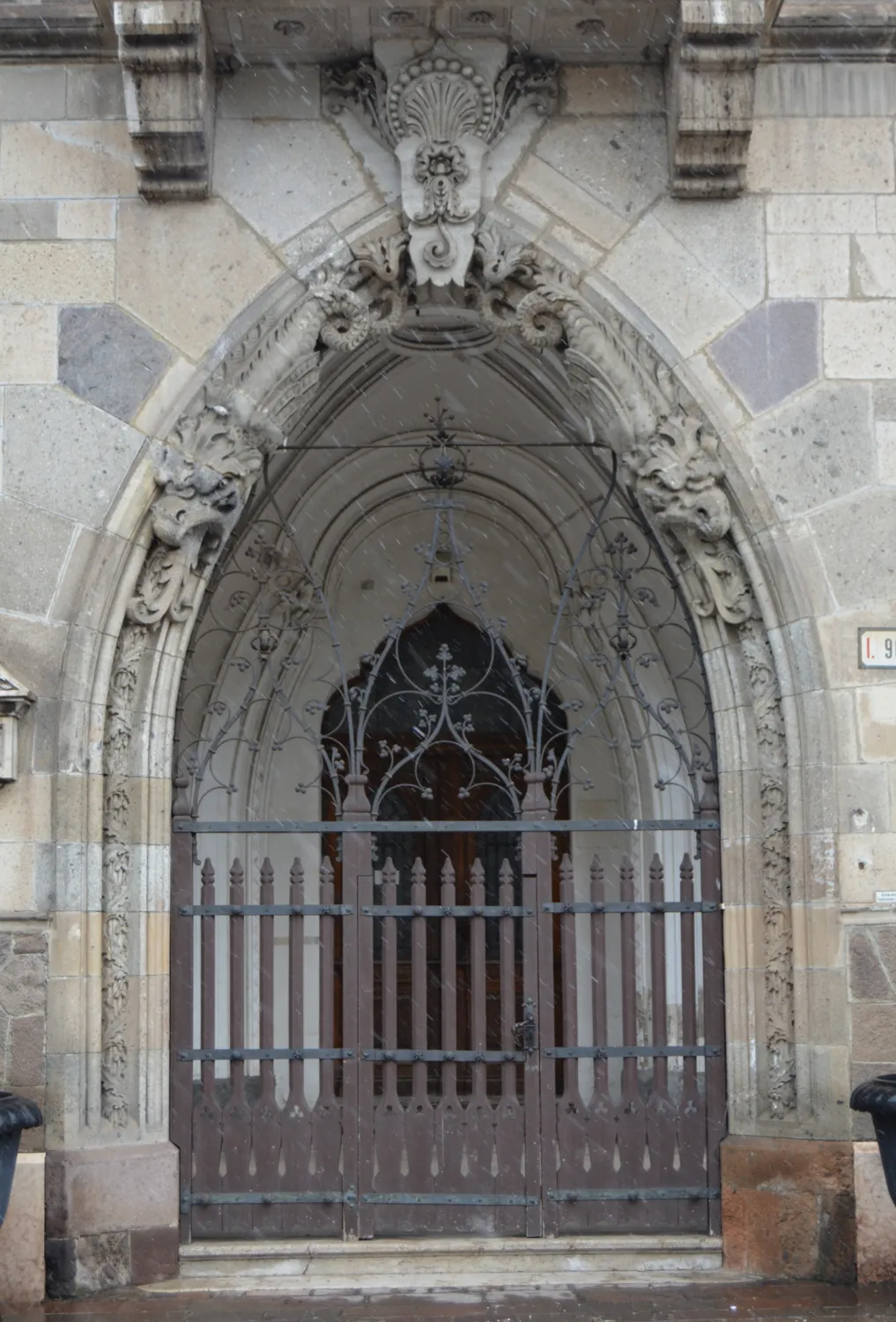
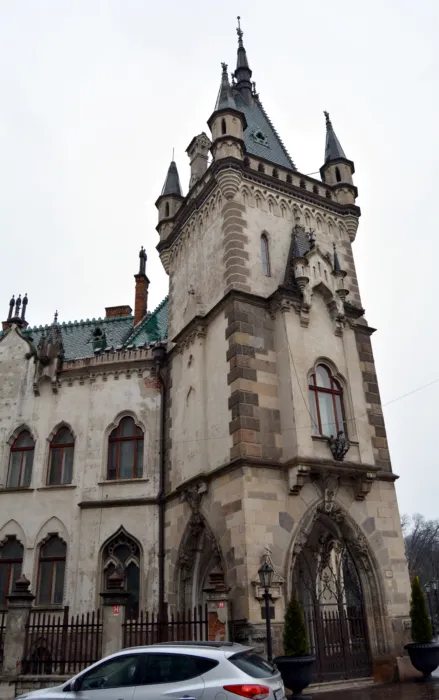
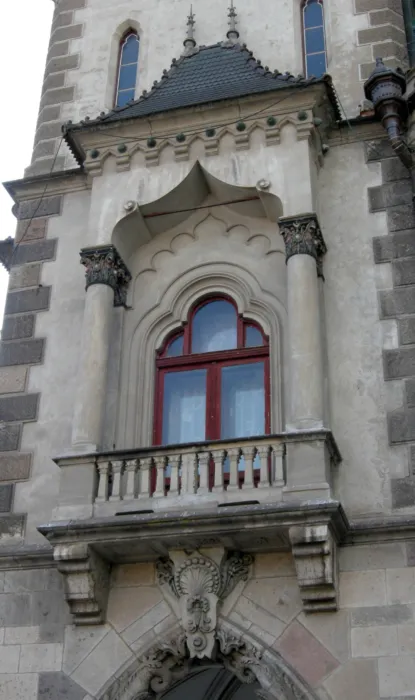
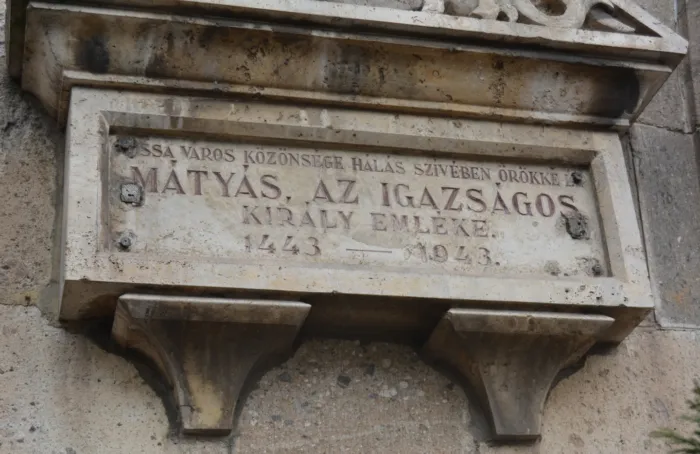
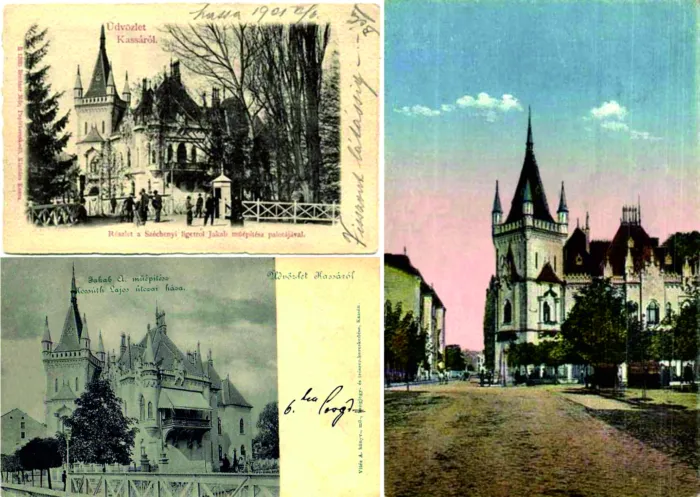
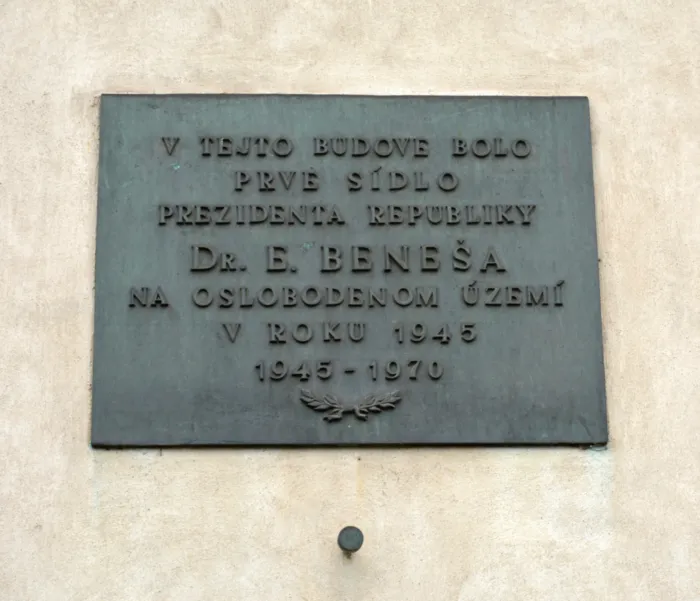
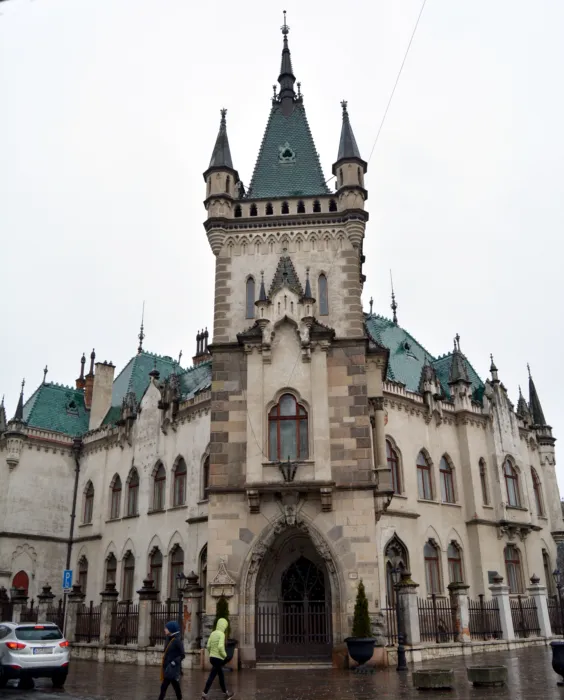
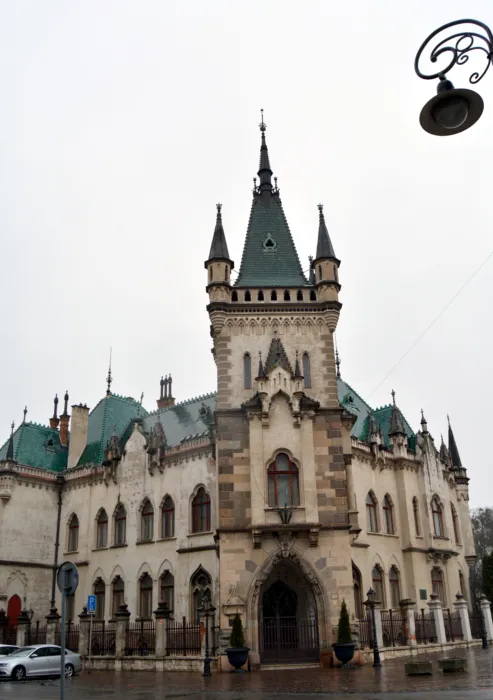
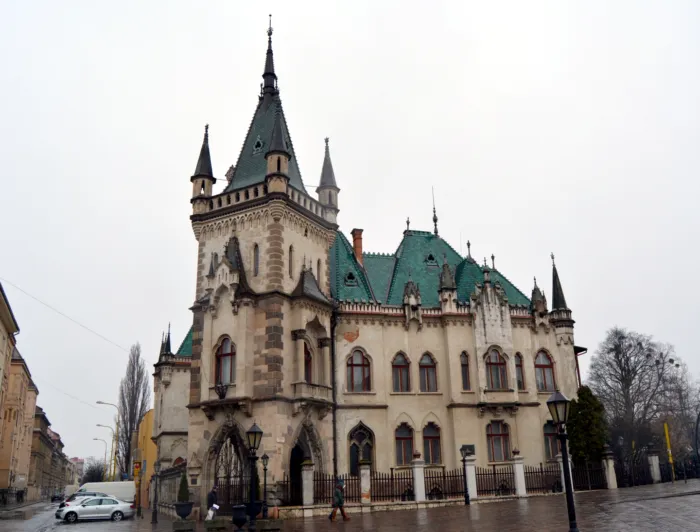
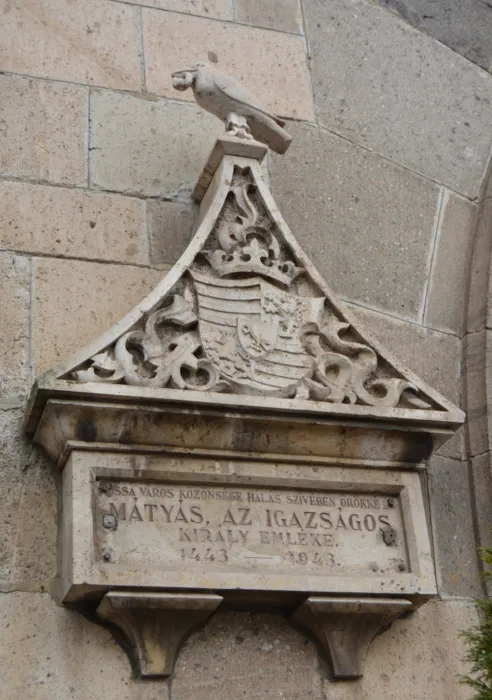
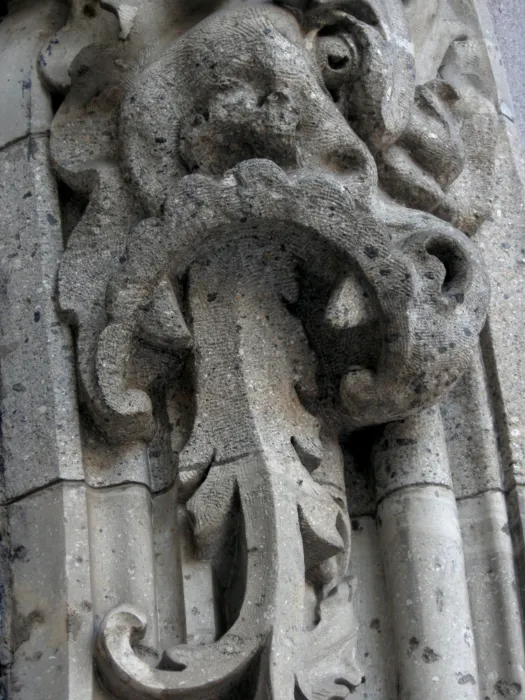
The construction contractors, the Jakab brothers, Árpád and Géza, built it as their own house in 1899 on the land inherited from their father, outside the former city wall, on the banks of the Malomárok River. The family is not considered one of the prominent architects of the time: János Gerle's Hungarian Architecture at the Turn of the Century (1990) does not devote a separate heading to them, and apart from the palace in Košice, only mentions two of their works, the villa at 9 Érmelléki Street in Budapest (1914) and the Szakolca R. K. High School (1911). They had more work than that in Košice, where as construction contractors with their own brick factory they participated in the construction of the Schalkház hotel, the Art Nouveau civic school designed by Gyula Pártos, or the eclectic Corps Command, and after the family moved to Budapest (1908) they also designed the Virányos official residence in the Buda hills. ; At the same time, the house had several features that attracted the attention of the local public from the beginning. One of them was that the Jakab brothers acquired and incorporated into their palace the discarded carvings of the medieval cathedral restored by Frigyes Schulek not long before, thus giving the turn-of-the-century villa a pedigree of many centuries. The other is that the palace, built in the Venetian Gothic style, whose representative rear facade, similarly to its predecessors, looked out onto the local canal, the Malomárok, and provided a very picturesque sight at the beginning of the road leading to the city park, the resting and entertainment place of the bourgeoisie. The local postcard publishing company made ample use of this, emphatically presenting the neo-Gothic private house as the “palace of the architect Árpád Jakab”. ; The third, historically decisive feature of the building was that its facade tower emphatically copied the four-towered left-hand gate tower of the “Vajdahunyad Castle” in Budapest, built for the millennium, the image of which was distributed in thousands of postcards throughout the country at that time, after the celebrations. The obvious connection with the ancient nest of the Hunyadi family must have been particularly significant in Košice, in whose tradition and self-image King Matthias played an important role: he visited the city on several occasions and with his donations contributed greatly to the completion of the cathedral, the right-hand tower of which bears his coat of arms. It is significant, however, that such a tower is not to be found in the original castle of Vajdahunyad: Árpád Jakab did not want to copy the original monument, but its well-known romantic representation in his romantic private palace. ; This connection certainly played a role in the fact that in 1943, when the city of Košice wanted to erect a monument on the 500th anniversary of the birth of the ruler who had such a significant impact on them, it was erected on the main facade of the Jakab Palace, which was still privately owned at the time, facing Hernád Row, and the street was renamed the much more majestic Matthias boulevard for this occasion. ; The house, which thus became a city landmark, soon acquired further, albeit unexpected, historical significance. When the Red Army occupied Košice as the first of the large highland cities, and it became clear that Slovakia was not to be assigned the role of the penultimate German henchman, but of the martyred Czechoslovakia dismembered by Hitler, Edvard Beneš held the first session of the new Czechoslovak government in this building, and here he issued the infamous Košice government program, which declared the collective guilt of the Germans and Hungarians in Czechoslovakia. A plaque on the wall of the house still commemorates the event as a counterpart to the Matthias monument, and Slovak-speaking tour guides also usually emphasize this historical role. ; After the war, the house was nationalized, and thus it became a public building of the city not only symbolically, but also in practice. Its ground floor was the central marriage hall, and its upper hall became the meeting room of the mayor of Košice. In addition, the building also housed the ironworkers' club. In 1968, in the spirit of socialist urban planning, the Malomárk was drained, and in its place a four-lane highway runs at the base of the building, through the heart of the city. ; However, the Jakab Palace remains legally a private house. The heirs of Hugó Barkányi, who purchased the house from the builder in 1908, are still suing to regain their property, while the city, understandably, does not want to return the listed palace. Which indicates, regardless of the outcome of the lawsuit, to what extent the former private house has become a public building and a symbol of the city's identity over its hundred-year history.